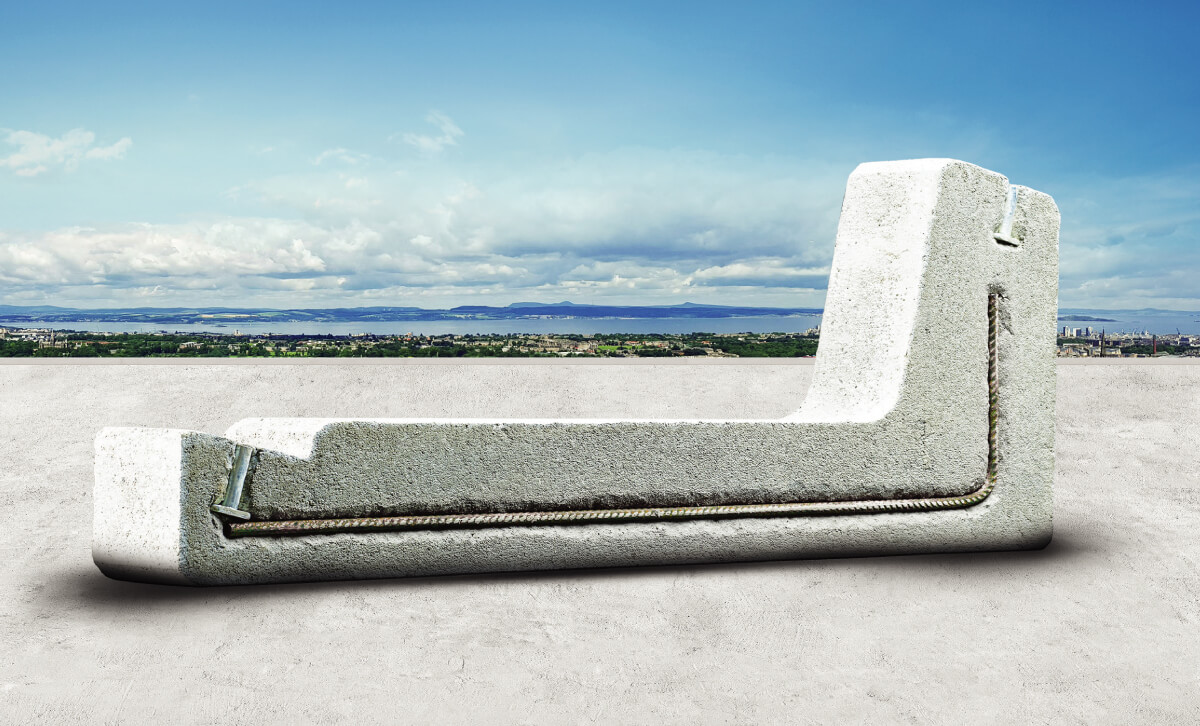
Solar mounting rail: why installers on flat
roofs need a simpler system
In the Italian PV market, flat roofs are everywhere—industrial
sheds, logistics hubs, commercial buildings—and speed on site is often the difference between a
profitable job and a stressful one. Choosing the right solar mounting rail is not just a detail:
it affects installation time, roof safety, and long-term reliability. Traditional rail systems
can mean many components, complex alignment, and frequent roof penetrations that increase
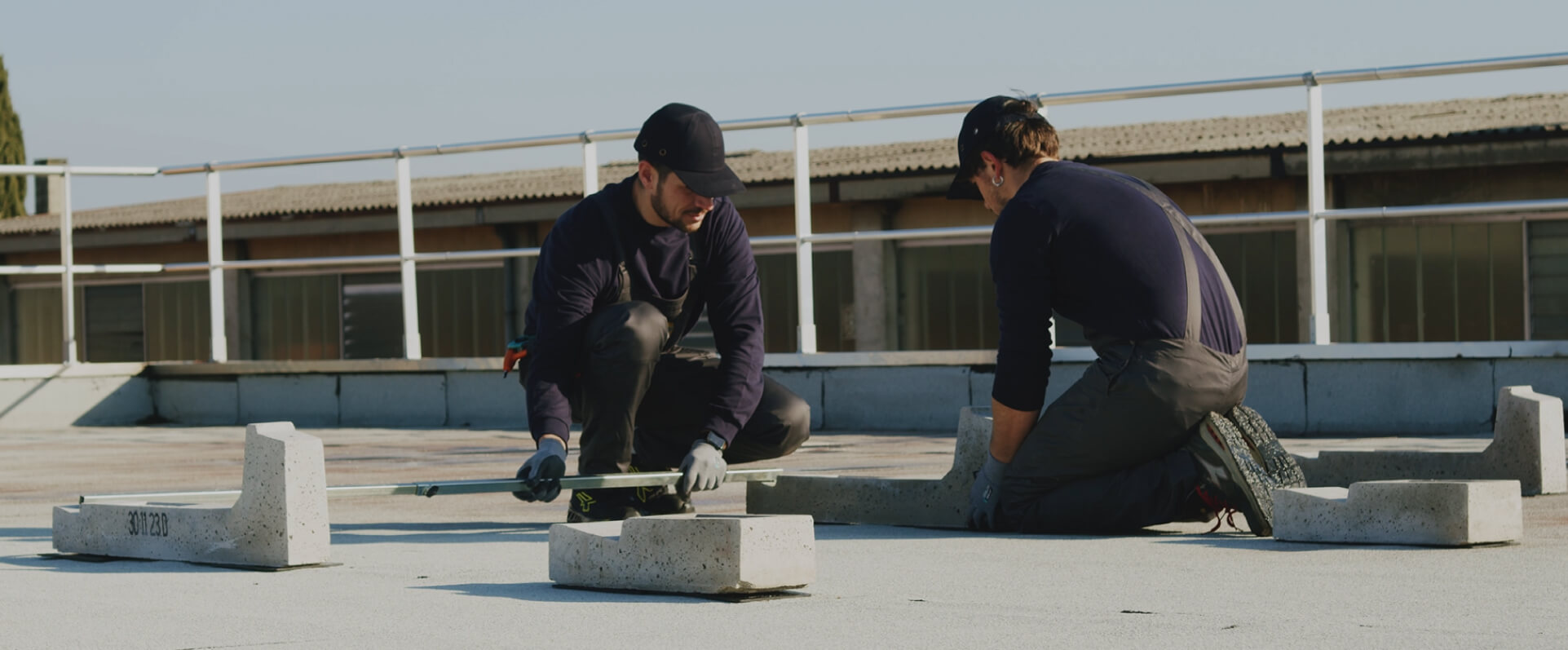
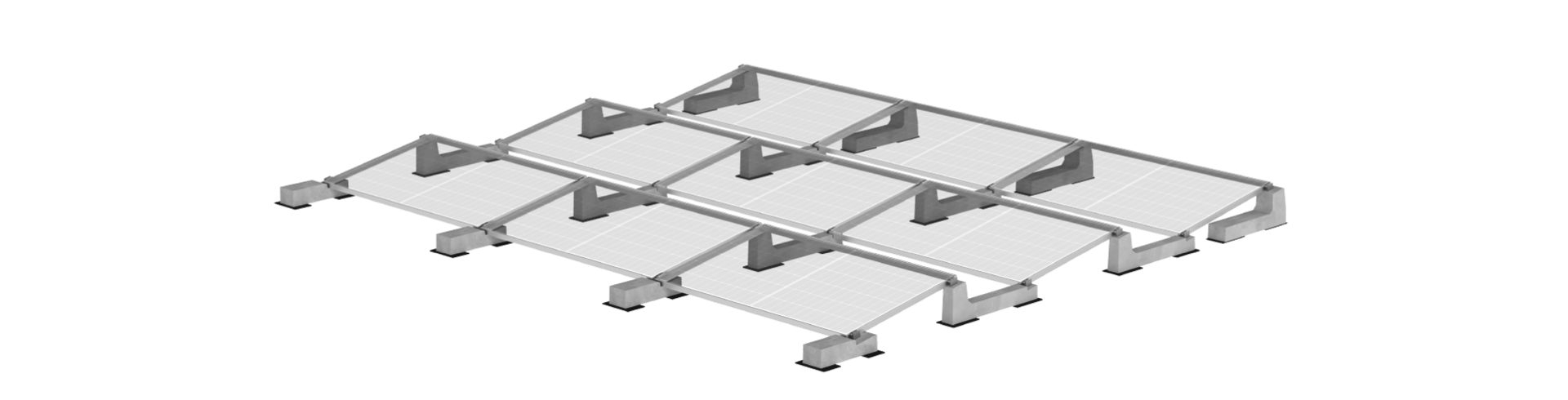
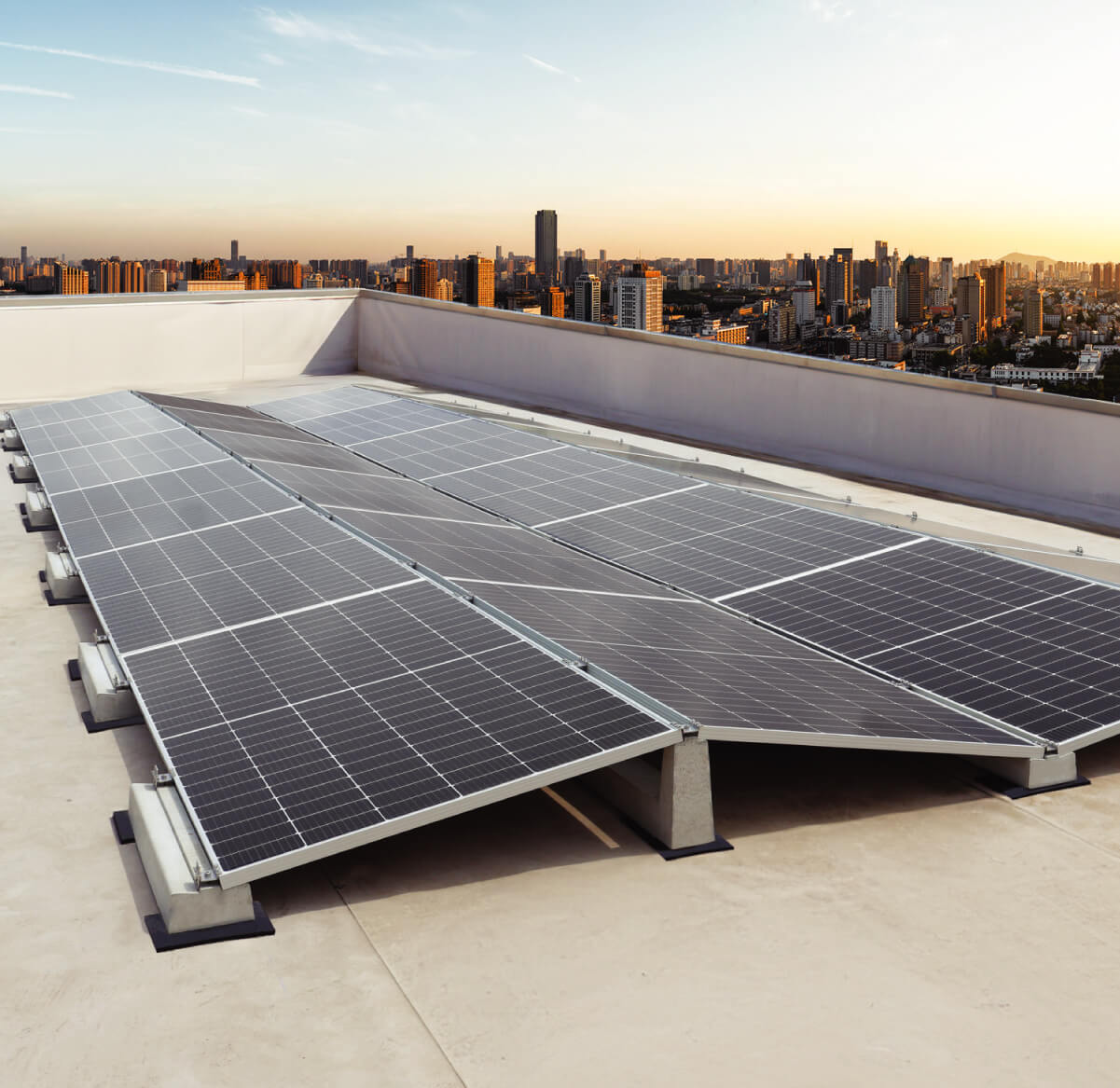
waterproofing risk. A smarter approach is to combine a robust mounting rail with a ballasted
support concept, designed to hold modules securely without drilling into the membrane. For
installers, that translates into fewer steps, fewer surprises, and cleaner workflows from pallet
to final torque. For designers and engineers, it means working with a solution backed by tested
data on loads and wind, helping reduce calculation uncertainty. And for distributors, it’s
easier to stock and recommend a system that solves common objections: “Will it leak?”, “How long
will it take?”, “Is it certified?”. When the solar mounting rail is part of an integrated
flat-roof solution—built for quick positioning, repeatable layouts, and stable performance—you
can deliver more projects with less rework and fewer callbacks. The result is a PV installation
that feels straightforward, predictable, and professional, even under tight deadlines and
challenging rooftop conditions.
Faster installation, fewer components, no roof
drilling
A well-designed solar mounting rail setup for flat roofs should
reduce complexity, not add to it. The key is minimizing loose hardware, simplifying module
fixing, and avoiding time-consuming sub-structures. Ballasted PV supports achieve this by using
weight and geometry to stabilize the array, helping you avoid penetrations and the related
waterproofing tasks. That means fewer risk points on the roof, less coordination with other
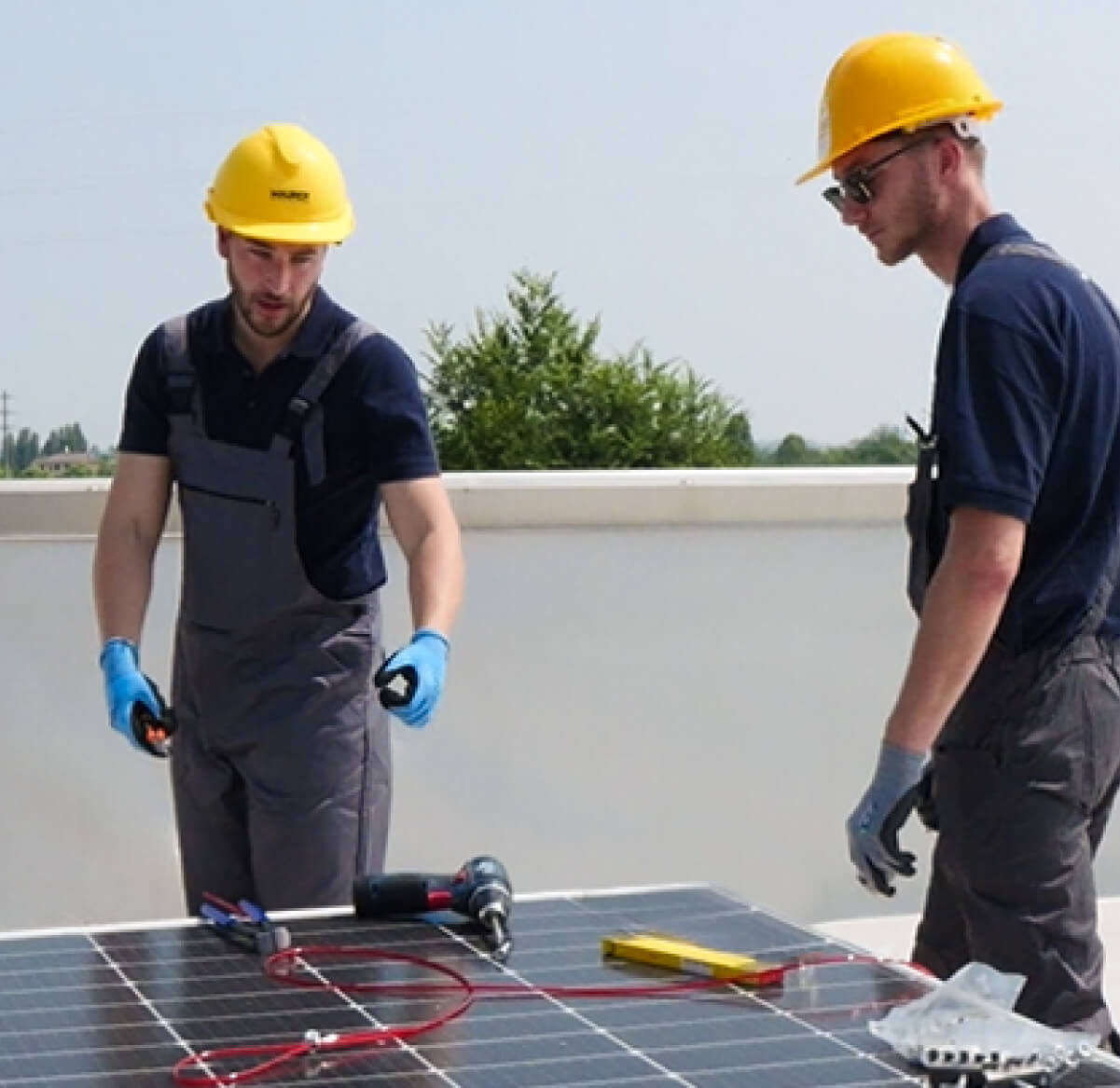
trades, and faster commissioning. Installers benefit from intuitive assembly and consistent
spacing; project managers benefit from predictable timelines; building owners benefit from a
roof that stays intact. Related terms that matter in real projects include flat roof PV
mounting, ballasted mounting system, non-penetrating solar racking, wind load resistance,
mechanical stability, and rooftop waterproofing protection. When these factors are addressed
together, the solar mounting rail becomes part of a complete method for building reliable
strings quickly while keeping the site tidy and safe. In practice, this can mean shorter
installation cycles per kWp, smoother logistics, and easier training for new crews—advantages
that compound across multiple rooftops.
Technical partnership for sizing, wind loads,
and project execution
For professionals in Italy—installers, engineering offices, and
distributors—choosing a solar mounting rail is also about support. Beyond the product itself,
you need clear documentation, reliable performance data, and guidance during design and
execution. A partner-style approach can include help with layout planning, system sizing, and
verification against wind and load requirements, especially on large flat roofs where exposure
and parapets vary. This reduces responsibility pressure for designers and helps installers avoid
last-minute changes on site. Look for solutions developed specifically for flat roofs, tested
for durability, and engineered to keep installation simple: fewer parts, quick module locking,
and repeatable configurations. When you can rely on a technical team to validate assumptions,
provide project-specific inputs, and support the job through to completion, you minimize
downtime and maximize confidence. If your next project demands a non-penetrating approach with
strong stability, an integrated solar mounting rail concept paired with ballasted supports can
help you deliver a cleaner build, lower risk, and a more efficient workflow from design to
rooftop.