Why a Solar Mounting Rail Joint Matters on
Flat Roof PV
In Italy’s fast-moving PV market, every minute on site
counts—especially on flat roofs where access, safety, and logistics can make or break margins. A
solar mounting rail joint may look like a small component, but it plays a key role in system
integrity and installation efficiency. By connecting rail sections with precision, the joint
helps maintain straightness and consistent spacing, reducing the risk of misaligned modules,
uneven load distribution, or rework during commissioning. For installers, that means smoother
assembly, fewer adjustments, and a cleaner finished layout. For designers and engineers, a
reliable solar mounting rail joint supports predictable structural behavior under wind uplift
and varying roof loads, improving confidence in the overall mounting strategy. When paired with
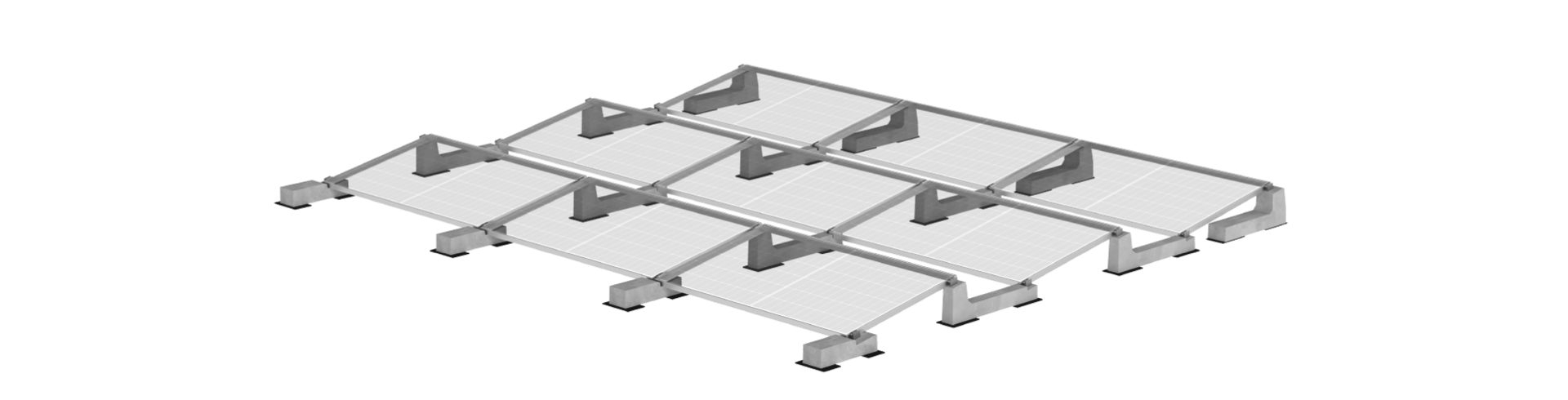
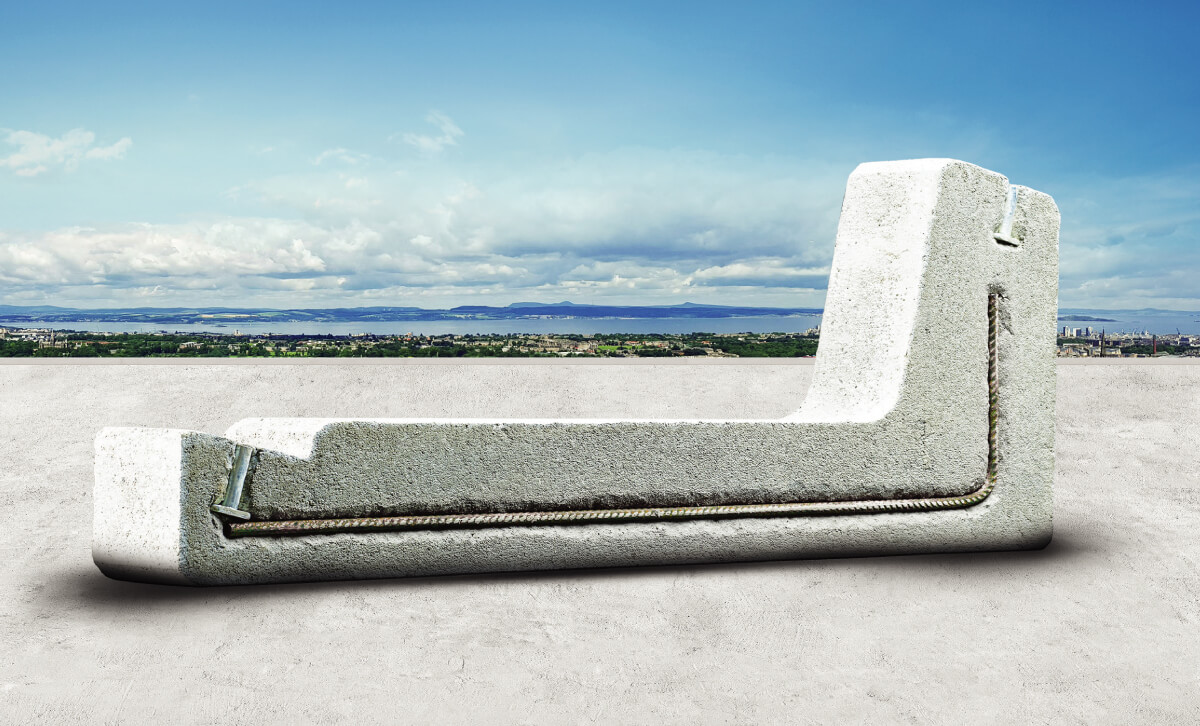
ballasted solutions that avoid roof penetrations, rail connections become even more important:
the system must be stable, durable, and repeatable without relying on mechanical fixings through
the waterproof layer. Choosing robust rail connectors and compatible hardware helps ensure
long-term performance, simplifies maintenance, and supports safer, faster installations on
commercial and industrial flat roofs across Italy.
Speed, Alignment, and Reliability: What
Installers Gain
Installers typically choose a mounting approach that reduces
components, limits on-roof cutting, and keeps workflows predictable. A well-designed solar
mounting rail joint contributes directly to that goal. With the right connector, rail segments
slide into place quickly, alignment stays consistent across rows, and torque checks are easier
to standardize. This reduces common pain points such as time-consuming rail leveling, module
clamping inconsistencies, or last-minute spacing corrections. In practice, better rail
continuity can also support cable management and improve overall site neatness—details that
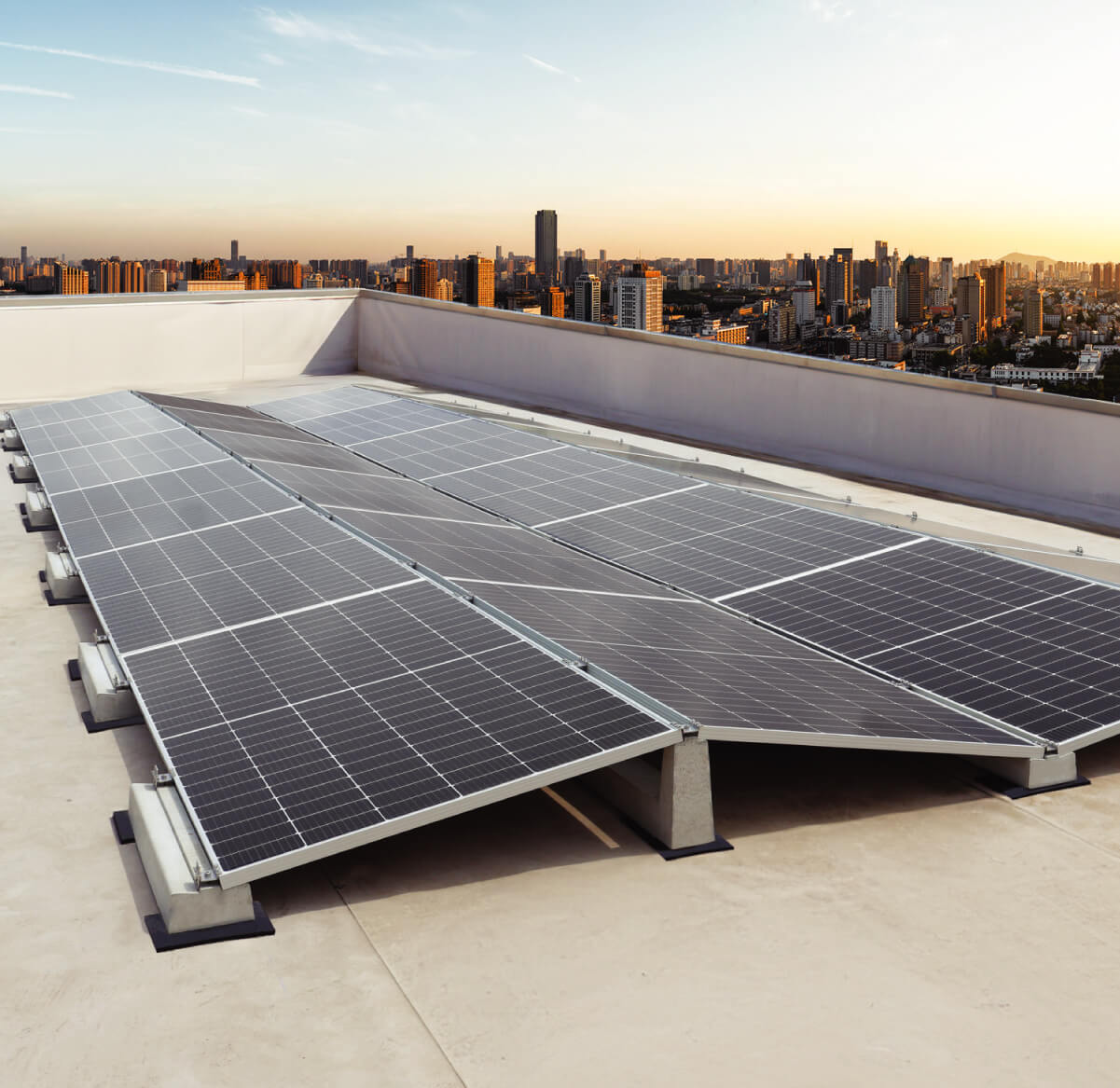
matter during handover and inspections. On flat roofs, where ballasted PV mounting is often
preferred to avoid drilling, dependable rail joints help create a stable grid without
compromising the roof membrane. The result is a faster install cycle, fewer surprises in the
field, and a system that feels “plug-and-play” even on large rooftops. For distributors, that
translates into a product category that is easier to explain and more repeatable across
projects, supporting steady demand and fewer after-sales issues.
How to Choose the Right Rail Joint for Your
Next Project
Not every solar mounting rail joint is the same, and the best
choice depends on roof type, array size, rail geometry, and local wind conditions. Start by
verifying compatibility with the rail profile and checking material quality and corrosion
resistance—critical for long service life on exposed rooftops. Look for joints that provide
strong mechanical engagement, clear positioning, and repeatable fastening, so crews can work
quickly without improvisation. For technical offices, availability of tested data and support
during system sizing is equally important, especially when evaluating uplift, ballast
distribution, and load paths. In Italy, where many commercial buildings use flat roofs,
selecting rail connections that integrate smoothly with ballasted mounting solutions helps
reduce operational complexity: fewer roof penetrations, less waterproofing risk, and simpler
execution. If your priority is to install faster while maintaining a solid, durable structure,
specify a solar mounting rail joint that is proven, easy to assemble, and backed by technical
guidance from a partner who supports projects from design through installation.