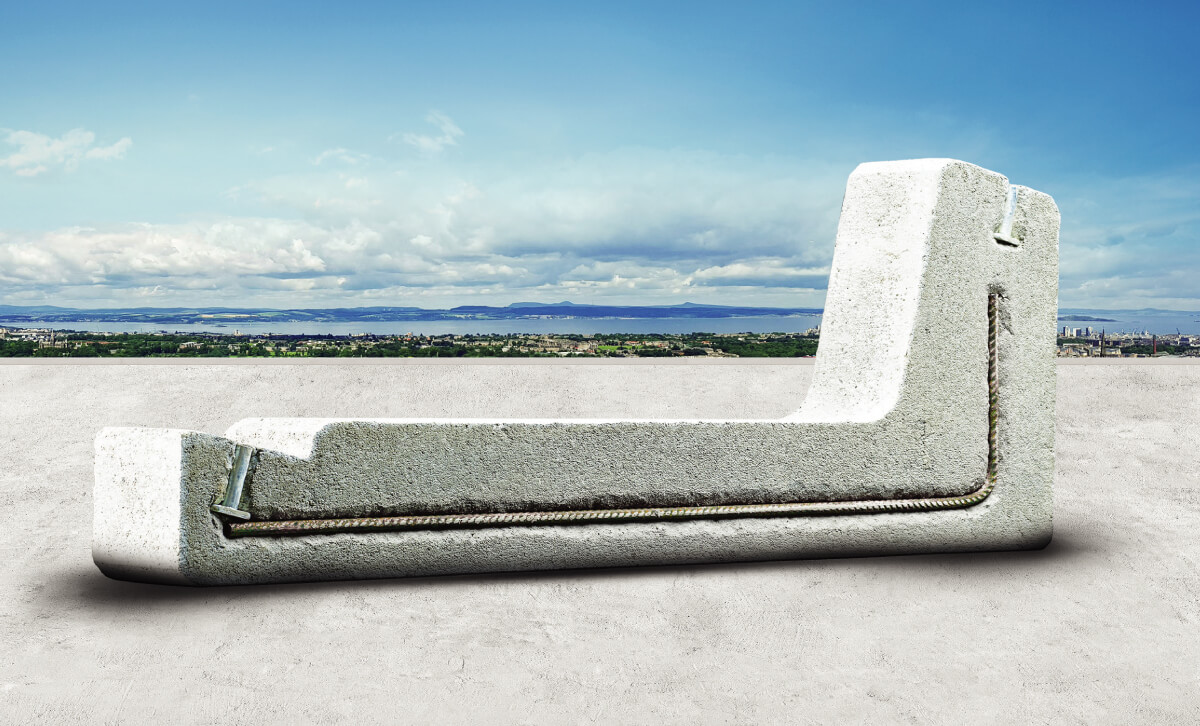
A Smarter Solar Mounting Structure for Flat
Roof Projects in Italy
In Italy, flat roof photovoltaic projects often start with a
familiar challenge: how to secure modules quickly while protecting the roof membrane and meeting
structural requirements. A well-designed solar mounting structure can make the difference
between a smooth installation and days lost to complex assemblies, penetrations, and on-site
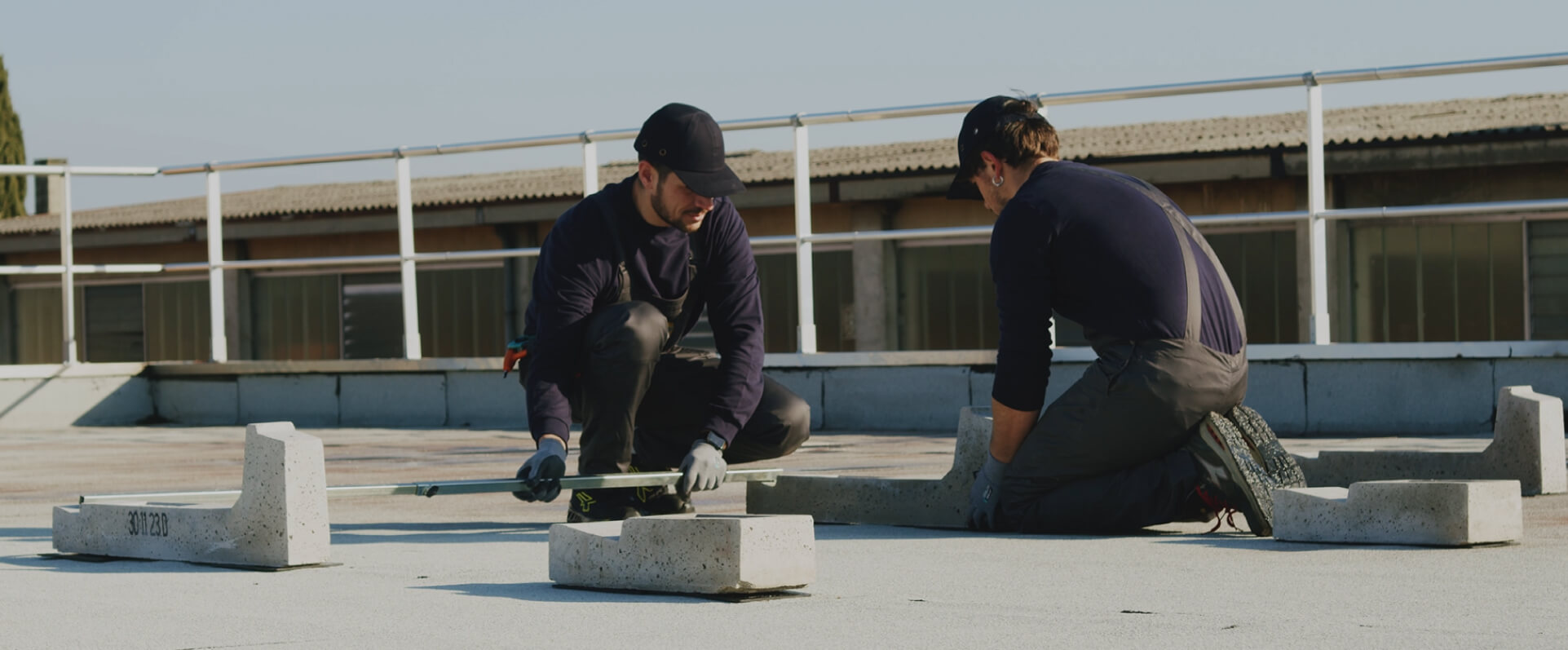
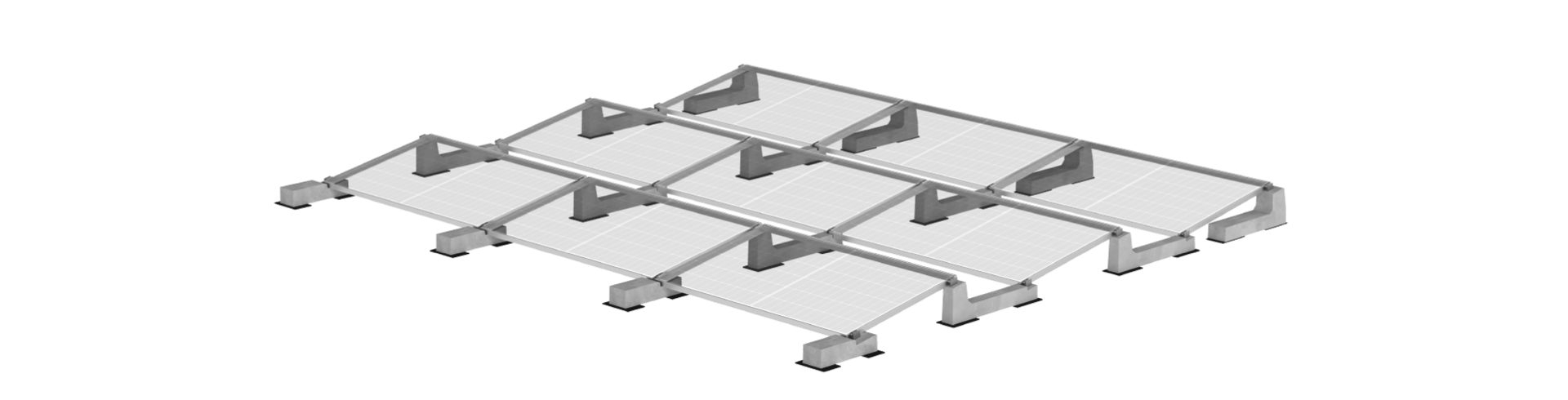
adjustments. Ballasted systems with pre-engineered concrete supports answer the most common pain
points—no drilling, fewer components, and a workflow that installers can repeat with confidence
across multiple jobs. For roofing owners and facility managers, avoiding penetrations helps
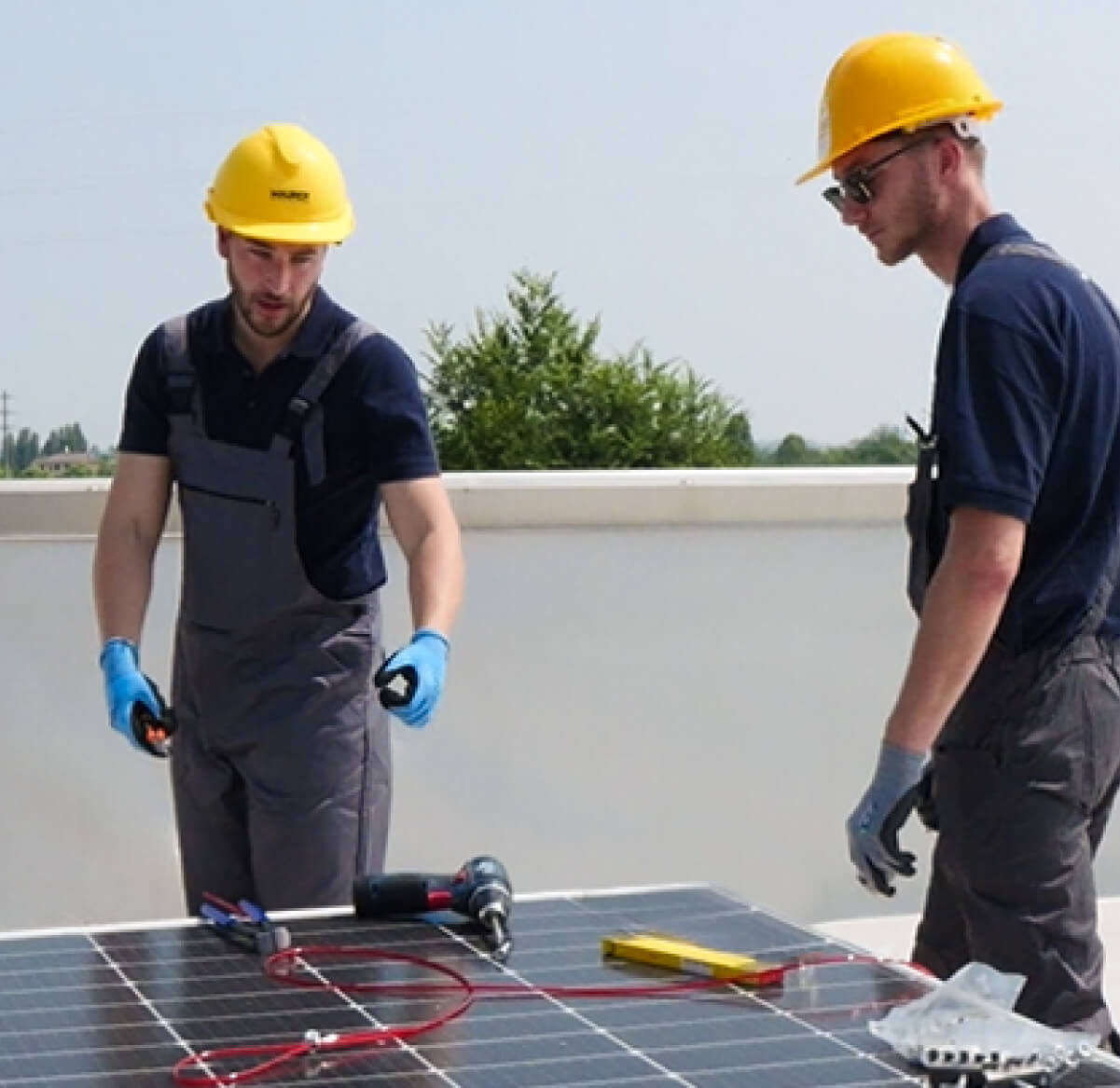
reduce water ingress risk and long-term maintenance concerns. For installers, it means faster
staging, cleaner logistics, and predictable mounting times. For designers and engineers, it
means reliable load paths and clearer documentation for wind and dead-load checks, especially on
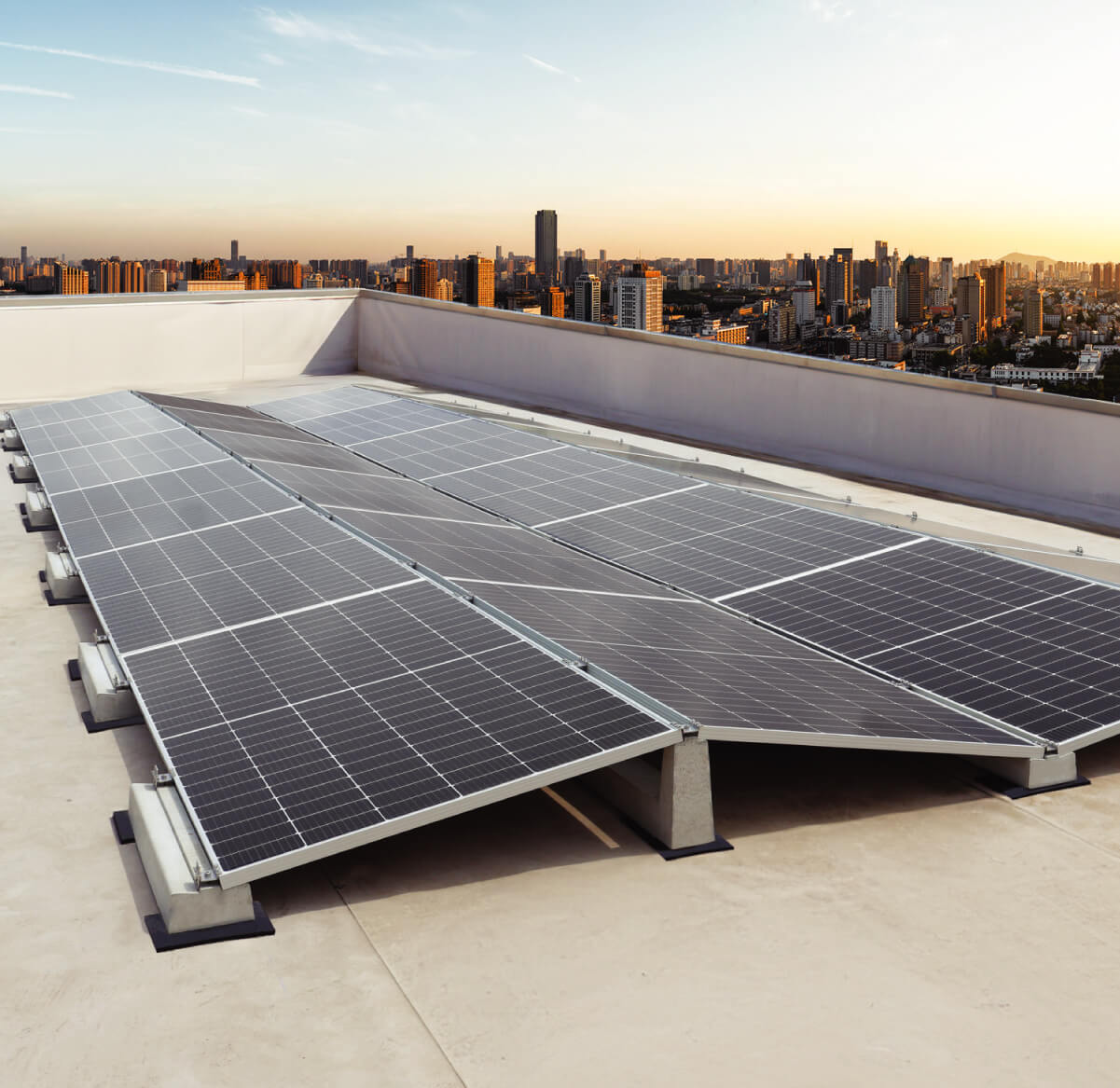
large commercial roofs. The goal is simple: deliver a flat-roof PV array that is stable,
durable, and straightforward to execute. When the mounting approach is engineered as a complete
solution—rather than a box of parts—you gain speed, safety, and consistency from design to
commissioning, even under tight schedules and changing site conditions.
Why Ballasted Concrete Supports Reduce Risk
and Installation Time
Choosing a ballasted solar mounting structure built around
concrete weights changes the on-site reality. First, it minimizes roof penetrations, which helps
preserve waterproofing layers and reduces the coordination needed with roofers. Second, it
simplifies the bill of materials: fewer small parts, fewer chances for missing items, and fewer
decisions to make on the roof. Third, it supports rapid alignment and repeatable module
placement—critical when you’re managing multiple crews or large MW rooftops. These systems are
especially valuable where wind actions and uplift are significant: the combination of ballast,
optimized tilt options, and validated configurations can streamline engineering checks.
Designers benefit from dependable data for sizing and layout, while installers benefit from
intuitive assembly and quicker completion. For distributors, it’s a product category that’s
easier to explain and easier to stock because it answers a clear market need. In short,
ballasted mounting turns complexity into a controlled process—helping you deliver projects on
time without compromising roof integrity.
Technical Partnership: From Layout to
Execution
A solar mounting structure should not be treated as an
afterthought. The best outcomes come when the mounting solution is supported by technical
expertise from the earliest stages. That includes help with preliminary design, array sizing,
wind and load considerations, and practical guidance that matches real installation constraints
on Italian flat roofs. Installers gain confidence when they can rely on responsive engineering
input, clear installation documentation, and solutions that have been tested for durability.
Engineers and design studios reduce responsibility risk when the system comes with verified
configurations and consistent performance assumptions. Distributors benefit from a solution that
is recognizable, in demand, and backed by knowledgeable support—making it easier to serve
professional clients. If your priority is to install faster, avoid roof drilling, and reduce
site headaches, consider adopting a ballasted approach that combines concrete supports with an
engineered, end-to-end process. The result is a PV array that looks clean, performs reliably,
and is delivered with the kind of support that keeps projects moving from quote to
commissioning.