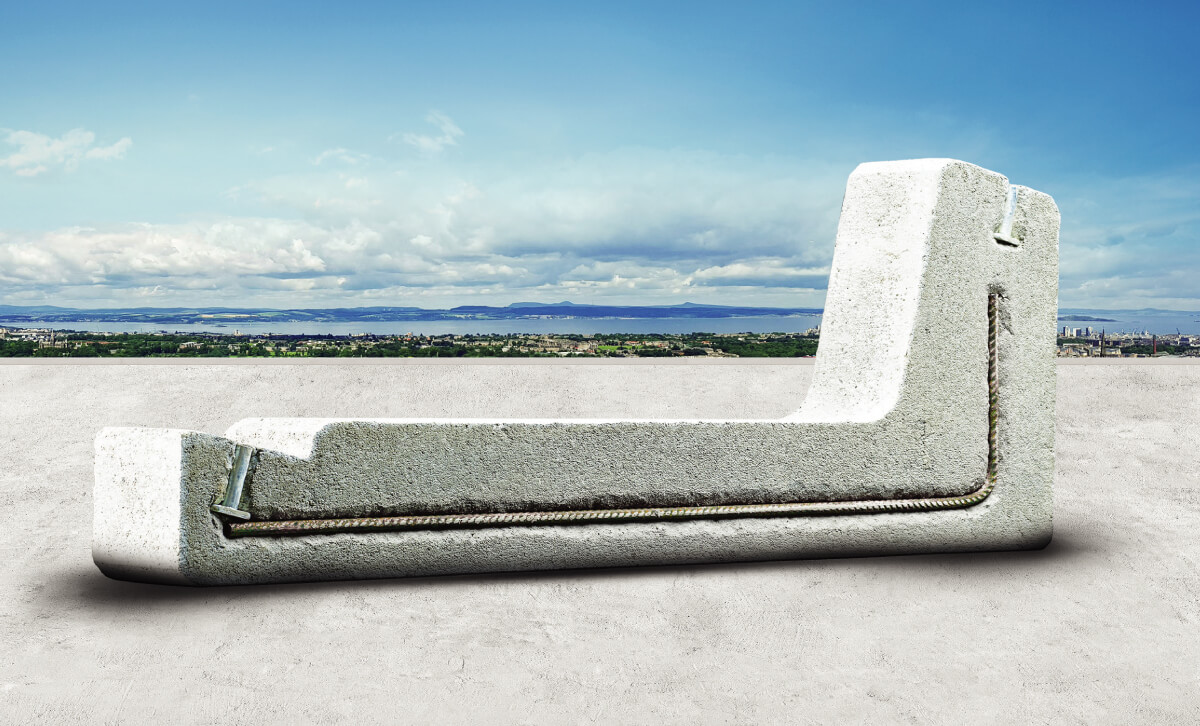
Solar ballast blocks: the smarter way to mount
PV on flat roofs in Italy
In Italy, flat-roof photovoltaic projects often come with the same
headaches: waterproofing risks, long installation times, and complex mounting structures that
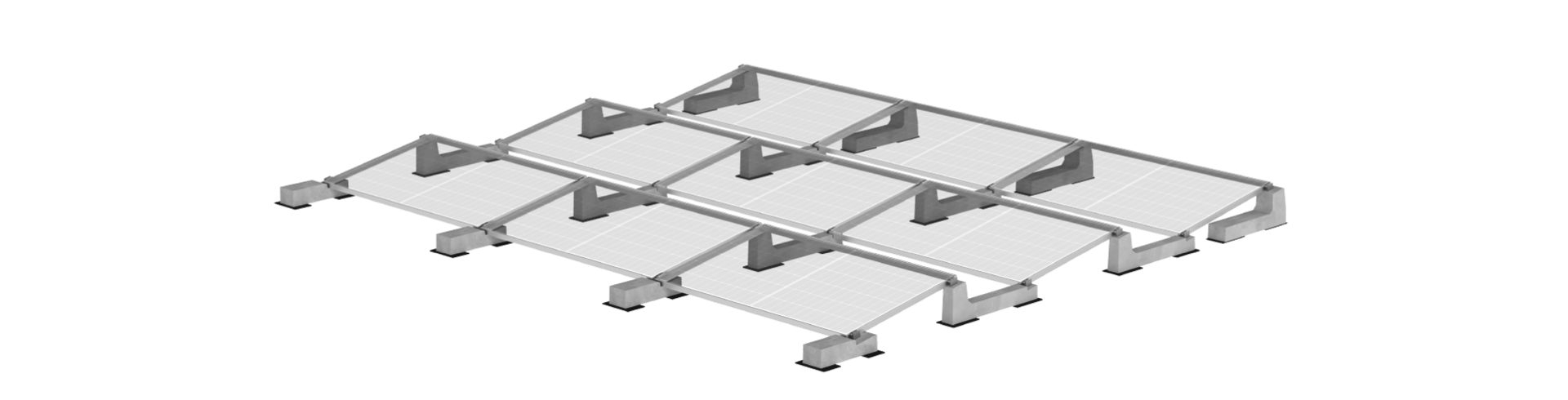
slow crews down. Solar ballast blocks solve these issues with a simple, proven concept—secure PV
modules using concrete counterweights rather than roof penetrations. By avoiding drilling, you
protect the roof membrane, reduce the chance of leaks, and keep worksite steps straightforward.
For installers, that means fewer components to manage, quicker positioning, and cleaner
logistics from pallet to roof. For designers and engineers, it means a mounting approach that
can be verified with clear load data and wind considerations, helping reduce uncertainty during
sizing. And for distributors, it’s a product category with strong demand because it addresses
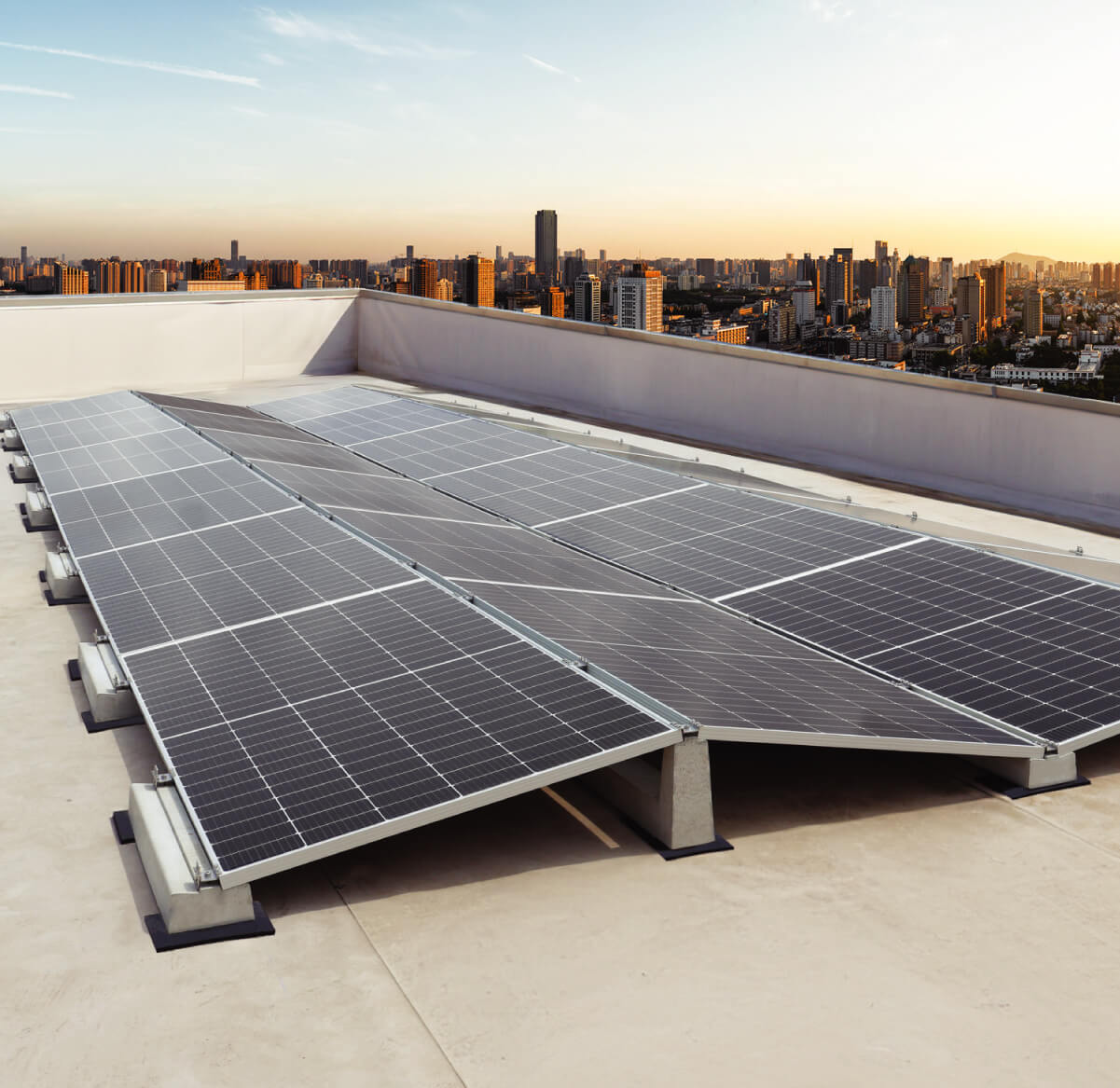
real pain points across the market. Solar ballast blocks are especially effective on industrial
buildings and commercial rooftops where speed, safety, and repeatability matter. When chosen
correctly, they help balance stability and performance, enabling efficient module tilt
configurations and tidy cable management. If your goal is to deliver a flat-roof PV system that
installs faster, minimizes operational complexity, and keeps the roof intact, solar ballast
blocks are a practical, job-ready foundation for modern solar mounting.
Why installers prefer no-drill concrete
ballast mounting systems
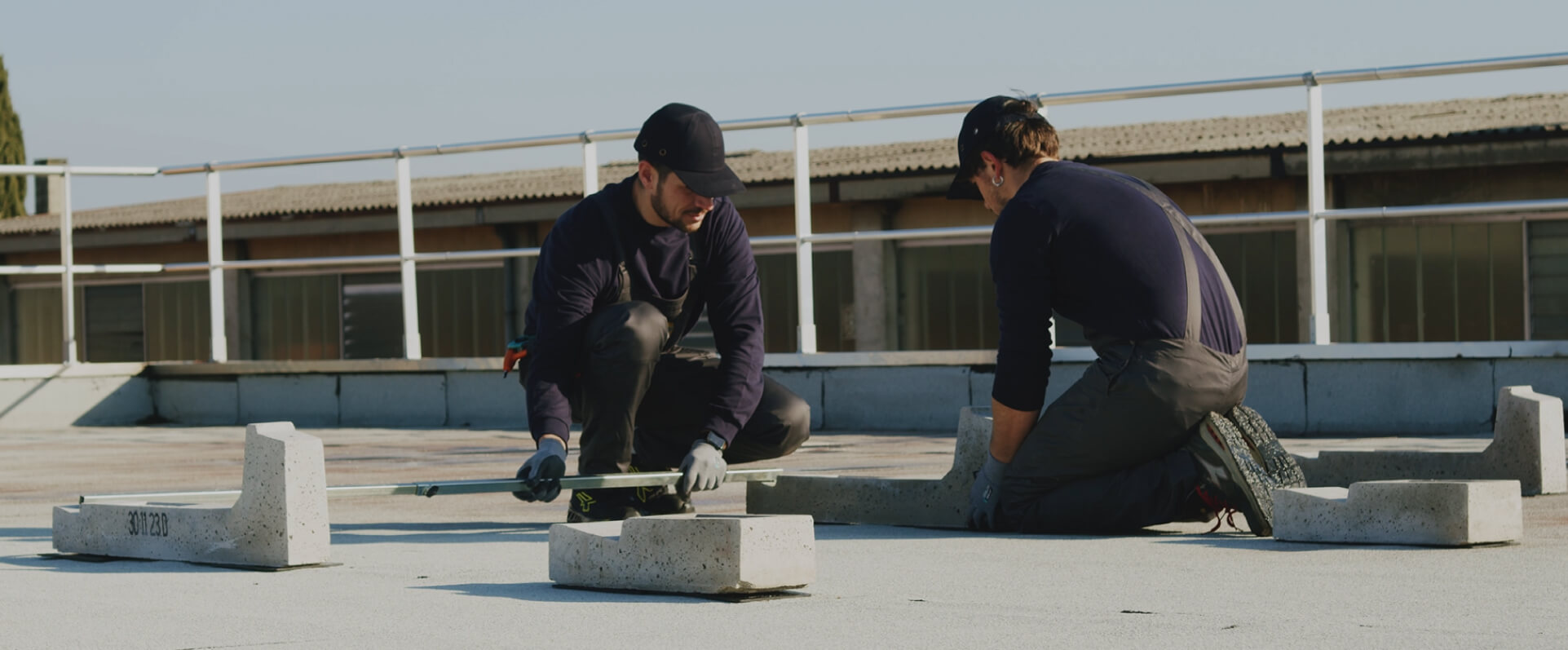
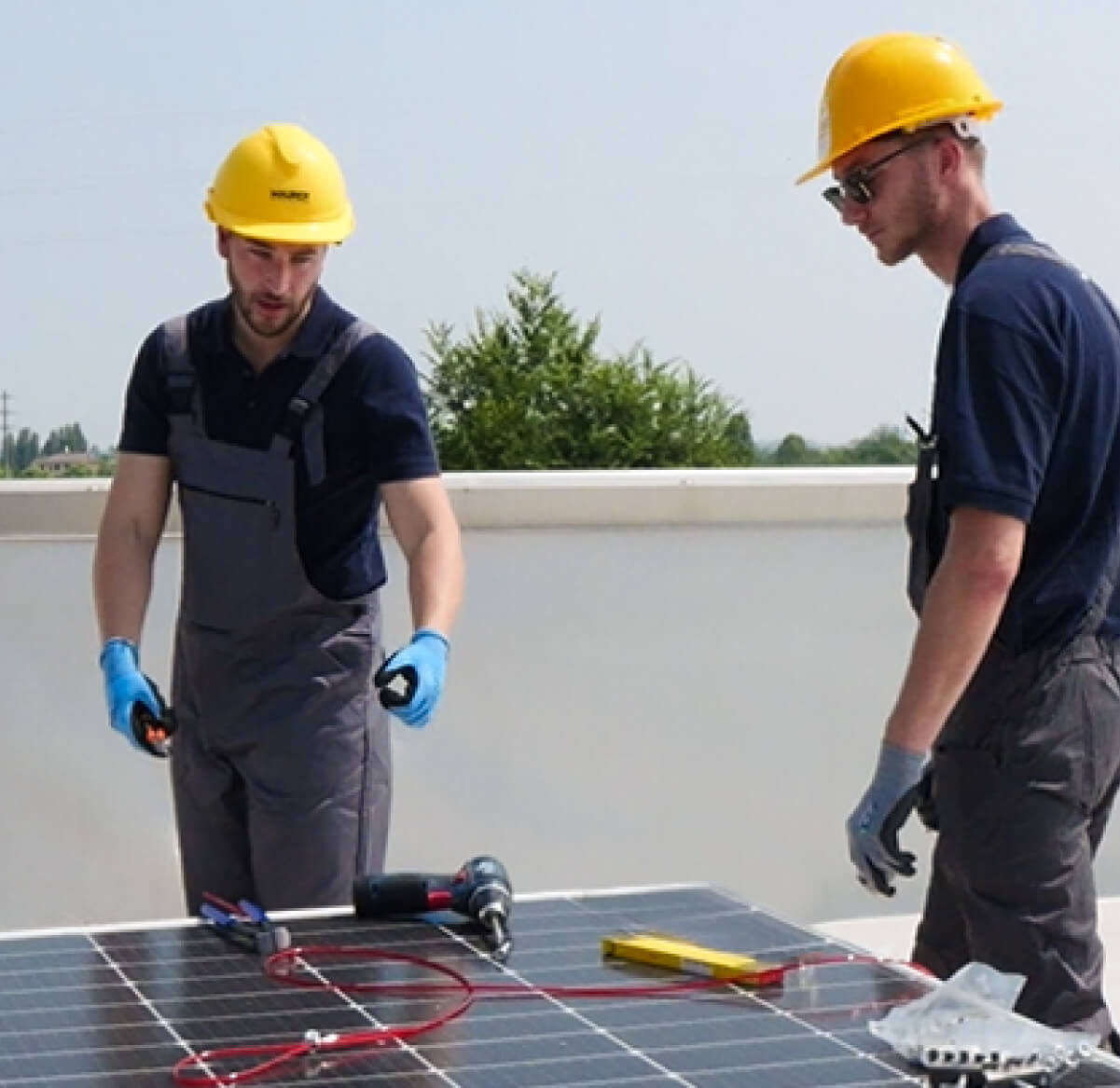
Time on the roof is money. A no-penetration setup built around
solar ballast blocks streamlines the process: place, align, clamp, and move on—without
coordinating waterproofing works or worrying about hidden roof layers. Fewer parts also means
fewer mistakes, less time spent searching for hardware, and easier crew training. On Italian
jobsites, where weather windows and access constraints can be tight, the ability to work quickly
while keeping the roof untouched is a major advantage. Concrete ballast solutions can also
improve safety and predictability by reducing the need for invasive tools and fixings near
sensitive membranes. For EPCs and installation teams managing multiple sites, standardizing on a
reliable ballasted PV mounting approach can accelerate project timelines and reduce call-backs
linked to roof issues. The result is a smoother handover and a system that feels engineered for
real-world installation, not just for drawings.
Technical confidence: wind loads, sizing
support, and project-ready performance
For engineers and technical offices, solar ballast blocks are not
just “heavy blocks”—they are part of a complete flat-roof mounting solution that must satisfy
wind uplift, roof load limits, and layout constraints. The right partner approach includes
design-phase support, accurate system sizing, and dependable documentation to help you select
the appropriate configuration for each building. This is crucial in Italy, where site exposure,
parapet height, and rooftop geometry can significantly affect wind behavior. A well-developed
ballasted system can offer tested configurations, repeatable installation outcomes, and clear
guidance on array spacing and orientations. That reduces design risk and helps teams move from
feasibility to execution faster. If you’re specifying PV support structures for flat roofs,
choosing solar ballast blocks backed by technical assistance and project development support can
simplify decisions, protect your reputation, and deliver a robust, long-lasting installation
that performs season after season.