Solar ballast mount: a smarter way to build PV
on flat roofs in Italy
Installing photovoltaic systems on flat roofs in Italy often comes
down to one key decision: how to secure the modules without turning the roof into a risk. A
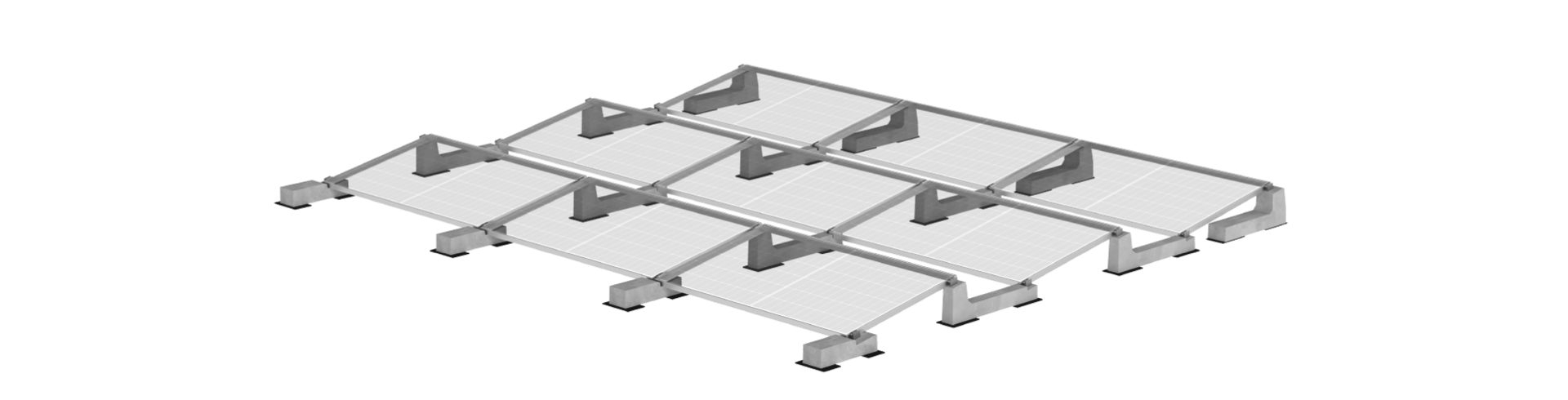
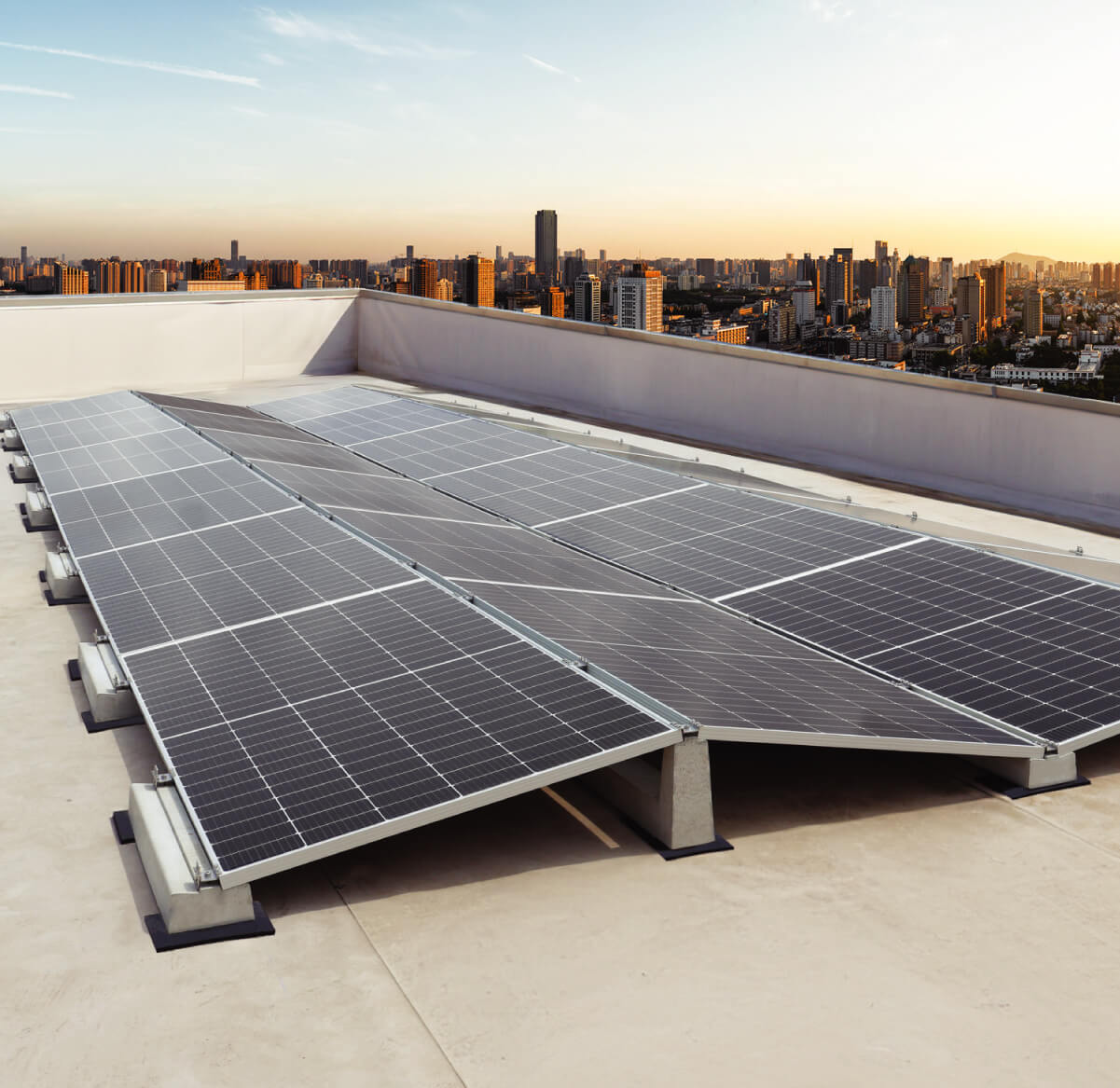
solar ballast mount is designed to keep panels stable using weight and smart geometry, rather
than roof penetrations. For installers, that means fewer steps on site, fewer components to
manage, and a workflow that feels predictable even under tight deadlines. For designers and
engineers, it means working with a solution built around certified performance, repeatable
configurations, and reliable technical data for structural checks. The real advantage is
practical: by avoiding drilling, you reduce the chance of membrane damage, leaks, and long-term
maintenance headaches—issues that can quickly erase the value of a “cheap” structure. Ballasted
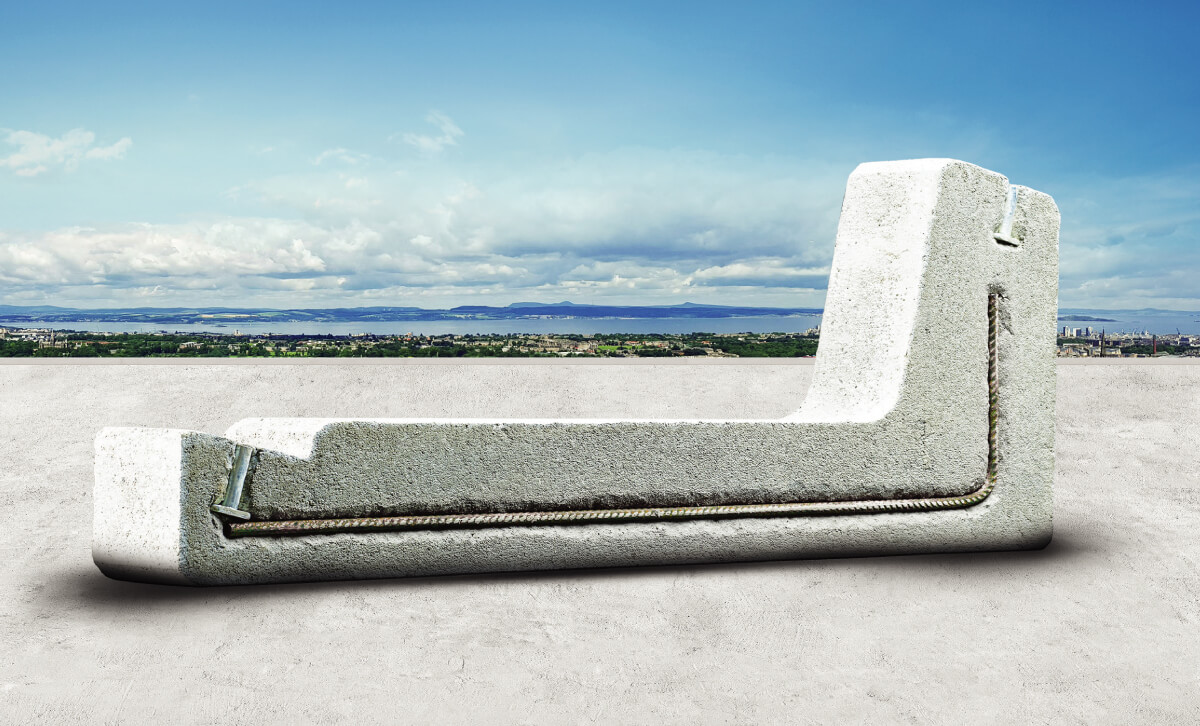
PV mounting also helps simplify logistics: concrete ballast blocks arrive ready to place, the
tilt angle is predefined, and cable management and module positioning can be planned cleanly. If
your goal is to deliver safer, faster, and more efficient flat-roof solar installations, a solar
ballast mount is one of the most effective choices you can make—especially when paired with
professional support for layout, load calculation, and project execution.
Why installers prefer ballasted mounting:
speed, simplicity, fewer on-site surprises
For photovoltaic installers, time and reliability are everything.
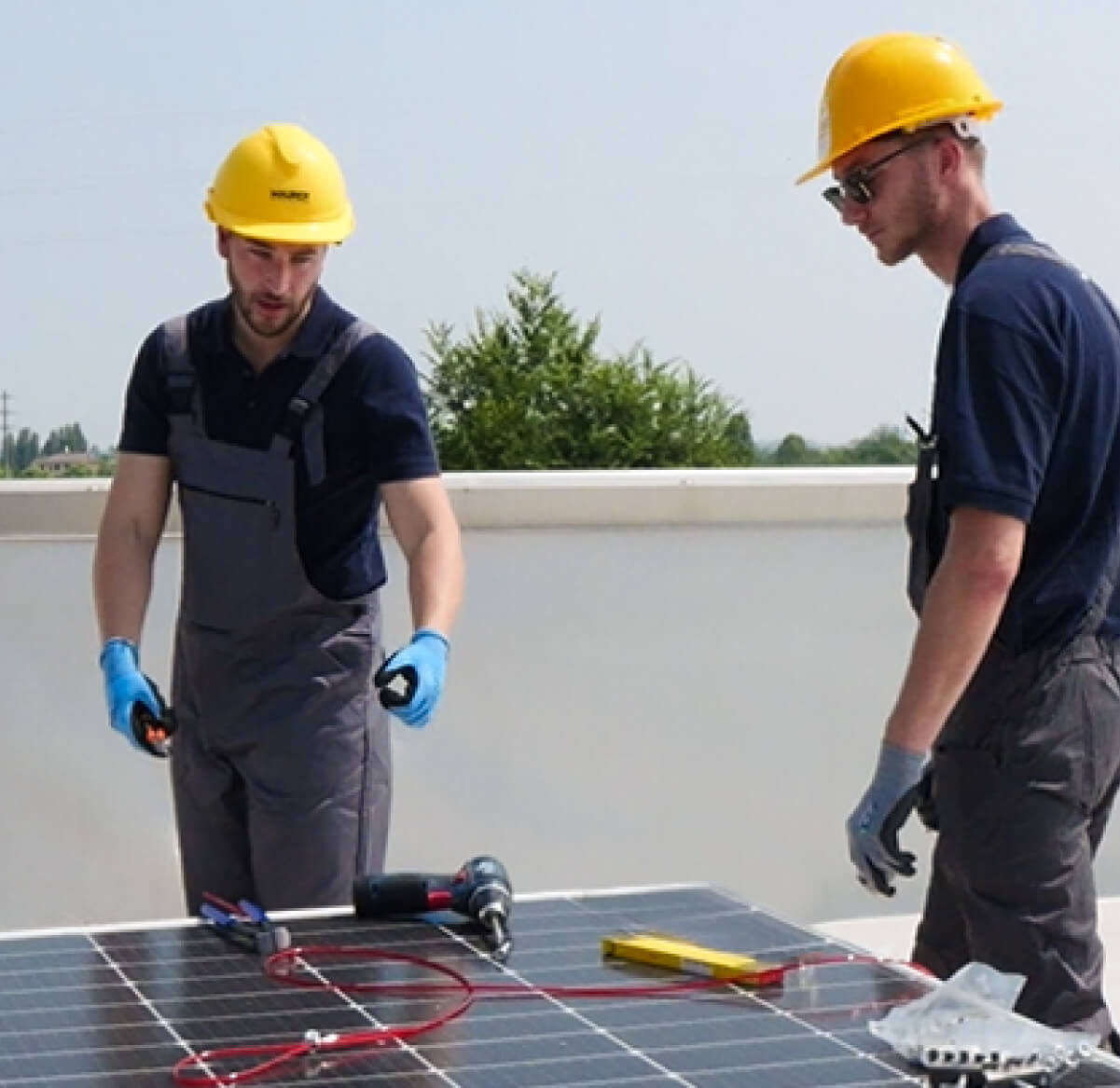
A well-designed solar ballast mount reduces installation time by limiting loose parts and
eliminating the drilling phase. No penetrations means you can work with greater confidence on
waterproof membranes and industrial roofing systems, while keeping the site cleaner and the
schedule tighter. Because the mounting concept is straightforward—position, align, secure—teams
can standardize their process across many rooftops, improving productivity. Another benefit is
risk control: fewer roof interventions typically translate into fewer callbacks. In a
competitive Italian market, being able to complete projects faster, with less complexity, can
directly improve margins. Ballasted solutions are also compatible with many flat-roof PV
layouts, helping you handle typical constraints like parapets, HVAC units, and service walkways.
And when technical assistance is available during design, installers spend less time
troubleshooting and more time completing installs that pass inspection smoothly.
Designed for professionals: dependable sizing,
wind-load checks, and project support
A solar ballast mount is not just a product; for B2B professionals
it’s a complete engineering-friendly approach to flat-roof solar. Accurate system sizing depends
on trustworthy data: wind exposure, building height, roof zones, and load distribution all
matter. With a ballasted structure, these variables can be evaluated with clear documentation,
tested configurations, and support that helps reduce design responsibility and uncertainty.
That’s especially valuable for engineering firms and technical offices that need defensible
calculations and stable solutions. Distributors also benefit from a recognizable system that’s
easier to explain and easier to move: a proven flat-roof mounting method with strong market
demand. If you’re looking to deliver PV projects in Italy that are faster to install, safer for
the roof, and backed by technical guidance from planning to execution, choosing the right solar
ballast mount can make the difference between a complicated job and a repeatable, high-quality
result.