Why Rooftop Solar Mounting Systems Matter on
Italian Flat Roofs
In Italy, flat roofs on industrial buildings and commercial
properties are ideal for PV—until the mounting approach slows the job down or creates
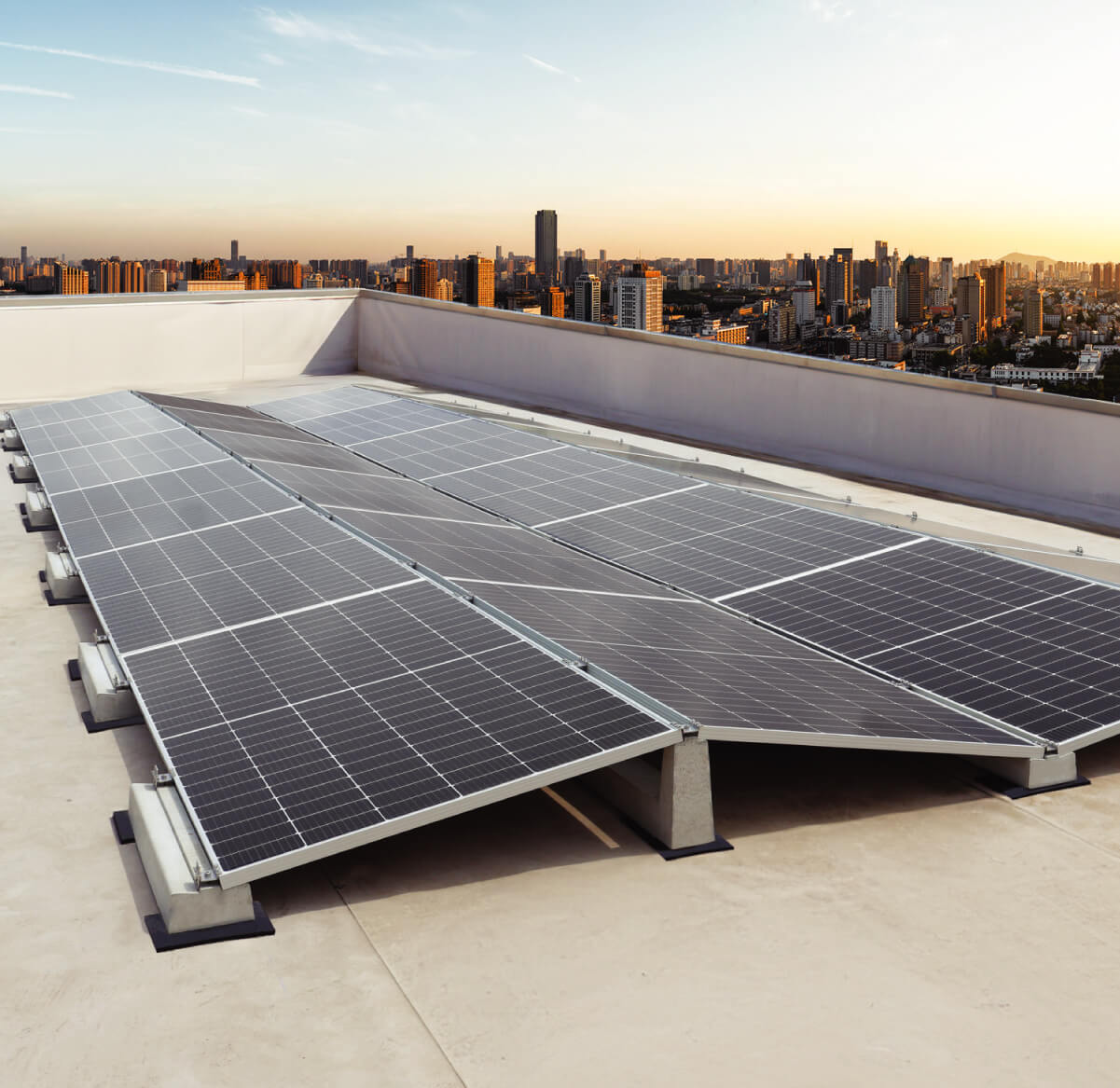
waterproofing risks. That’s why rooftop solar mounting systems designed for flat roofs can make
or break an installation. When you’re responsible for deadlines, safety, and long-term
performance, you need a solution that is stable, predictable, and quick to assemble. Ballasted
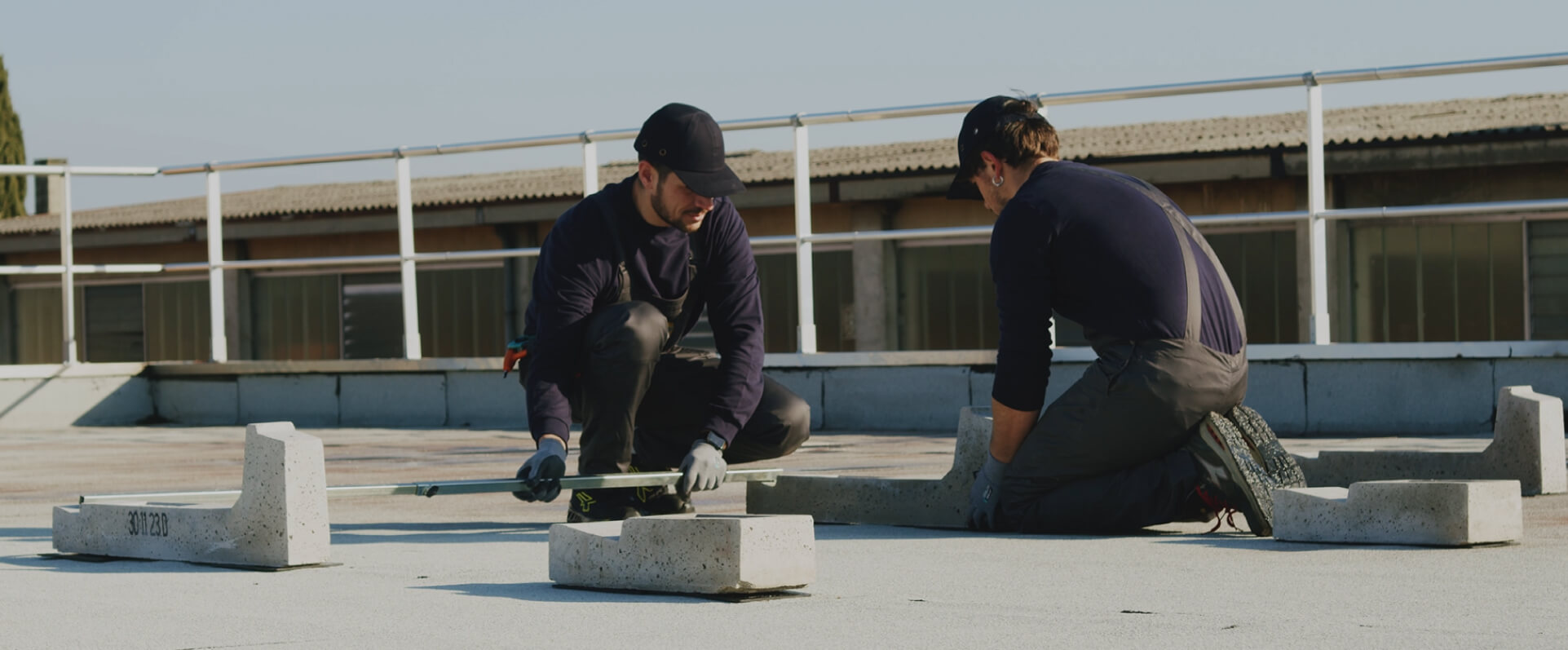
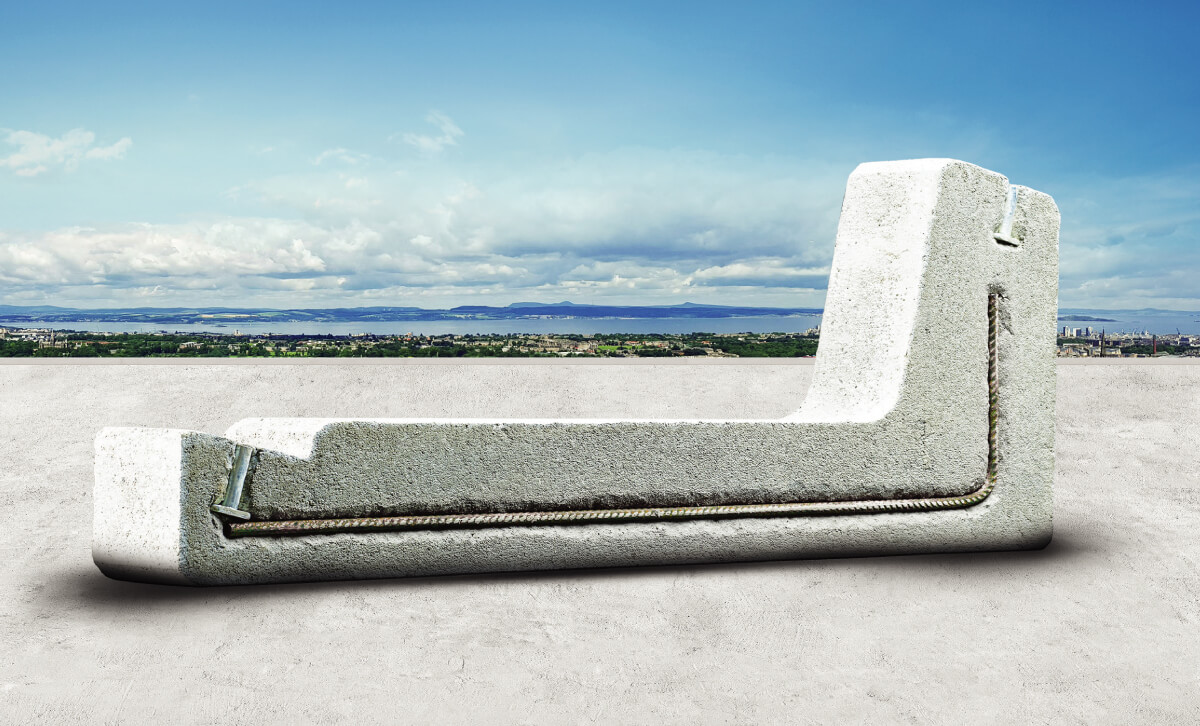
structures using concrete weights allow panel installation without drilling into the roof
membrane, reducing the chance of leaks and avoiding time-consuming sealing steps. Fewer
components and intuitive layouts help installers move faster on site, even when the roof is
large or access is limited. For designers and engineers, reliable load data and tested
configurations reduce uncertainty in wind uplift and distributed loads—two critical factors in
rooftop PV design across Italy’s varied climates. Distributors also benefit from a recognizable
solution that’s easy to explain: a complete flat-roof PV mounting concept that simplifies
logistics and supports repeatable results. If your goal is to install more systems with fewer
headaches, choosing the right rooftop solar mounting systems is not just a technical detail—it’s
a practical advantage that protects your team, your client, and the roof itself.
Ballasted, No-Penetration Solutions: Faster
Installs, Lower Risk
A major advantage of modern rooftop solar mounting systems for
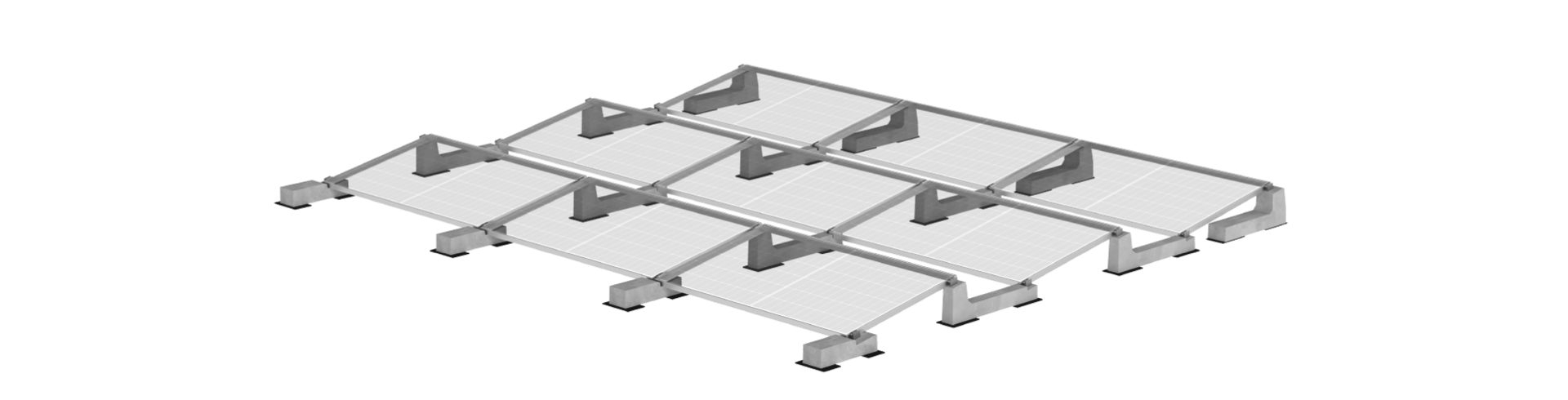
flat roofs is the ability to secure modules with ballast instead of roof fixings. Concrete
ballasts are engineered to provide stability while keeping the waterproof layer intact—no
penetrations, no anchor points, and fewer variables during installation. This approach can
reduce on-site complexity: fewer parts to handle, fewer tools, and fewer steps that depend on
perfect roof conditions. For installers, that often translates into shorter installation times
and smoother workflows, especially on large rooftops where repetition matters. For technical
professionals, pre-engineered layouts and verified performance help streamline calculations for
wind zones and roof load limits, supporting a safer, more defensible design. The result is a
mounting strategy that feels practical in the real world: quick positioning, clean cable
management options, and a structure built for long-term durability. When you combine speed with
roof protection, you’re not only delivering a PV system—you’re protecting the building asset and
reducing call-backs. That’s exactly what many Italian EPCs and installers look for when
selecting rooftop solar mounting systems: simplicity, reliability, and confidence from design to
execution.
Technical Partner Support: From Sizing to Site
Execution
Choosing rooftop solar mounting systems is easier when you’re not
left alone with sizing, layout decisions, and compliance documentation. A strong B2B solution
for the Italian market should include technical support during design, help with system
dimensioning, and commercial assistance that keeps projects moving from quotation to
installation. For engineers and design studios, this means having access to trustworthy inputs
for wind uplift verification, roof load distribution, and module arrangement—so you can sign off
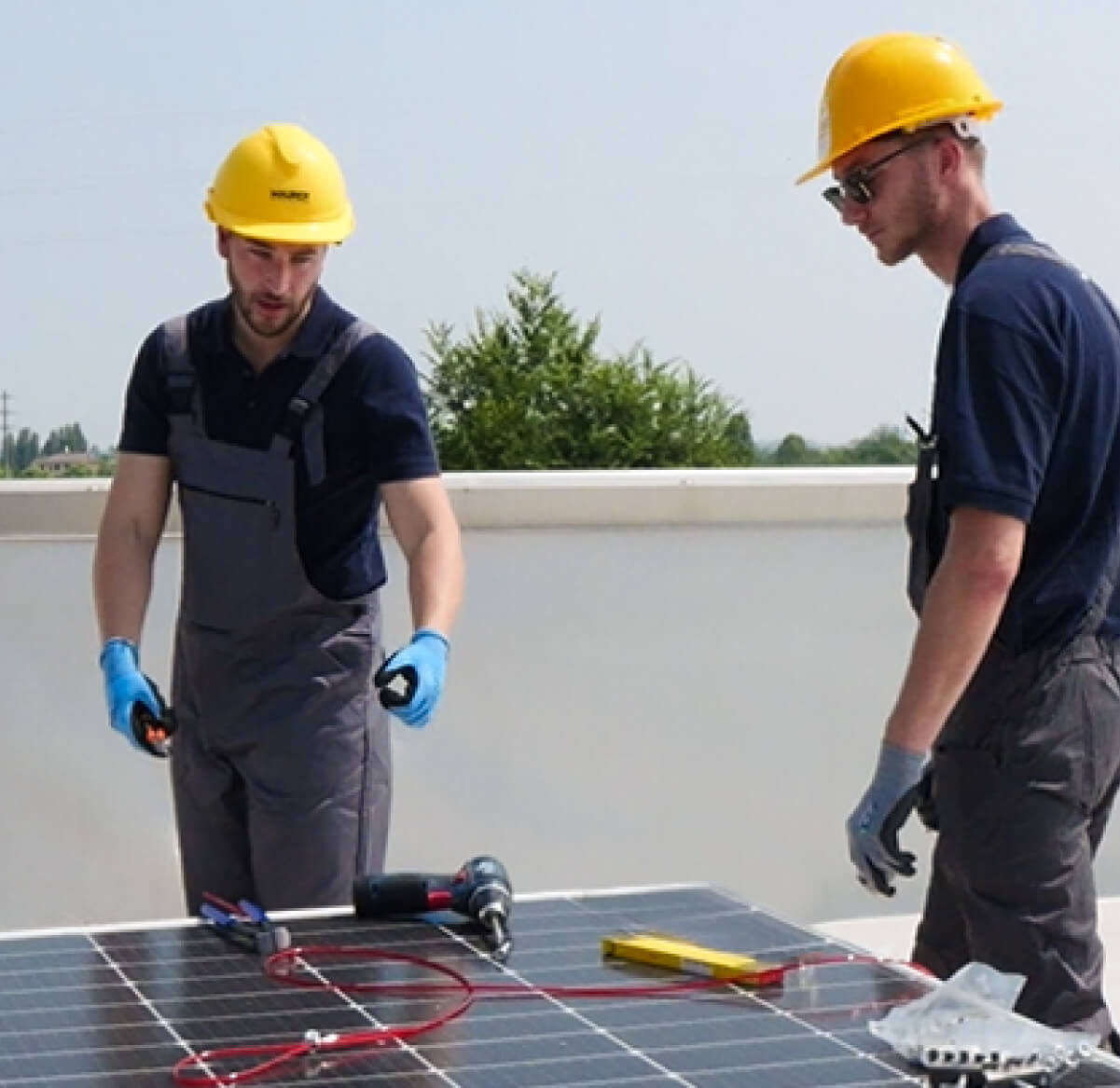
on projects with less risk. For installers, it means fewer surprises: clearer assembly logic,
standardized components, and guidance that reduces mistakes on site. For distributors and
wholesalers, it means a product that’s backed by expertise, making it easier to support
customers and build repeat demand. If your priority is to deliver flat-roof PV projects faster
while keeping roofs intact, look for rooftop solar mounting systems that are not just a product,
but a complete, tested solution—built around durability, installation simplicity, and ongoing
innovation tailored to real jobsite needs in Italy.