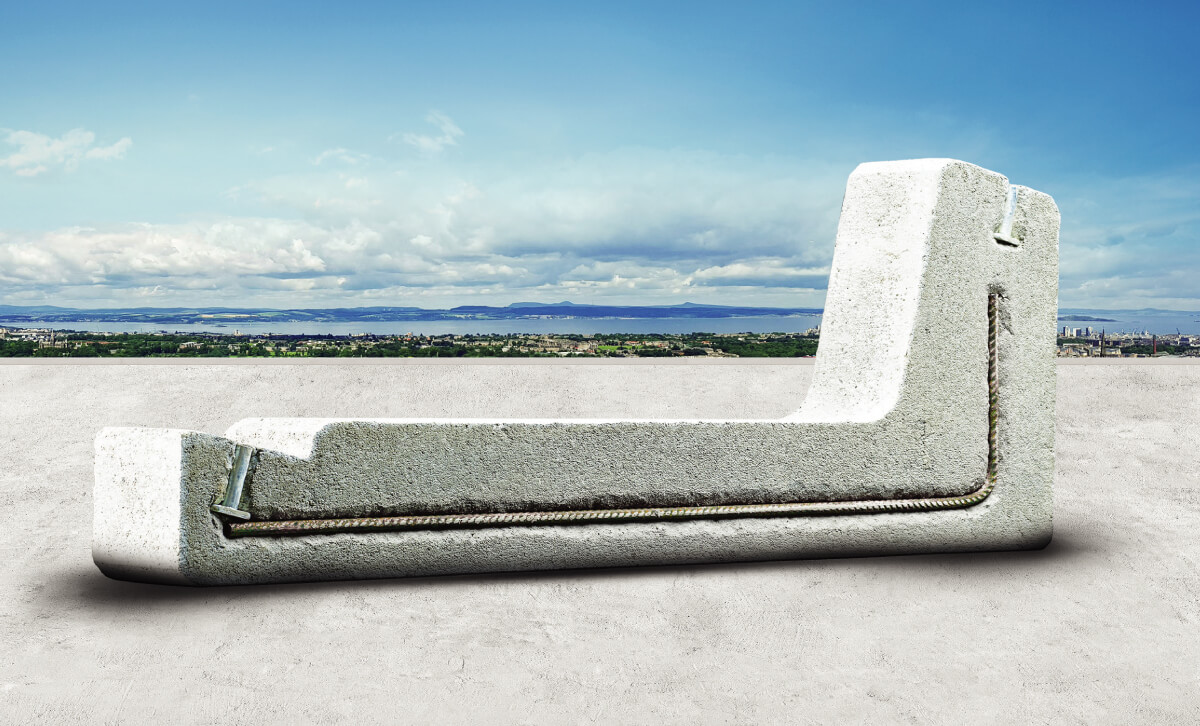
Why a Rooftop Solar Panel Mounting Structure
Matters on Italian Flat Roofs
Choosing the right rooftop solar panel mounting structure is one
of the biggest factors in determining how fast, safe, and profitable a flat-roof PV project will
be in Italy. Installers and designers know the pain points: complex assemblies, too many small
parts, and the constant worry of roof penetrations leading to water ingress. A ballast-based
approach changes the game by using engineered concrete weights to secure modules without
drilling into the waterproof membrane. That means fewer risks, cleaner sites, and quicker
handovers—especially on industrial roofs where downtime matters. For technical teams, a
well-designed rooftop solar panel mounting structure must also deliver predictable behaviour
under wind loads, comply with project requirements, and provide reliable data for system sizing.
From a commercial perspective, distributors benefit from a solution that is easy to explain,
easy to stock, and in steady demand. In short, the best flat-roof mounting solution is not just
“metal on a roof”: it’s a complete installation method that reduces uncertainty, speeds up
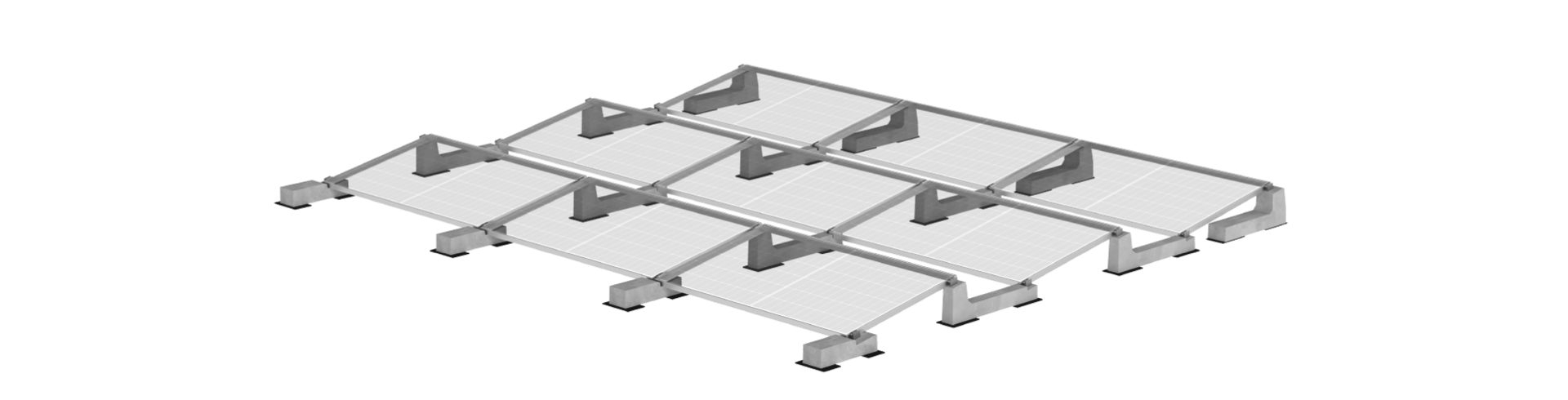
labour, and supports long-term durability. When the structure is engineered as a system—ballast
blocks, module supports, and practical layout options—you can standardise your workflow across
different rooftops and cut installation time without compromising performance.
Ballasted Mounting: Faster Installation, Fewer
Components, No Roof Drilling
A ballasted rooftop solar panel mounting structure is built to
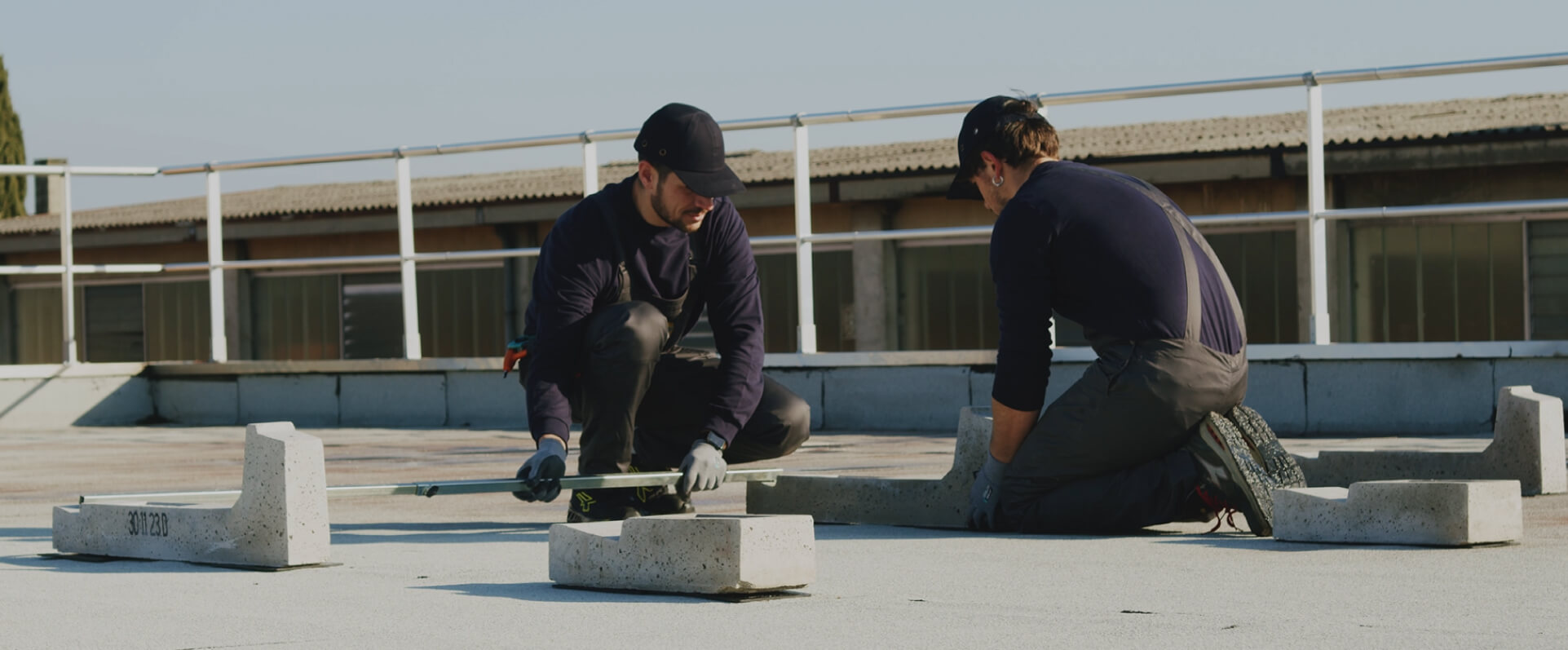
simplify the job on site. Instead of anchoring through the roof, concrete ballast secures the PV
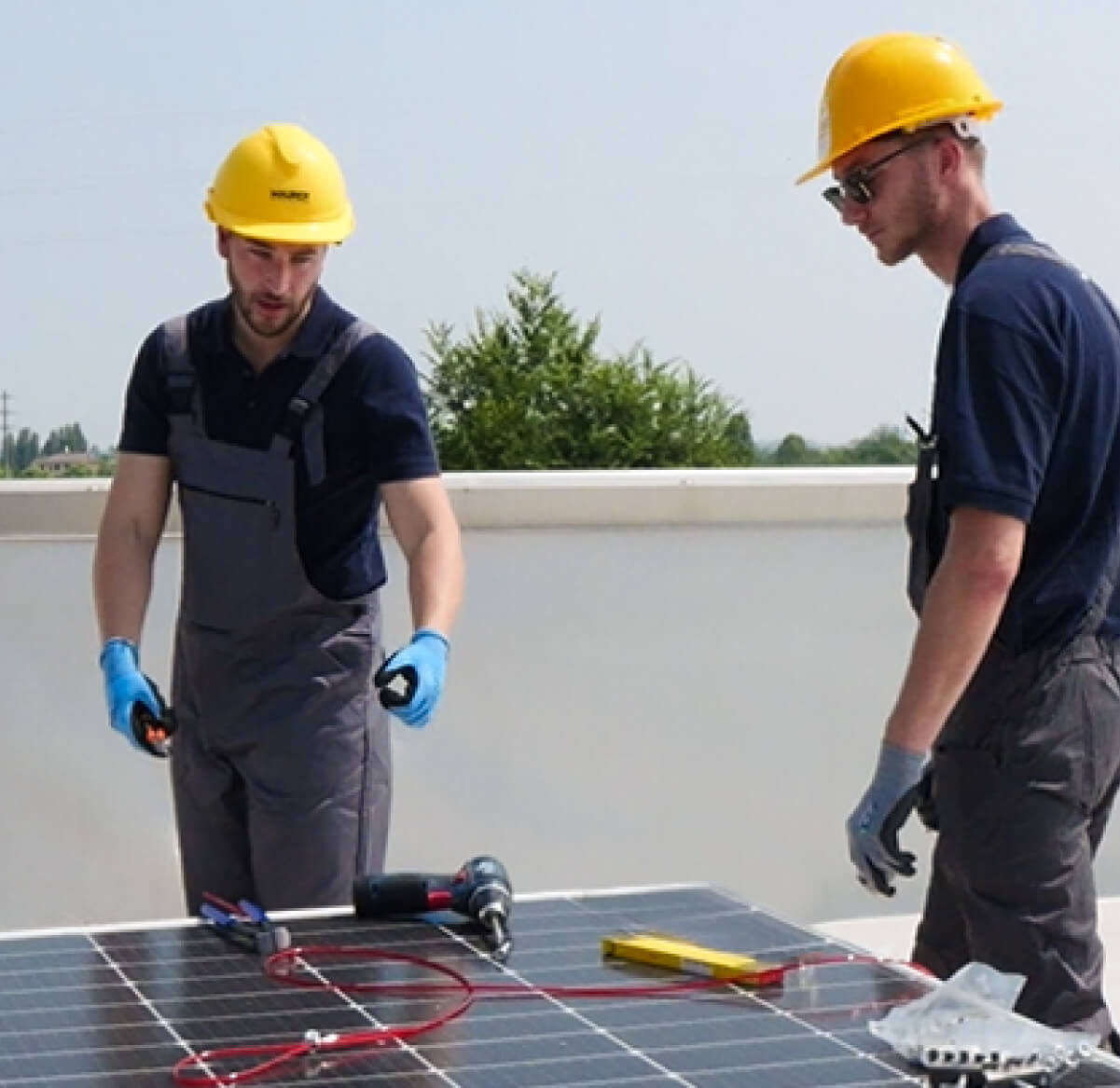
modules while protecting the membrane from unnecessary penetrations. For installers, this often
translates into fewer tools, fewer fixing operations, and less time spent on waterproofing
details. Because the mounting system is designed for speed and clarity, crews can follow an
intuitive sequence: place ballast, position supports, and install modules with consistent
alignment. This streamlined approach helps reduce mistakes and rework, two common hidden costs
in rooftop projects. For engineers and technical offices, the advantage is control: known
weights, defined geometries, and installation configurations that support accurate calculations.
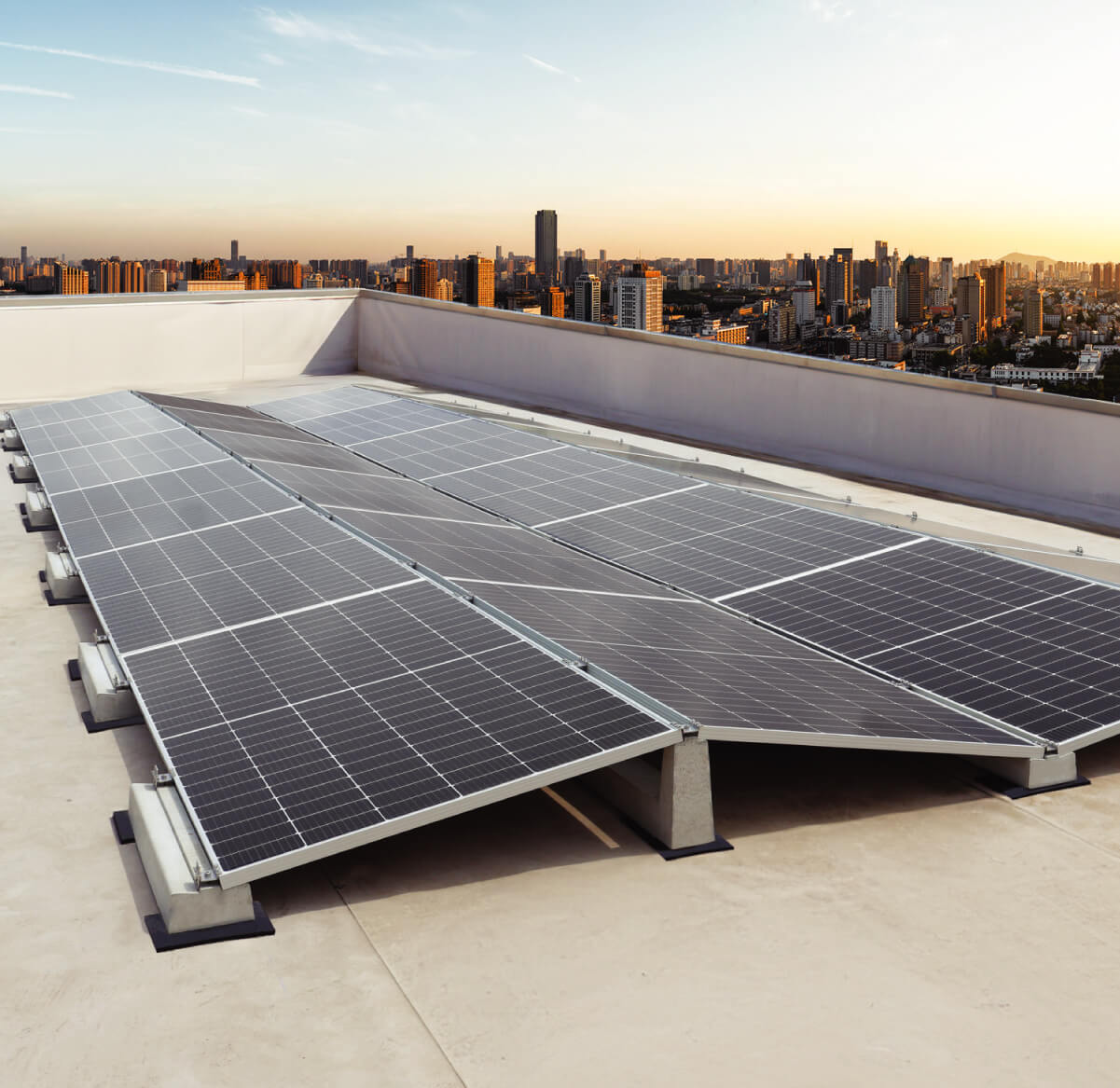
The result is a rooftop solar panel mounting structure that fits flat roofs commonly found on
warehouses, logistics hubs, and commercial buildings across Italy. With the right technical
assistance—layout guidance, sizing support, and documentation—you can move from preliminary
design to execution with fewer unknowns. Ultimately, the value is practical: faster installs,
reduced roof risk, and a mounting solution that feels like it was created by people who
understand what happens on real construction sites.
A Technical Partner Approach: Design Support
and Project Execution Confidence
In B2B photovoltaics, the difference between a supplier and a true
partner is the support you receive before the first component reaches the roof. A rooftop solar
panel mounting structure becomes much more effective when it is backed by technical guidance for
design, wind-load considerations, and system sizing. For installers, that support means fewer
delays and clearer decisions when site conditions vary. For designers, it reduces responsibility
risk by relying on tested, repeatable solutions and trustworthy inputs. And for distributors, it
strengthens the sales proposition: a mounting system that is not only reliable, but also
supported through the project lifecycle. The most persuasive benefit is peace of mind—knowing
the solution has been engineered for flat roofs, built for durability, and created to keep
installation simple. When you combine concrete ballasted supports with practical design
assistance and responsive commercial coordination, you get a rooftop solar panel mounting
structure that helps teams deliver projects faster and with fewer complications. If your goal is
to install more systems per month, minimise on-roof issues, and keep stakeholders confident from
design to commissioning, this is the kind of solution that supports growth in the Italian
market.