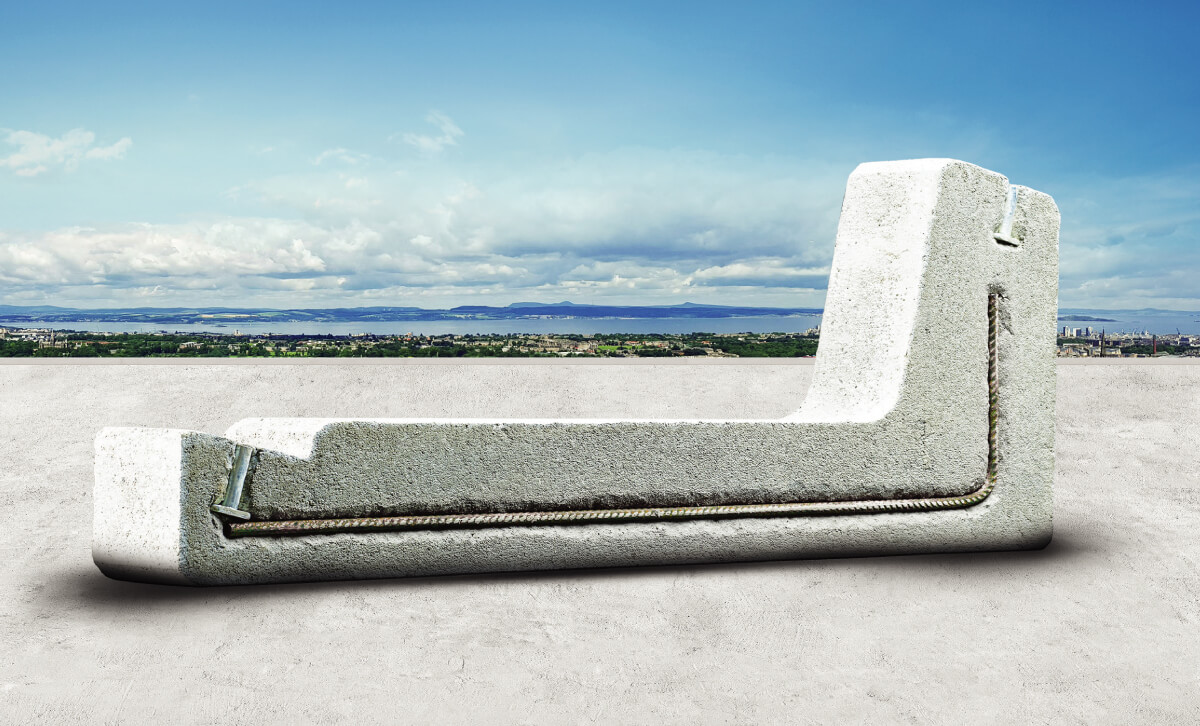
A Rooftop Mounting System Built for Flat Roofs
in Italy
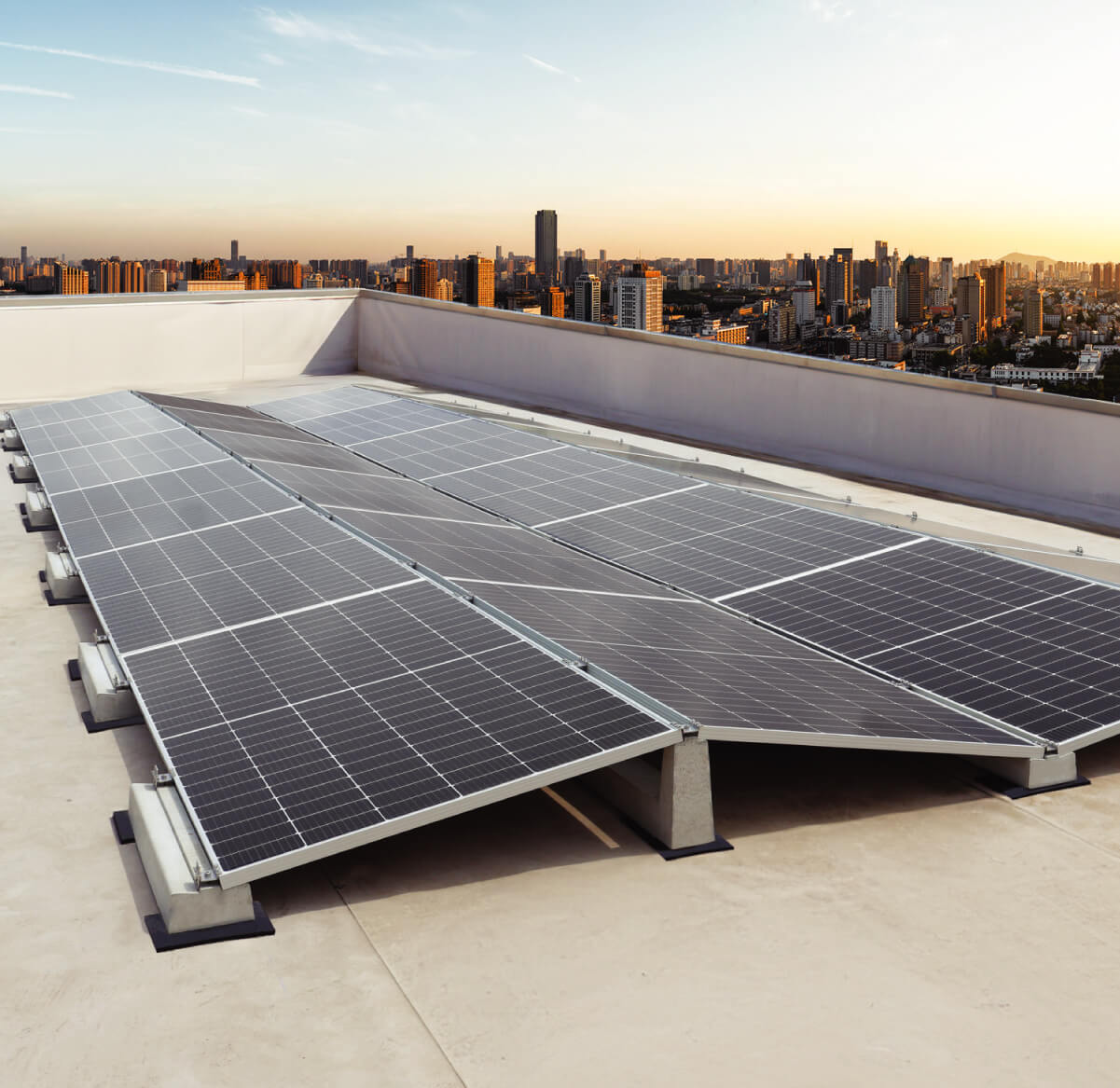
In the Italian PV market, flat roofs are everywhere—from
industrial warehouses to commercial buildings—and they demand a rooftop mounting system that is
fast, safe, and predictable on site. Traditional racking often means roof penetrations, extra
waterproofing steps, and more variables for installers and designers to manage. A ballasted,
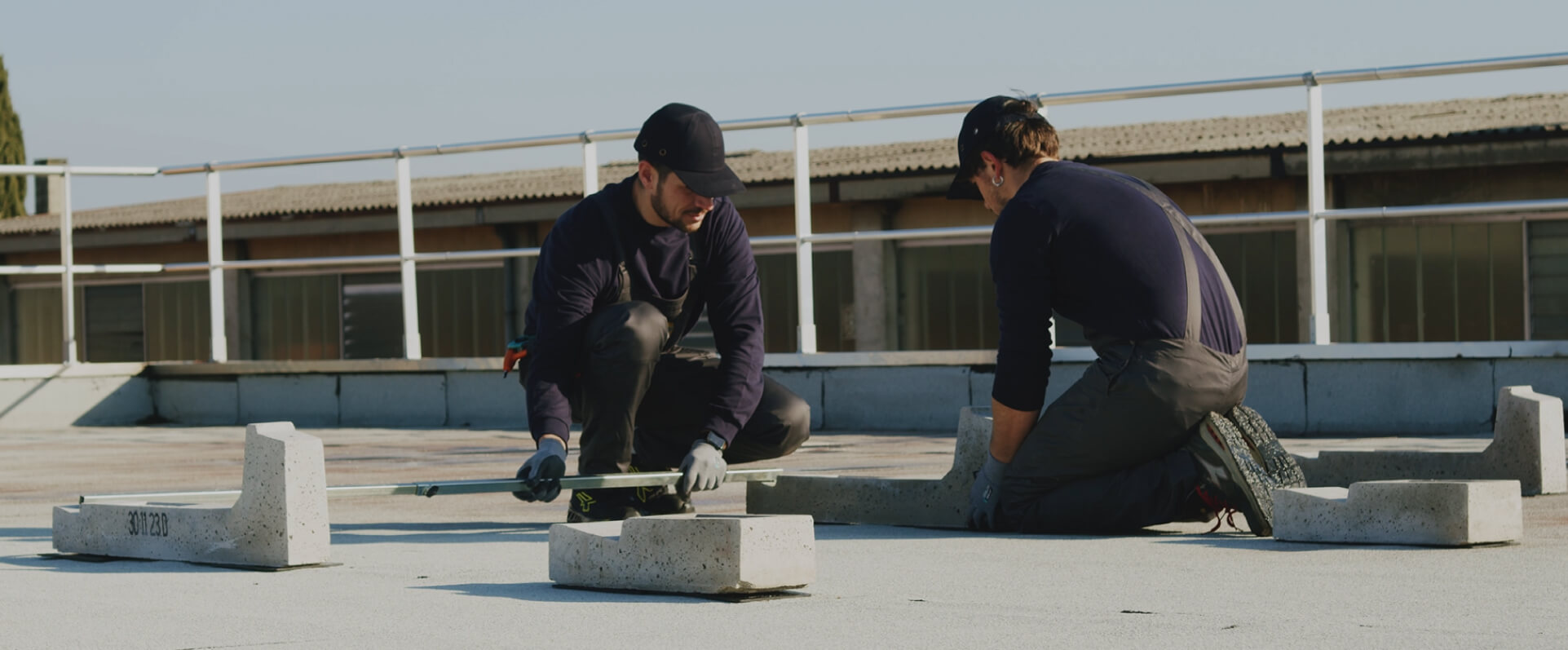
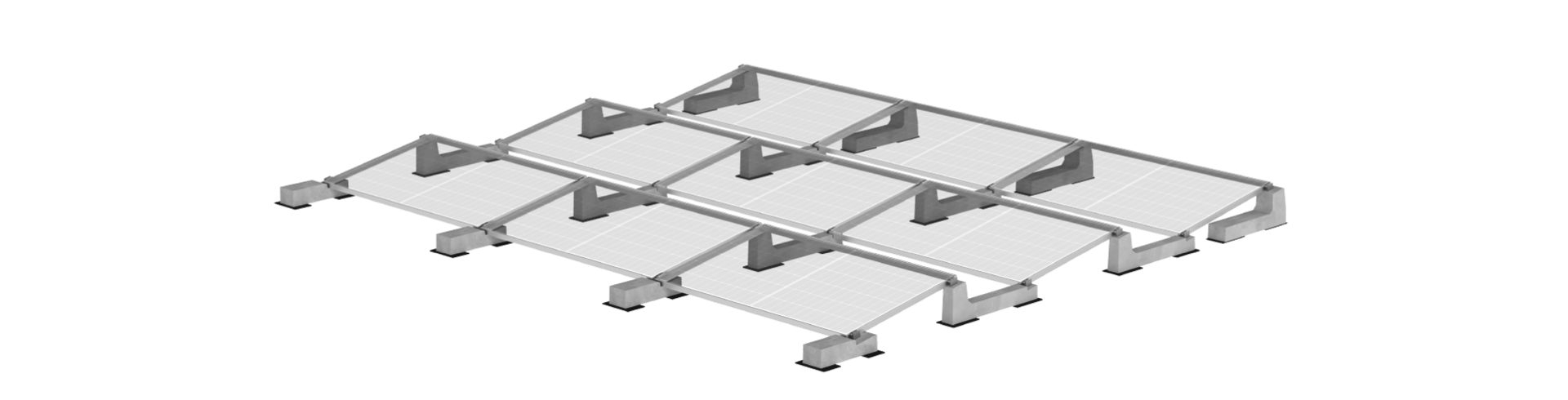
non-penetrating approach changes the game: panels are secured using engineered concrete weights,
allowing installation without drilling through the membrane. The result is fewer on-roof risks,
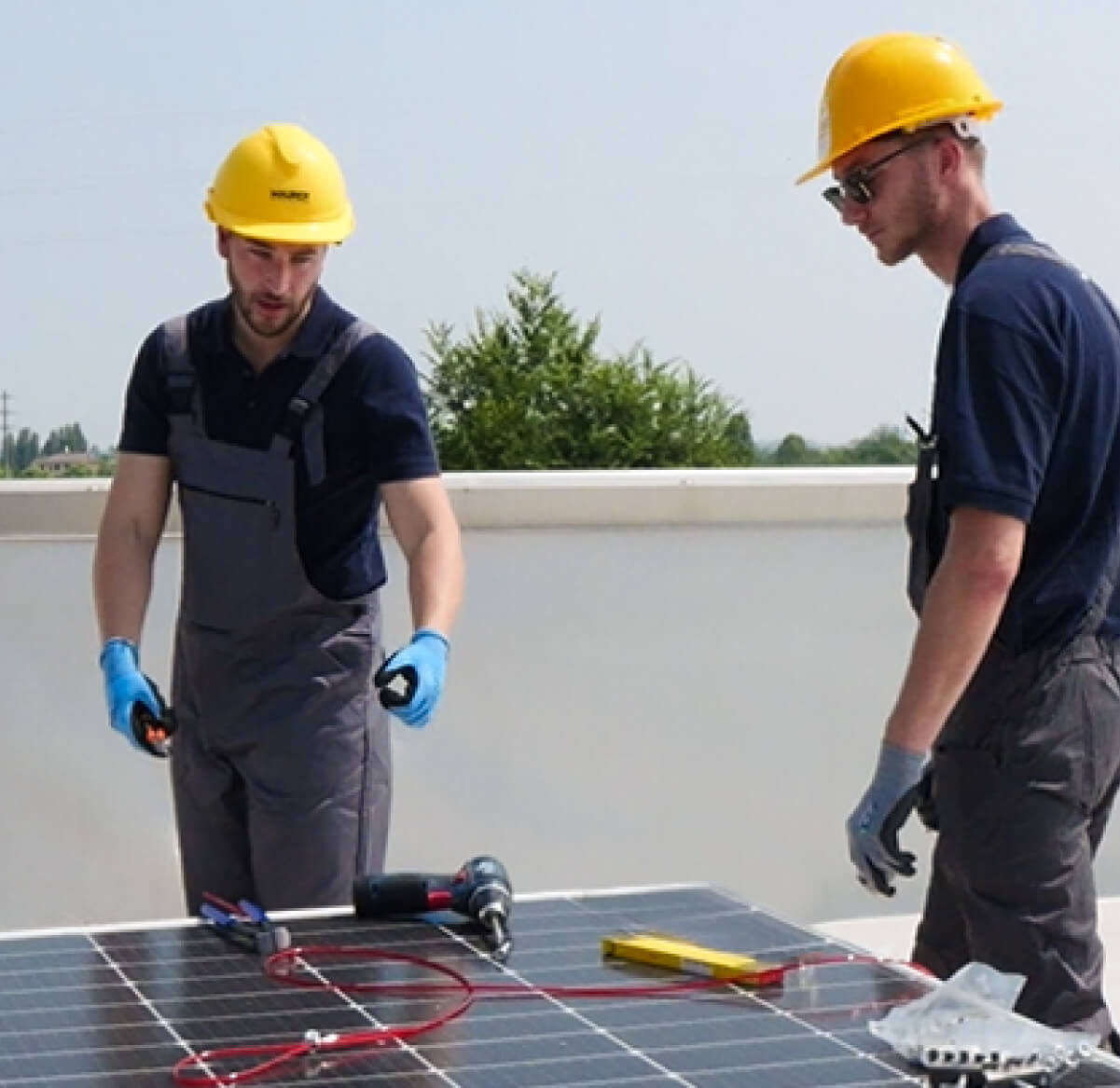
cleaner logistics, and a workflow crews can repeat project after project. For installers, that
translates into shorter mounting times, fewer components to handle, and fewer surprises when
conditions aren’t perfect. For engineers and technical offices, it means a solution designed
around real load cases—wind uplift, distributed loads, and system stability—supported by
reliable technical documentation and sizing guidance. For distributors, it’s a product category
with clear value: a flat-roof solar mounting solution that solves common objections before they
arise. If your priority is to deliver PV on flat roofs with less complexity, a ballasted rooftop
mounting system is a practical choice that keeps projects moving and protects the roof’s
integrity.
Why Non-Penetrating, Ballasted Mounting Speeds
Up Installation
Speed on site is rarely about rushing—it’s about removing
friction. A well-designed rooftop mounting system for flat roofs reduces friction by minimizing
steps: no drilling, no flashing, and no waiting for waterproofing cures. Crews can position the
supports, align module rows, and complete fastening with a straightforward sequence. Because the
ballast provides stability, you avoid many of the time-consuming checks associated with roof
anchors and their spacing. Fewer parts also means fewer chances of missing components, fewer
inventory headaches, and simpler training for new team members. This is especially valuable
across Italy, where installers often move between regions with different roof types and site
constraints. A ballasted solution can adapt to multiple layouts—portrait or landscape,
single-row or multi-row—while keeping the same basic method. Add technical support in the design
phase and you reduce rework: correct tilt selection, accurate spacing, and proper wind-load
assessment from the start. The outcome is a solar racking solution that helps installers
complete more jobs per month, with fewer callbacks and a cleaner handover.
A Technical Partner Approach: Design Support
and Reliable Sizing
Choosing a rooftop mounting system is not only about hardware—it’s
about confidence. Designers and project managers need dependable inputs for structural checks,
wind calculations, and layout optimization. Installers need a system that behaves as expected
when the weather changes and the roof surface isn’t perfectly uniform. A ballasted mounting
solution designed for flat roofs answers both needs by combining tested, durable components with
clear engineering logic. With the right technical support, you can size the system correctly for
site-specific wind zones, parapet conditions, and roof load limits—before materials arrive on
site. That reduces design liability, prevents costly last-minute changes, and supports smoother
approvals. For B2B stakeholders, the value is tangible: predictable installation times, reduced
roof penetration risk, and a solution that feels like a complete package rather than a pile of
parts. If you want to deliver flat-roof PV projects in Italy with reliability, simplicity, and
ongoing innovation, a ballasted rooftop mounting system is a strong foundation for professional
results.