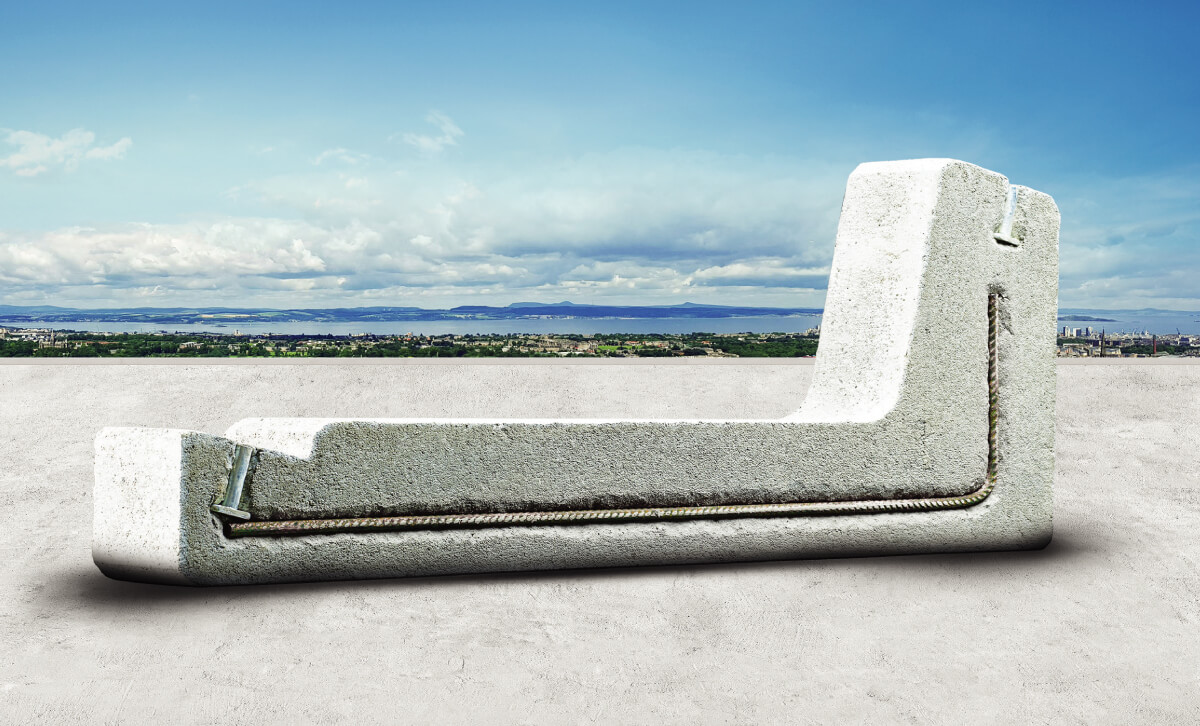
A smarter roof structure for solar panels on
Italian flat roofs
In Italy, flat roofs on industrial buildings, logistics hubs, and
commercial properties are perfect for PV—until the mounting design slows everything down. A
well-engineered roof structure for solar panels should do three things: protect the waterproof
membrane, simplify on-site work, and deliver predictable performance under wind and load
conditions. That’s why ballasted solutions are gaining ground: they allow panel installation
without penetrating the roof, reducing leakage risks and avoiding complex sealing details. For
installers, it means fewer components to handle, cleaner layouts, and faster positioning with
less room for error. For designers and engineers, it means a repeatable system with clear data
for sizing, wind uplift verification, and load distribution on the roof deck. And for
distributors, it’s an easy-to-explain value proposition: speed, safety, and reliability. When
the structure is designed as a complete solution—not just a collection of rails and brackets—you
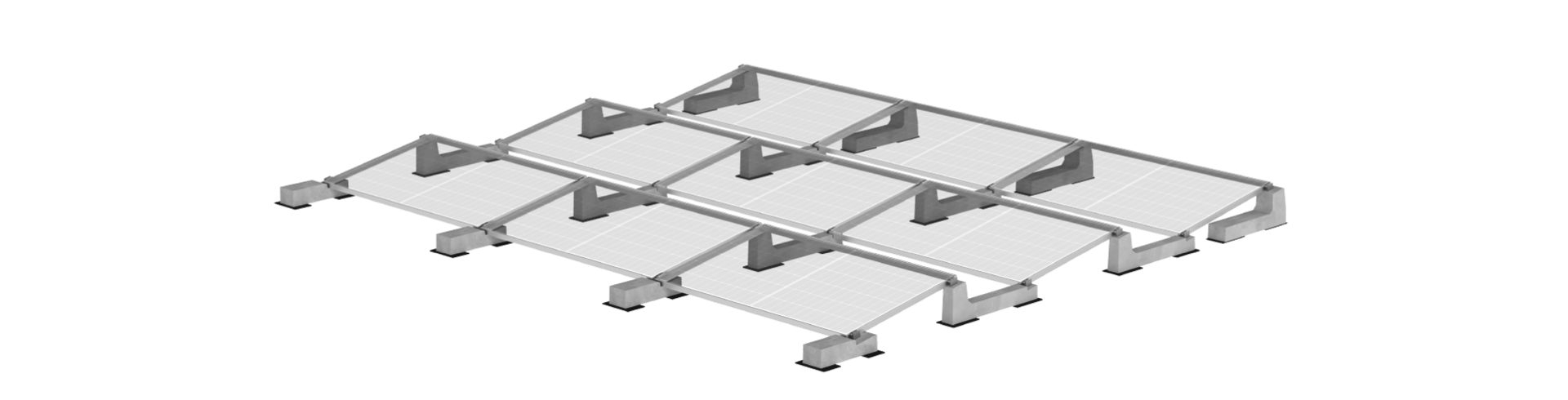
also gain practical benefits like optimized tilt angles, smarter row spacing to reduce shading,
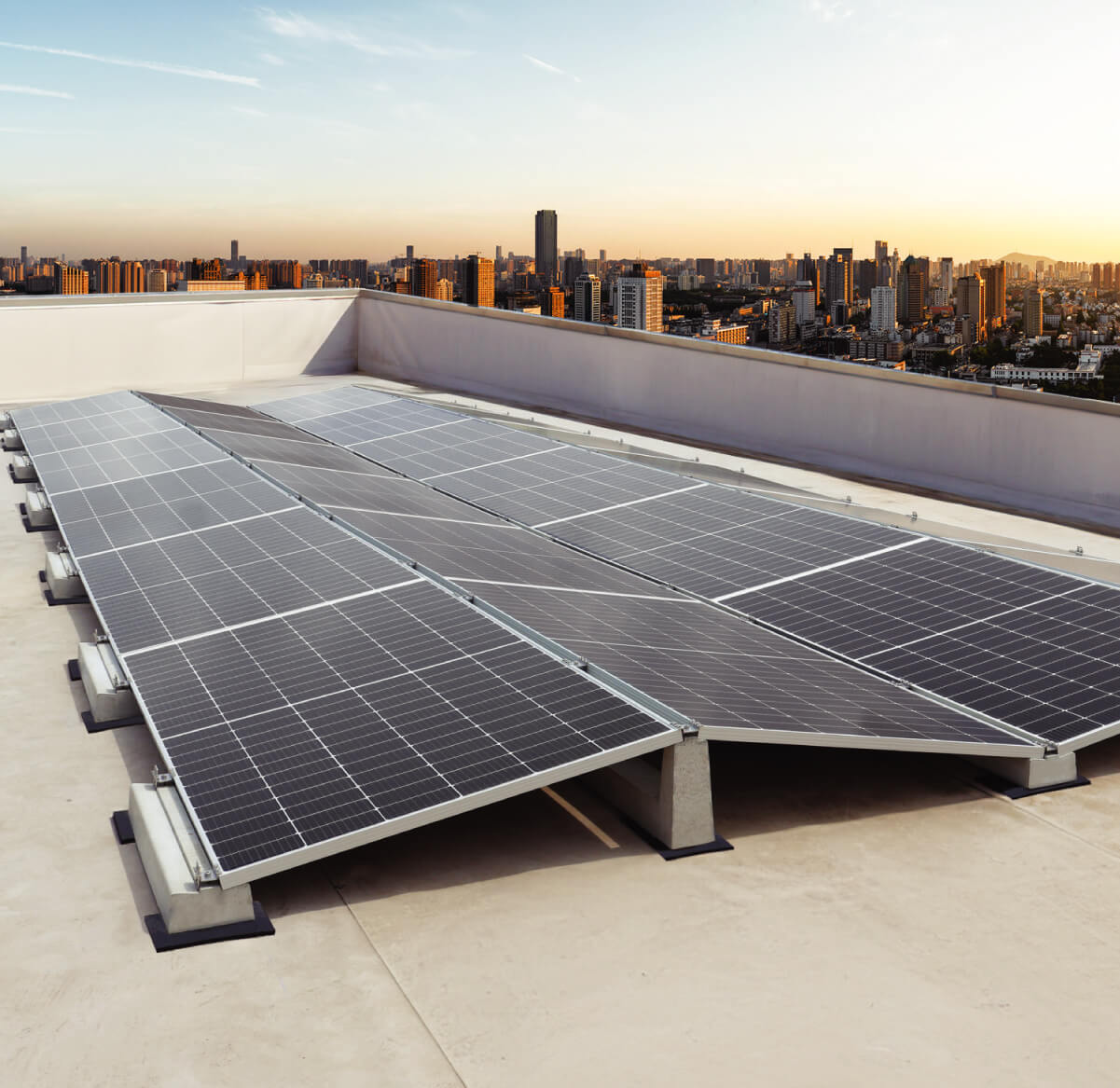
and smoother cable management. The result is a photovoltaic mounting system that helps you close
projects sooner, reduce on-site surprises, and meet the expectations of clients who want solar
on a flat roof without complications. If your next project demands speed without compromising
engineering confidence, the right support structure is the competitive advantage you can feel on
day one.
No roof drilling: fewer risks, faster
installation
Roof penetrations can be the biggest headache on flat-roof PV
jobs: they add time, require specialist detailing, and introduce long-term maintenance risk. A
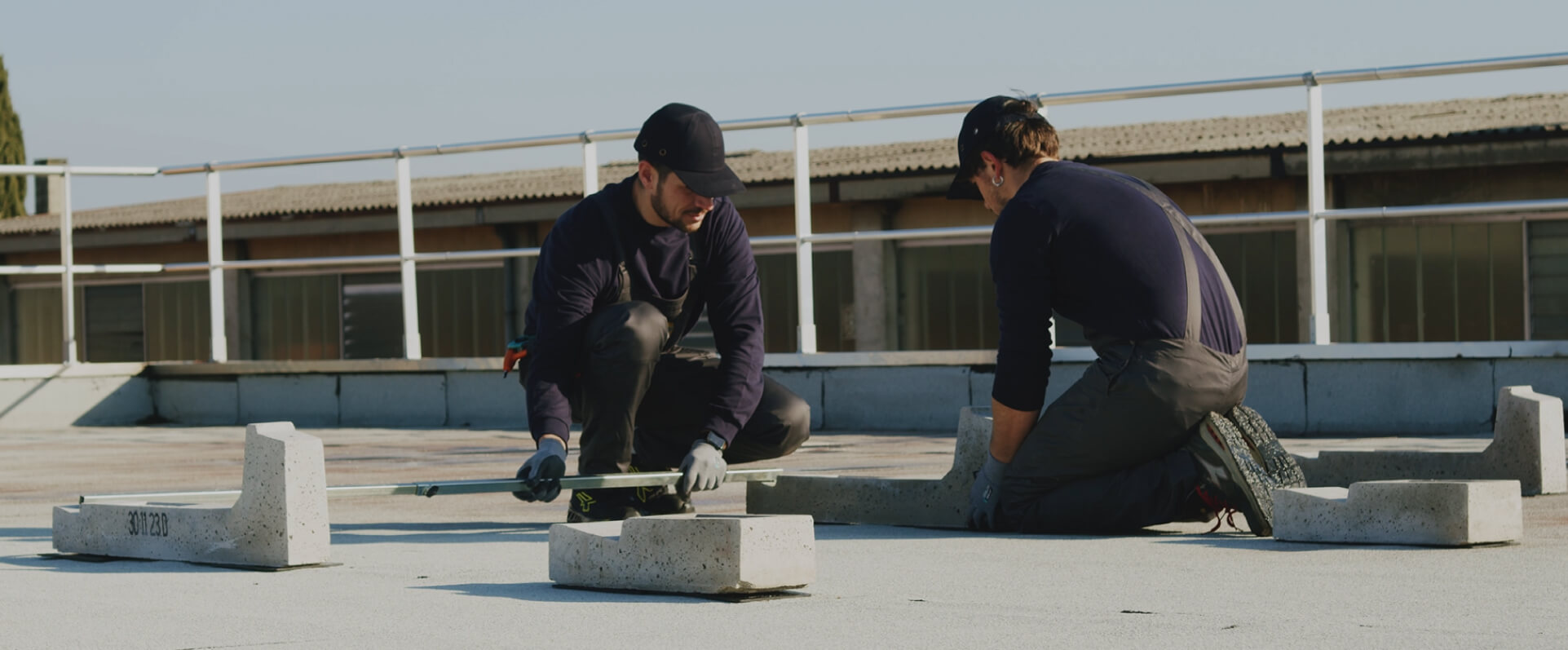
ballasted roof structure for solar panels uses concrete weights to keep modules stable, so you
can often avoid drilling the membrane altogether. That translates into a simpler bill of
materials, quicker crew training, and fewer installation steps on site. It also supports cleaner
planning: you can position arrays with practical constraints in mind—parapets, HVAC units,
skylights—without redesigning anchoring points. For the Italian market, where wind exposure can
vary significantly between coastal areas and inland industrial zones, a proper ballasted
approach paired with verified wind-load calculations and certified components helps you deliver
a compliant, dependable PV system. The key is choosing a solution that is designed for speed but
backed by technical documentation installers and engineers can trust.
Technical partnership for installers,
designers, and distributors
A high-performing roof structure for solar panels is not only
about hardware—it’s about support throughout the project. The most effective suppliers act like
technical partners: they help with preliminary design, plant sizing, layout optimization, and
engineering checks so the system you install matches the site conditions. That reduces
responsibility pressure on the design office and prevents costly last-minute changes in the
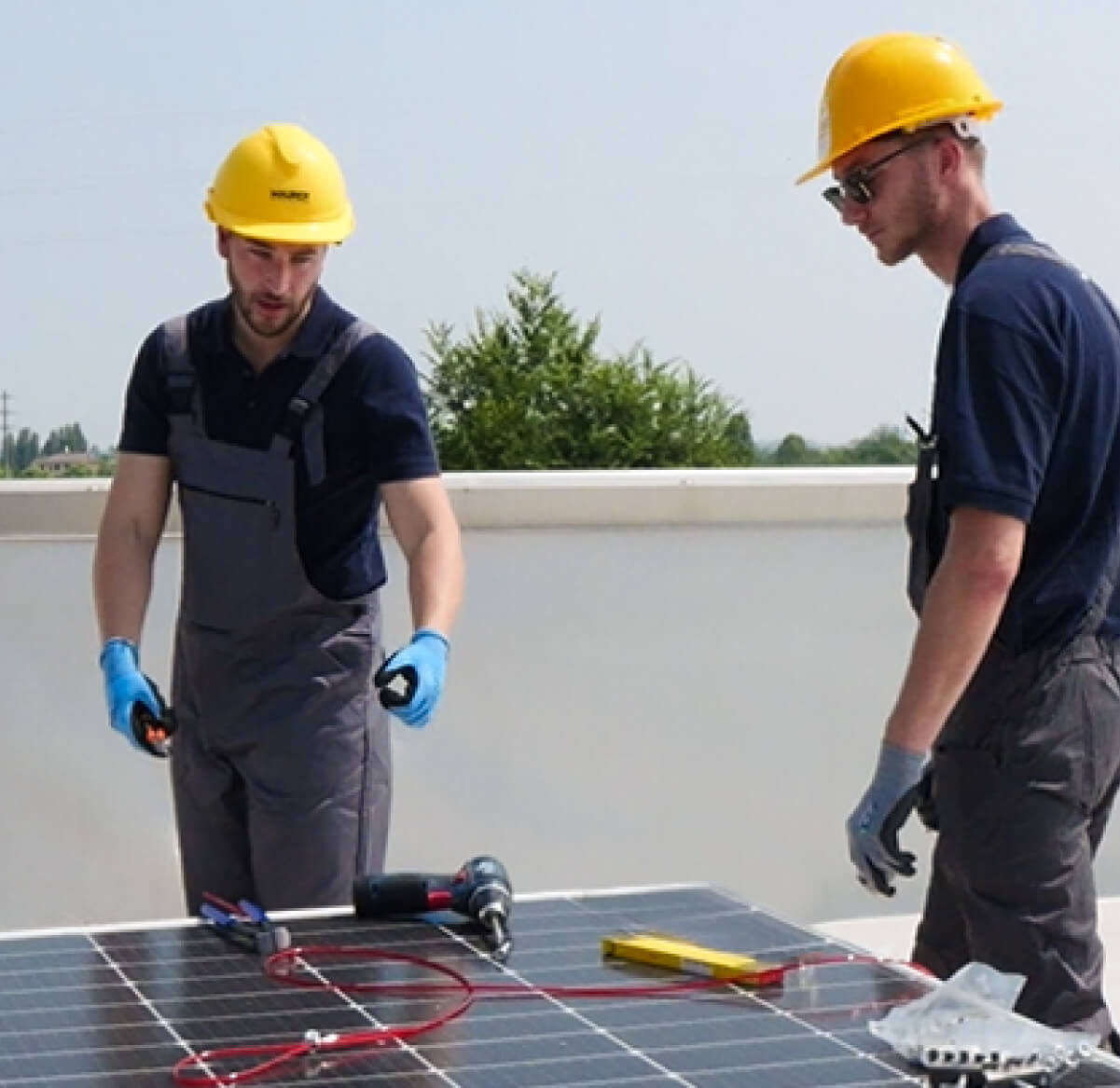
yard. For installers, it means smoother execution: intuitive assembly, fewer parts, and clear
guidance for safe handling and alignment. For distributors, it means a product that’s easy to
stock, easy to explain, and consistently in demand because it solves real on-site problems. If
you want a flat-roof solar mounting system that blends reliability, simplicity, and continuous
innovation, choose a ballasted solution built specifically for Italian rooftops—so every project
is faster to deliver and easier to defend technically.