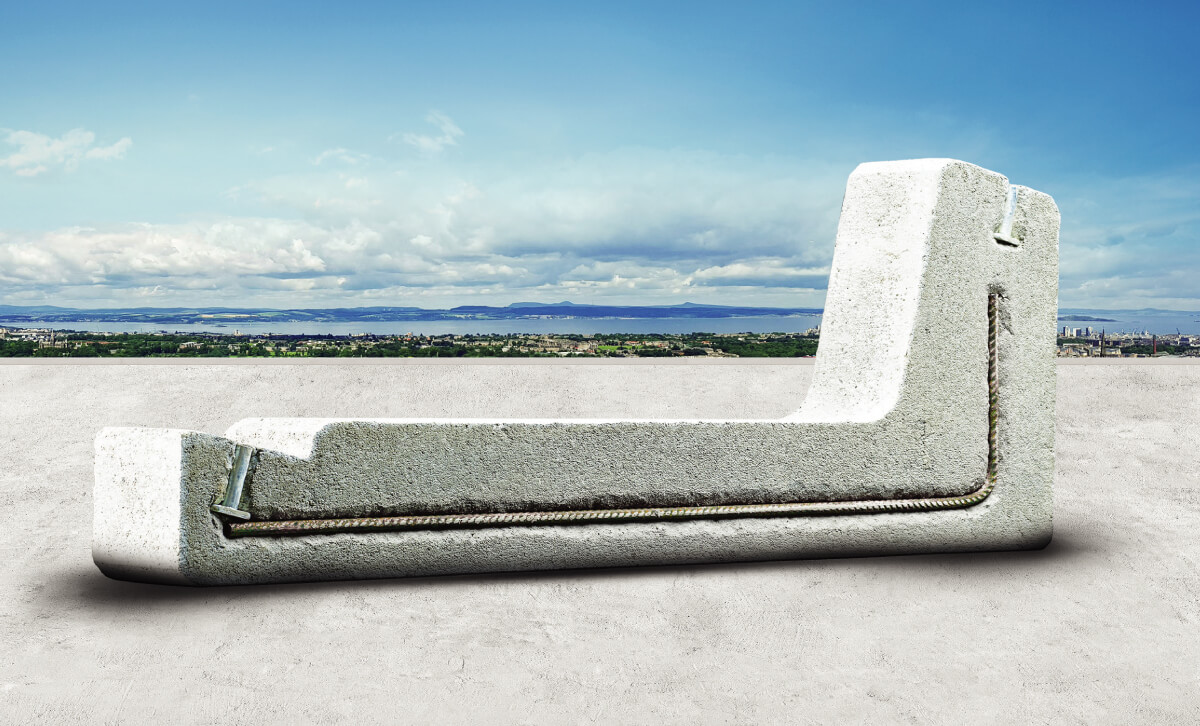
A Roof Solar System That Works With Flat Roof
Constraints
Installing a roof solar system on flat roofs in Italy often means
juggling tight timelines, waterproofing concerns, and strict structural checks. Traditional
anchored structures can introduce delays and risk: drilling the membrane may compromise the
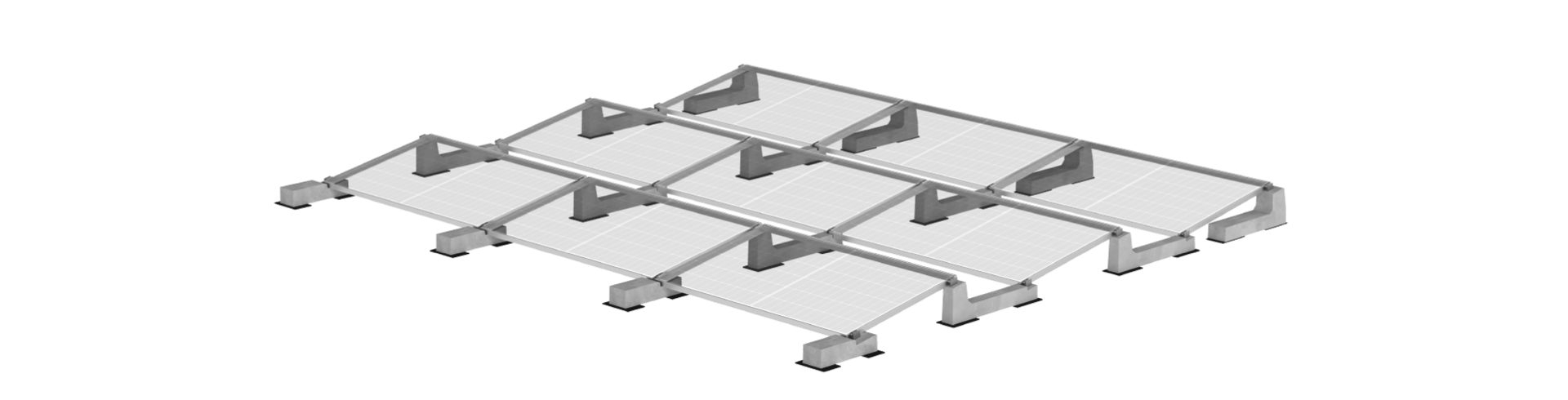
roof, add sealing steps, and increase uncertainty on site. A ballast-based approach changes the
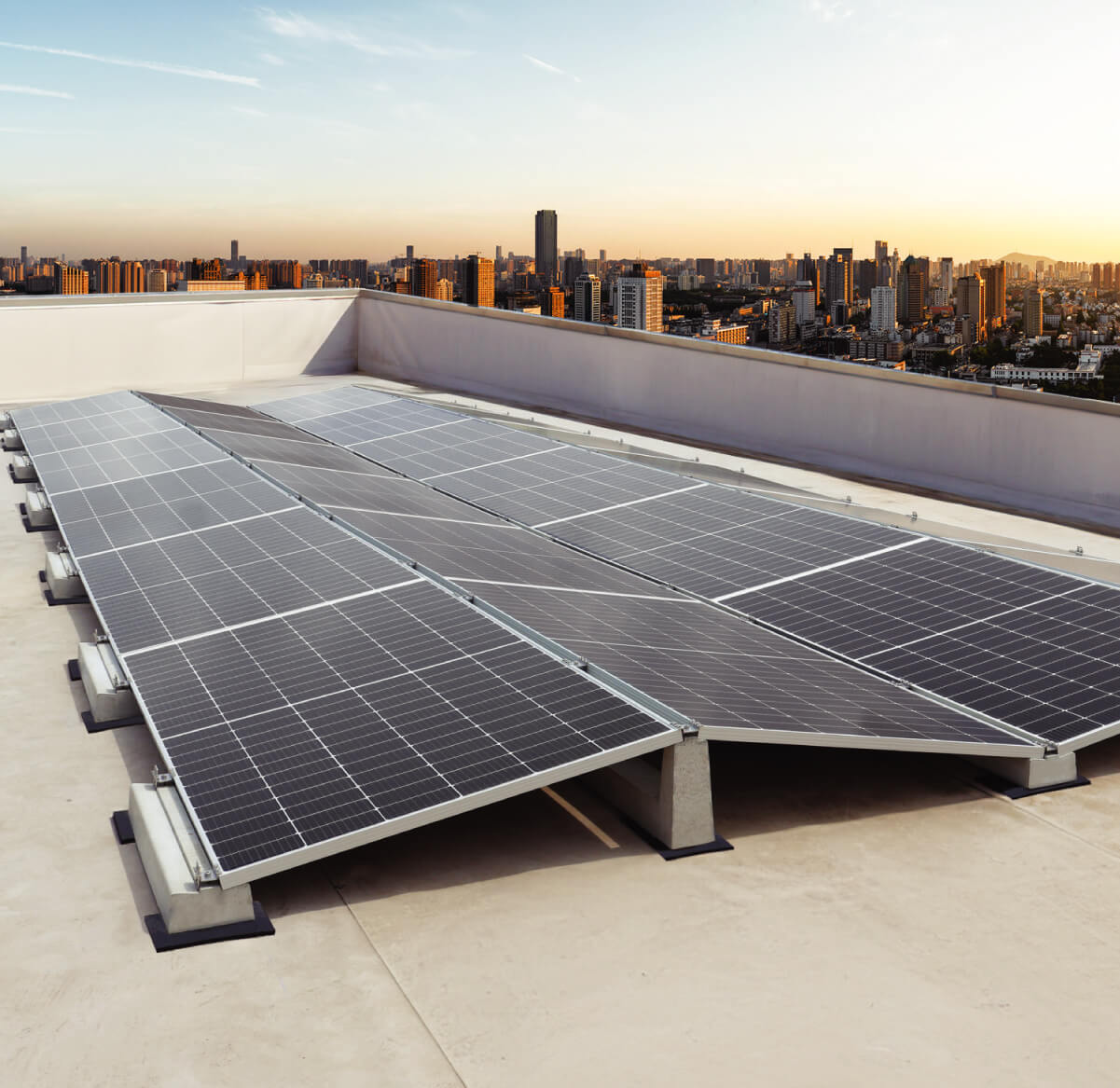
game. By using engineered concrete weights to secure photovoltaic modules, you can build a PV
mounting system that stays stable without penetrating the roof covering. For installers, this
translates into fewer components, cleaner logistics, and faster assembly—especially valuable
when you’re managing multiple commercial rooftops. For designers and engineers, the benefit is a
predictable solution with test-backed performance, clearer load paths, and easier integration
into wind and load calculations. And for distributors, it’s a product category that’s easy to
explain: a flat-roof solar mounting solution built for speed and reliability. If your priority
is reducing complexity while keeping installation quality high, a roof solar system designed
around ballast supports can help you deliver consistent results, even on challenging membranes,
aging roofs, or sites where drilling is simply not an option.
Speed on Site: Fewer Steps, Less Risk, More
Predictability
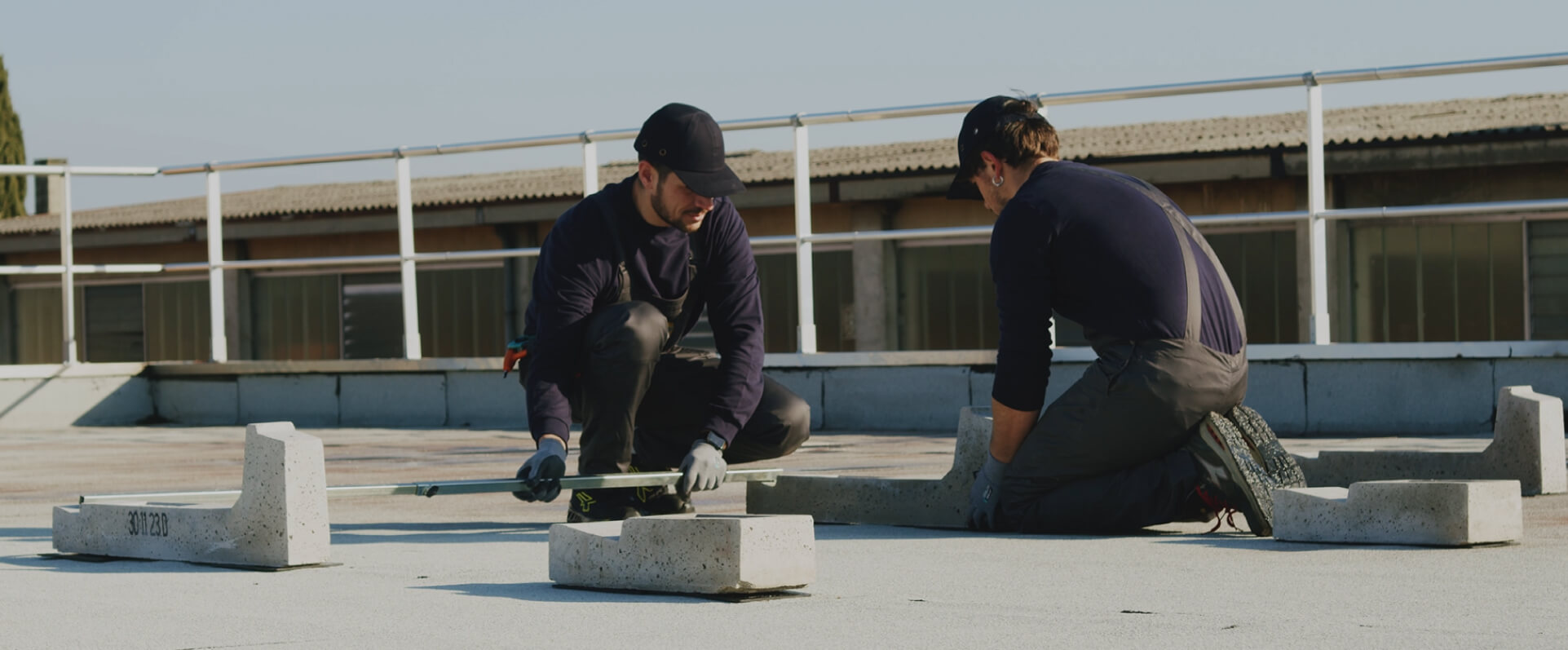
On a real jobsite, every extra step costs time. A well-designed
roof solar system for flat roofs focuses on installation efficiency: place the ballast supports,
set the module inclination, align rows, and connect—without waiting for roof works,
penetrations, or curing times. Because there’s no need to perforate the waterproof layer, you
also reduce the risk of leaks and the back-and-forth with the client about warranties. This is
particularly important for industrial buildings and logistics hubs across Italy, where downtime
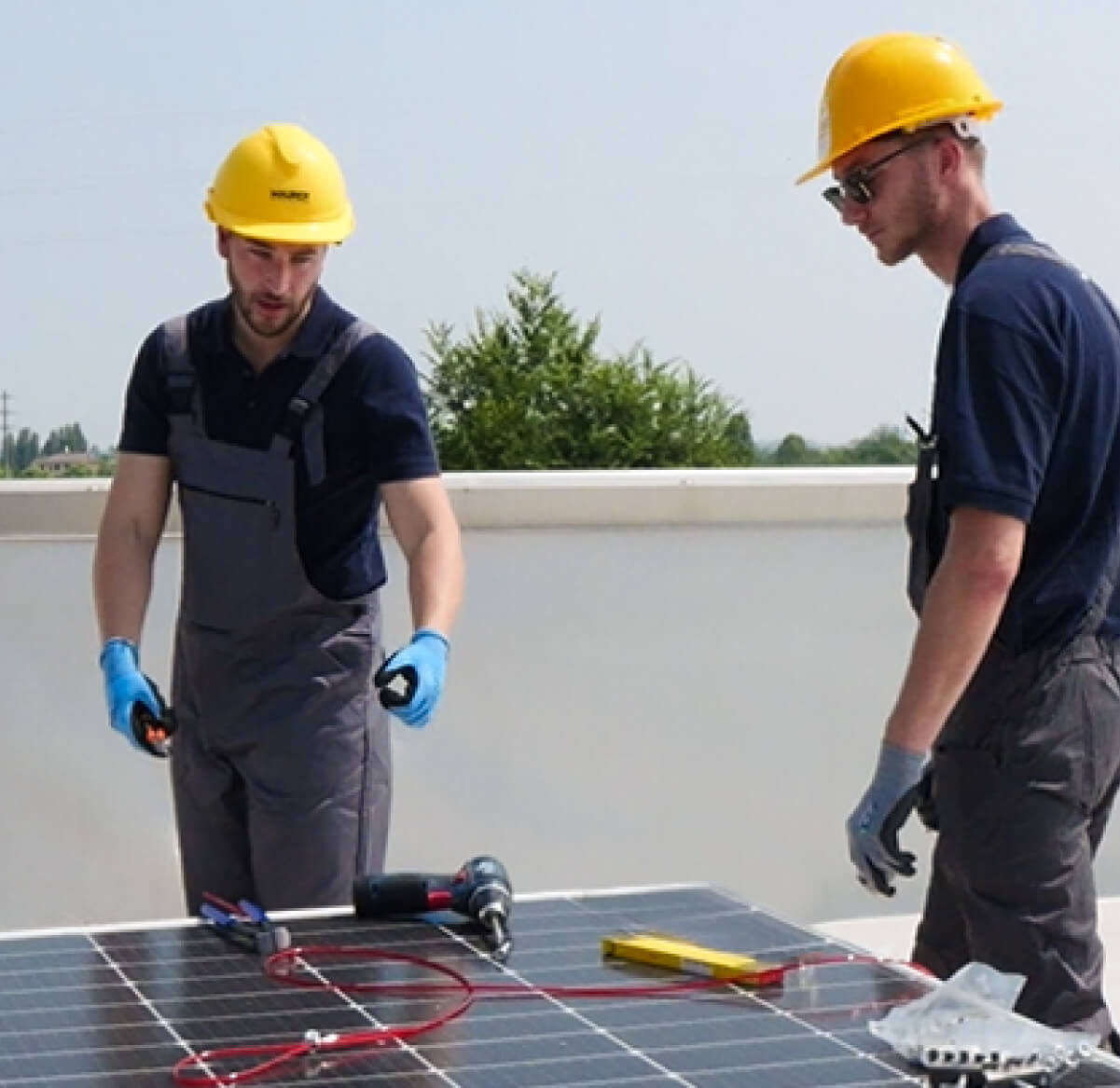
and liability are major concerns. A ballast PV system also helps standardise operations: crews
learn one method, repeat it across projects, and cut the likelihood of mistakes. Technical
support during design can further improve predictability, providing guidance for layout, row
spacing, wind exposure, and system sizing. The result is a roof solar system that supports both
productivity and peace of mind—helping installers complete more projects per month and helping
engineers deliver compliant designs with confidence.
A Complete Flat-Roof PV Solution for
Installers, Designers, and Distributors
Choosing a roof solar system isn’t just about hardware; it’s about
getting a solution that helps you deliver from proposal to commissioning. For B2B professionals,
the best approach combines robust components with project support: preliminary design
assistance, reliable data for dimensioning, and responsive commercial coordination. Ballasted
concrete supports are built to be durable, stable, and intuitive, making them ideal for
photovoltaic installations on flat roofs where simplicity matters. They can also streamline
procurement because the system is recognisable, consistent, and easy to specify. If you’re an
installer, you’ll appreciate how a no-drill solar mounting system can reduce site complications
and accelerate handover. If you’re a designer, you’ll value having a partner mindset—someone who
supports the project through execution, not just a catalogue. And if you’re a distributor,
you’ll benefit from a dependable, in-demand flat-roof solution that meets market expectations.
For Italy’s growing solar sector, a roof solar system based on ballasted mounting is a practical
way to build faster, safer, and more efficient rooftop PV projects.