Faster flat-roof PV starts with the right roof
solar mounting systems
In Italy’s commercial and industrial PV market, speed and
reliability on site are everything. Choosing the right roof solar mounting systems can be the
difference between a smooth installation and days lost to adjustments, missing parts, or
roof-related concerns. For flat roofs in particular, installers and designers often face the
same challenge: how to secure photovoltaic modules without compromising the waterproof membrane.
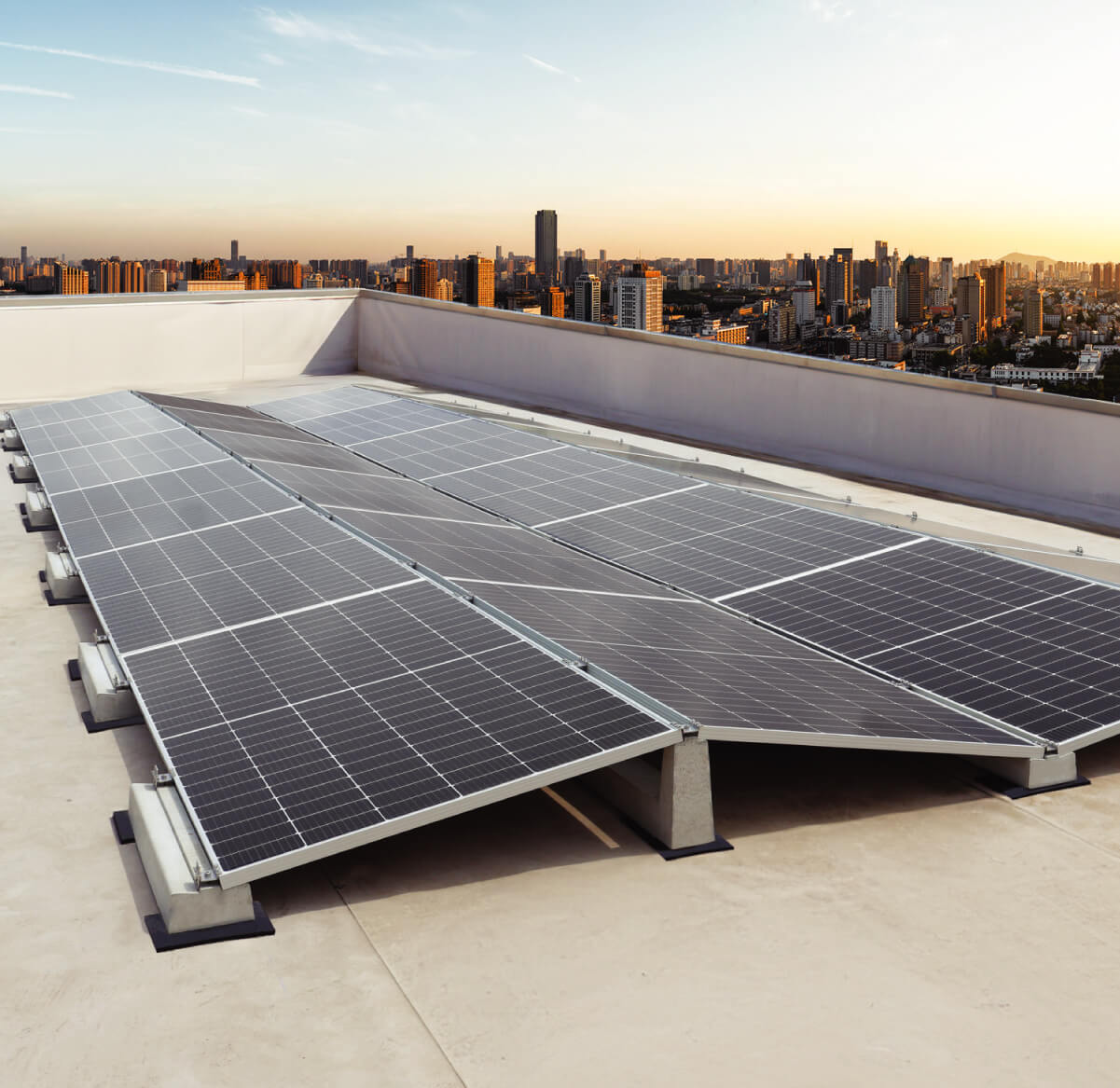
Ballasted solar mounting solutions answer that need by keeping the roof intact while delivering
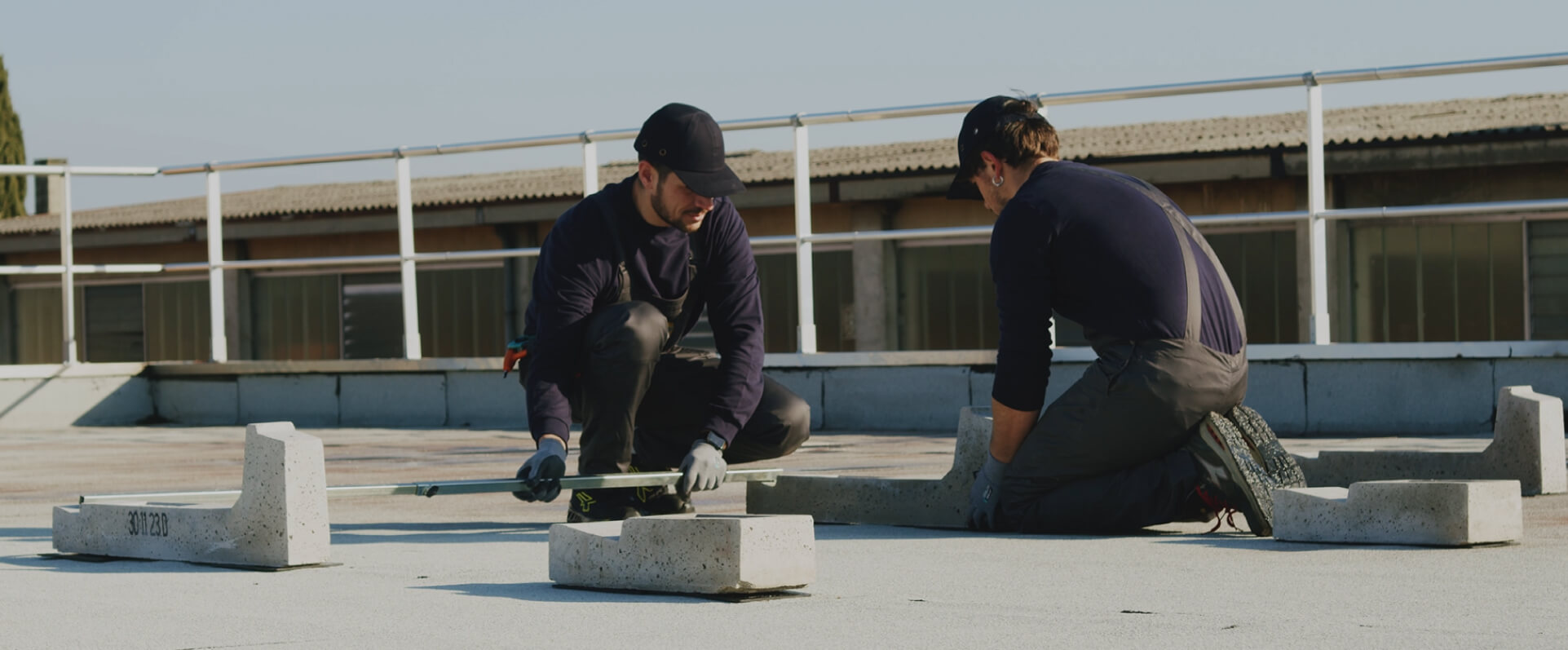
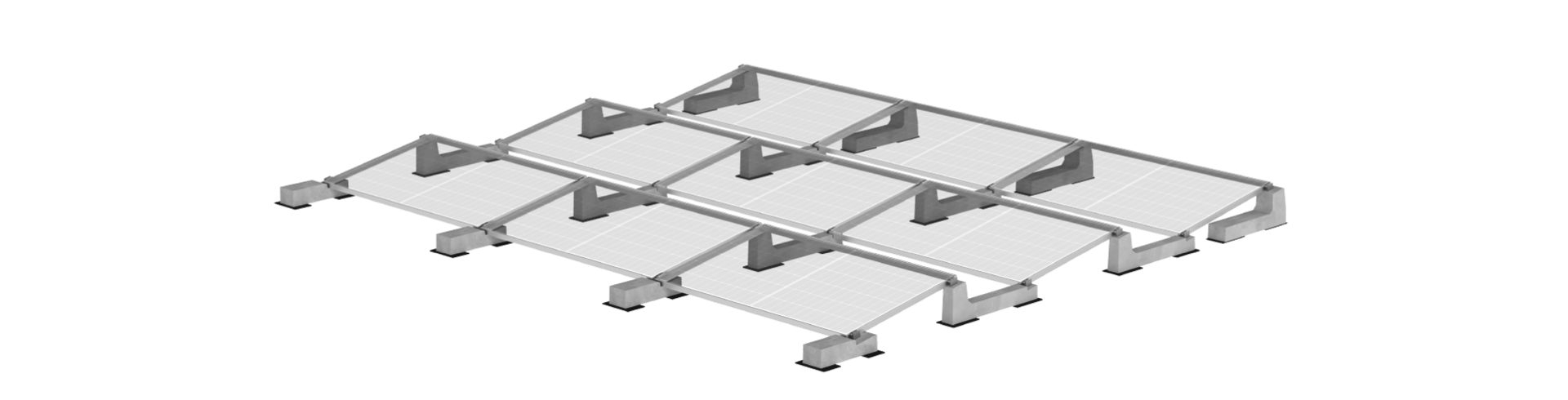
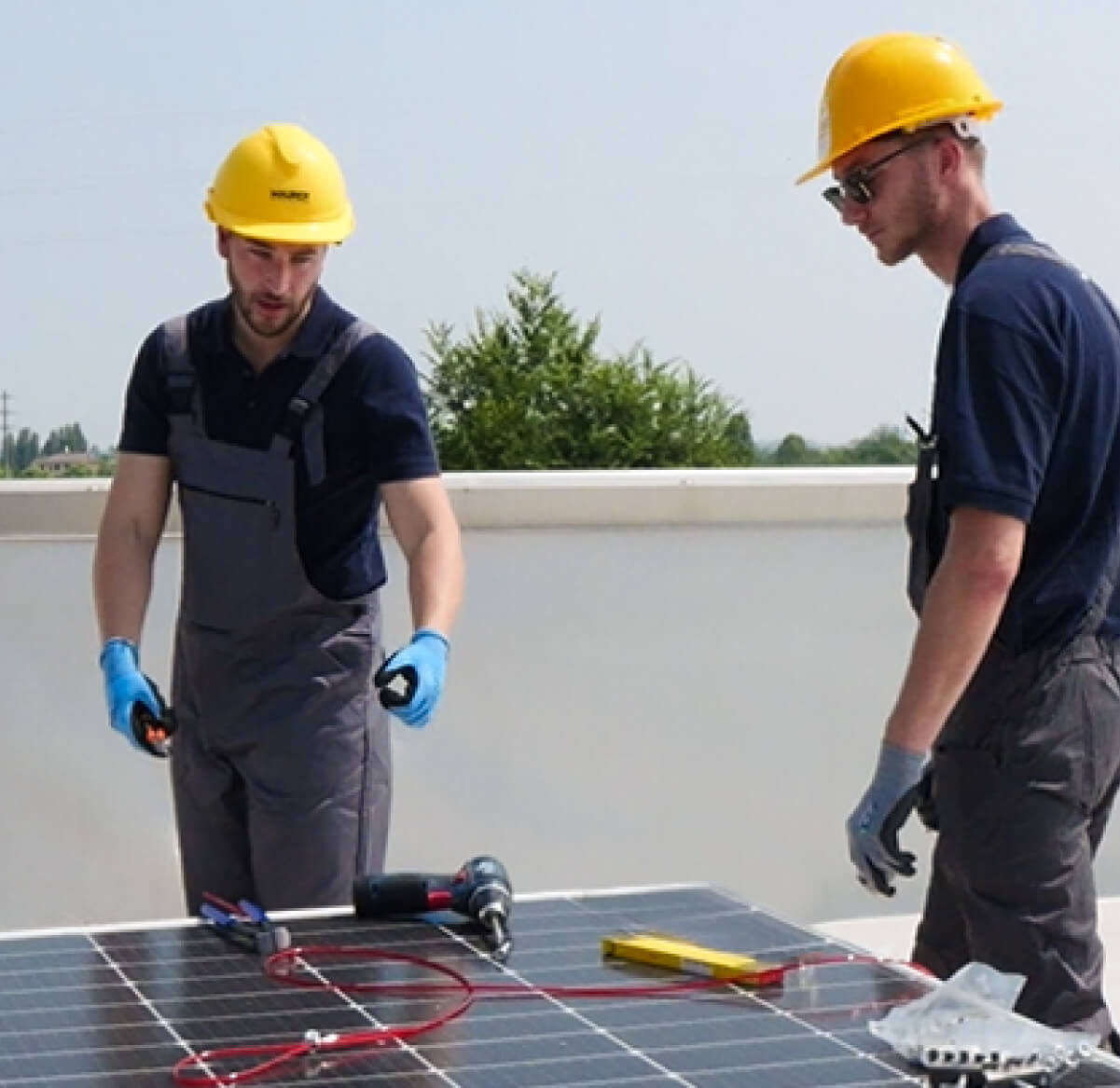
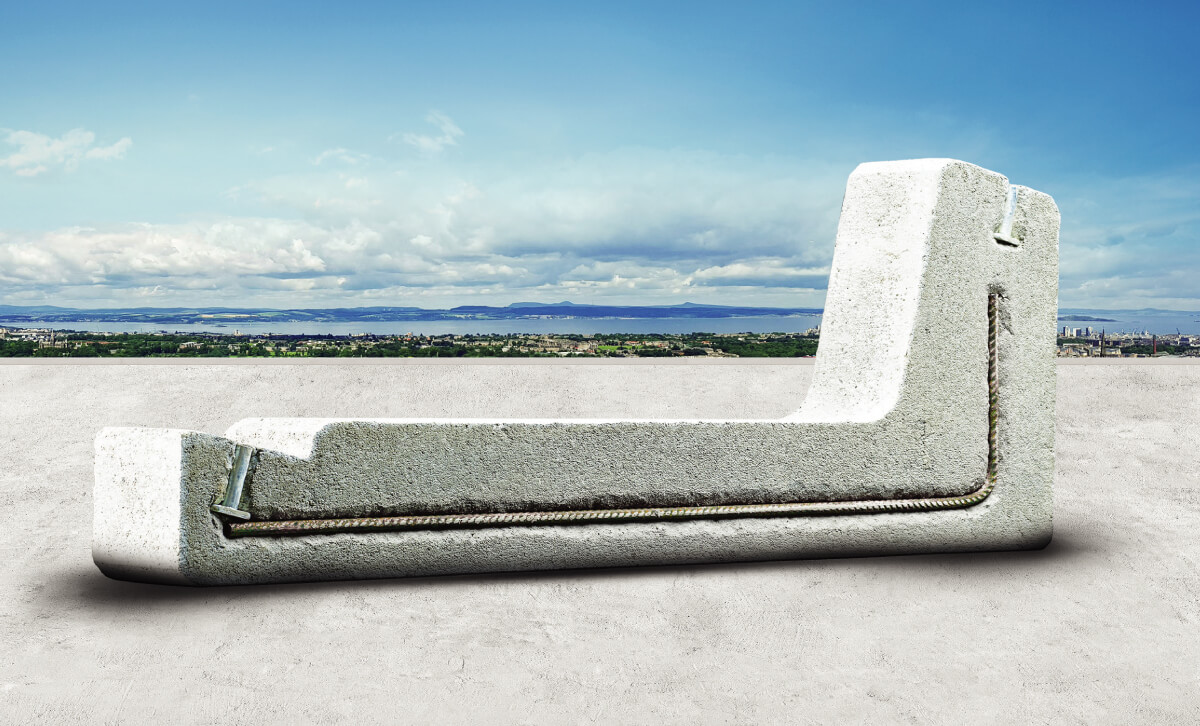
stable, repeatable layouts. With pre-engineered concrete ballast supports, teams can reduce the
number of components, limit rooftop handling, and streamline positioning and alignment. That
means fewer surprises during installation, less risk of leaks, and simpler logistics when you’re
moving from one project to the next. These PV mounting systems are especially effective for
large rooftops where consistent spacing, tilt angles, and cable management matter. For
professionals, it’s not just about hardware—it’s about a system that helps you plan faster,
quote with confidence, and install cleanly. When roof solar mounting systems are designed for
flat roofs, they also support better workflow: quick placement, intuitive assembly, and a setup
that respects site constraints like parapets, walkways, and shadow lines. The result is a
practical path to more completed installations, happier customers, and fewer callbacks.
Why no-penetration ballast systems reduce risk
and complexity
Traditional rooftop structures often require drilling and
anchoring, which can introduce uncertainty: membrane warranties, water ingress risk, and
time-consuming sealing details. In contrast, non-penetrating roof solar mounting systems built
around concrete ballast can significantly reduce these headaches. They rely on weight and smart
geometry to counter wind uplift, distributing loads in a controlled way and supporting stable PV
arrays on flat surfaces. For designers and engineers, the advantage is clear: tested
configurations, predictable behavior, and reliable technical data for wind and load
considerations. For installers, it’s the day-to-day reality that improves—less measuring, fewer
fixings, and a straightforward sequence that speeds up commissioning. A complete approach also
includes help with system sizing, layout planning, and project development through to execution,
which can cut design time and reduce on-site decisions. When a supplier acts as a technical
partner, not just a box shipper, you gain an extra layer of confidence: optimized layouts,
correct component selection, and documentation that supports compliance and site safety. In
Italy, where rooftop PV continues to expand across warehouses, logistics centers, and industrial
buildings, dependable roof solar mounting systems that avoid roof penetrations are an efficient
way to protect the building while maximizing installation productivity.
A practical choice for installers, designers,
and distributors in Italy
If you’re an installer aiming to complete more projects per month,
roof solar mounting systems for flat roofs should feel like an advantage from the first pallet
to the final module. Look for solutions that are robust, durable, and proven in real
conditions—systems with fewer parts, quick handling, and stable tilting options that make panel
positioning repeatable across large areas. Designers benefit when the mounting system comes with
dependable performance data, certified components, and technical support that helps reduce
responsibility-related pressure during structural checks. Distributors and wholesalers,
meanwhile, need products that are easy to explain, easy to stock, and consistently requested by
the market—especially as flat-roof PV grows in the Italian B2B sector. Concrete ballasted
mounting structures meet these needs by combining reliability with simplicity: no drilling,
faster setup, and an intuitive method that crews can learn quickly. And because the overall
solution can include commercial assistance and project support up to execution, professionals
can respond faster to tenders and customer requests. Ultimately, the best roof solar mounting
systems are the ones that help you work with less friction: safer rooftops, fewer delays, and a
clear, efficient process that turns complex flat-roof installations into repeatable wins.