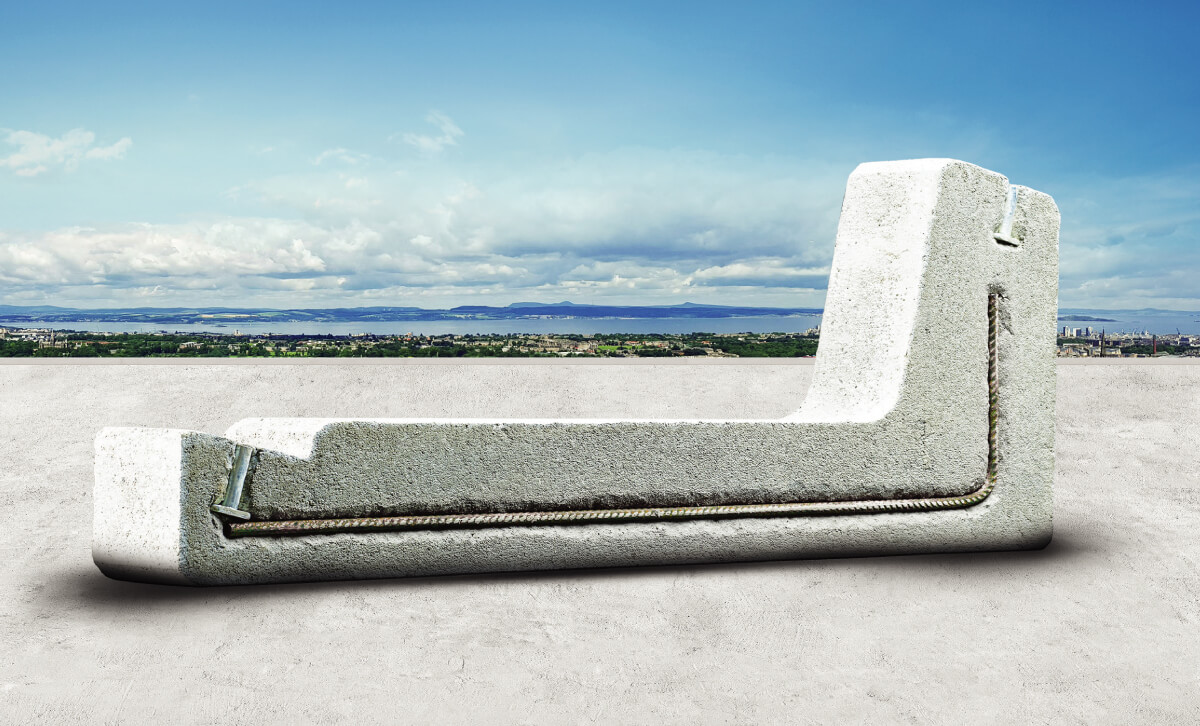
A roof PV system built for flat roofs—without
roof penetrations
Choosing the right roof pv system for a flat roof in Italy is
often the difference between a smooth installation and days of on-site complications. Installers
and designers know the usual pain points: drilling the waterproof membrane, managing many small
components, and dealing with uncertainty around wind uplift and roof loads. A modern solution is
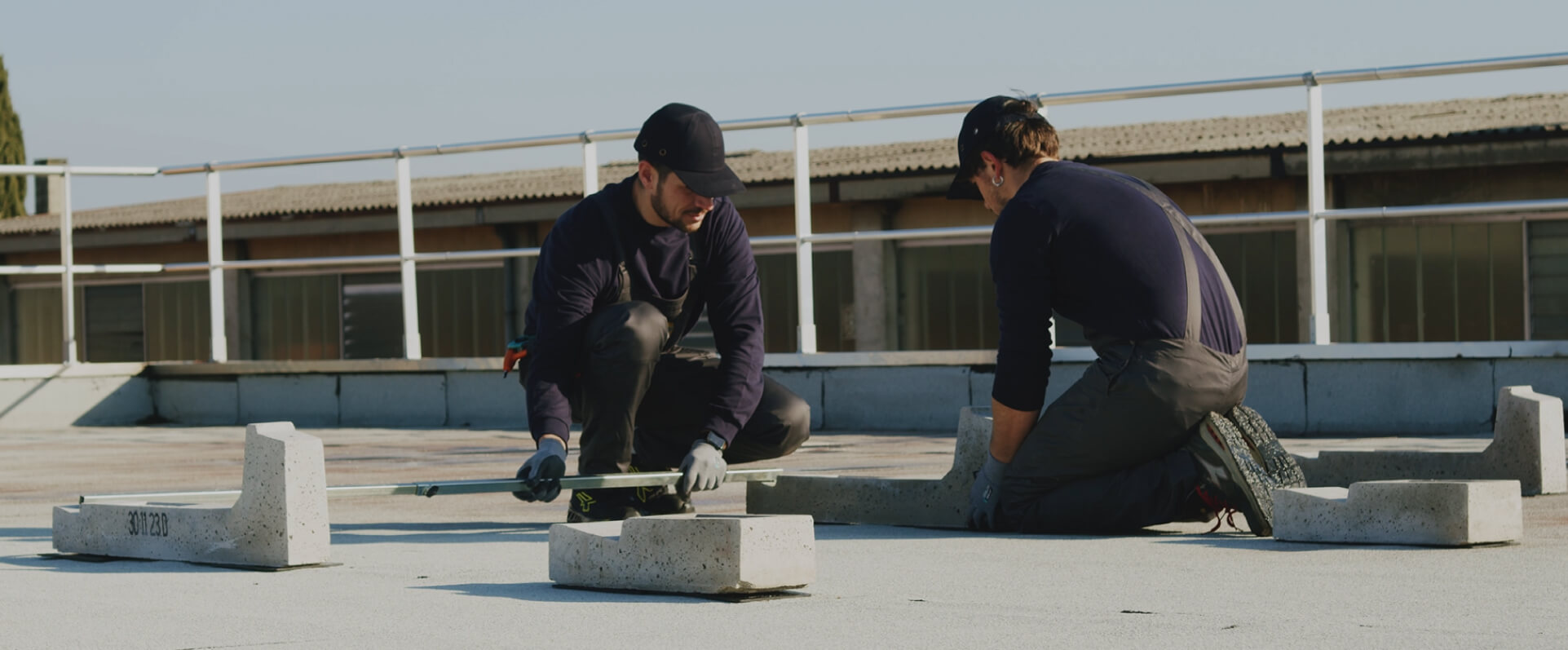
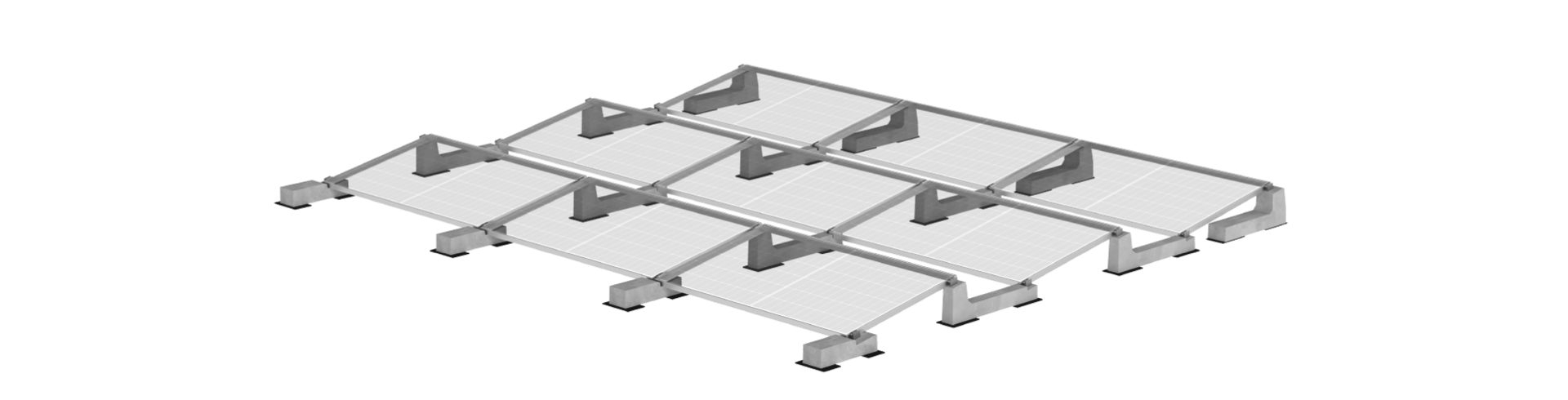
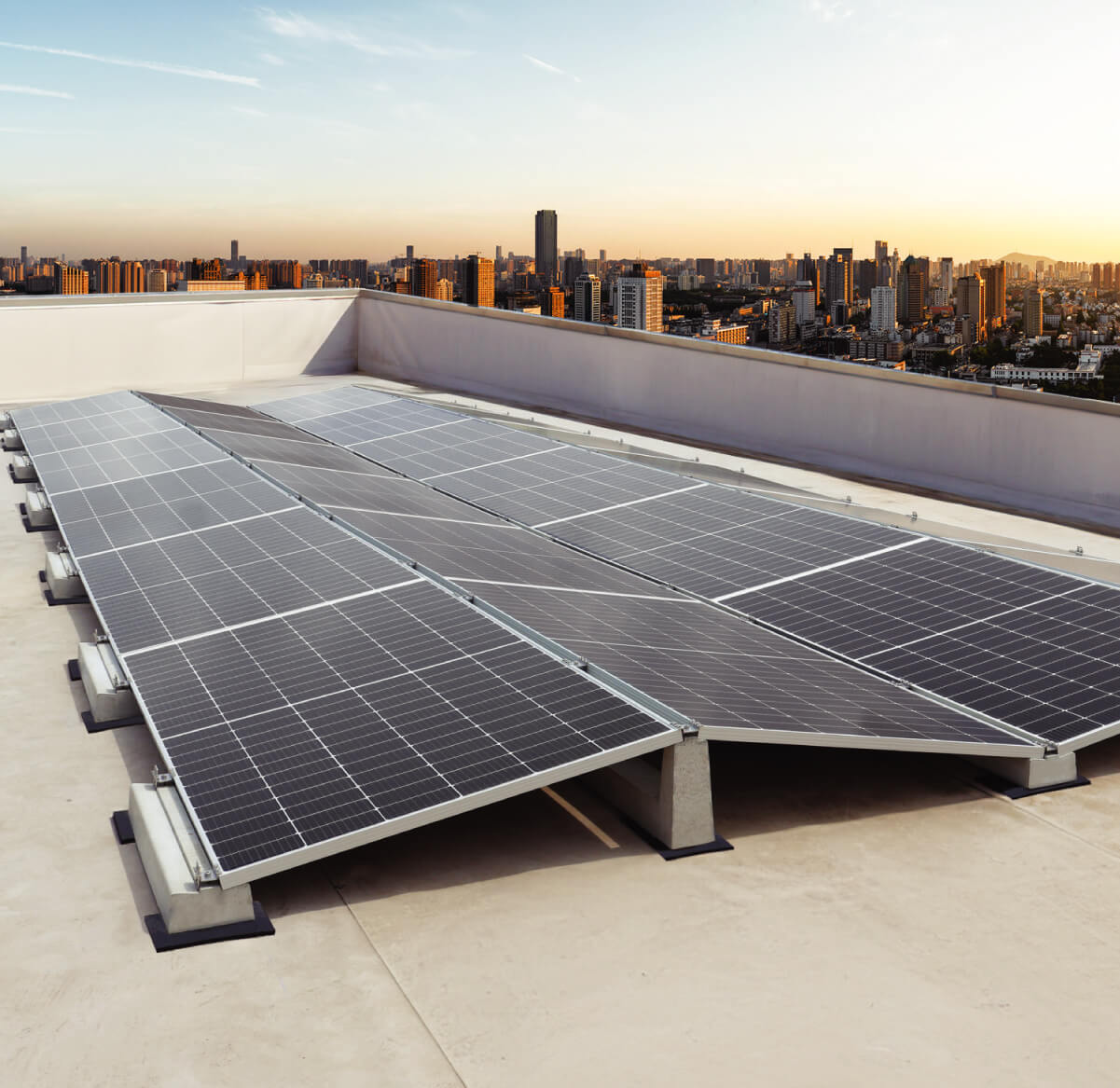
a ballasted mounting approach that keeps the roof intact. By using pre-engineered concrete
ballast supports, PV modules can be secured without penetrating the roof covering—helping reduce
leak risk and simplifying compliance with building envelope requirements. For installers, this
means fewer steps, faster positioning, and a more predictable workflow. For engineers and
technical offices, it means access to reliable data for structural checks, wind calculations,
and system sizing. The result is a roof pv system that feels practical on site, but is also
defensible on paper. On commercial and industrial buildings—where flat roofs are common—speed
matters, but so does long-term reliability. A ballasted PV mounting structure can offer both,
especially when the design has been tested for durability and built to handle real-world site
conditions. If your goal is to deliver repeatable quality across multiple rooftops, choosing a
flat-roof-specific roof pv system is a strategic move that saves time, lowers risk, and keeps
everyone—from installer to project manager—confident throughout the job.
Why installers prefer simpler mounting: speed,
safety, fewer surprises
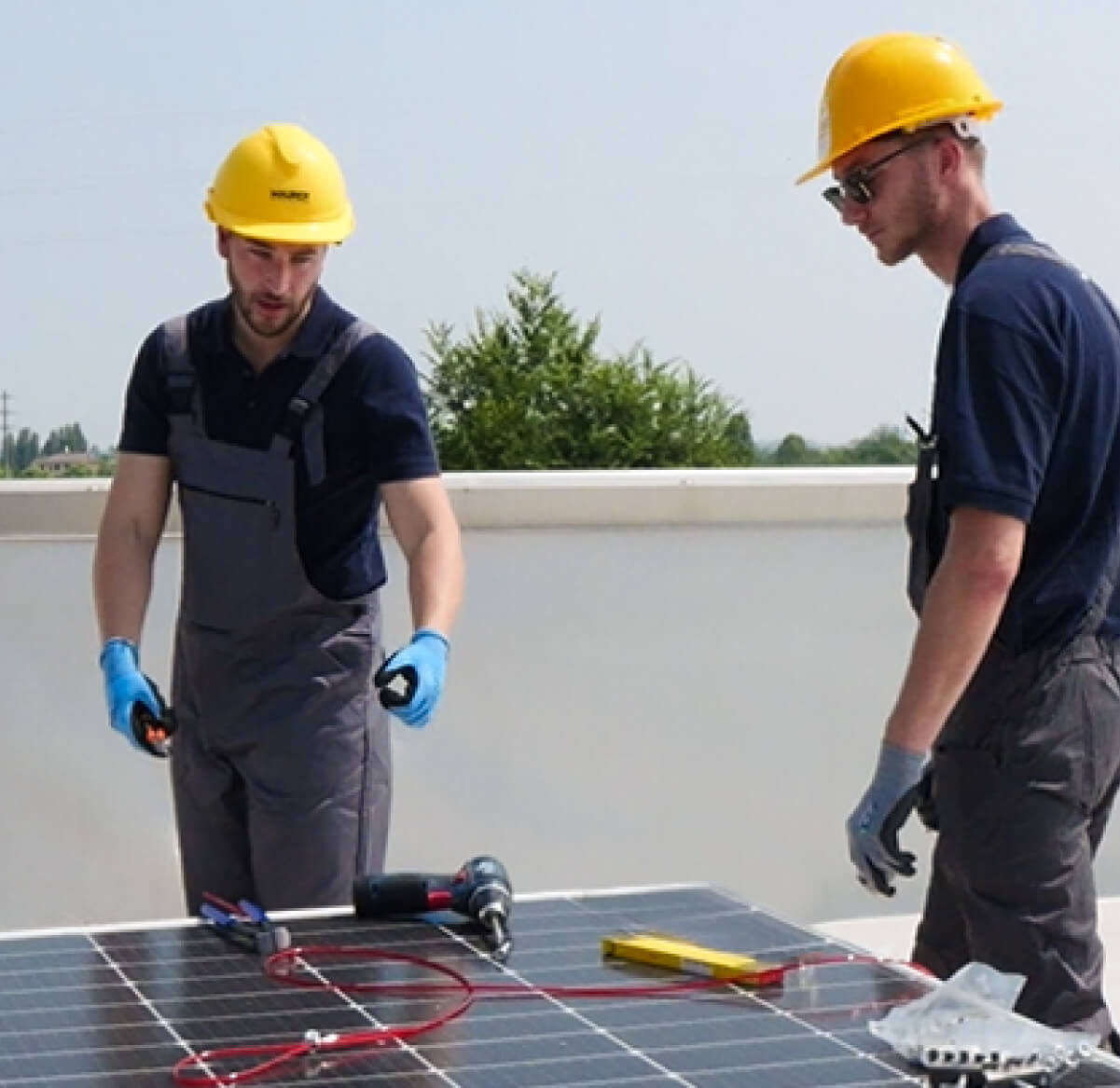
On a busy jobsite, a roof pv system must be easy to understand and
quick to assemble. Ballasted solutions are appreciated because they reduce the number of
separate parts and eliminate the most delicate step: roof drilling. With fewer components to
manage, crews can move faster, maintain cleaner logistics on the roof, and standardize the
installation process across projects. Another key advantage is predictable alignment and tilt
options, which helps optimize energy yield while keeping installation straightforward. When a
system is designed to be intuitive, you spend less time solving problems and more time
commissioning the plant. That’s what drives better margins for PV installers in the Italian
market.
A technical partner approach: sizing, support,
and project execution
A roof pv system is not only hardware—it’s also engineering
support. For designers and EPC teams, having technical guidance during the planning phase can
reduce responsibility pressure and speed up approvals. Accurate system dimensioning (loads, wind
exposure, layout, and module configuration) helps avoid overdesign, prevents last-minute
changes, and keeps the project on schedule. For distributors, a solution that is easy to
explain, clearly positioned for flat roofs, and backed by solid technical documentation is
easier to sell and easier to support. If you want a roof pv system that is reliable, fast to
install, and supported from design through execution, choose a flat-roof ballasted approach that
prioritizes tested performance, simplicity on site, and long-term durability.