Roof Mounted PV on Flat Roofs: Faster
Installs, Fewer Headaches
In the Italian market, roof mounted pv on flat roofs often comes
with a familiar challenge: how to secure modules without compromising the roof membrane.
Traditional penetrations can mean waterproofing risks, longer site times, and more coordination
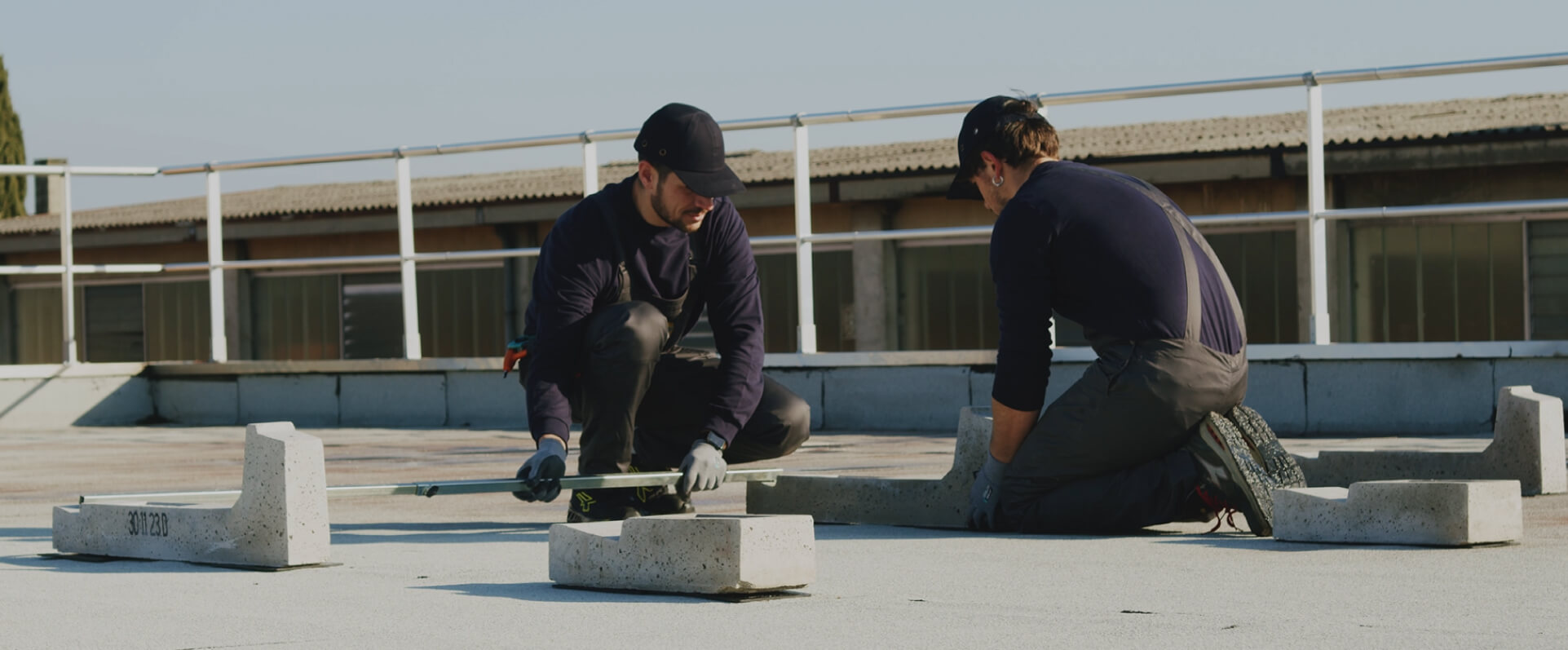
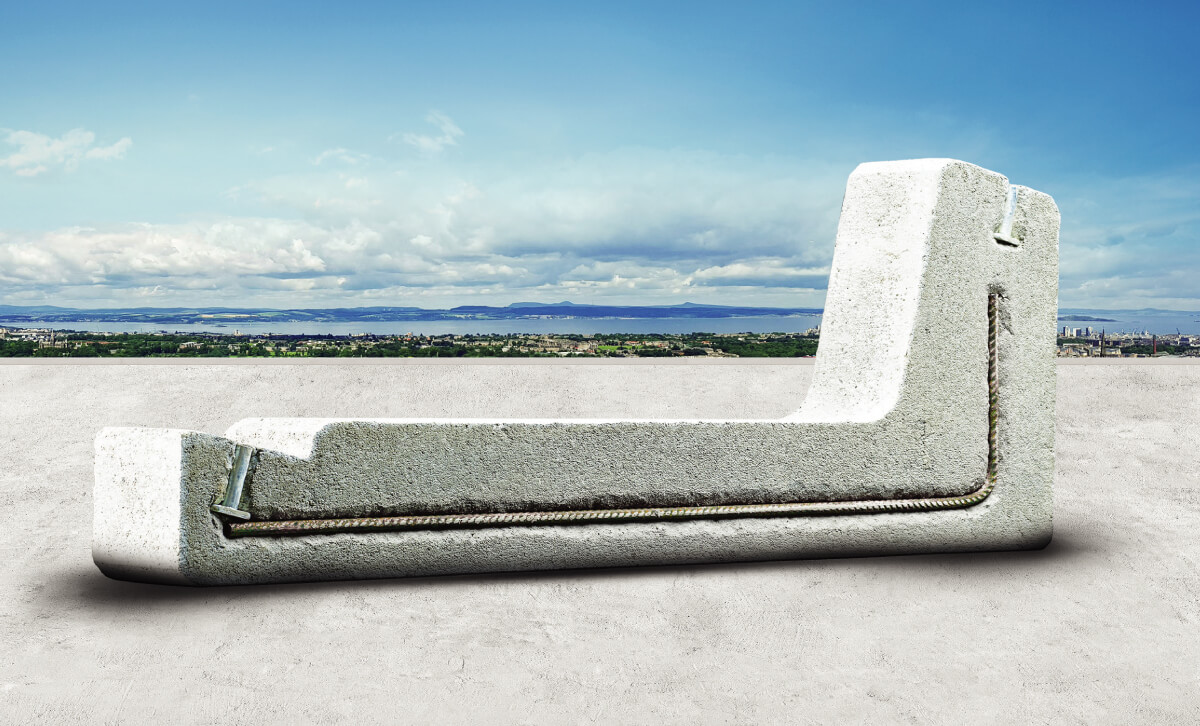
between trades. A ballast-based mounting approach changes the game. By using pre-engineered
concrete weights, installers can position PV panels without drilling the cover, reducing the
chance of leaks and keeping the worksite cleaner and faster.
For photovoltaic installers, the biggest win is speed: fewer components, simpler logistics, and
an installation flow that feels predictable even on large commercial rooftops. For designers and
engineers, the advantage is clarity—tested configurations, reliable load data, and easier checks
for wind uplift and roof loads. Distributors benefit too, because a straightforward roof mounted
pv system is easier to specify and easier to sell.
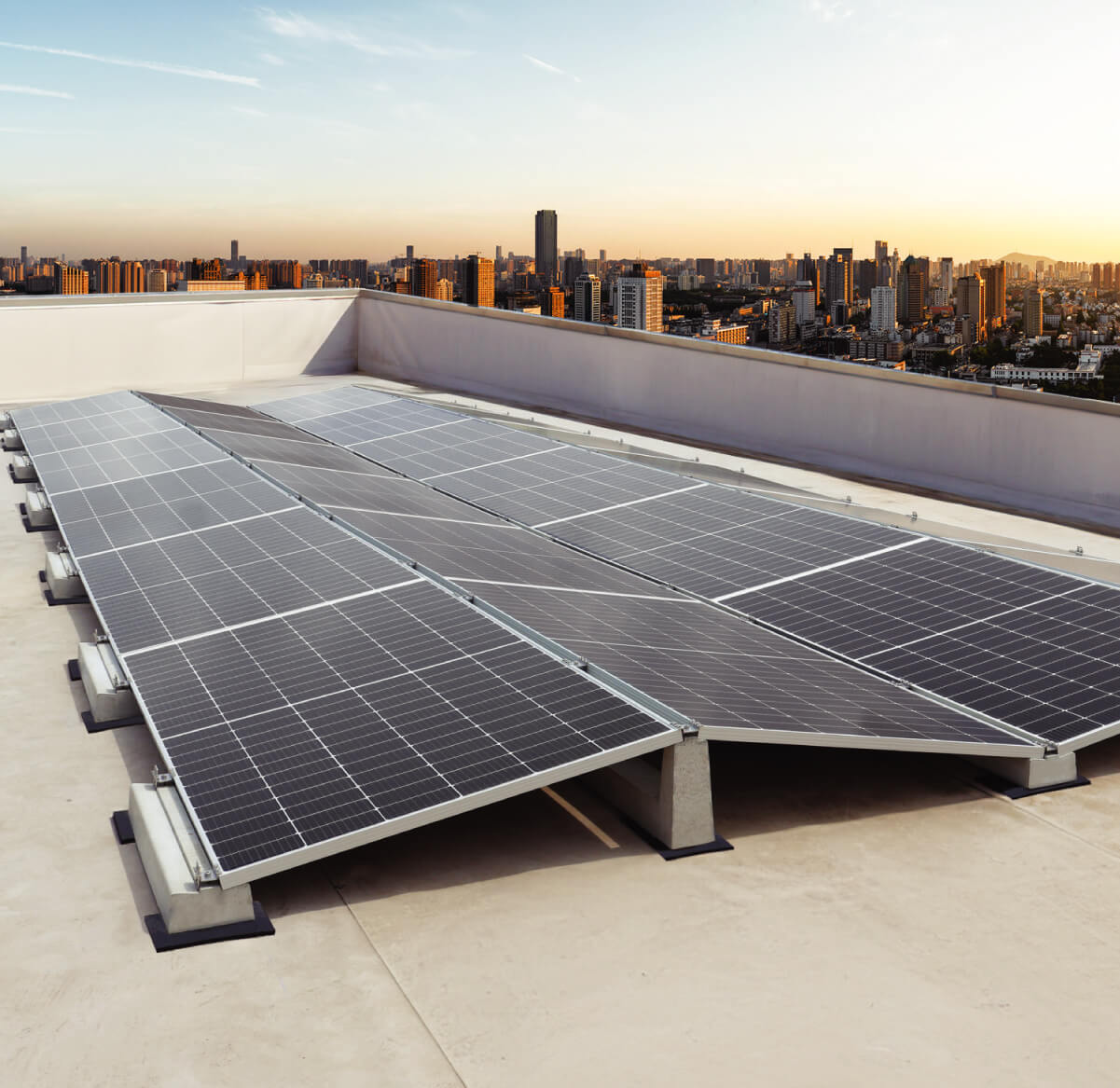
If your goal is a durable, professional PV installation on a flat roof—whether on warehouses,
industrial sheds, or commercial buildings—choosing the right support structure is as important
as the modules themselves. A no-penetration solution helps protect the building envelope while
delivering stable performance over time. In short: less risk, less complexity, and more
confidence from design to commissioning.
Why Concrete Ballast Supports Make Roof
Mounted PV More Reliable
A well-designed ballast system is not just “weight on the roof.”
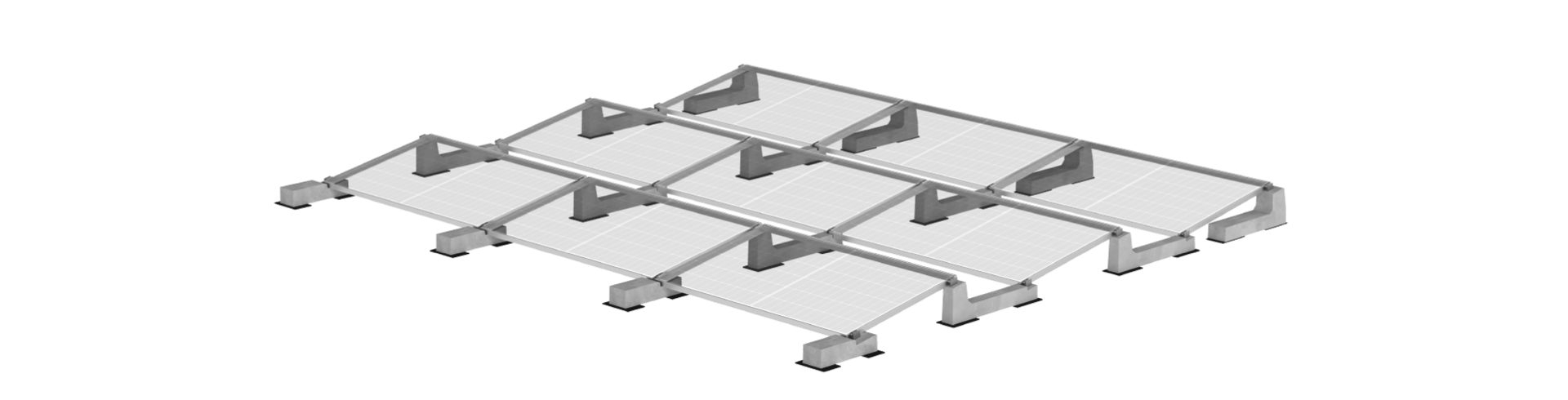
It is an engineered solution that balances stability, aerodynamic behavior, and installation
practicality. Concrete ballast supports for roof mounted pv are developed to keep the array
secure under wind loads while distributing pressure appropriately across the roof surface.
For technical teams, this means you can work with verifiable parameters for sizing and layout:
tilt angles, row spacing, and load distribution. For installers, it means fewer surprises: no
roof penetrations, reduced waterproofing steps, and a faster path from delivery to final
tightening.
Because the structure is designed for flat roofs, it supports common project goals in
Italy—maximizing usable roof area, maintaining safe walkways, and simplifying maintenance
access. The result is a mounting approach that protects the roof, reduces callbacks, and helps
teams deliver consistent quality across multiple sites.
A Complete Technical Partner Approach—Without
Naming Brands
Choosing roof mounted pv for flat roofs is rarely only about
hardware. Professionals need a complete workflow: early-stage technical support, accurate system
sizing, commercial assistance, and practical guidance through execution. When that support is
built into the process, projects move faster and feel less risky for everyone involved.
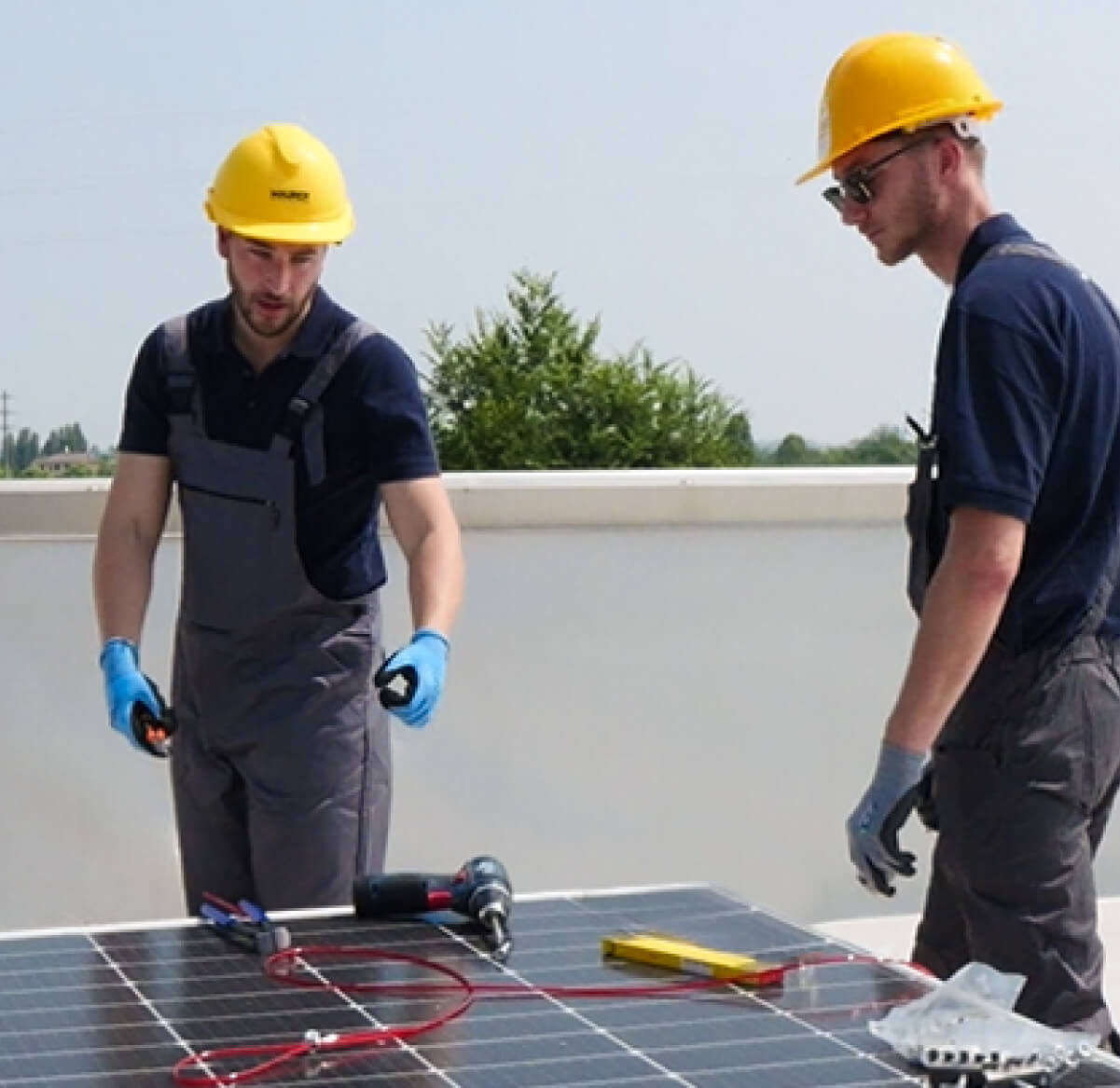
Installers benefit from a system designed to be intuitive on site, with fewer parts and a
repeatable assembly method—ideal when schedules are tight and crews must complete more rooftops
per month. Engineers and studios gain confidence from tested solutions and dependable data for
wind and load assessments, helping reduce design liability. Distributors appreciate consistent
demand and a product concept that is easy to communicate.
For Italy’s flat-roof segment, the most persuasive advantage is simple: a no-drill,
ballast-based roof mounted pv solution helps you protect the roof membrane, reduce installation
time, and deliver a robust photovoltaic plant. If you want to streamline your next project,
explore dedicated flat-roof mounting solutions on www.sunballast.com.