A Roof Mounted PV System Made Faster on Flat
Roofs
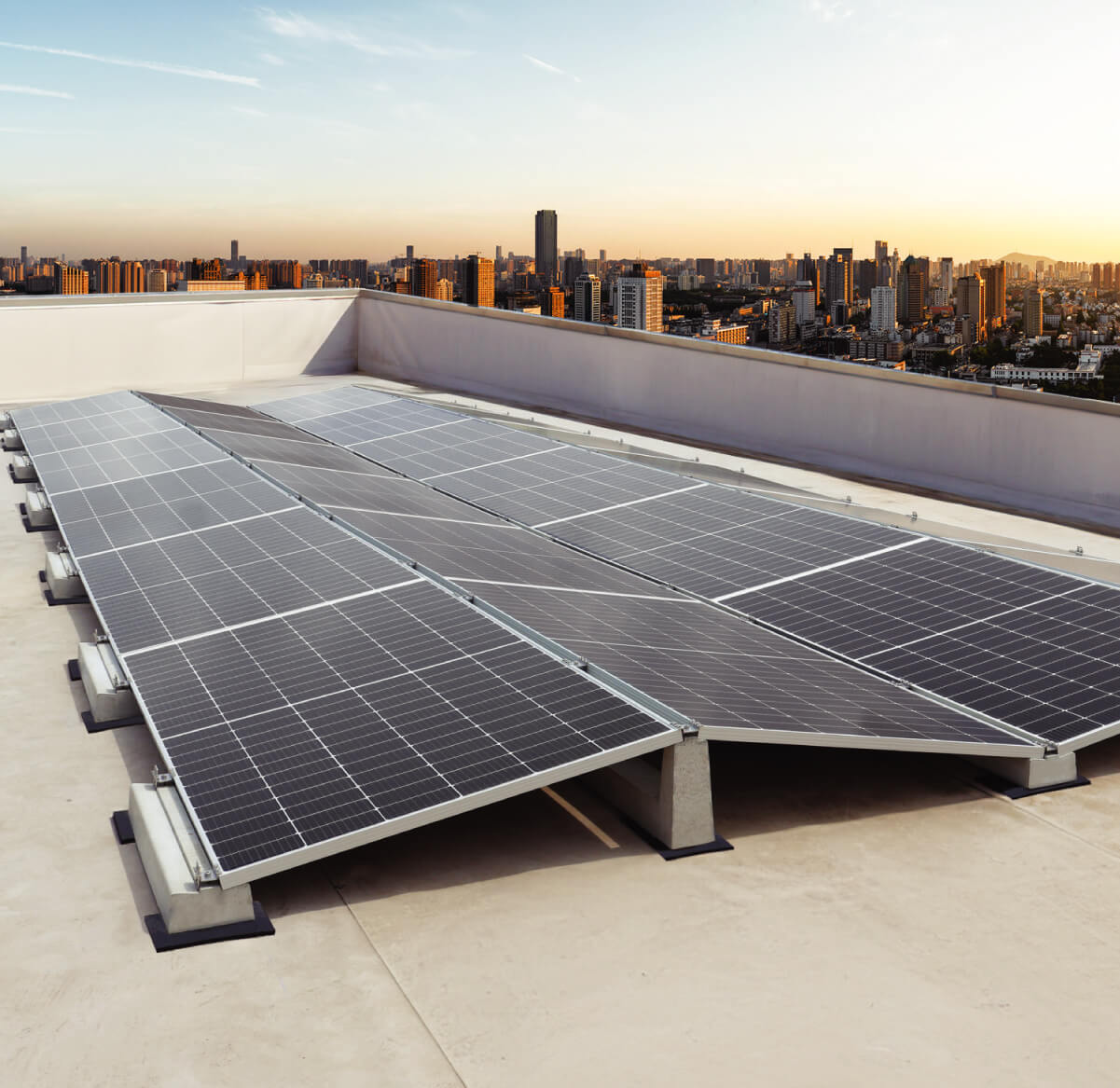
In the Italian market, a roof mounted pv system on flat roofs
often becomes a race against time: tight schedules, multiple trades on site, and the constant
risk of damaging the roof membrane. That’s why ballasted mounting solutions are gaining ground
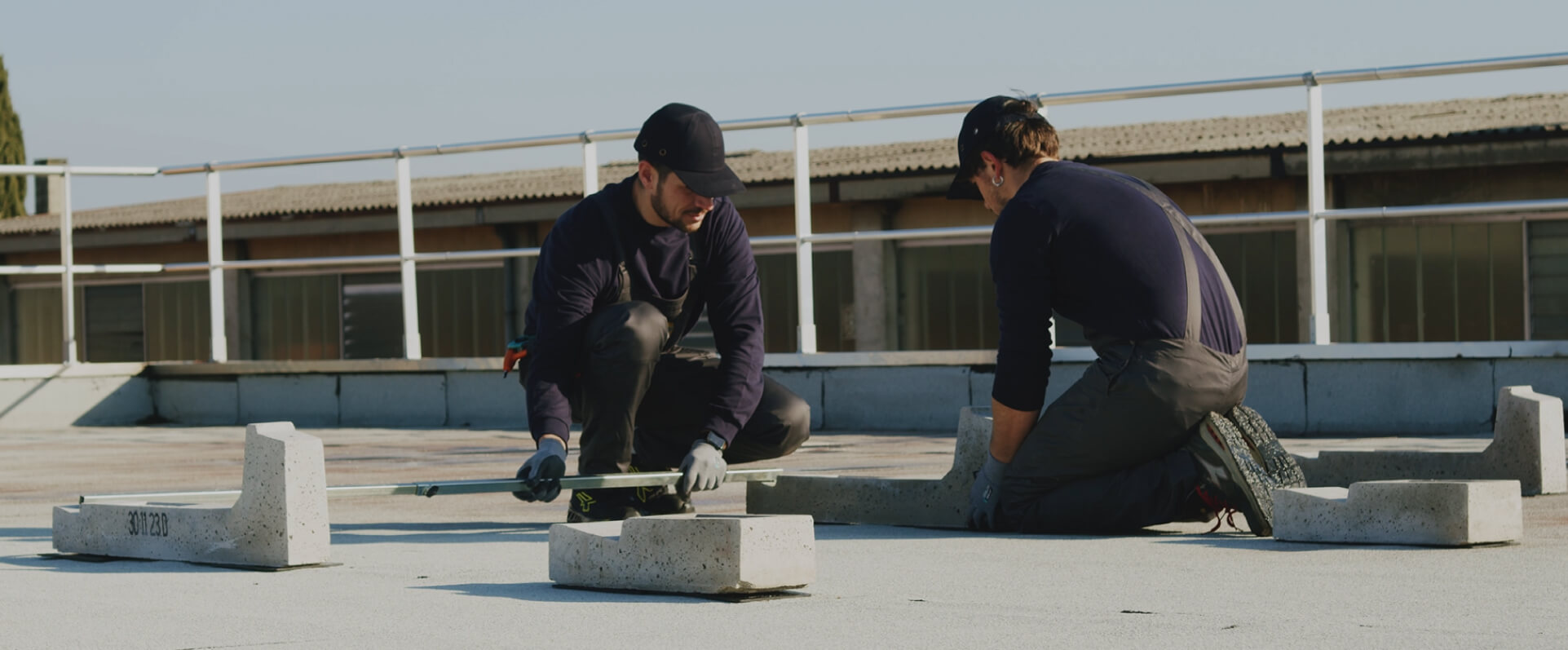
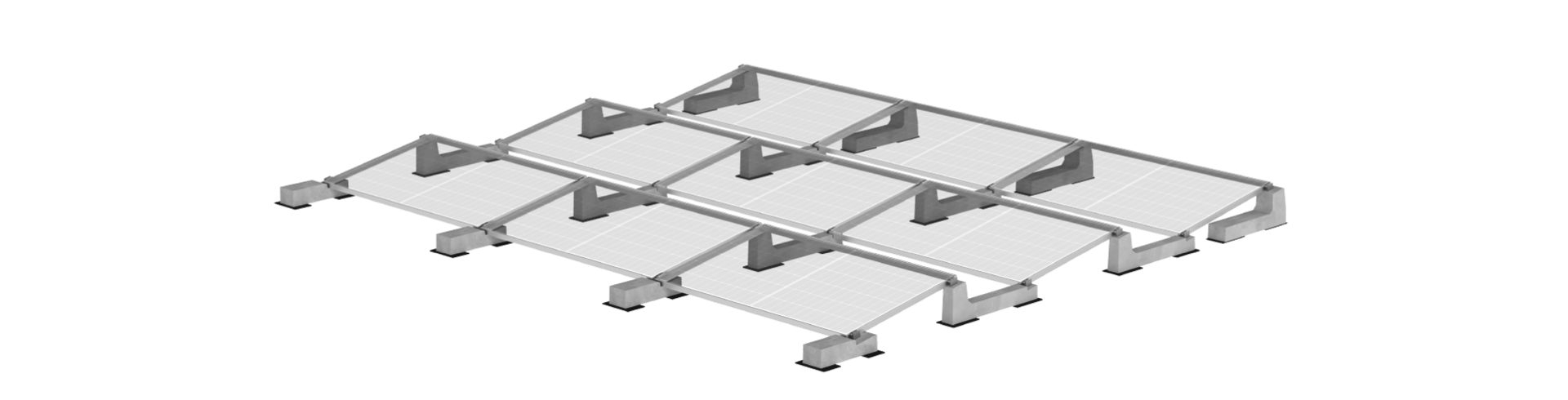
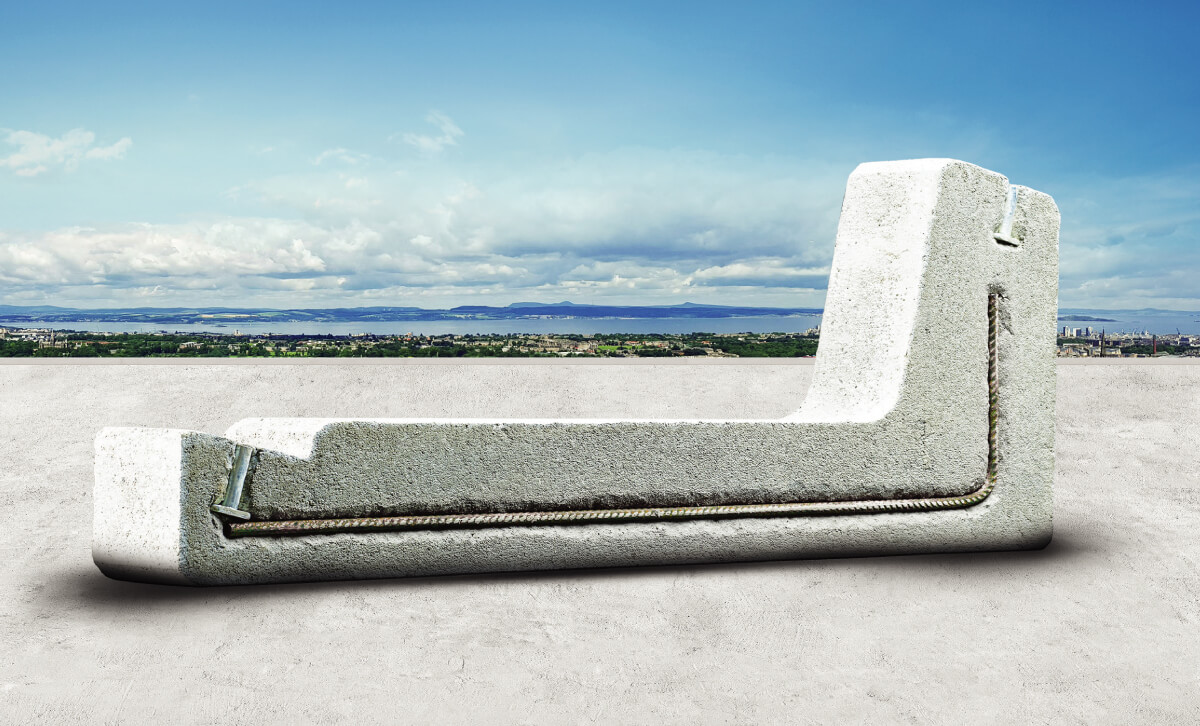
among PV installers and technical offices. By using precast concrete ballast supports, you can
install photovoltaic panels without drilling the waterproof layer, reducing the chance of leaks
and cutting downtime. Fewer components, straightforward layouts, and predictable installation
steps make the whole workflow smoother—especially on industrial buildings, logistics hubs, and
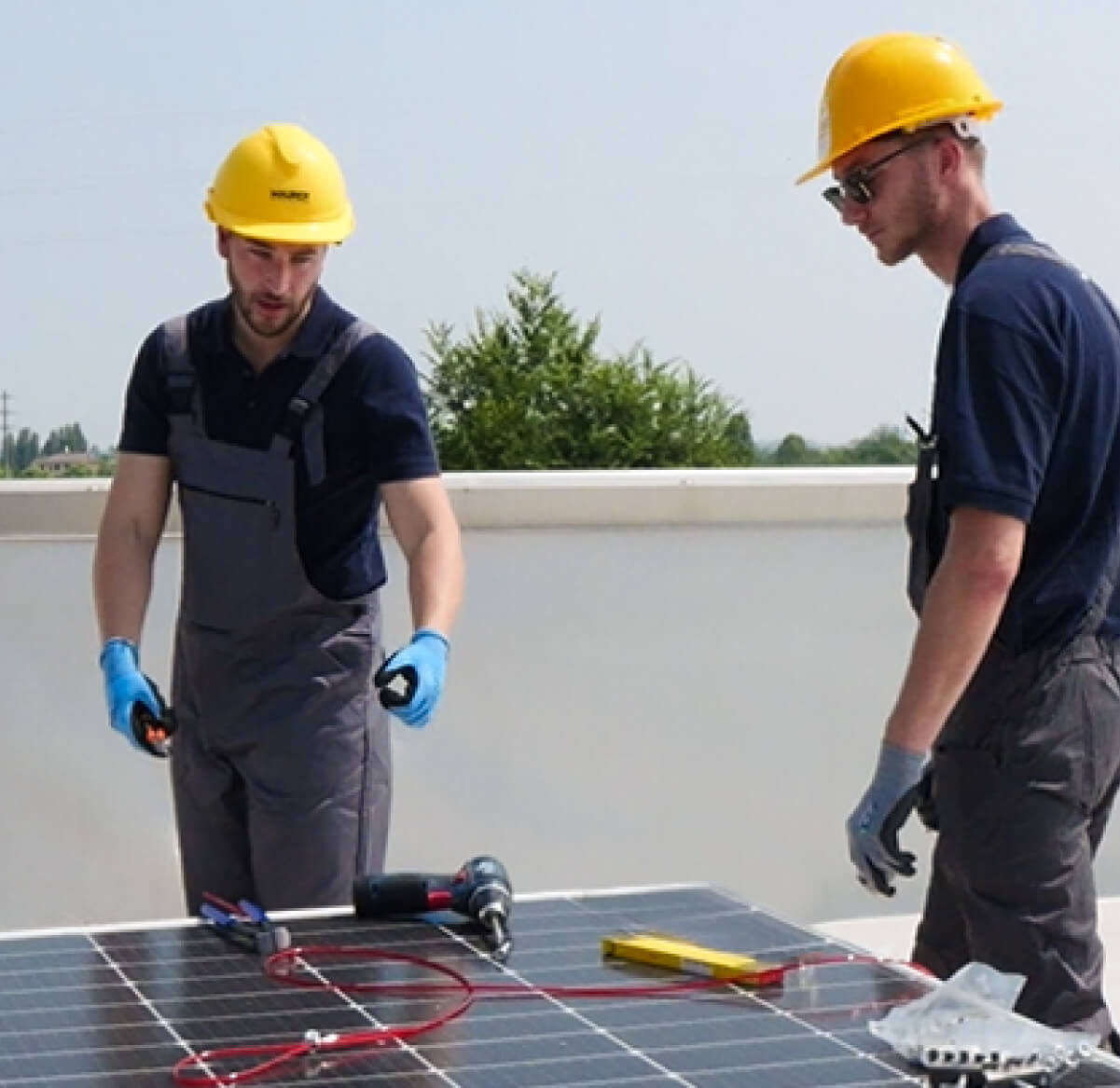
large commercial roofs. For installers, the key advantages are practical: quicker positioning,
cleaner cable management, and less on-site improvisation. For designers and engineers, it’s
about confidence: known loads, verified configurations, and documentation that helps with wind
uplift and structural checks. A modern roof mounted pv system should not only hold modules in
place; it should simplify the job from design to commissioning. When the support structure is
designed around speed and reliability, crews can complete more projects per month, reduce
call-backs, and deliver a better experience to the end client—without compromising safety. If
your next flat-roof project needs a dependable PV mounting system that avoids roof penetrations,
ballasted solutions are a smart starting point, especially when paired with technical sizing and
project support that keeps every step under control.
No Roof Penetration: Lower Risk, Higher
Confidence
One of the biggest concerns with any roof mounted pv system is
what happens after installation: water ingress, membrane stress, and maintenance issues that can
turn into expensive disputes. A ballasted PV mounting system addresses this by keeping the roof
intact—no anchors, no mechanical fixings through the covering. For Italian installers, this
means fewer approvals to manage and fewer variables on site. For engineering teams, it helps
reduce risk by relying on tested solutions with clear load paths and repeatable assembly. The
result is a safer flat-roof PV installation approach that protects the building envelope while
maintaining strong stability against wind. Add the benefit of simplified logistics—precast
elements, clear bills of materials, and faster assembly—and it becomes easier to plan crews and
timelines. In short, a no-drill roof mounted pv system helps you deliver a cleaner installation
that’s easier to justify technically and easier to maintain over time.
A Complete Technical Approach for Installers
and Designers
Choosing a roof mounted pv system is not just selecting a
structure; it’s choosing how the project will run. Professional teams in Italy need more than
hardware: they need technical support during design, accurate system sizing, and assistance that
continues until execution. With the right partner, you can optimise module layout, select the
most efficient tilt for flat roofs, and speed up approvals with reliable documentation.
Installers benefit from solutions built for rapid assembly—fewer parts, intuitive positioning,
and reduced on-site complexity. Designers gain access to dependable data for wind and load
considerations, helping them work faster and with greater peace of mind. Distributors also
benefit from a product that’s easy to explain and consistently requested by the market. If your
goal is to make flat-roof solar installations easier, safer, and more efficient, a ballasted
roof mounted pv system—supported by real technical assistance—can be the difference between a
stressful site and a predictable, profitable project.