Why Flat Roof Projects Need Smarter Roof
Mounting Systems for Solar Panels
Choosing the right roof mounting systems for solar panels can make
or break a flat-roof PV project—especially when speed, safety, and long-term reliability matter.
On many Italian commercial buildings, the real challenge isn’t the module: it’s the roof.
Penetrating the waterproof membrane can increase risk, add coordination steps, and create costly
callbacks. That’s why ballast-based solutions have become a go-to option for installers and
designers working on flat roofs.
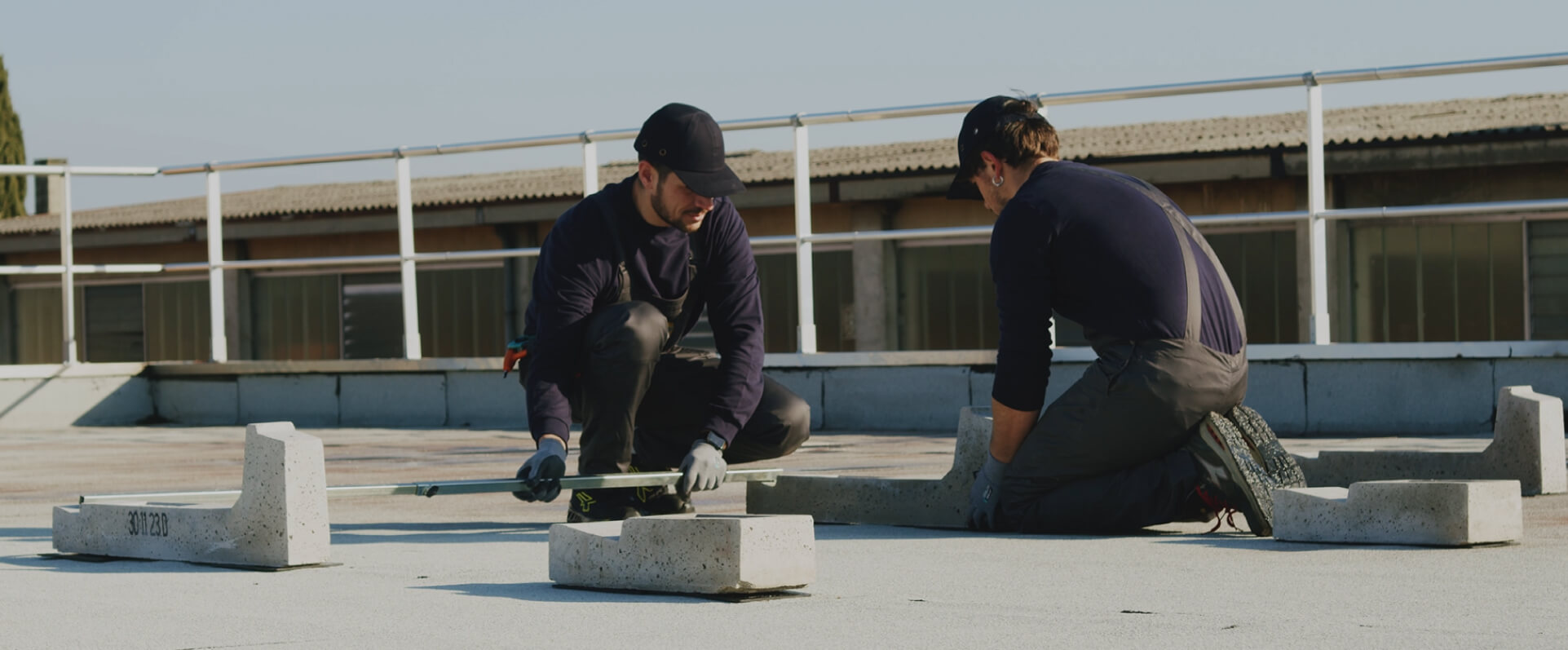
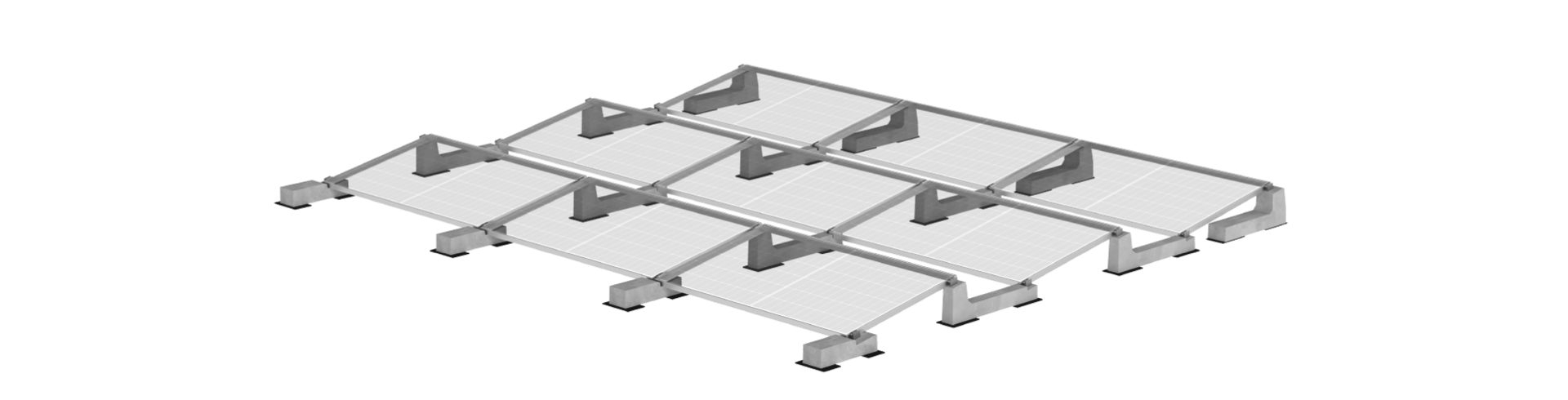
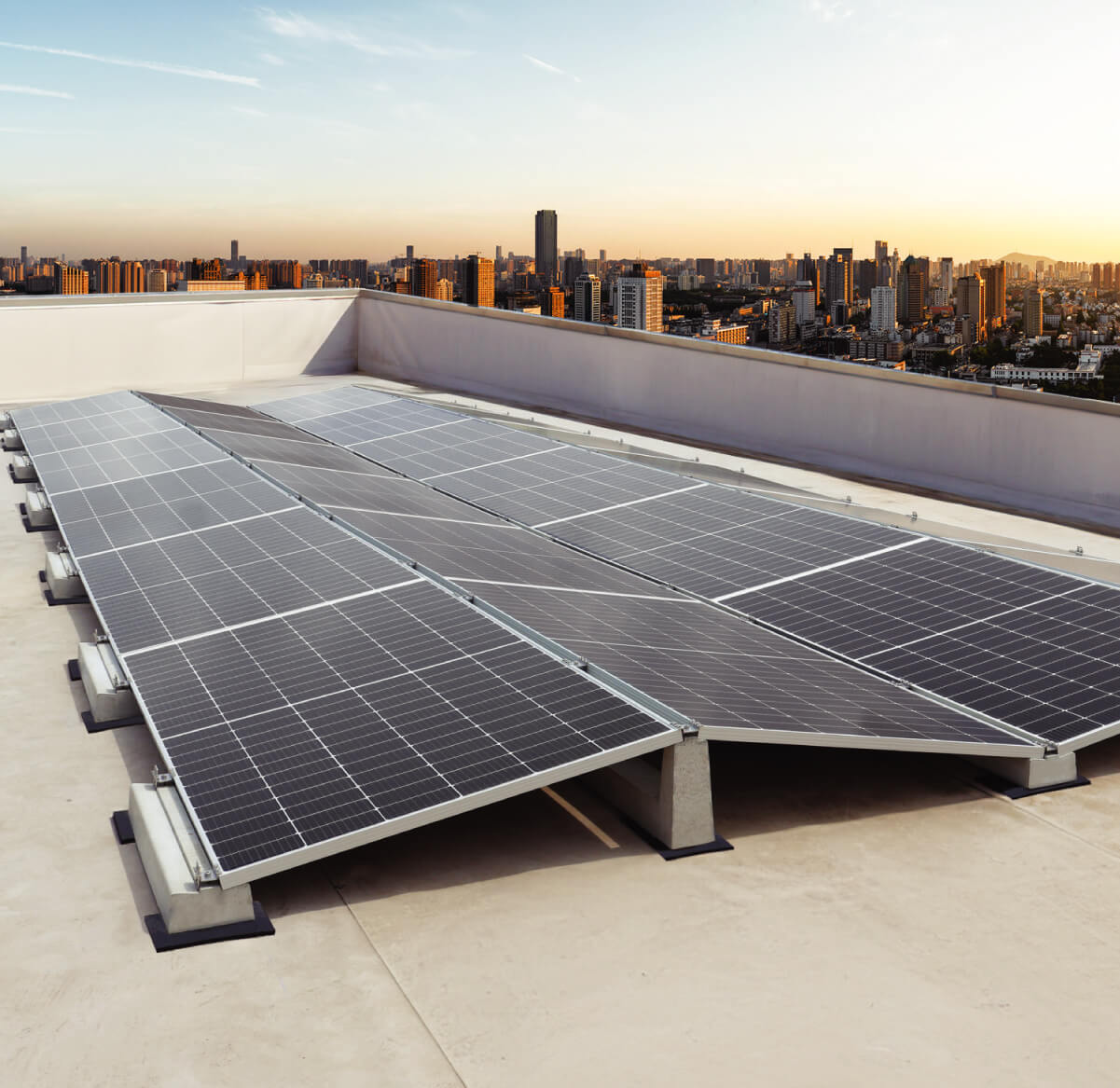
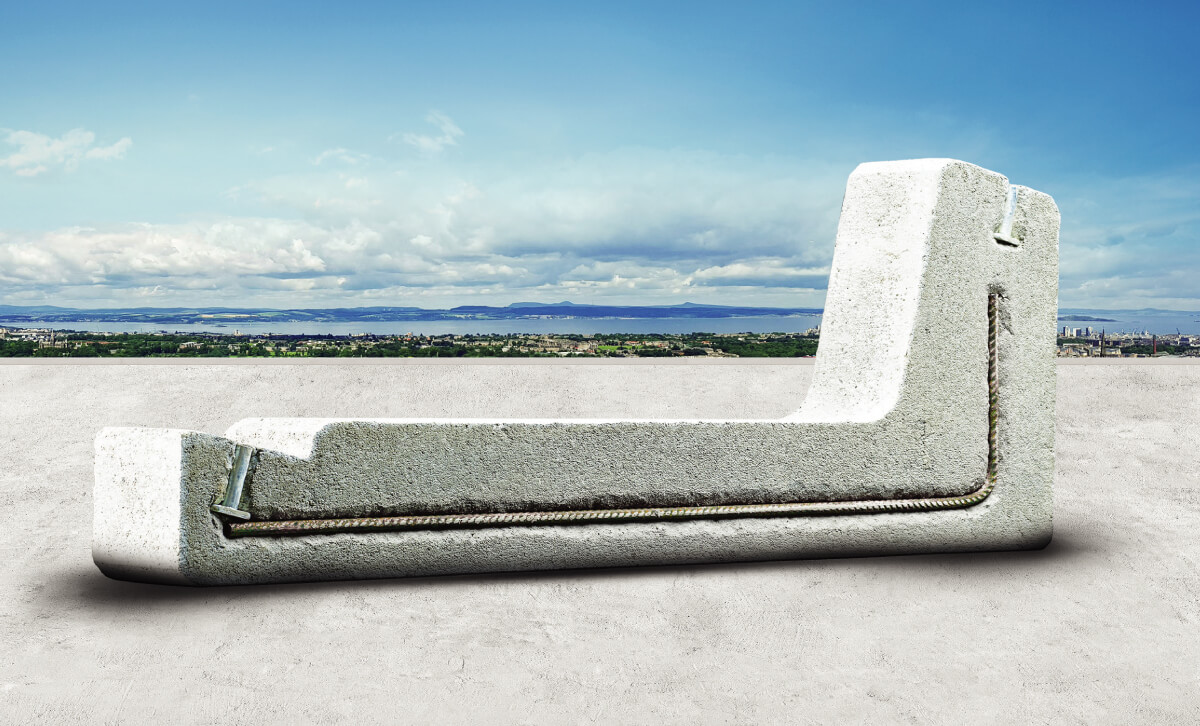
With concrete ballast supports, panels can be secured without drilling the roof covering,
helping reduce leakage risk and simplifying site operations. Fewer components and a
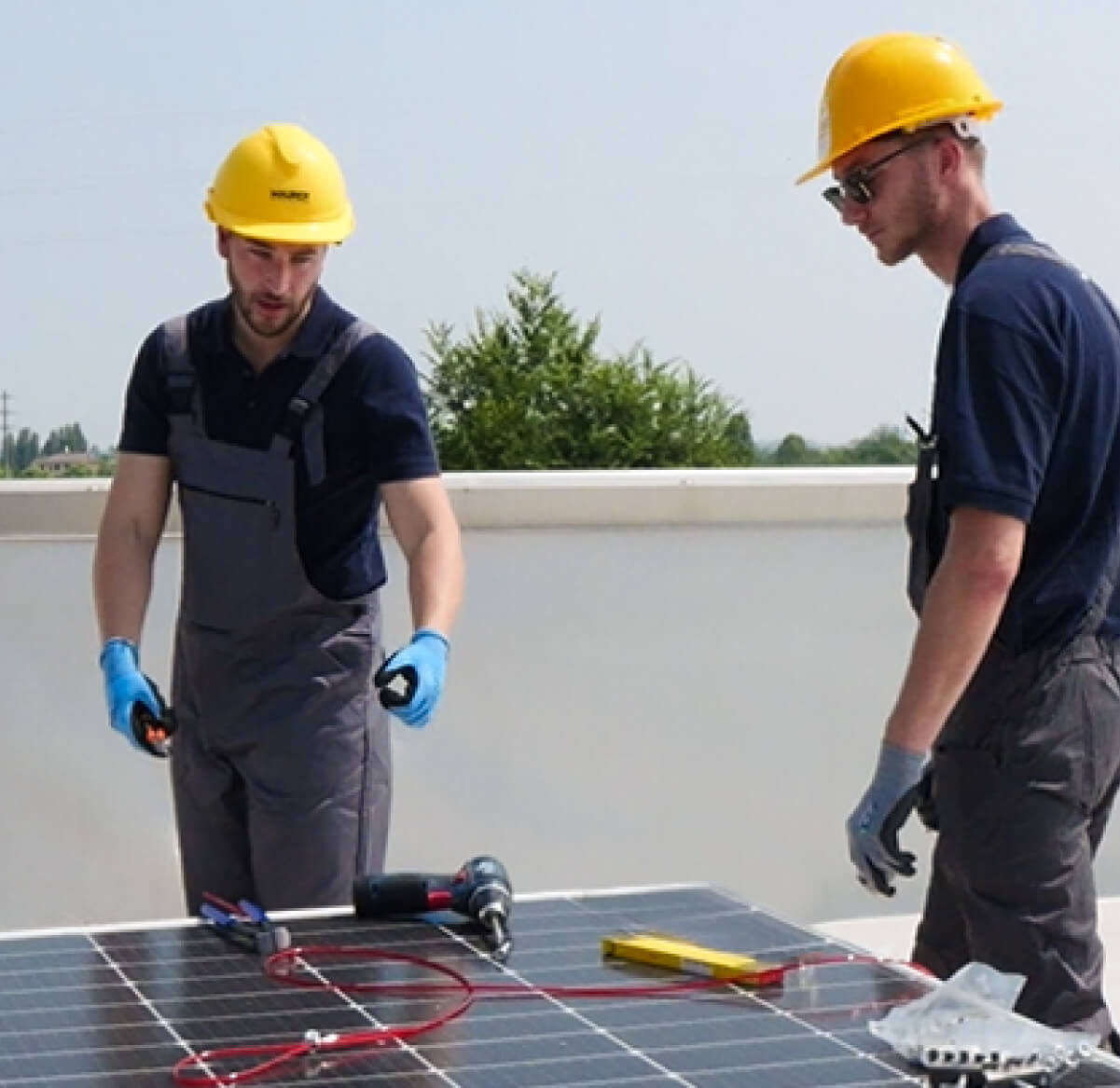
straightforward layout mean crews can move faster, keep the work area cleaner, and maintain
consistent installation quality across large surfaces. For engineering teams, the advantage is
just as tangible: tested configurations, dependable load paths, and clearer inputs for wind and
structural checks.
If you’re looking to streamline procurement and execution, focus on PV mounting solutions that
are purpose-built for flat roofs, engineered for durability, and supported by real technical
know-how. A partner approach—where you receive guidance during design, plant sizing, and project
development through to execution—can significantly reduce uncertainty and accelerate
decision-making. Ultimately, modern roof mounting systems for solar panels should do more than
“hold modules”: they should help you finish faster, reduce operational complexity, and deliver a
safer, more predictable PV installation.
Concrete Ballast Mounting: Faster
Installation, Less Risk, More Control
For installers, time is profit. Concrete ballast roof mounting
systems for solar panels are designed to cut installation time by minimizing roof work and
reducing the number of small parts to handle. Because the structure relies on weight rather than
penetrations, you avoid many of the typical bottlenecks: drilling, sealing, curing times, and
membrane-related surprises.
On site, that translates into a cleaner workflow: position the supports, align modules, and
complete the array with fewer steps. For flat-roof solar mounting, this approach also improves
predictability—important when you’re managing multiple crews or tight deadlines.
For engineers and technical offices, ballast solutions support safer project decisions. Reliable
data for wind uplift, roof loads, and layout optimization helps reduce design responsibility
stress. When technical support is included—from preliminary design to system sizing and
execution-ready documentation—you gain confidence that the PV racking solution fits the roof,
the climate zone, and the project requirements.
Distributors benefit too: a recognizable, easy-to-explain product category with stable demand in
Italy’s commercial PV market, backed by strong technical assistance that helps close sales and
reduce returns.
What to Look for in Roof Mounting Systems for
Solar Panels (Italy, B2B Focus)
When selecting roof mounting systems for solar panels for flat
roofs, prioritize three things: reliability, simplicity, and continuous innovation. Reliability
means solid, tested supports built to last—because the roof is not the place for weak links.
Simplicity means fewer components, intuitive assembly, and faster installation with less chance
of errors in the field. Innovation means ongoing development of new configurations that make
layouts more flexible and performance-focused.
Also check that the solution is truly flat-roof oriented: concrete ballast sizing options,
adaptable tilt angles, and layouts that help manage wind loads while respecting roof
constraints. For B2B projects in Italy, technical partnership is a decisive value. The best
suppliers don’t just ship hardware—they provide technical support during design, help with PV
system sizing, offer commercial assistance, and accompany the project up to execution.
If your goal is to install more systems with fewer complications, reduce roof-related risks, and
deliver consistent results, ballast-based flat-roof solar mounting is a practical, proven path.
Choose a solution that helps your team work faster on site, supports your calculations off site,
and makes every project easier to plan, approve, and build.