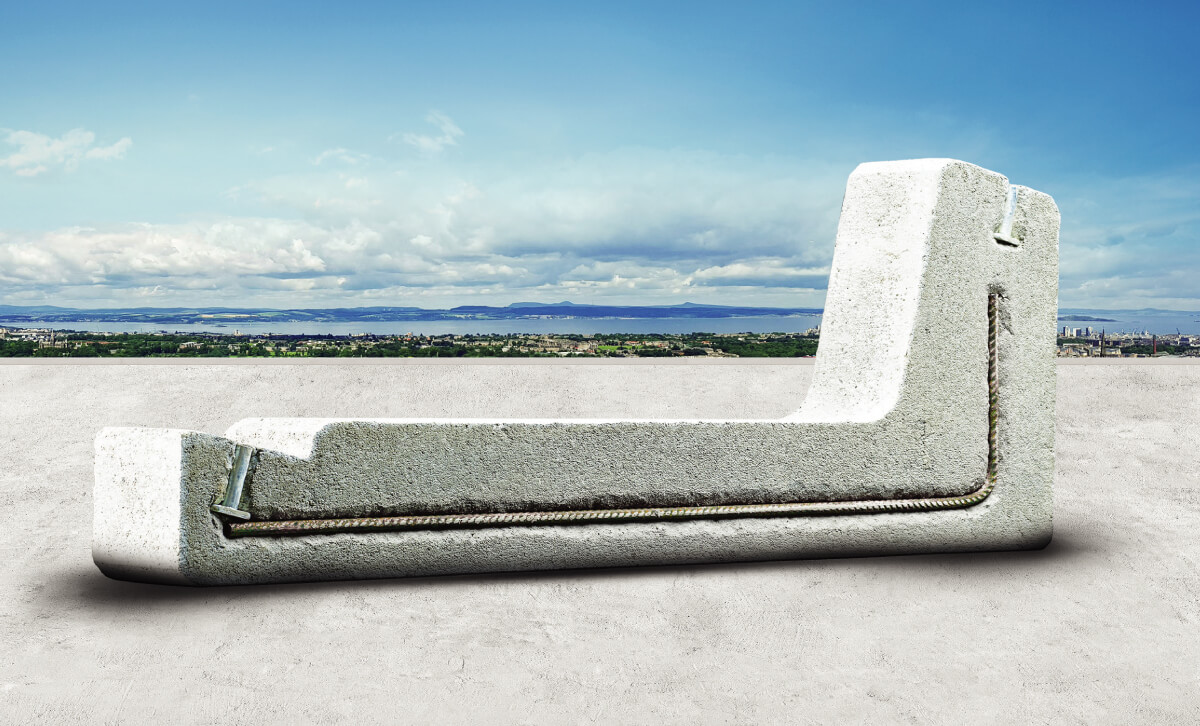
PV support on flat roofs: faster installs,
fewer risks
Choosing the right pv support is the difference between a smooth
installation and days lost solving on-site issues. On flat roofs—especially common across
Italy’s industrial buildings—installers and designers need a mounting system that is quick to
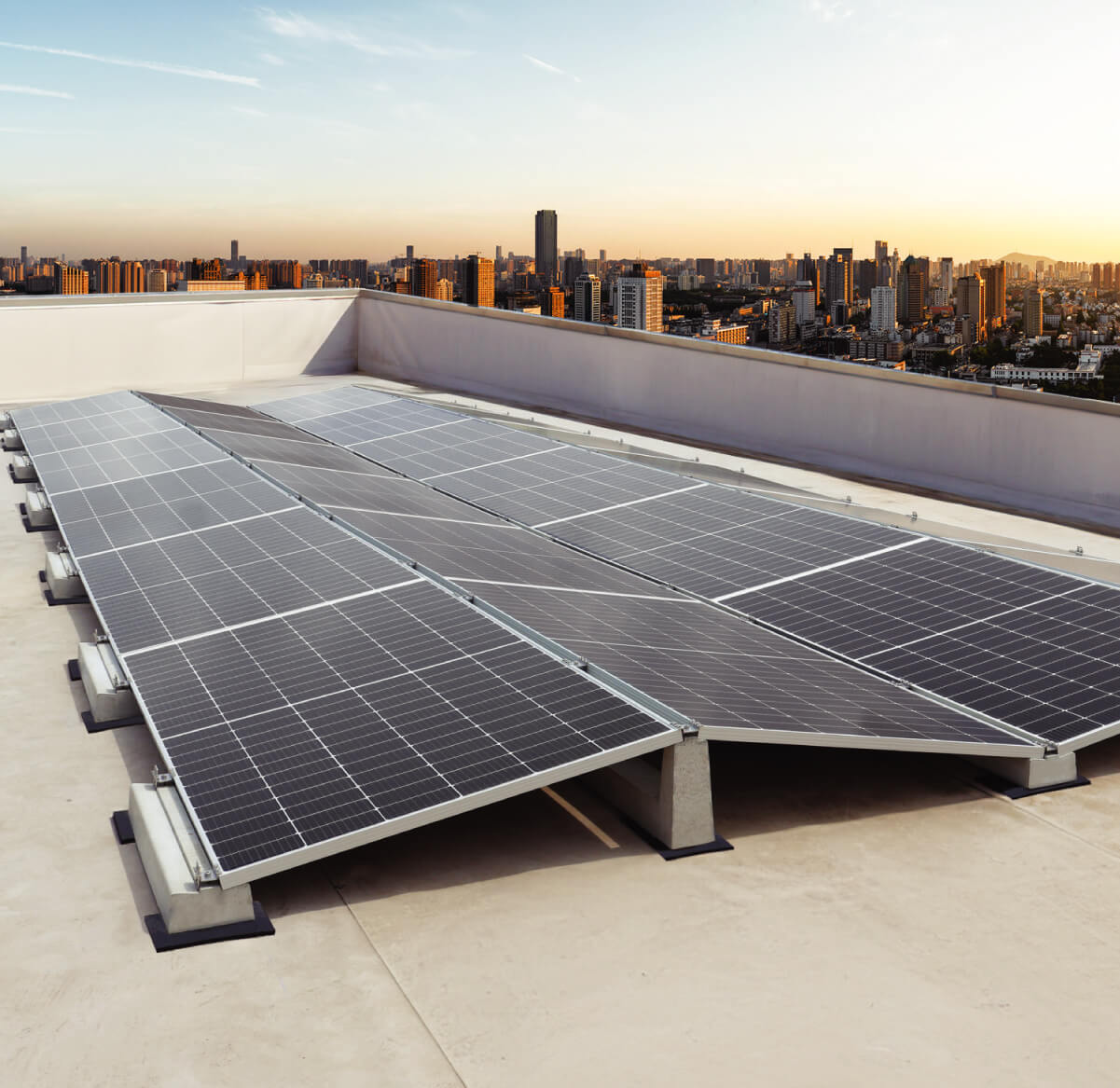
assemble, stable under wind loads, and kind to the roof membrane. Ballasted photovoltaic
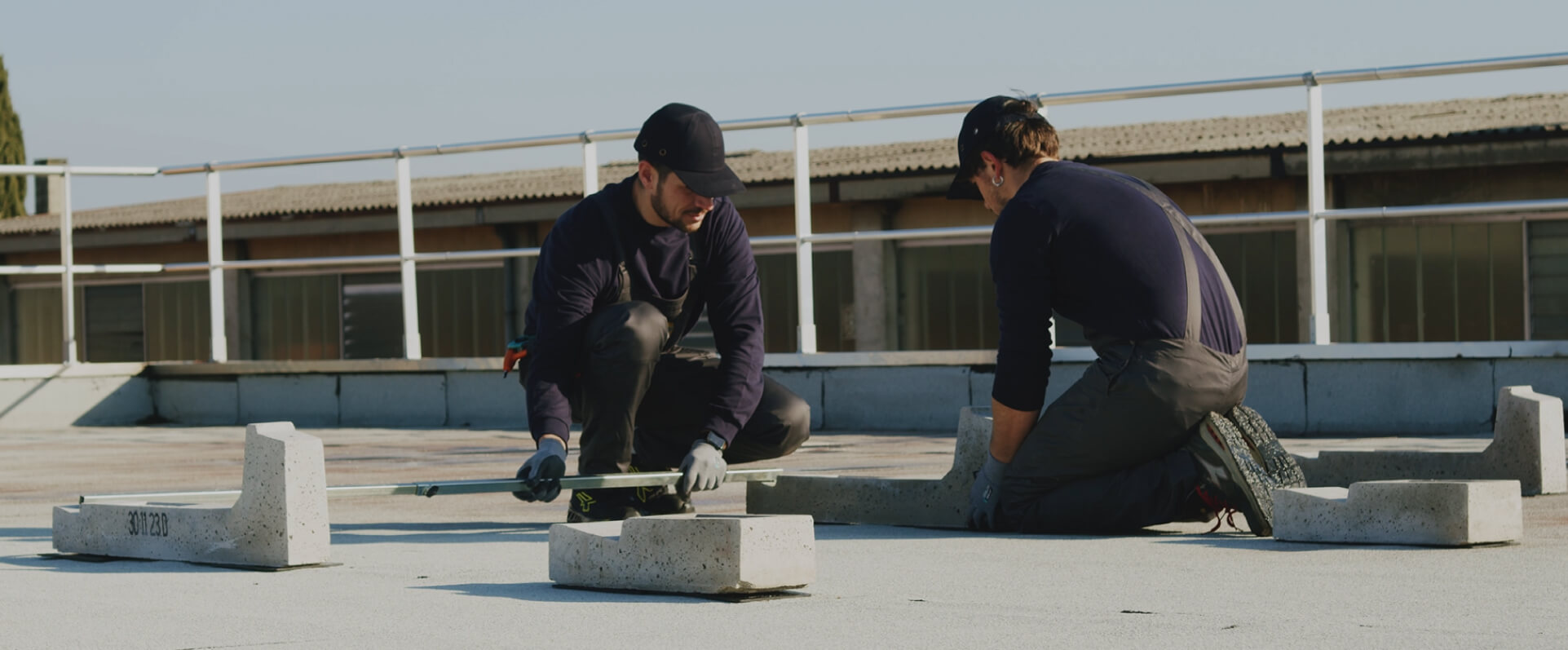
supports answer that need by keeping panels firmly in place without drilling or waterproofing
repairs. That means fewer components to manage, fewer tools on the roof, and less uncertainty
when the schedule is tight.
A modern pv support system for flat roofs should combine speed with engineering confidence:
defined tilt options, predictable load distribution, and documentation that helps with project
approval. For installers, this translates into simpler logistics and repeatable workflows. For
engineers and technical offices, it reduces calculation headaches by relying on tested
configurations and clear data for sizing. For distributors, it’s a product category that’s easy
to explain and consistently requested.
In practice, the biggest advantage is risk reduction. Avoiding roof penetrations lowers the
chance of leaks, callbacks, and disputes—protecting margins and reputation. When you can place,
align, and secure modules using integrated ballast-based supports, you also minimize downtime
caused by weather changes or unexpected roof conditions. If your goal is to deliver more
kilowatts per week, a robust pv support built for flat roofs is one of the smartest choices you
can make in today’s Italian solar market.
Why ballast-based photovoltaic supports
simplify design and compliance
A reliable pv support is not just a “mounting structure”; it’s a
technical solution that must perform over decades. On flat roofs, the key variables are wind
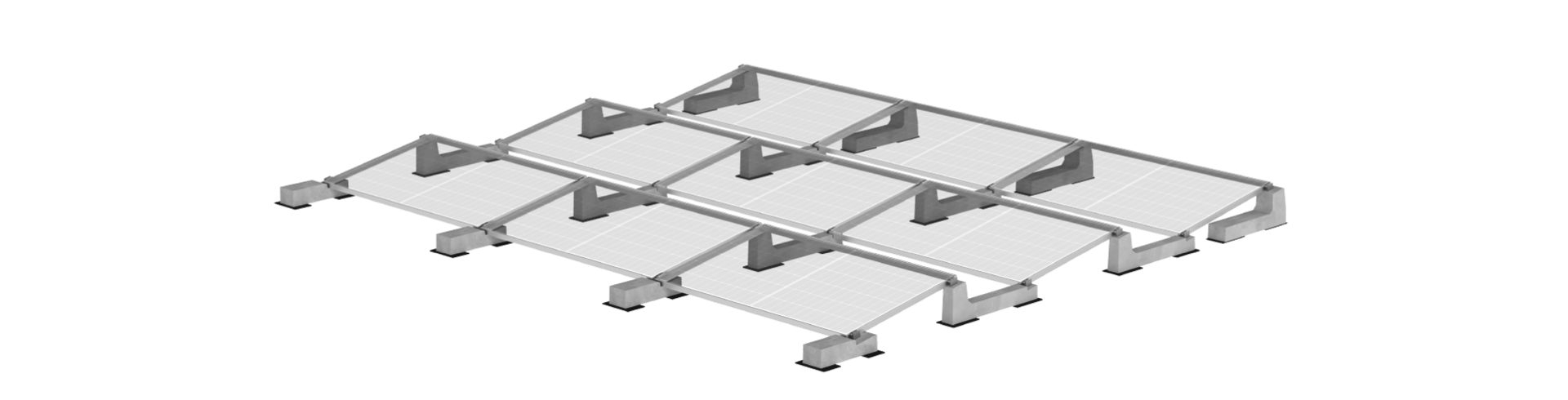
uplift, roof load limits, and drainage paths. Ballast-based systems distribute weight evenly and
can be configured to meet specific project constraints, helping teams avoid overcomplicated
substructures.
For design professionals, having access to technical assistance during planning is crucial.
Proper sizing—based on site exposure, module layout, and structural limits—helps reduce
liability and speeds up sign-off. Tested components, durable materials, and standardized
configurations give you confidence that the photovoltaic mounting solution will behave as
expected.
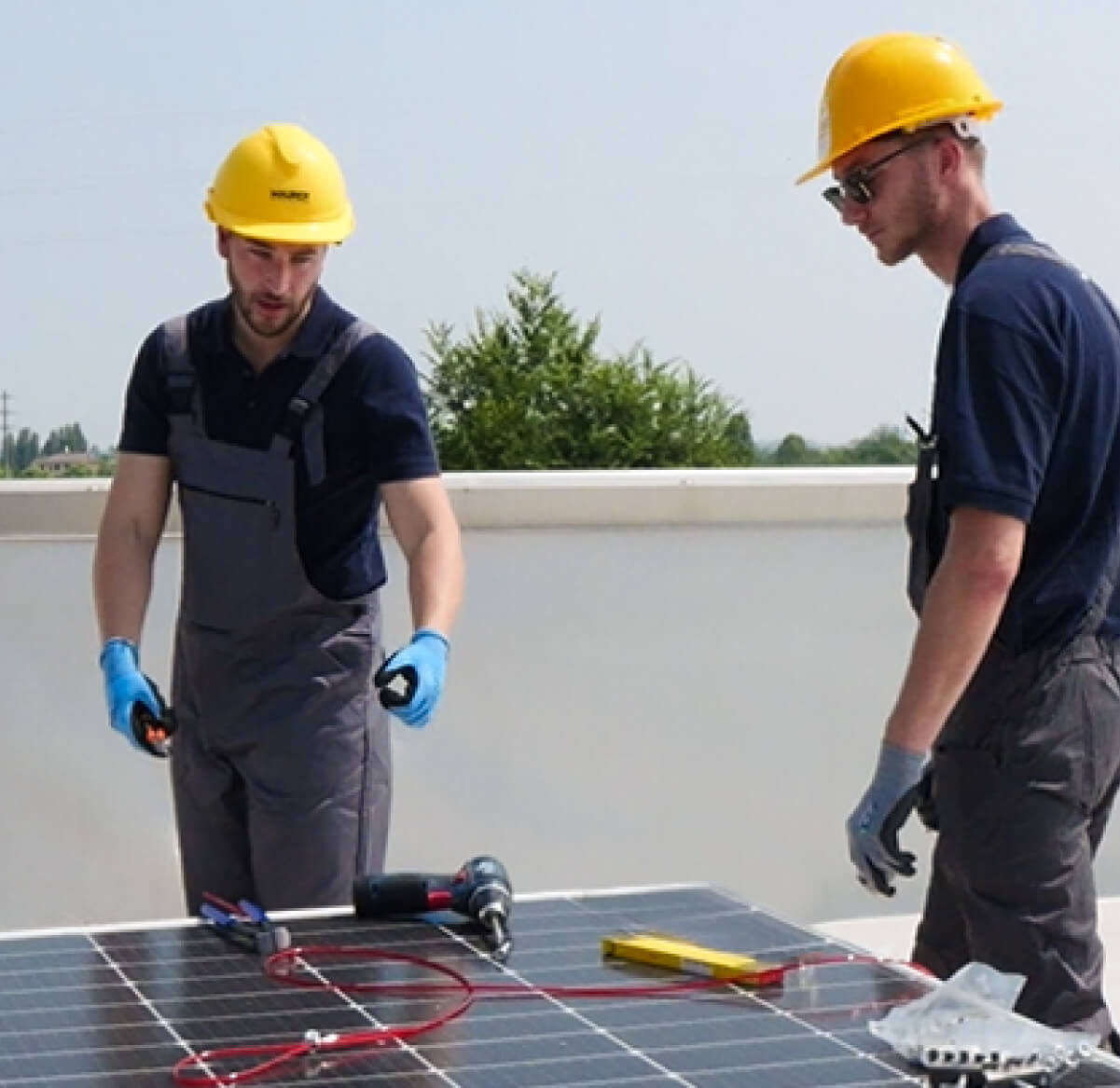
Installers benefit from intuitive assembly, reduced part counts, and faster positioning. With
fewer steps and no membrane perforation, on-site coordination becomes easier, especially on
large commercial rooftops. The result is a cleaner workflow: less rework, fewer surprises, and a
more predictable handover.
A complete partner approach for installers,
engineers, and distributors
In B2B solar projects, you’re rarely buying a product alone—you’re
buying certainty. The best pv support suppliers act as technical partners, offering guidance
from preliminary layout to execution details. That includes support during design, system
sizing, commercial assistance, and project development until installation is ready to run.
For installers, this partnership means faster decision-making and fewer site delays. For
engineering teams, it means dependable data and proven solutions that help manage
responsibility. For distributors, it means a recognizable, easy-to-sell flat-roof mounting
category backed by consistent demand.
If you operate in Italy and want a flat-roof photovoltaic support solution that prioritizes
reliability, simplicity, and ongoing innovation, focus on ballast-based pv support systems
designed to eliminate roof penetrations and streamline every phase of the job.