Why a PV Support Structure Matters on Italian
Flat Roofs
In Italy, flat roofs on industrial buildings, warehouses, and
commercial sites offer excellent space for solar—but they also bring very specific challenges. A
well-designed pv support structure is what turns a good PV layout into a safe, durable, and
easy-to-install system. Installers want speed on site, fewer components, and zero surprises
during commissioning. Designers and engineers need verified data for wind loads, ballast
calculations, and roof bearing capacity. And distributors look for solutions that are
straightforward to specify and consistently in demand. For flat roofs, the priority is often to
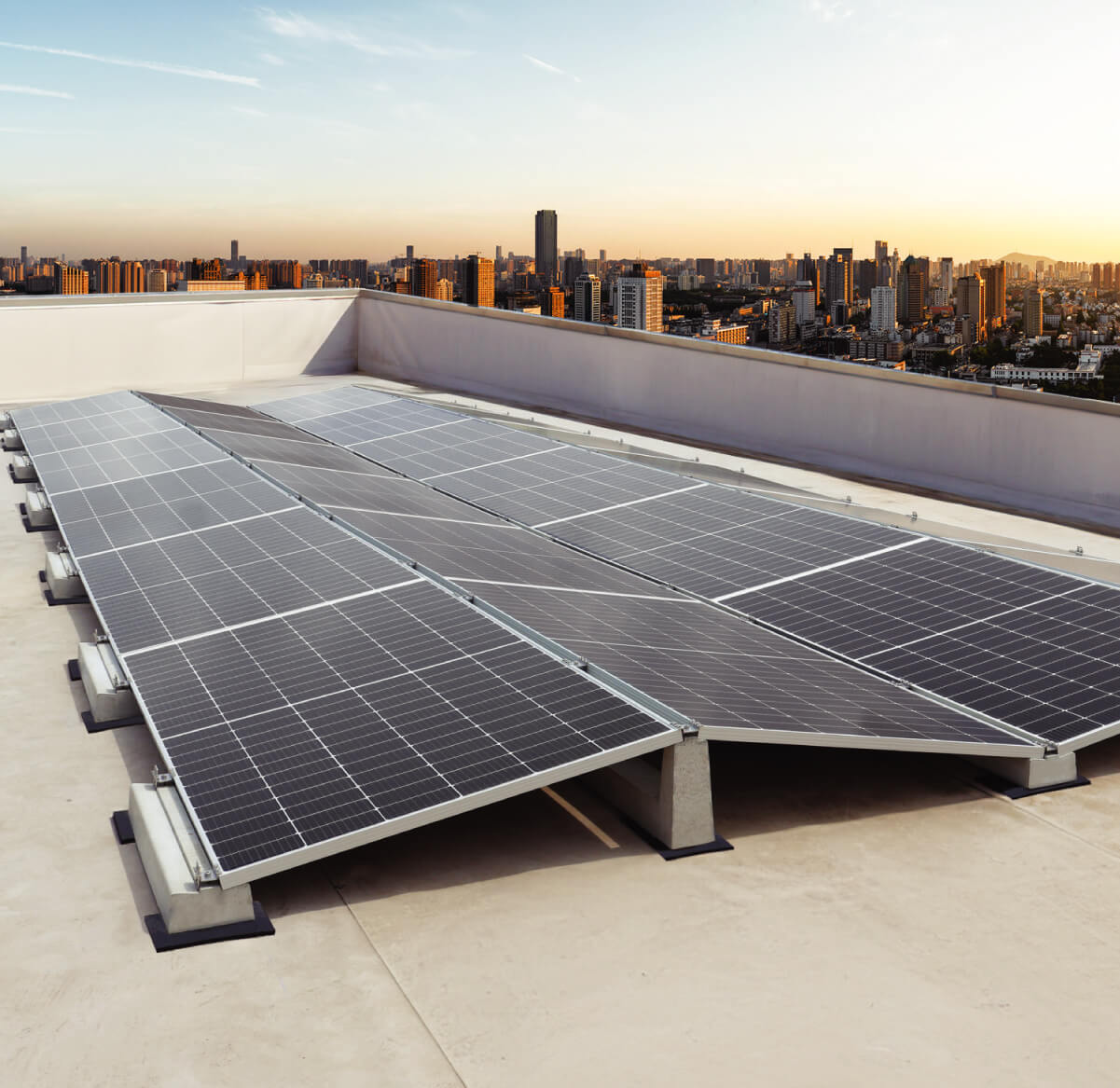
avoid membrane damage and reduce waterproofing risk. That’s where a ballasted pv support
structure becomes a practical choice: it helps keep the roof intact by eliminating the need for
drilling, while still delivering stable panel positioning. The right structure also improves
installation workflow—pre-defined tilt options, repeatable assembly steps, and minimal small
parts can make a real difference when you’re managing multiple arrays. Beyond hardware, a
complete approach includes technical guidance during design, accurate system sizing, and project
assistance through execution. When these elements come together, you gain faster installations,
reduced site complexity, and a solution that feels like a reliable technical partnership—not
just a box of components. For professionals working across Italy’s diverse wind zones and
building types, that reliability is the real advantage.
Ballasted Solutions: Faster Installation,
Lower Roof Risk
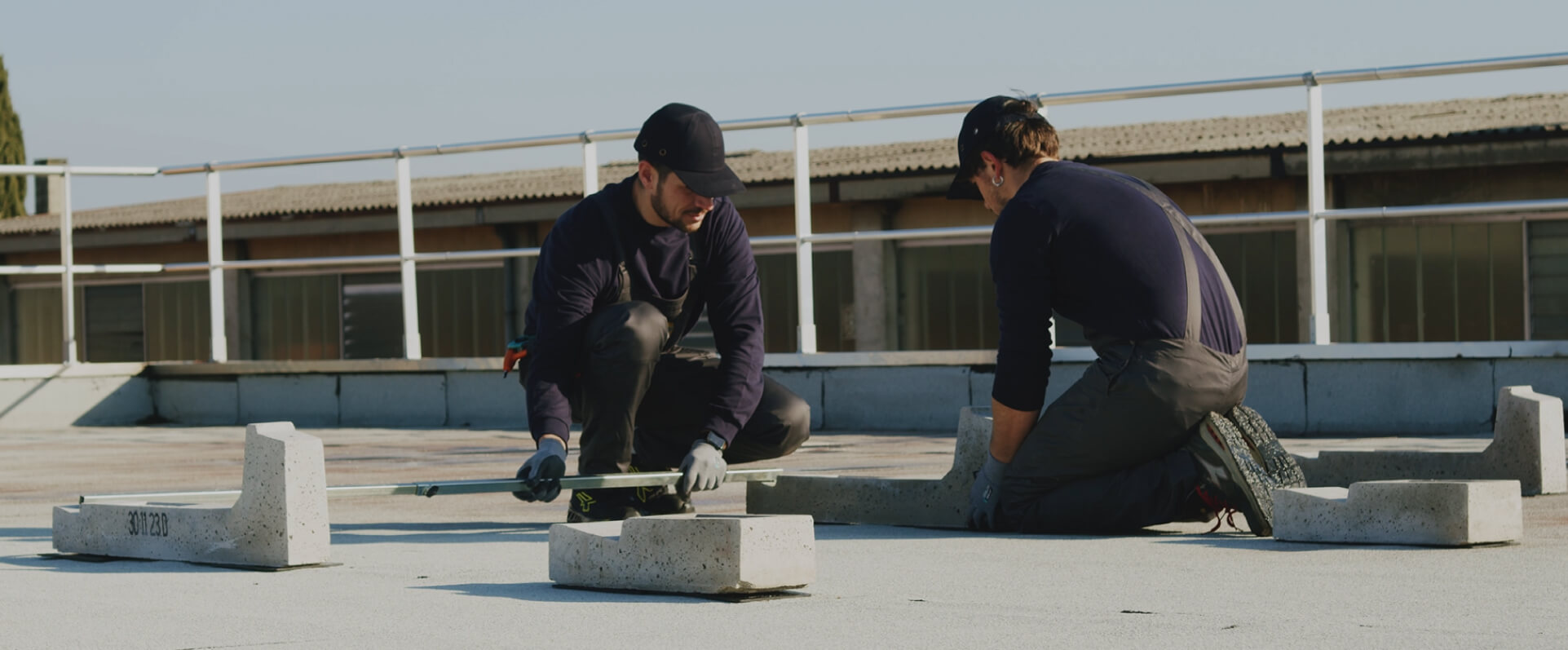
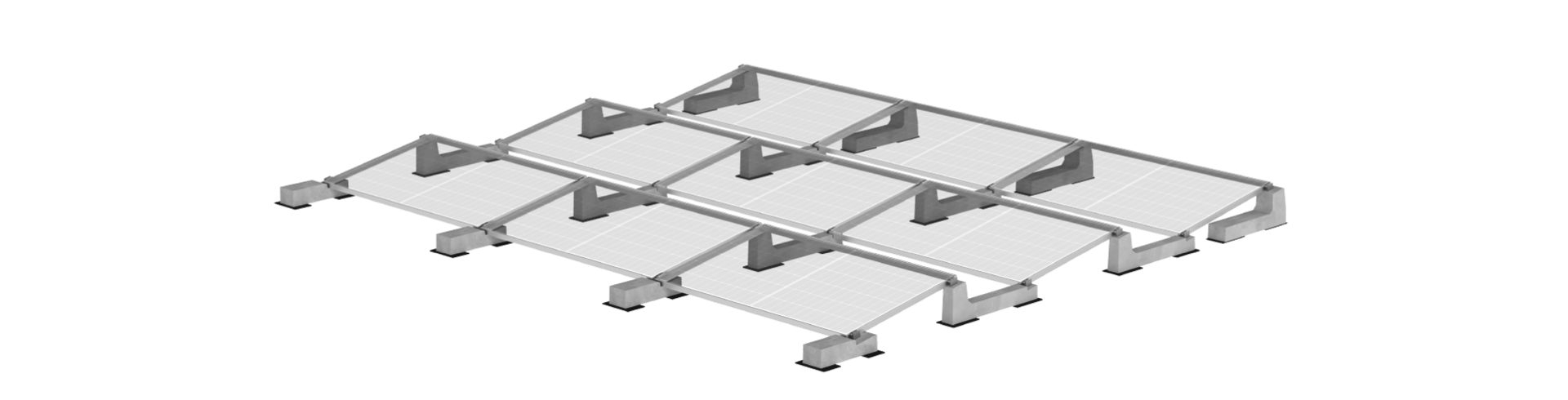
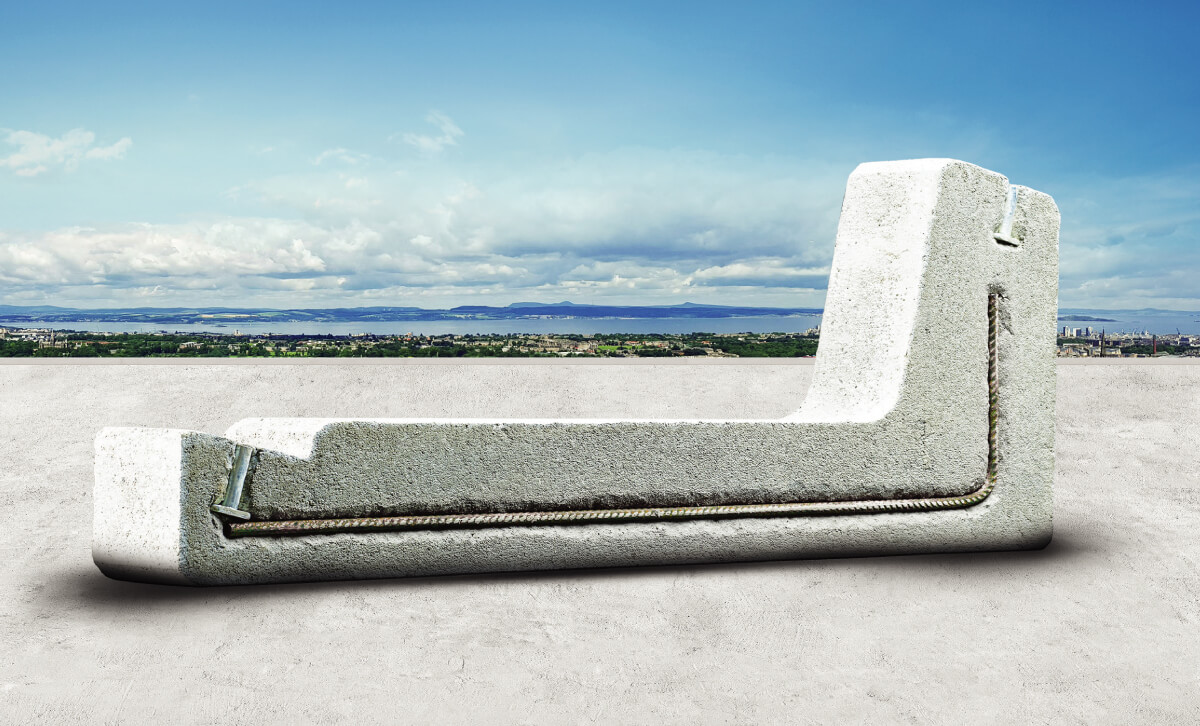
A ballasted pv support structure uses weight—typically concrete
ballast—to keep modules secure without penetrating the roof. For installers, this can mean fewer
steps, cleaner logistics, and shorter project timelines, especially on large flat roofs where
hundreds of fixing points would otherwise slow the crew down. With no roof perforations, you
also reduce the risk of leaks and limit the need for complex waterproofing details, which helps
avoid callbacks and disputes. From a design perspective, ballast-based systems can simplify
detailing because the interface with the roof is less invasive, while still allowing you to
manage critical parameters such as row spacing, tilt angle, and aerodynamic behavior. Key
related considerations include wind uplift resistance, load distribution, roof protection
layers, drainage pathways, and safe maintenance access. When a pv support structure is
engineered and tested for these conditions, it becomes easier to standardize your process: you
can replicate layouts across sites, estimate labor more accurately, and keep your team focused
on quality. For distributors, the appeal is clear too—an intuitive system with clear
configurations is easier to explain, stock, and support. Ultimately, the best ballasted solution
is the one that balances stability and speed, while giving professionals the technical
information they need to sign off the project with confidence.
What Professionals Should Look for in a PV
Support Structure Partner
Choosing a pv support structure is not only about the product;
it’s also about the level of support you receive before and during installation. Professionals
in Italy benefit most from solutions that come with technical assistance for preliminary design,
help with array sizing, and clear documentation for load checks and wind verification. Look for
systems built around reliability—solid, durable components with proven testing—and simplicity,
meaning fewer parts, intuitive assembly, and predictable results on site. Innovation matters
too: new roof types, evolving regulations, and higher-performance modules require continuous
development in mounting solutions. A strong technical partner can help you optimize tilt, manage
shading constraints, and plan efficient material handling, so crews spend less time
troubleshooting and more time installing. For engineering teams, having dependable data reduces
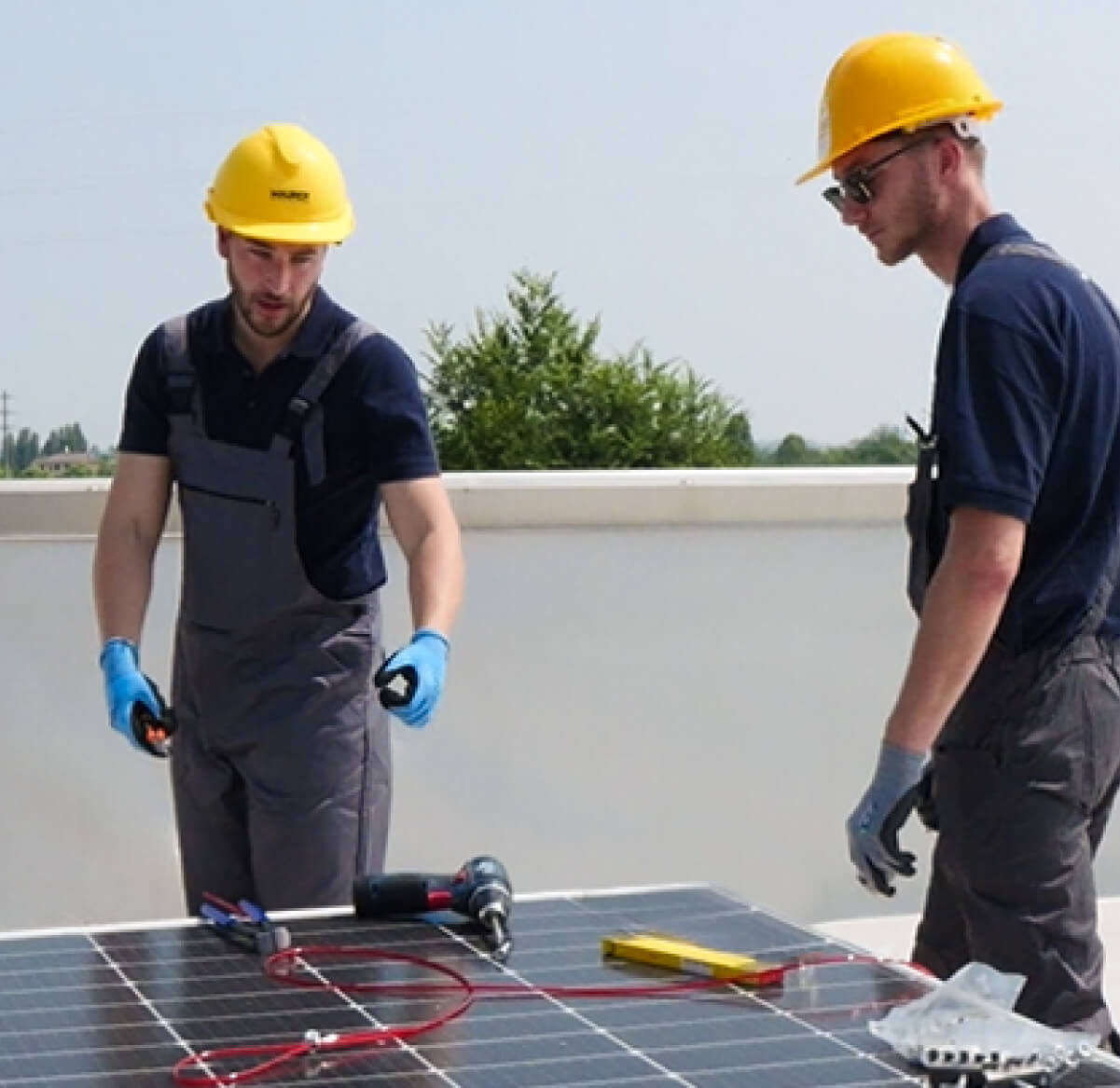
responsibility stress and speeds up approvals. For installers, the practical payoff is faster
mounting with fewer risks on the waterproofing layer. And for commercial teams, an established,
easy-to-position pv support structure supports repeat sales because it solves real problems that
customers recognize immediately. If your goal is to deliver flat-roof PV projects that are safe,
efficient, and repeatable, prioritize a solution that combines no-drill installation, smart
ballast design, and end-to-end project support—so every site feels less complicated and every
handover feels more secure.