PV structures that make flat-roof solar
simpler in Italy
Choosing the right pv structures is one of the fastest ways to cut
installation time, avoid on-site surprises, and deliver a clean, professional photovoltaic
system on flat roofs. In Italy, where waterproofing integrity and wind loads are constant
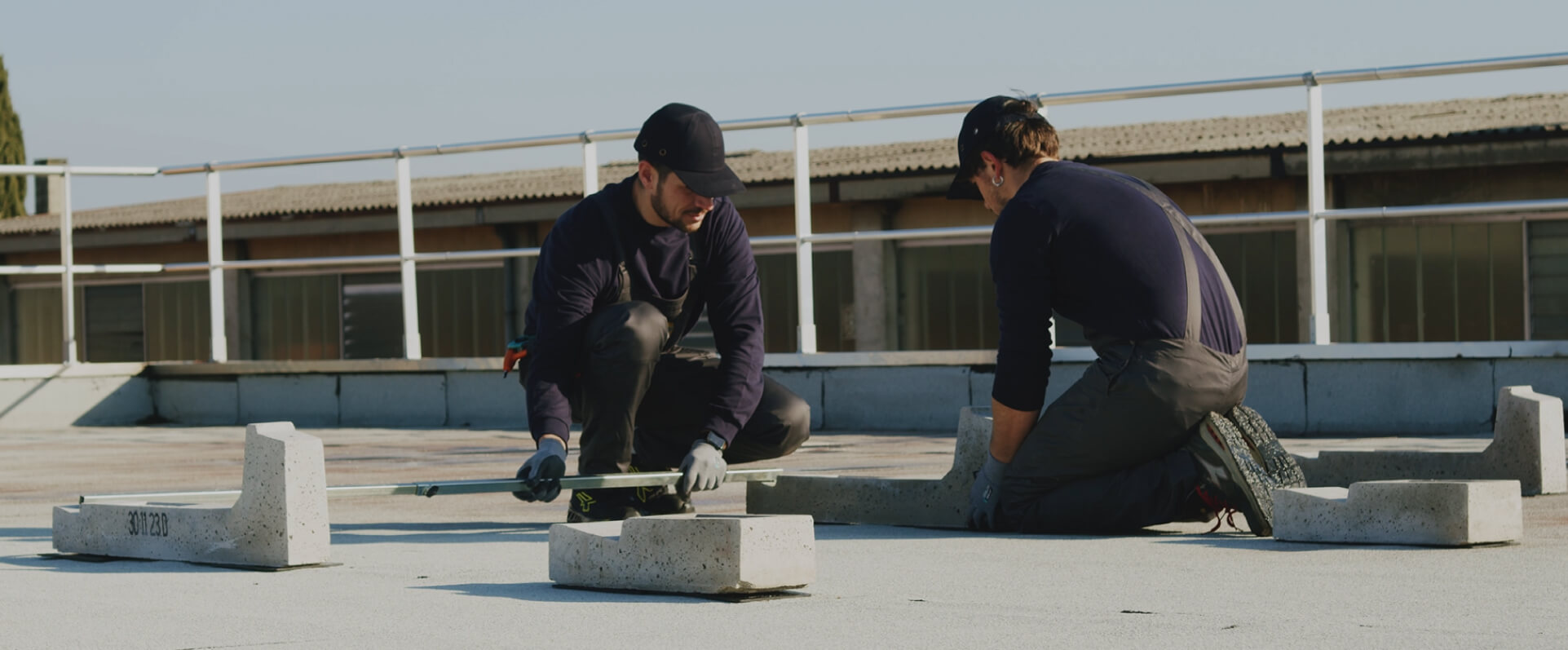
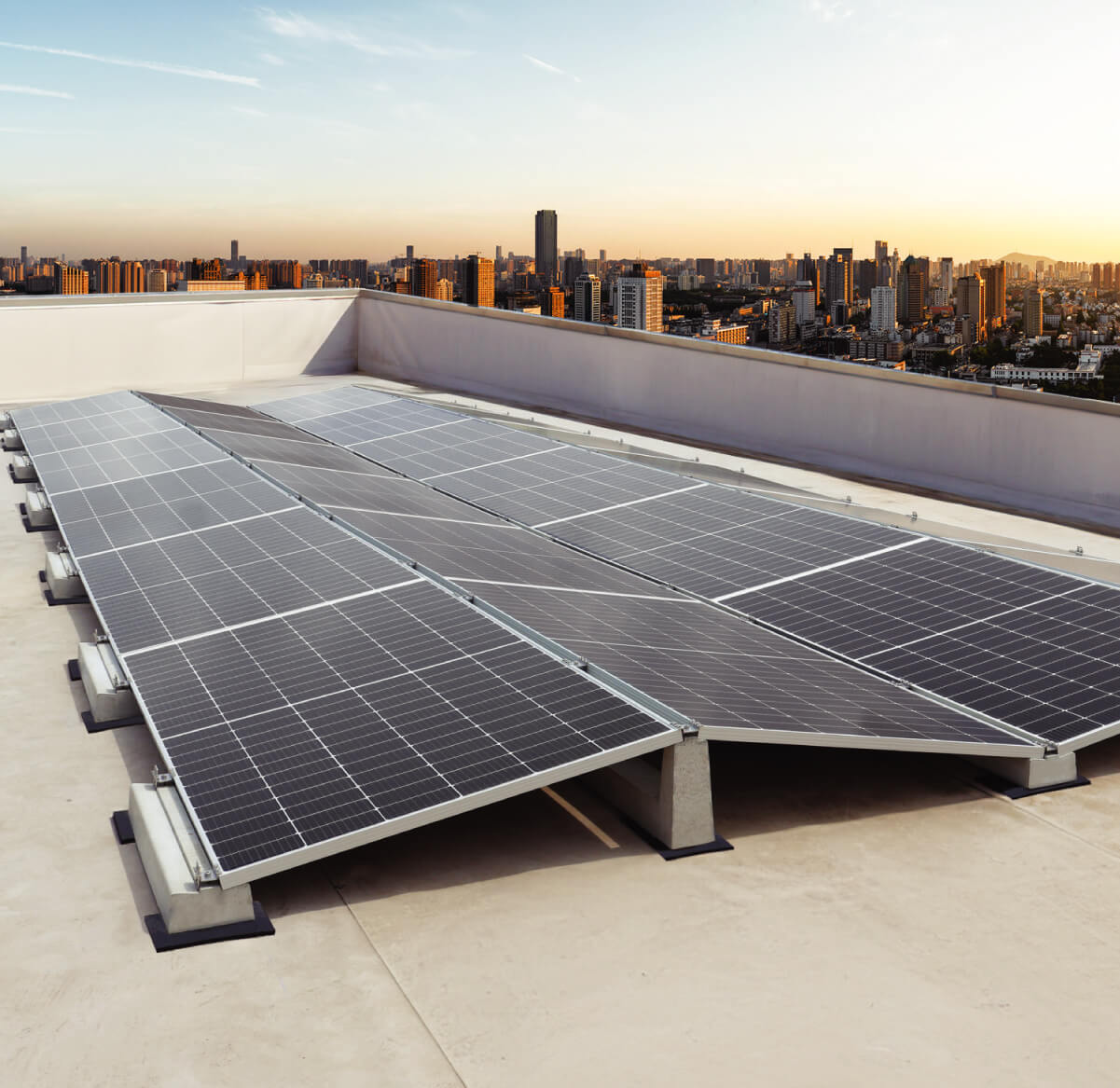
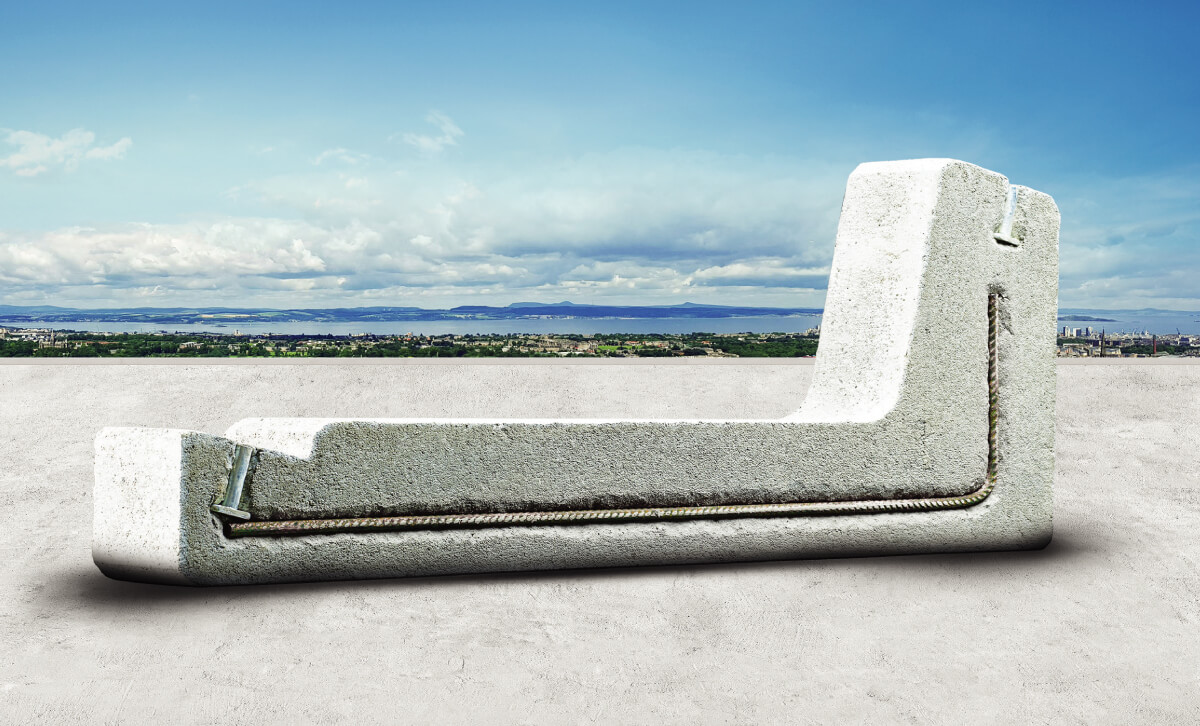
concerns, a non-penetrating approach can make a real difference. Ballasted mounting systems use
engineered concrete weights to secure PV modules without drilling into the roof membrane,
helping protect the building envelope while keeping the workflow straightforward. For
installers, that means fewer components to manage, faster positioning, and easier
alignment—especially on large commercial rooftops. For designers and engineers, it means working
with tested solutions, predictable roof loads, and clear documentation to support calculations
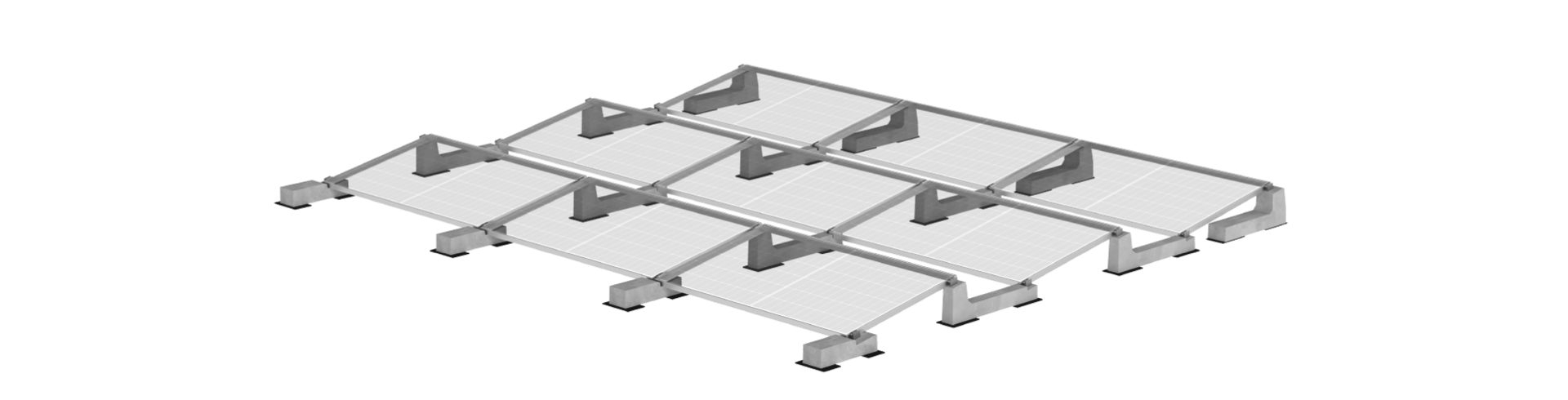
and compliance. Modern pv racking for flat roofs should also support common module sizes, allow
for efficient cable management, and enable optimized tilt angles to balance energy yield and
spacing. When pv mounting structures are designed as a complete system—rather than a collection
of parts—you gain repeatability across projects and reduce the risk of delays. If your priority
is to install more systems with less complexity, ballasted pv structures are a practical, proven
path for flat-roof PV in the Italian market.
Why non-penetrating ballasted PV mounting
matters
Flat roofs often come with strict constraints: waterproof layers,
limited load margins, and the need to minimize disruption to the site. Non-penetrating pv
structures address these challenges by eliminating roof fixings, which can reduce leakage risk
and simplify approvals with building owners. On-site, crews typically appreciate the speed:
place the ballast, mount the panels, and move on—without specialized drilling equipment or
time-consuming sealing steps. From a technical perspective, ballasted systems support robust
wind resistance when properly sized, while distributing weight in a controlled way across the
roof surface. This can be especially valuable for industrial buildings and warehouses where
downtime is costly. Terms you’ll hear frequently in these projects include ballasted PV racking,
flat roof solar mounting, concrete ballast supports, wind load sizing, and roof load
distribution—each directly tied to system reliability. For B2B professionals, the biggest
advantage is consistency: a standardized pv mounting solution that reduces variability between
sites and helps teams deliver predictable results project after project.
A technical partner approach for installers,
designers, and distributors
Successful flat-roof solar projects rarely depend on hardware
alone. The best outcomes come when pv structures are backed by real engineering support—help
with preliminary layouts, system sizing, and the practical details that keep a jobsite running
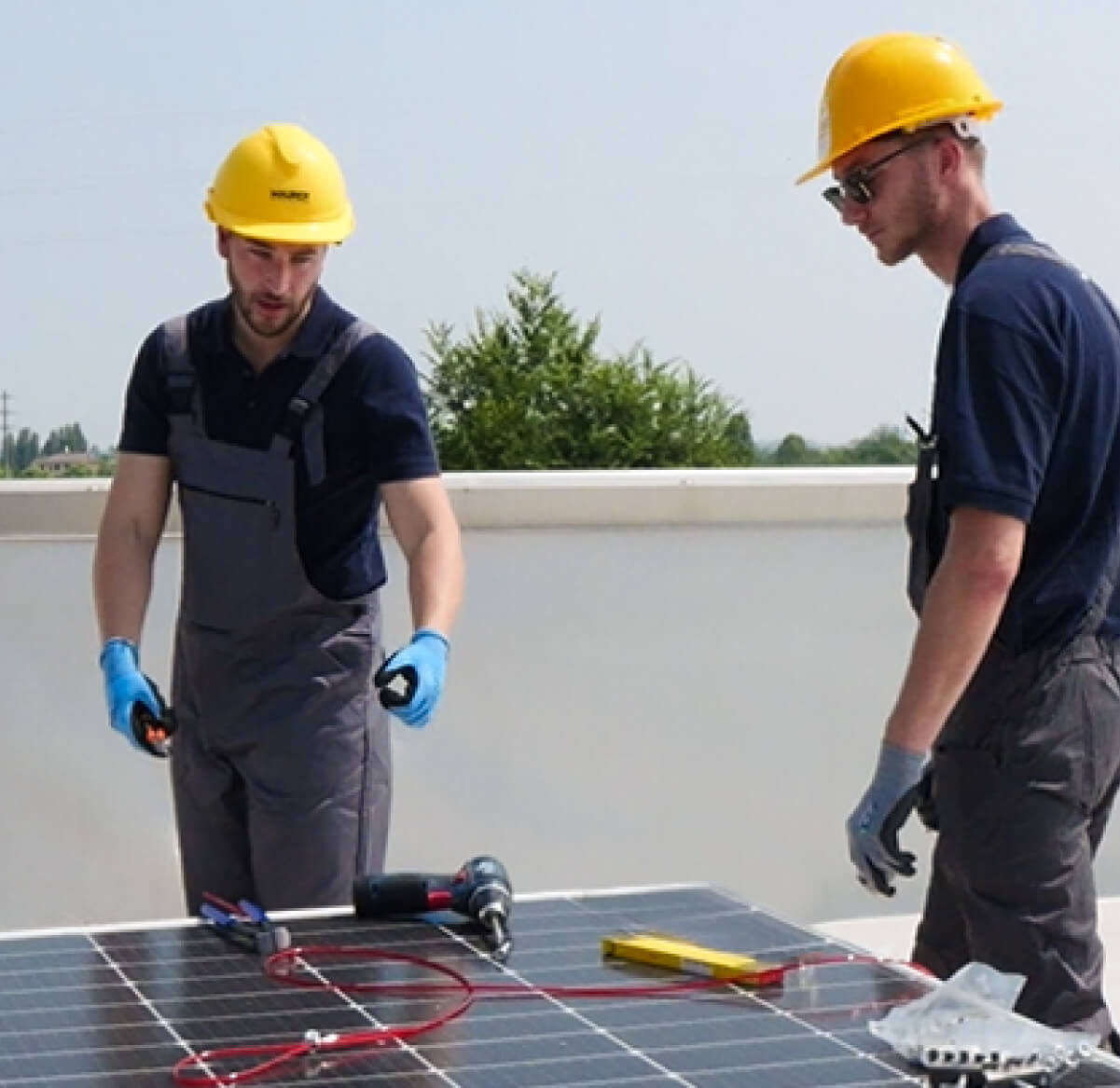
smoothly. Installers benefit from solutions built for simplicity: fewer parts, intuitive
assembly, and fast installation that scales on large rooftops. Designers and engineering offices
need reliable data for wind and load assessments, along with tested configurations that reduce
project risk. Distributors value products that are easy to explain and in steady demand,
supported by clear technical materials. A complete service model—technical guidance during
design, accurate dimensioning, commercial assistance, and project development through
execution—turns pv mounting structures into a repeatable, low-stress workflow. If you’re working
on flat roofs in Italy and want to reduce complexity without compromising durability, choose pv
structures designed to be solid, quick to install, and supported like a true technical
partnership.