A PV Structure Designed for Flat Roof Speed
and Safety
Choosing the right pv structure can make the difference between a
smooth installation and days of delays on site—especially on flat roofs, where waterproofing and
load management are critical. In the Italian market, installers and designers are increasingly
looking for mounting systems that simplify work, reduce risk, and deliver repeatable results. A
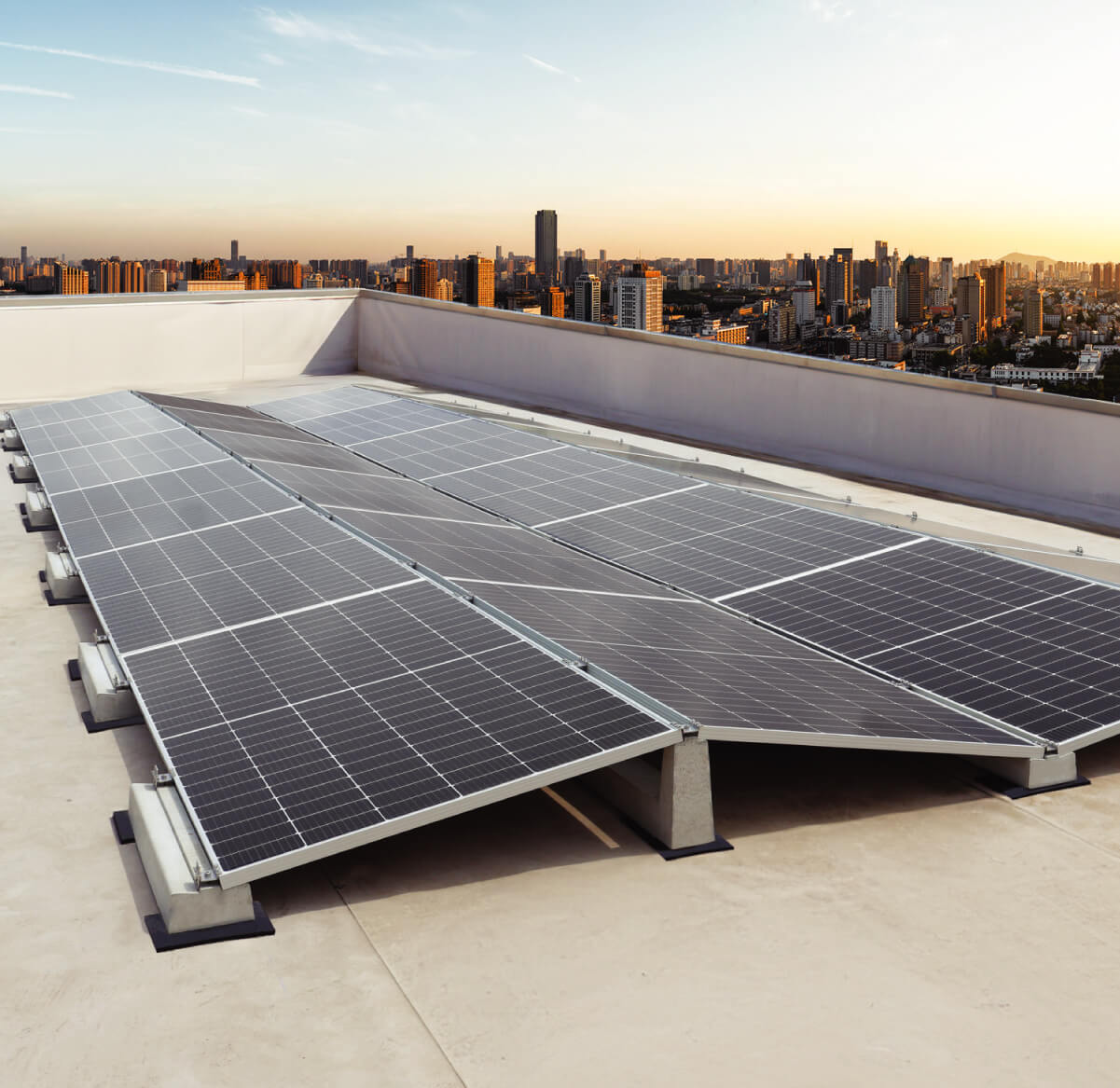
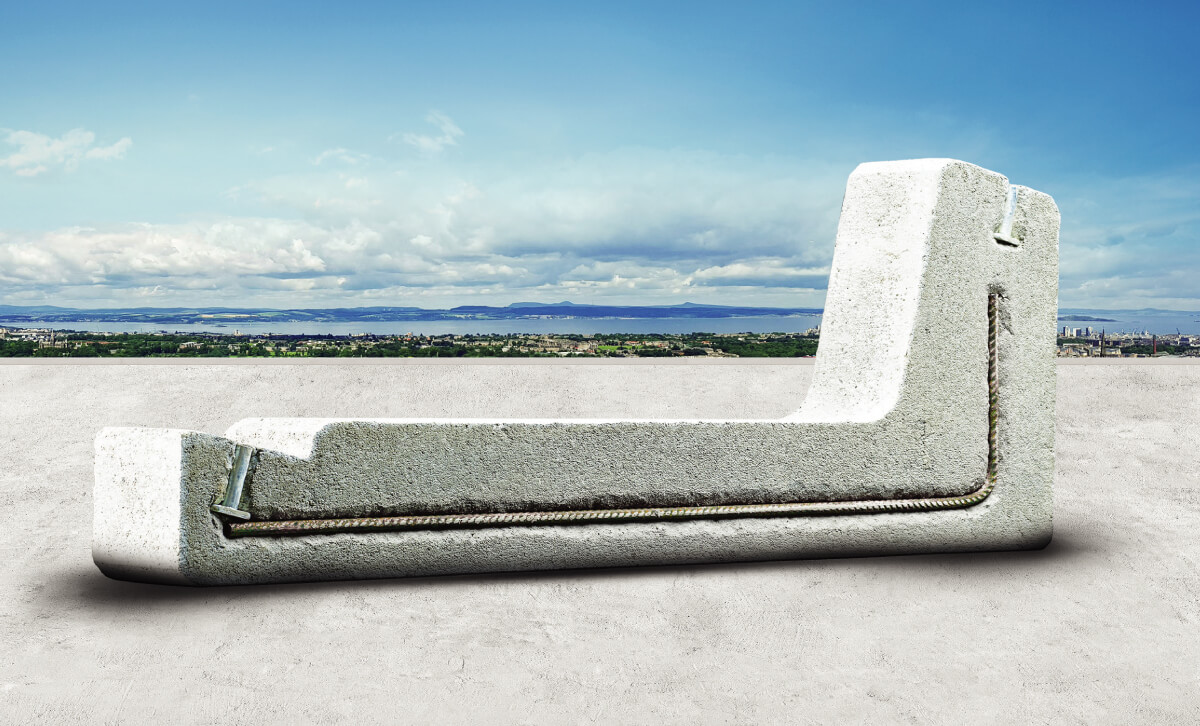
ballast-based pv structure answers these needs by eliminating roof penetrations: no drilling
means fewer waterproofing issues, fewer callbacks, and greater peace of mind for everyone
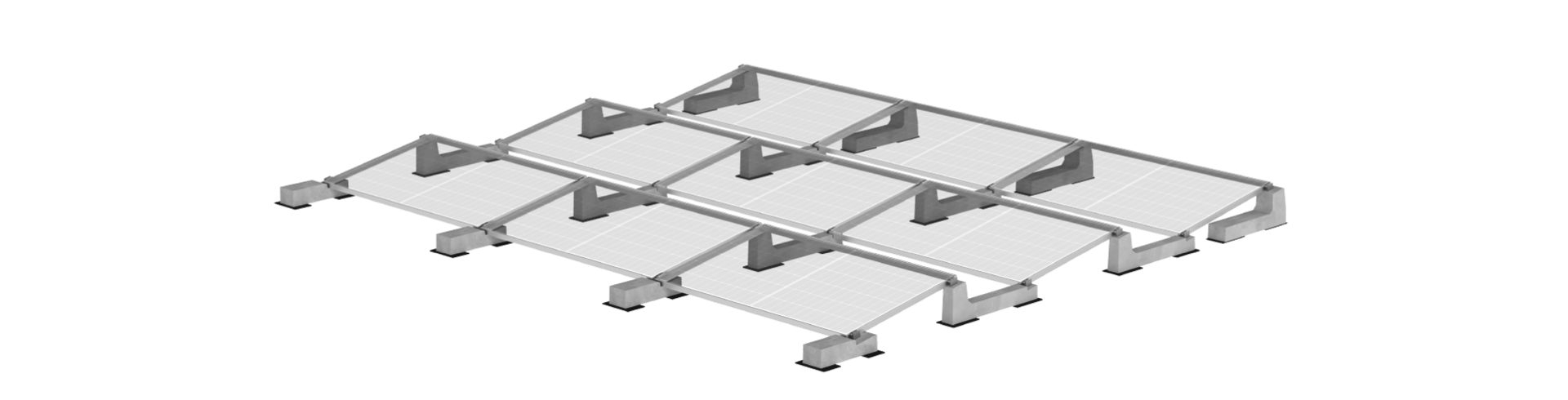
involved. Concrete ballast solutions also help streamline logistics because the system is built
around stable, pre-engineered supports with fewer components to assemble. For photovoltaic
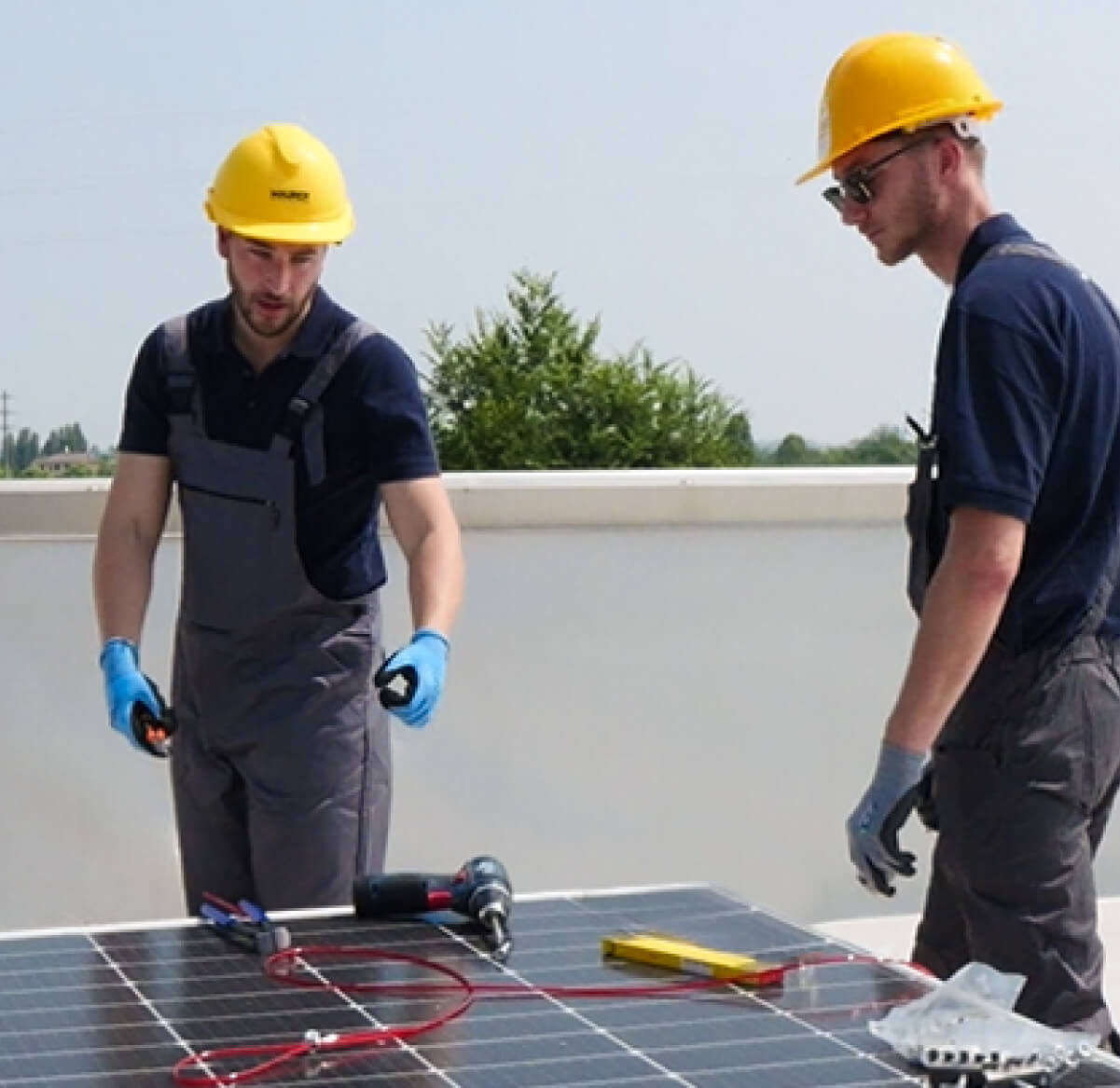
installers, that translates into faster installation times, cleaner workflows, and fewer
surprises when the weather changes or the schedule tightens. For engineers and technical
studios, it means having tested data and dependable parameters to support sizing and
verification—wind loads, structural loads, and layout choices can be handled with clearer
assumptions. And for distributors, a recognizable flat-roof pv structure is easier to position
because the value is immediate: speed, simplicity, and reliability. If your goal is to build
more PV projects with less complexity, a no-penetration flat-roof mounting approach is one of
the most practical upgrades you can make.
Why Ballasted Mounting Reduces Complexity on
Site
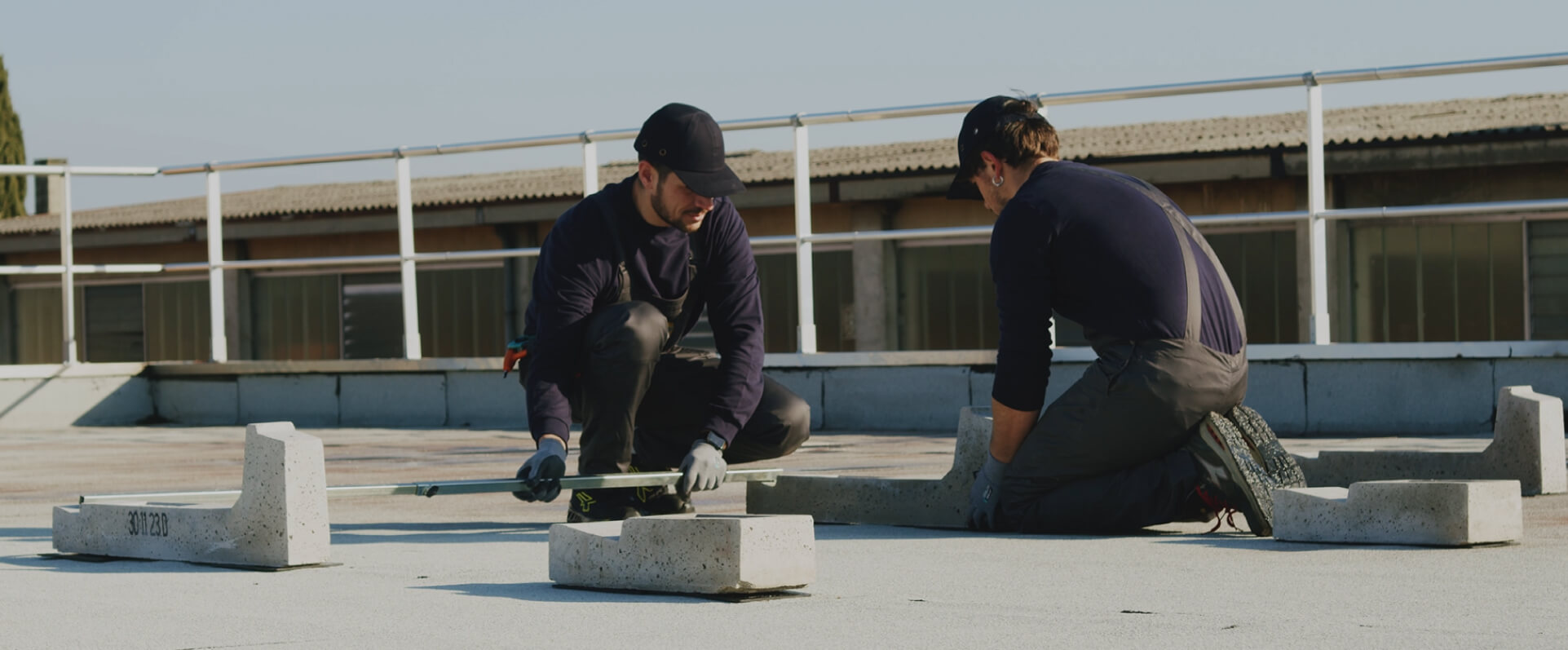
A well-designed pv structure for flat roofs should reduce steps,
not add them. Ballasted systems are built to minimize components and avoid invasive fixing
points, helping crews work efficiently and safely. Because the roof membrane remains intact, the
risk of leaks is dramatically reduced, and handover to the client becomes easier. This is
particularly valuable on industrial buildings and commercial rooftops, where downtime and
maintenance issues can be costly. With preconfigured tilt options and intuitive assembly,
installers can standardize their process across multiple projects. In practice, this means fewer
tools, fewer errors, and faster commissioning. Related benefits often include cleaner cable
management options, predictable row spacing, and easier planning for shadows and orientation.
Technical Support and Reliable Data for
Professionals
Beyond the physical pv structure, professionals in Italy
increasingly expect a complete solution: technical support during design, reliable sizing
assistance, and help moving from draft to execution. For designers, having access to verified
performance data and tested configurations reduces responsibility risk and speeds up approvals.
For installers, responsive support helps solve site questions quickly—layout changes,
constraints, and load checks. And for wholesalers, a technically robust flat-roof photovoltaic
mounting system is easier to recommend because it delivers consistent results. If you want a pv
structure that prioritizes reliability, simplicity, and ongoing innovation—without naming
compromises on the roof—choose a proven ballasted approach tailored for flat-roof PV projects.