Faster Flat-Roof Installations with PV Solar
Panel Roof Mounting Systems
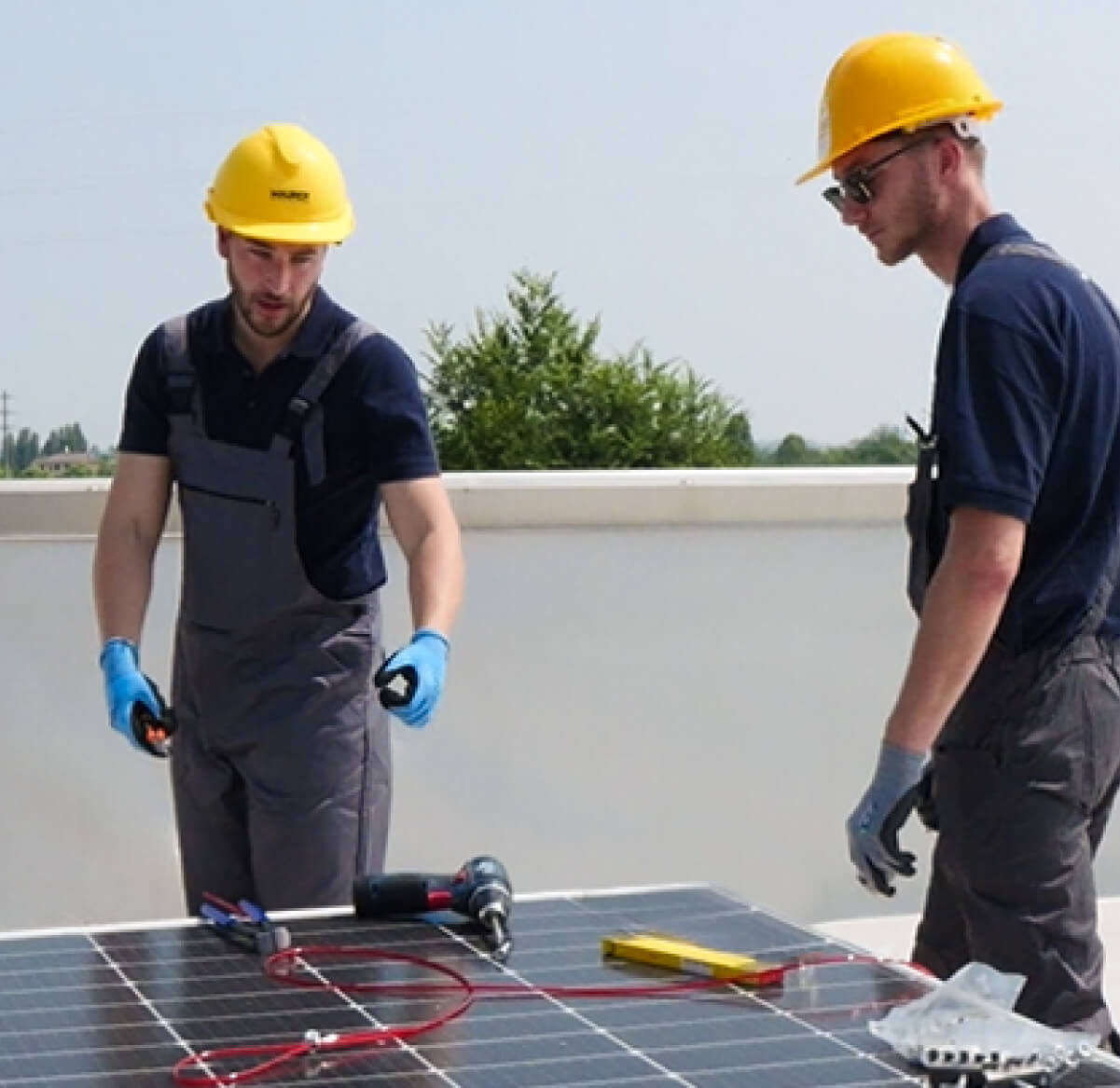
In Italy, flat roofs are a huge opportunity for solar—yet they
often come with the same headaches: waterproofing concerns, long installation times, and complex
structures that slow crews down. That’s why pv solar panel roof mounting systems designed for
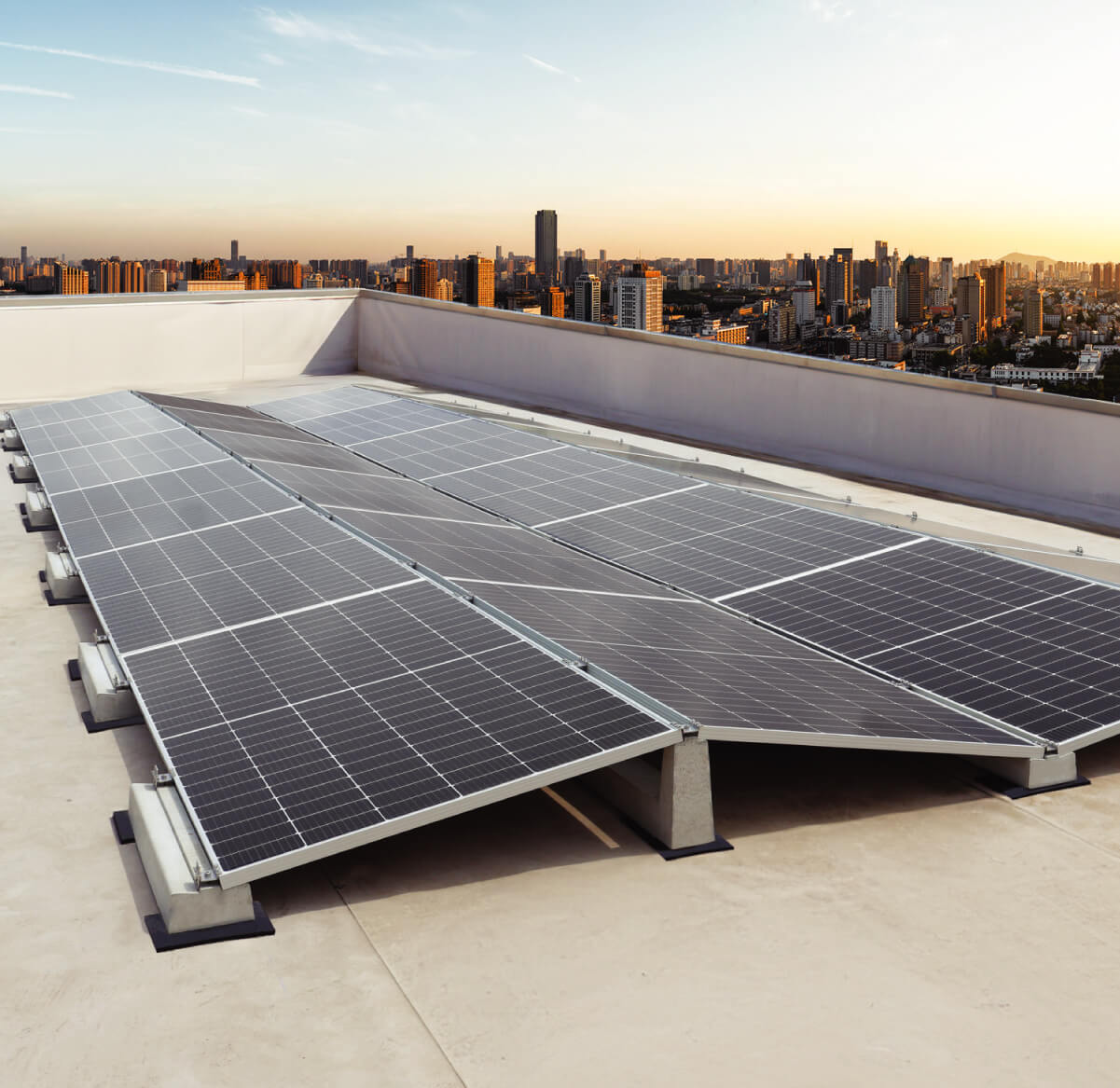
flat roofs are becoming the go-to choice for professional installers and EPC teams. A
well-engineered solution helps you place modules quickly, maintain a clean roof surface, and
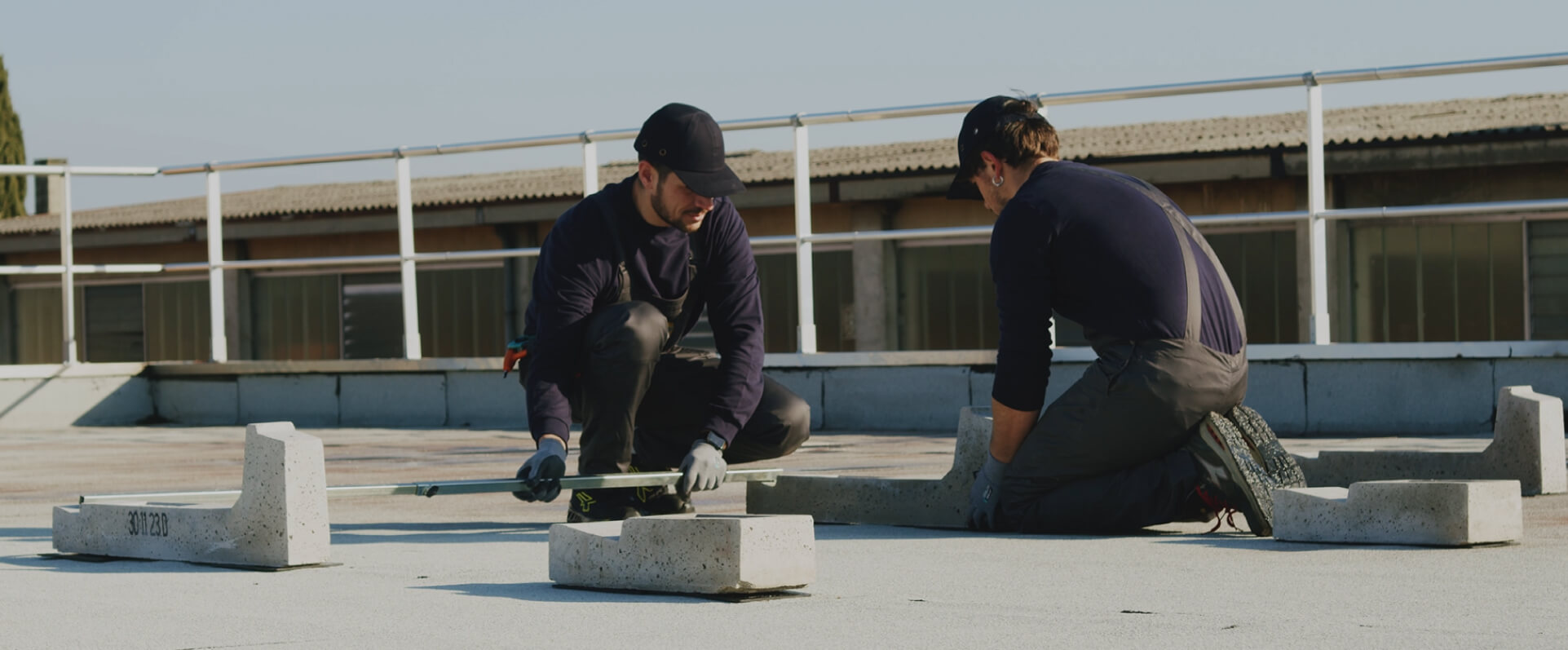
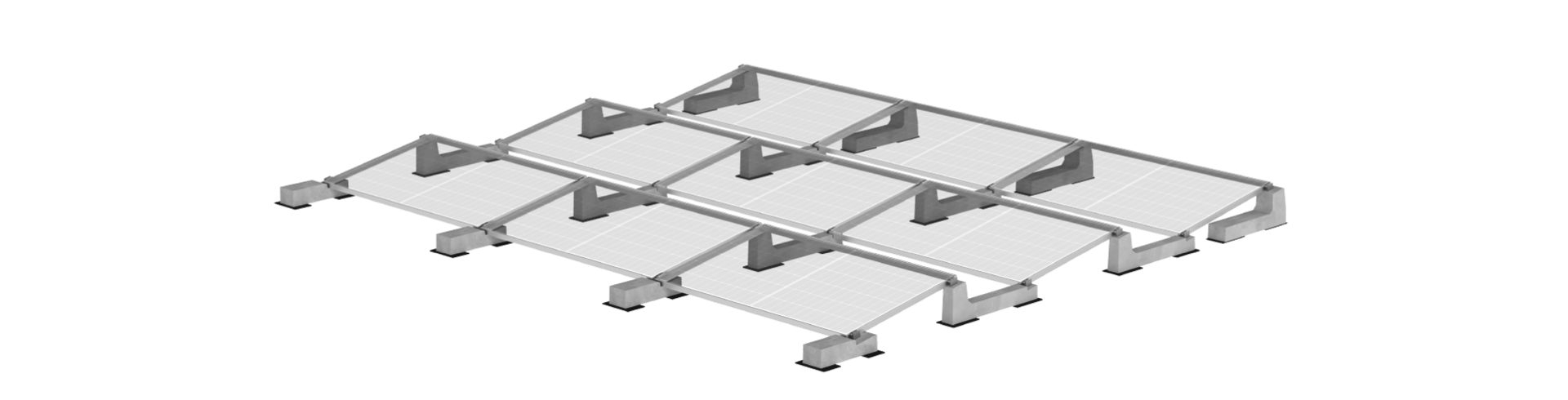
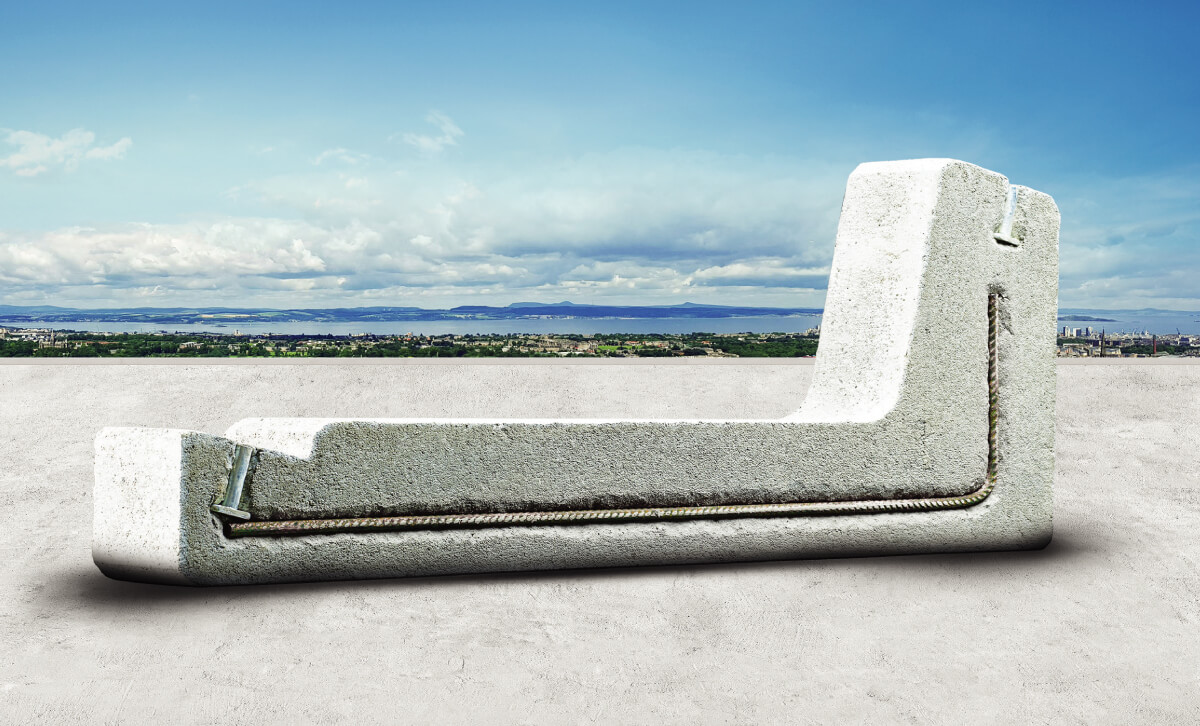
reduce the risk linked to penetrations. Ballasted mounting, in particular, allows photovoltaic
panels to be secured using concrete weights rather than mechanical fixings, helping protect
membranes and simplify on-site work. The result is a roof-friendly approach that can speed up
layouts, reduce component count, and keep projects moving—especially on commercial buildings and
industrial sheds. For installers, that translates into fewer surprises in the field and a more
predictable schedule. For designers and engineers, it means working with tested configurations,
reliable load data, and wind-related assumptions that can be validated during sizing. And for
distributors, it’s a product category that’s easy to explain: a sturdy, durable support system
built for efficiency. If your priority is to install more kilowatts per week while keeping the
roof intact, choosing the right pv solar panel roof mounting systems is a practical advantage,
not just a technical detail.
Why No-Drill Ballasted Supports Reduce Risk
and Complexity
The biggest operational risk on a flat roof is often the same:
creating leak points. No-drill, ballasted pv solar panel roof mounting systems address this by
avoiding roof penetrations and minimizing waterproofing interventions. With fewer structural
parts and an intuitive assembly, teams can reduce labour time, limit tooling, and streamline
logistics. Ballast-based solutions are also valued for their robustness and long-term
reliability: concrete supports are stable, weather-resistant, and designed for real-world
rooftop conditions. For technical offices, simplified calculations and dependable documentation
help with design responsibility—especially when evaluating wind uplift and distributed loads.
For installers, it’s about confidence: quick positioning, clean cable management options, and
repeatable procedures across different sites. When a system is designed as a complete
solution—support, sizing guidance, and project assistance—it becomes easier to deliver
consistent quality from proposal to commissioning.
A Technical Partner Approach for Installers,
Engineers, and Distributors
Choosing pv solar panel roof mounting systems isn’t only about
hardware; it’s about having the right support behind the project. Professional teams in Italy
benefit most when the supplier acts like a technical partner: helping during design, confirming
layouts, supporting system sizing, and staying available through execution. This approach
reduces bottlenecks, speeds up approvals, and lowers the chance of costly changes once the crew
is on the roof. Reliability matters—products should be tested, durable, and built to perform
over time. Simplicity matters too—fast installation and fewer components are what keep margins
healthy. And innovation matters—continuous development means better solutions for evolving
module formats and rooftop requirements. If your goal is an efficient flat-roof PV installation
with less complexity and more predictability, focus on pv solar panel roof mounting systems that
combine solid ballasted engineering with hands-on technical assistance.