PV Solar Array on Flat Roofs: Why
No-Penetration Mounting Matters
Building a reliable pv solar array on a flat roof often comes down
to one critical choice: how you anchor the structure. Traditional fixing methods can mean
drilling the waterproof membrane, adding risk of leaks, callbacks, and longer installation
times. In the Italian market—where flat industrial roofs and commercial buildings are
common—installers and designers increasingly prefer no-penetration solutions that protect the
roof while keeping the jobsite simple.
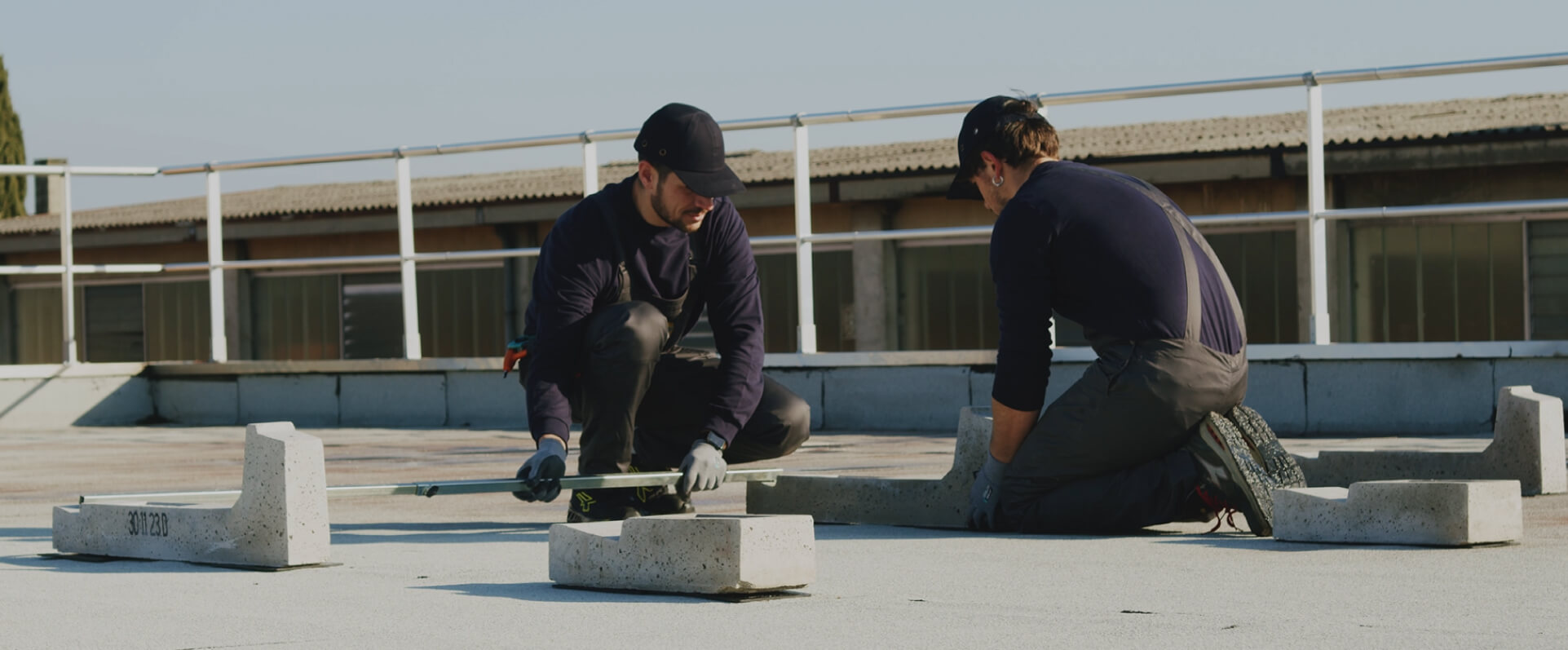
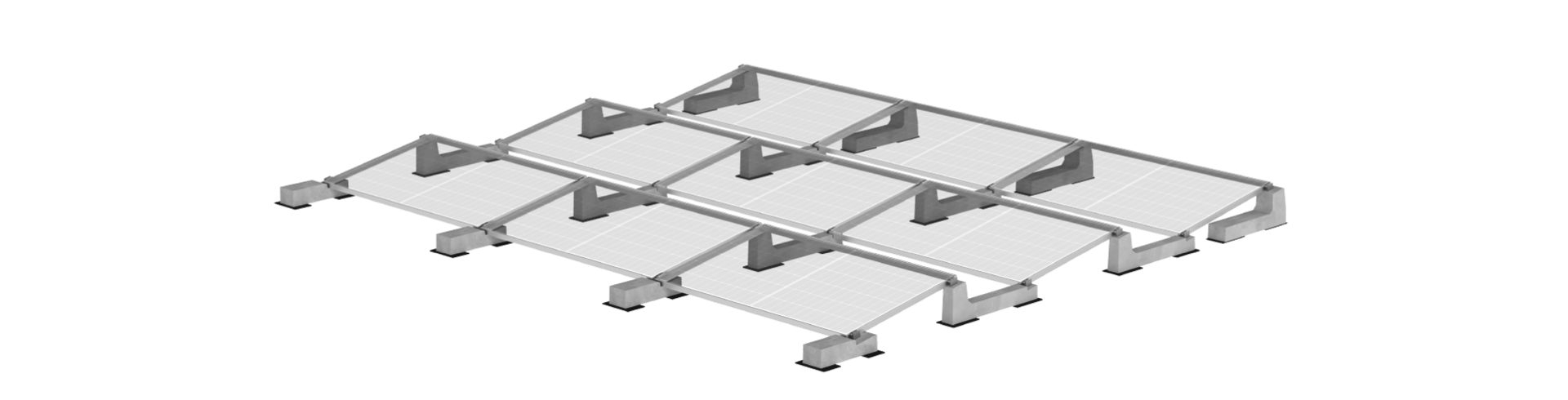
A ballast-based mounting approach uses concrete weights engineered to keep photovoltaic panels
stable without perforating the roof covering. That translates into fewer components, cleaner
logistics, and faster assembly. For installers, it means less time measuring and fixing, and
more time commissioning. For engineers and technical offices, it means predictable roof loads,
documented performance, and a clearer path through wind and structural checks.
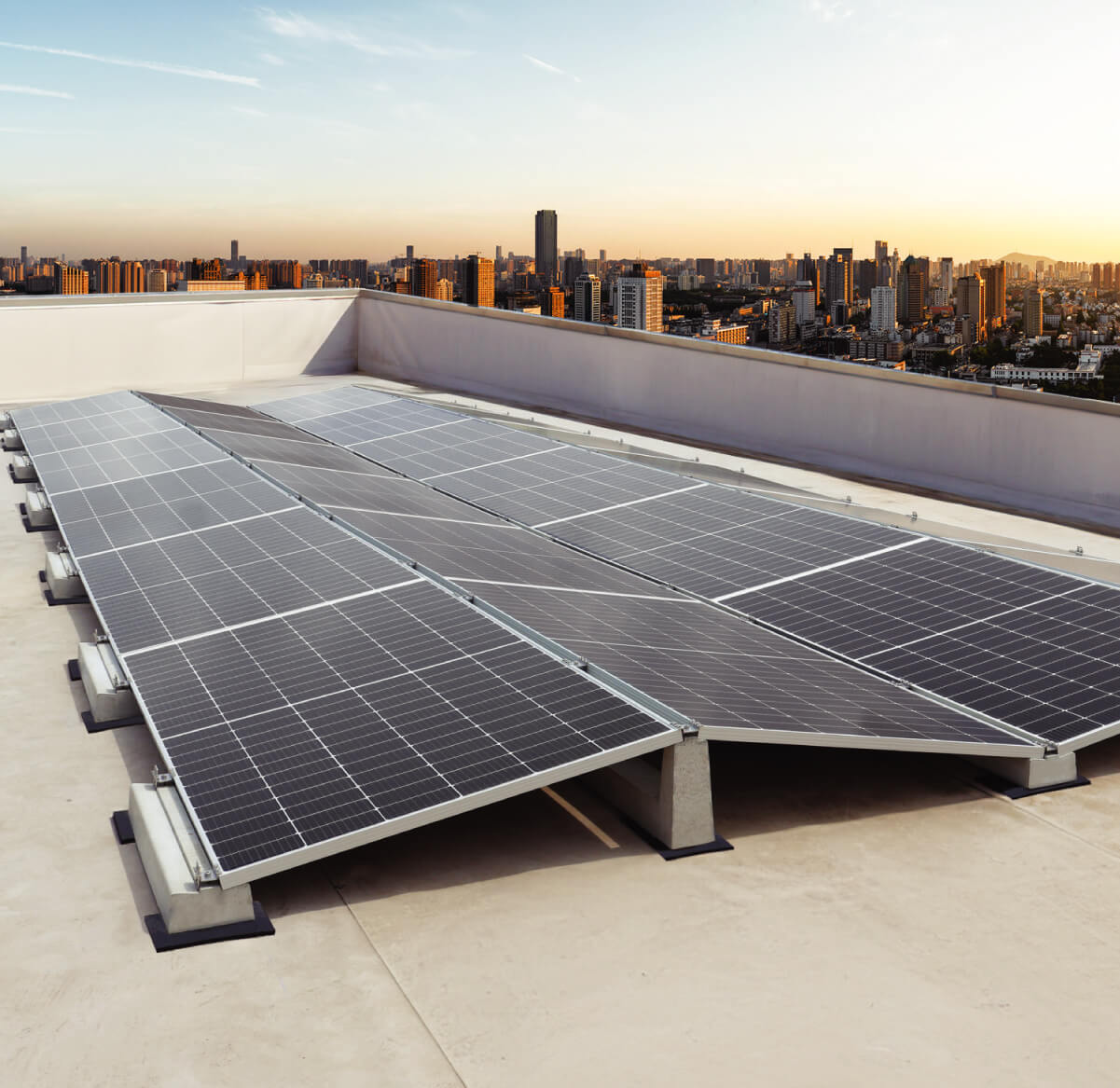
Beyond speed, safety is a strong driver. Reducing rooftop drilling reduces on-site hazards and
limits the need for sealing work. The result is a pv solar array that is easier to build, easier
to inspect, and easier to maintain—especially when you need to add capacity later or reconfigure
strings. If your goal is a flat-roof solar installation that balances efficiency, durability,
and roof integrity, a tested ballasted solution is a practical, professional choice for B2B
projects across Italy.
Designed for Installers: Faster Assembly,
Fewer Headaches
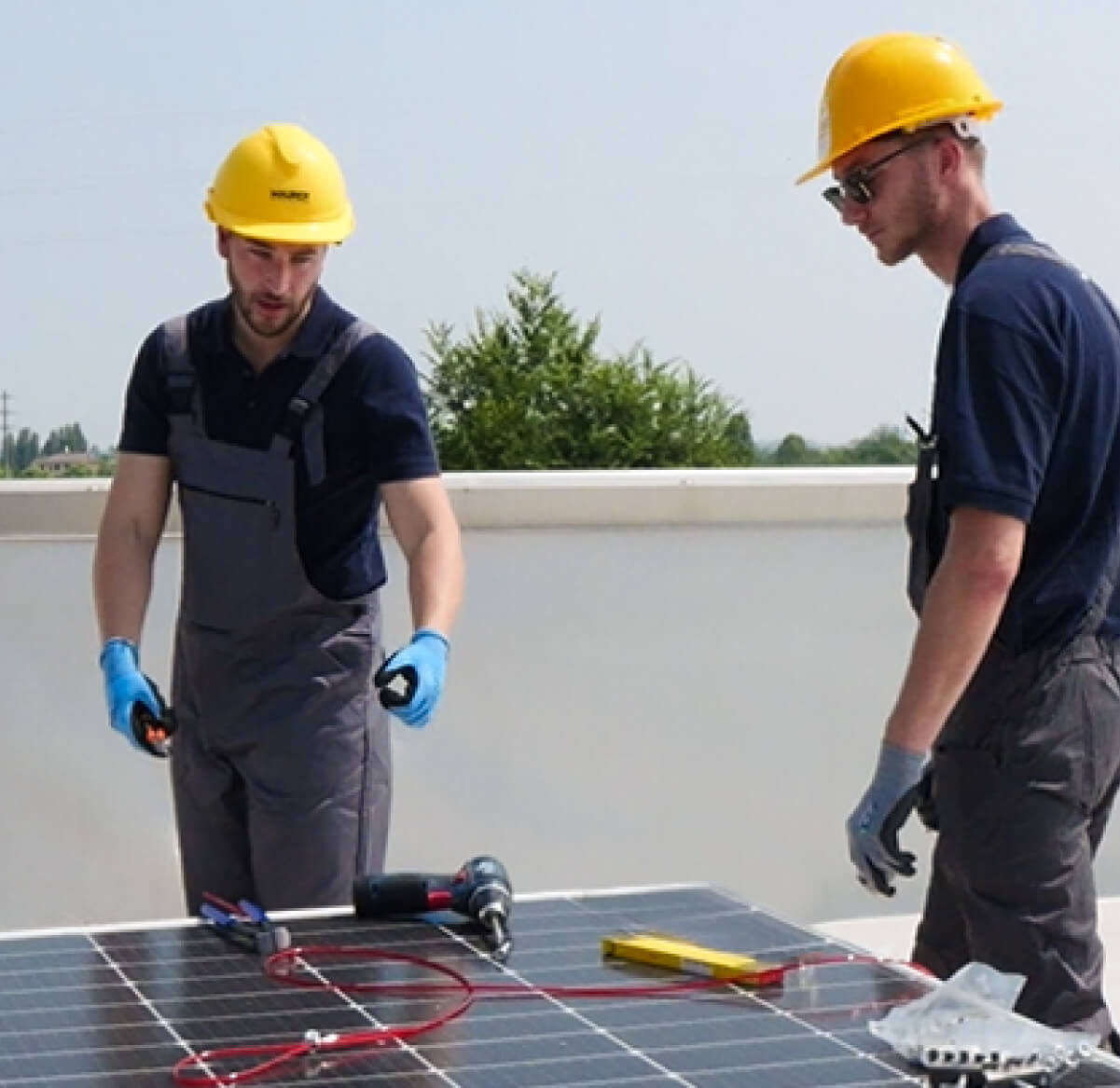
Installers choose a pv solar array mounting system that helps them
finish sooner and avoid problems after handover. A well-designed ballasted structure is built
around simplicity: fewer small parts, intuitive positioning, and repeatable steps that keep
teams productive even on large rooftops.
Because there are no penetrations, you can reduce the time spent on drilling, sealing, and
verifying waterproofing details. That also limits the typical causes of disputes on flat
roofs—water ingress, membrane damage, and unclear responsibilities between trades. With concrete
ballast supports, the workflow is streamlined: place, align, clamp, and connect.
For distributors and wholesalers, this kind of solution is easier to specify and easier to move:
it is recognizable, in steady demand, and suited to a wide range of flat-roof PV projects. The
key advantage remains operational: fewer surprises on site, fewer return visits, and a pv solar
array installation process that scales well from small commercial roofs to large industrial
buildings.
Technical Support and Sizing: Get the PV Solar
Array Right the First Time
A pv solar array must be more than quick to install—it must be
correctly engineered for wind exposure, roof loads, and the specific layout of the building.
That is why professional-grade solutions come with technical assistance during the design phase,
including system sizing and project development up to execution.
For designers and engineers, having reliable data and tested configurations reduces calculation
time and lowers project risk. You can work with clear load values, defined tilt options, and
mounting geometries created for flat roofs. This supports compliant design choices and smoother
approvals, especially when wind uplift and perimeter zones require careful attention.
For installers, that same support helps prevent last-minute changes on site and keeps
procurement aligned with the bill of materials. The result is a pv solar array that performs as
expected: stable, durable, and optimized for flat-roof conditions in Italy. When speed,
reliability, and roof protection are non-negotiable, choosing an engineered ballasted mounting
approach backed by technical know-how is the smart path to long-term performance.