Why PV Roof Mounting Systems Matter on Italian
Flat Roofs
Choosing the right pv roof mounting systems is often the
difference between a smooth installation and days of delays on site—especially on flat roofs,
where waterproofing and wind loads are constant concerns. In the Italian market, installers and
designers increasingly look for mounting solutions that minimise risk, reduce components, and
keep workflows simple. A non-penetrating approach helps protect the roof membrane because it
avoids drilling, anchors, and invasive fixings that can create leaks or future maintenance
issues. That means faster commissioning, fewer call-backs, and more peace of mind for everyone
involved.
For professionals, the real value is practical: quicker layout, straightforward assembly, and
predictable performance. Ballasted PV structures can speed up logistics because many elements
are pre-defined and repeatable, reducing the chance of errors during installation. And when you
are working on commercial buildings, warehouses, or industrial roofs, time really is money—both
for the crew and the client.
Good pv roof mounting systems also support better engineering decisions. Clear technical data,
verified testing, and guidance for wind uplift and load distribution make it easier to design
responsibly and defend the project choices. In short: fewer unknowns, safer roofs, and a more
efficient path from design to execution.
Ballasted, Non-Penetrating Solutions: Faster
Work, Lower Risk
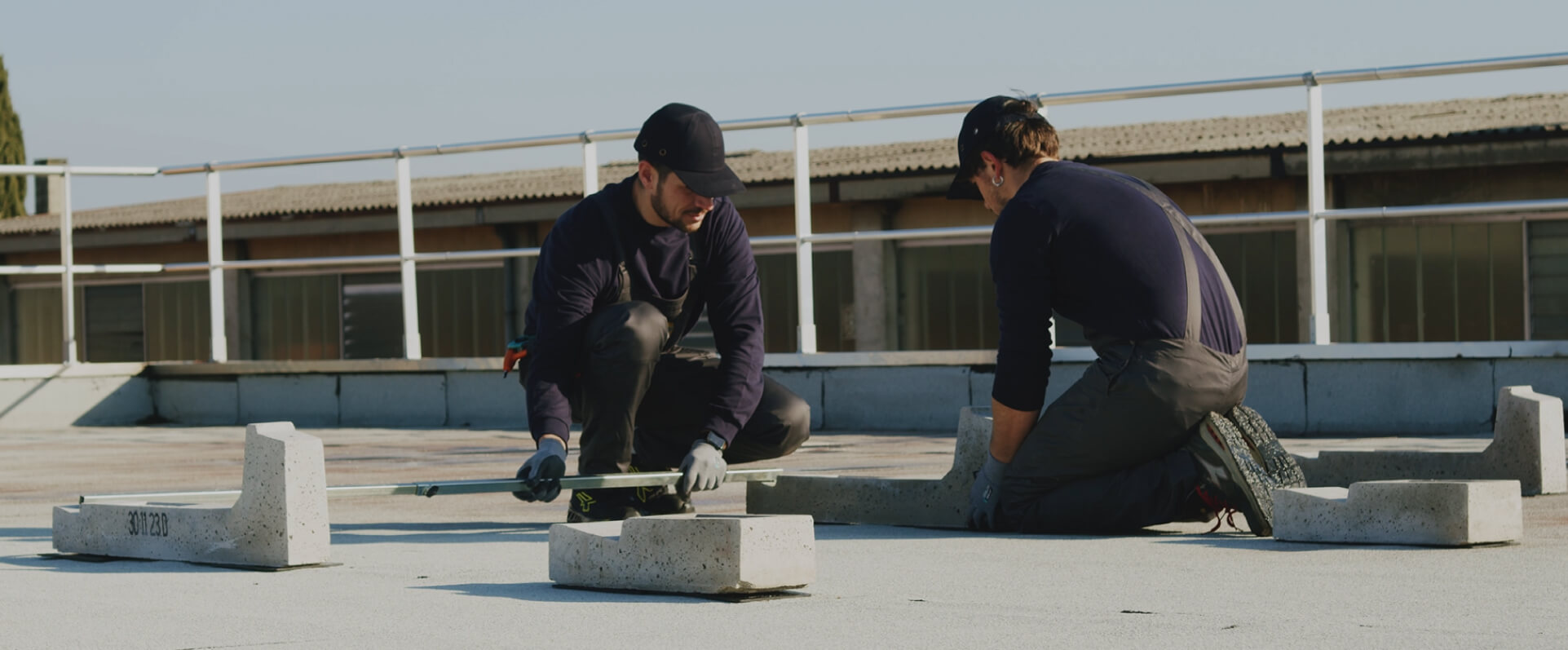
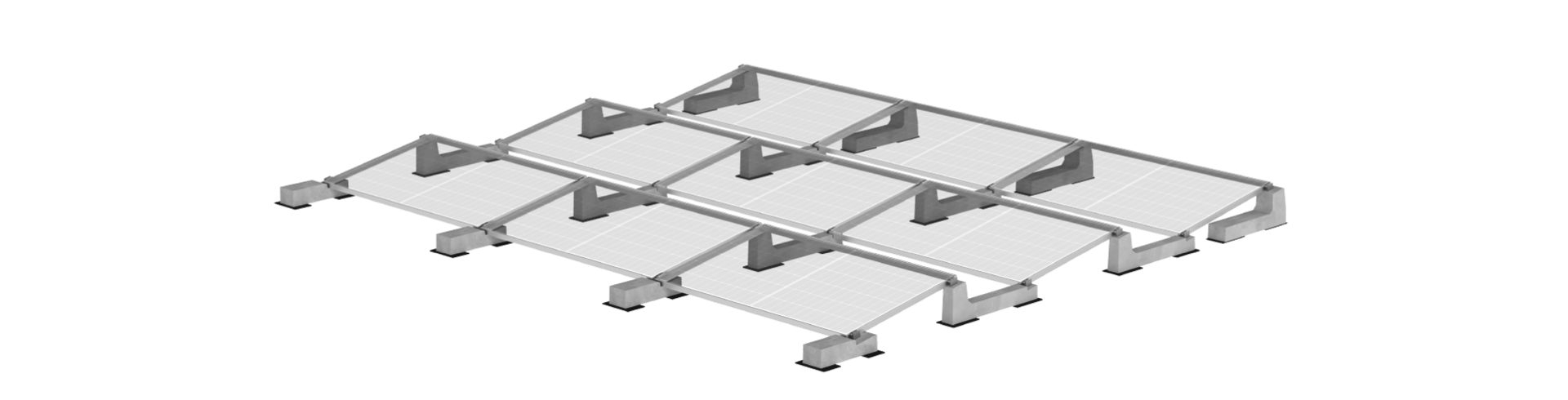
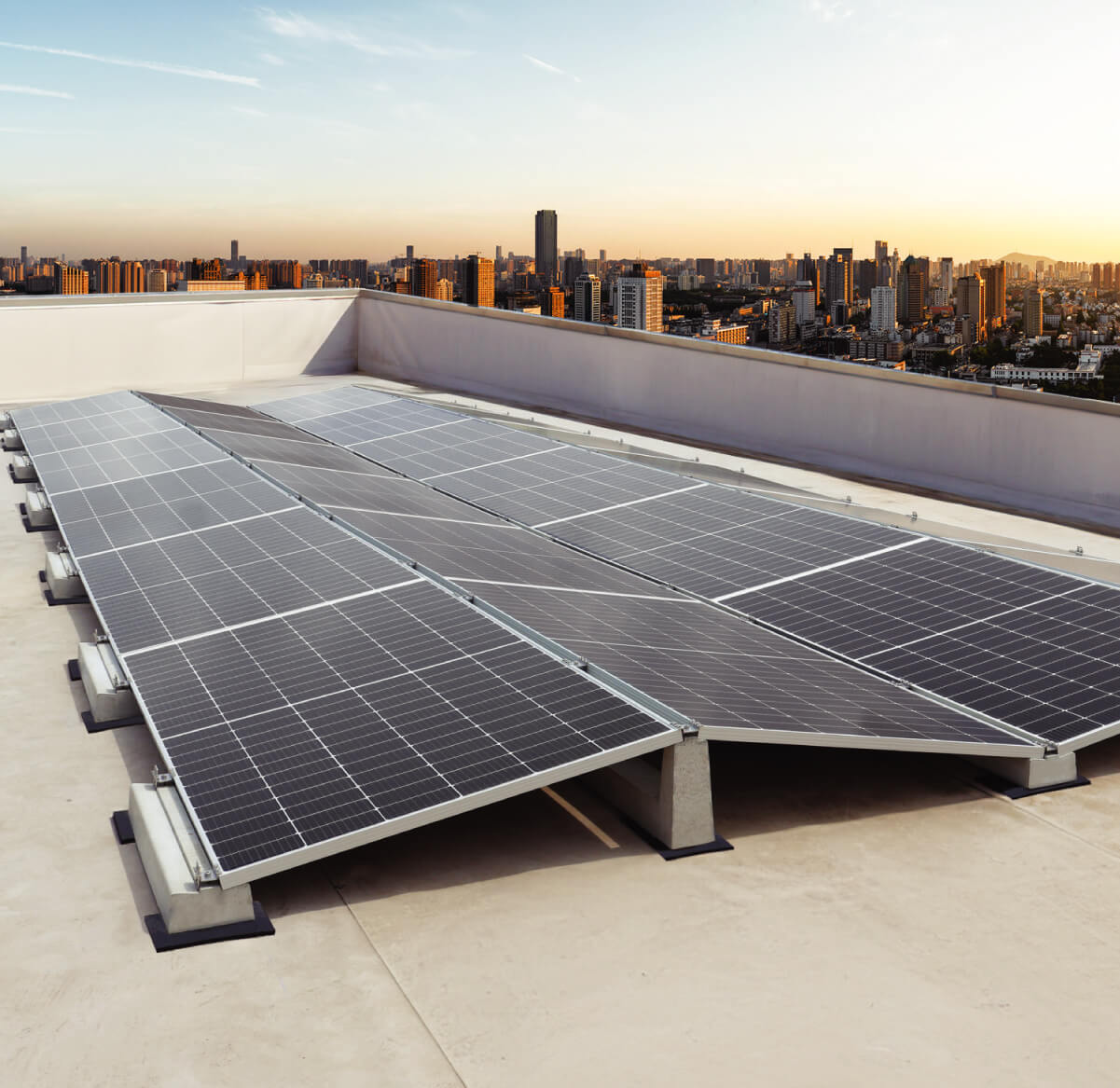
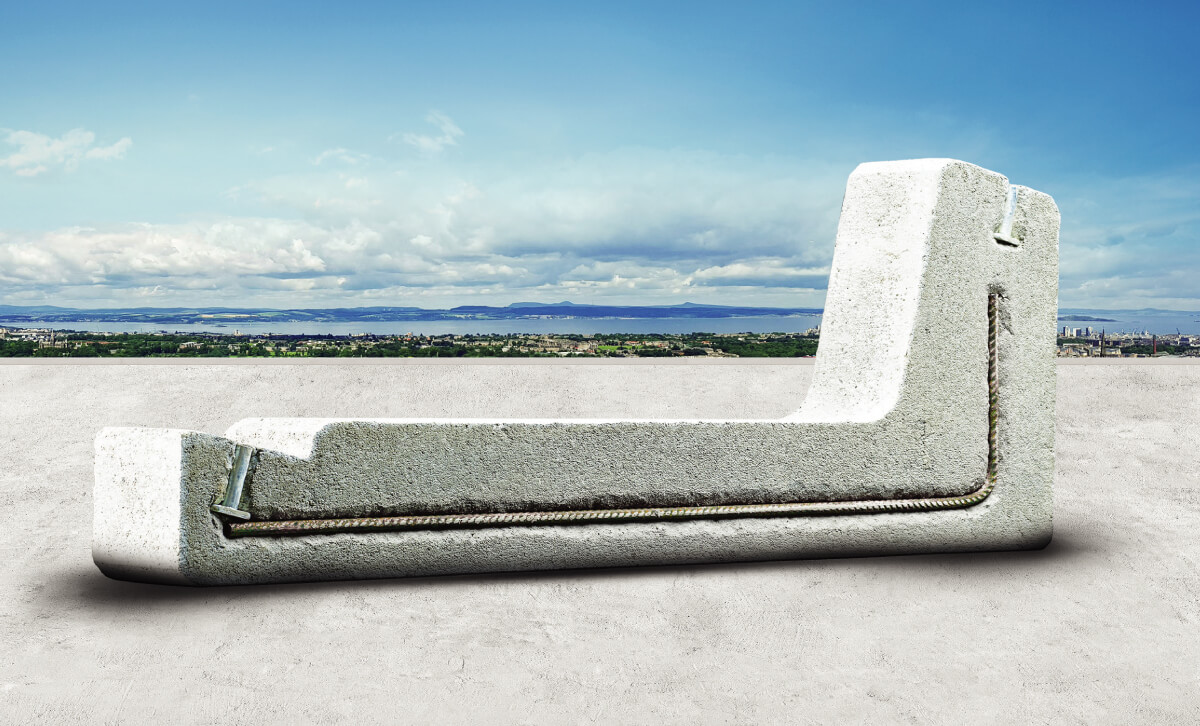
For flat roofs, ballasted pv roof mounting systems are a smart
alternative to traditional mechanically fixed frames. By relying on weight and geometry rather
than roof penetrations, these systems can simplify compliance with waterproofing requirements
and reduce the coordination needed with roofing contractors. The result is a cleaner
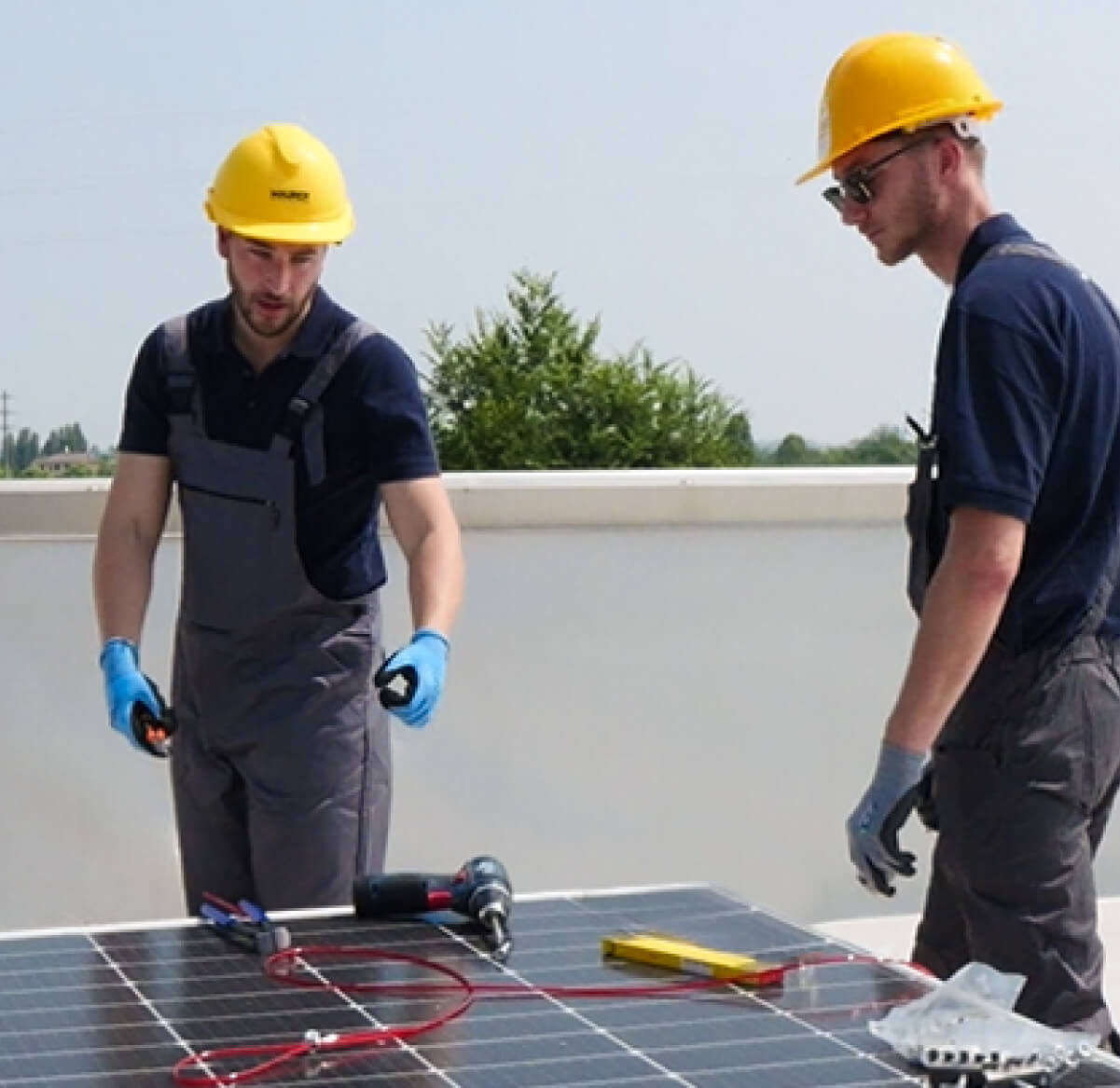
installation process with fewer steps: place, align, clamp, and wire.
From an installer’s perspective, fewer parts and intuitive assembly translate into shorter
installation times and easier crew training. From a designer’s perspective, the ability to
manage loads and wind behaviour with proven configurations lowers the overall project risk. In
many cases, ballasted solutions also make future changes easier—maintenance access, module
replacement, and system extensions can be handled without reopening the roof.
When selecting pv roof mounting systems, look for durable materials, tested configurations, and
documentation that supports design calculations. Add responsive technical assistance and you
have a complete solution—not just hardware.
A Technical Partner Approach: Support from
Sizing to Site Execution
In B2B photovoltaic projects, what professionals need is not only
reliable pv roof mounting systems, but also dependable support. The best outcomes come when
technical teams help with system sizing, project optimisation, and practical guidance that
matches real site conditions. That includes understanding wind zones, parapet effects, roof load
limits, module layout, and cable management—details that impact both performance and
installation speed.
For installers, this kind of support reduces uncertainty and helps prevent last-minute changes
on site. For engineers and design offices, it provides trustworthy data and tested solutions
that make calculations more manageable and responsibilities clearer. For distributors, it means
offering a product that is easy to explain, easy to stock, and backed by consistent technical
know-how.
If you work on Italian flat roofs and want faster installs with fewer complications, choose pv
roof mounting systems built around simplicity, durability, and non-penetrating design—supported
by expert guidance all the way to execution.