Why PV Panels on Flat Roof Are Booming in
Italy
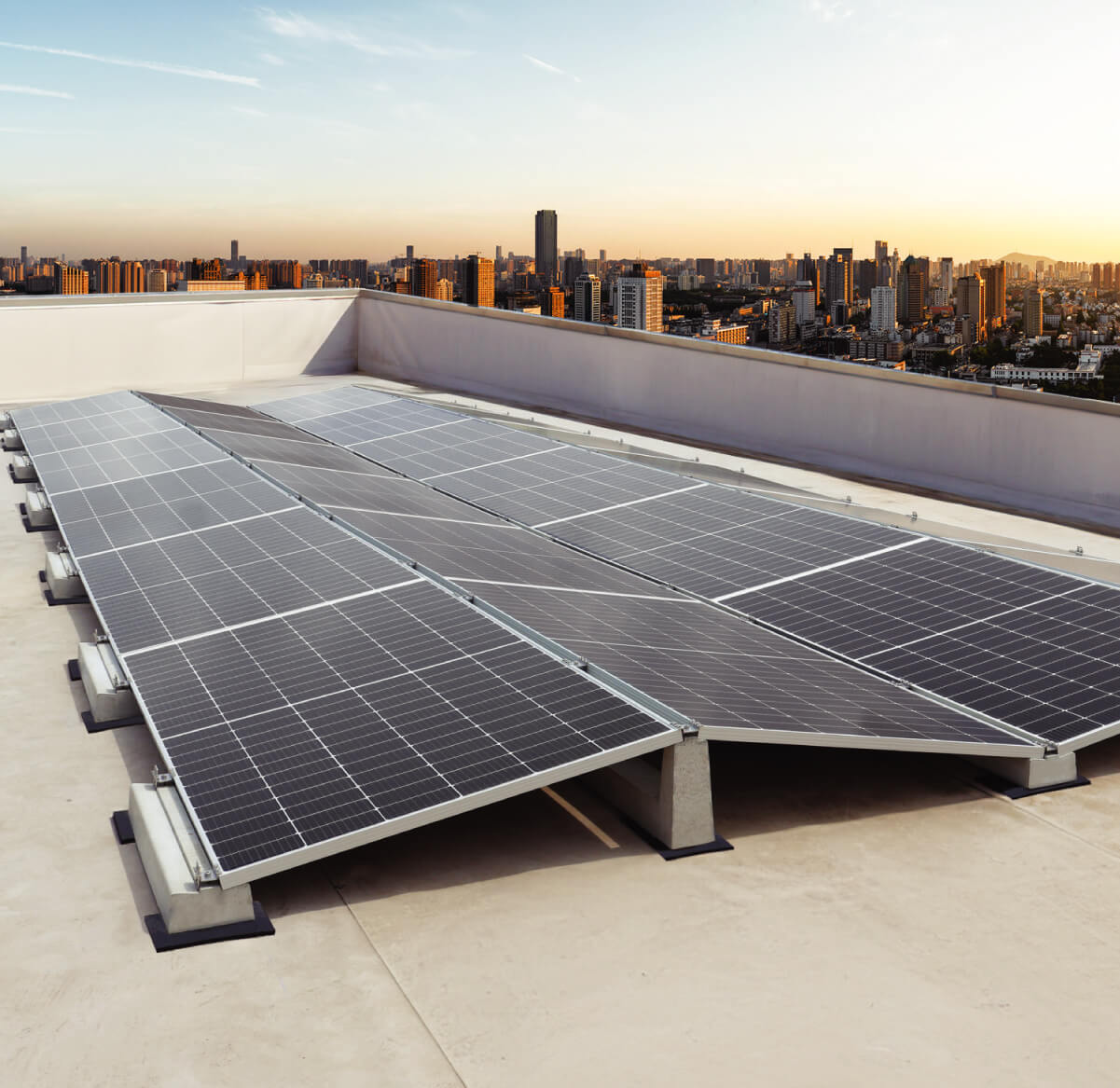
Installing pv panels on flat roof is one of the smartest ways to
unlock unused space on warehouses, industrial buildings, and commercial rooftops across Italy.
Flat roofs are common, accessible, and often large enough to deliver meaningful energy
savings—yet they also bring specific challenges: waterproofing integrity, wind uplift, roof load
limits, and installation time. That’s why more professionals are moving toward non-penetrating
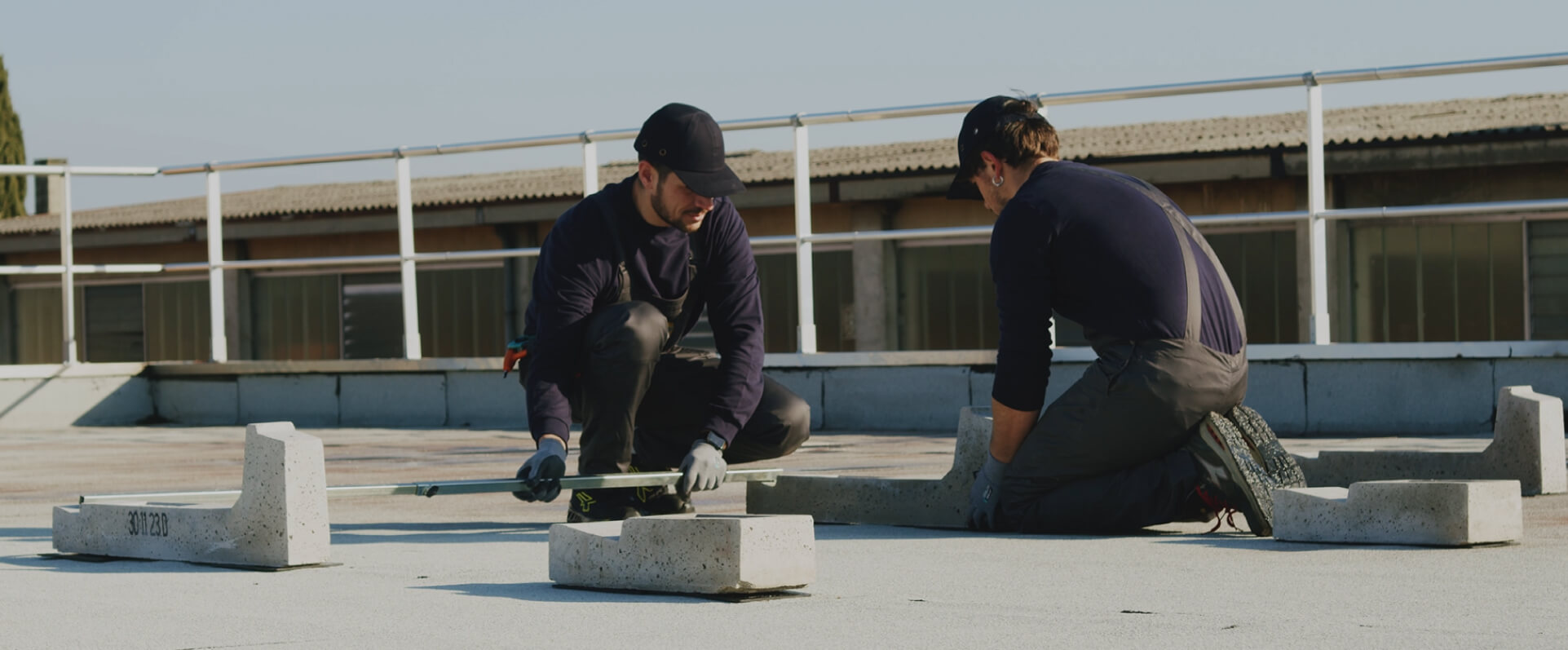
mounting solutions that keep the membrane intact. Instead of drilling anchors through the roof,
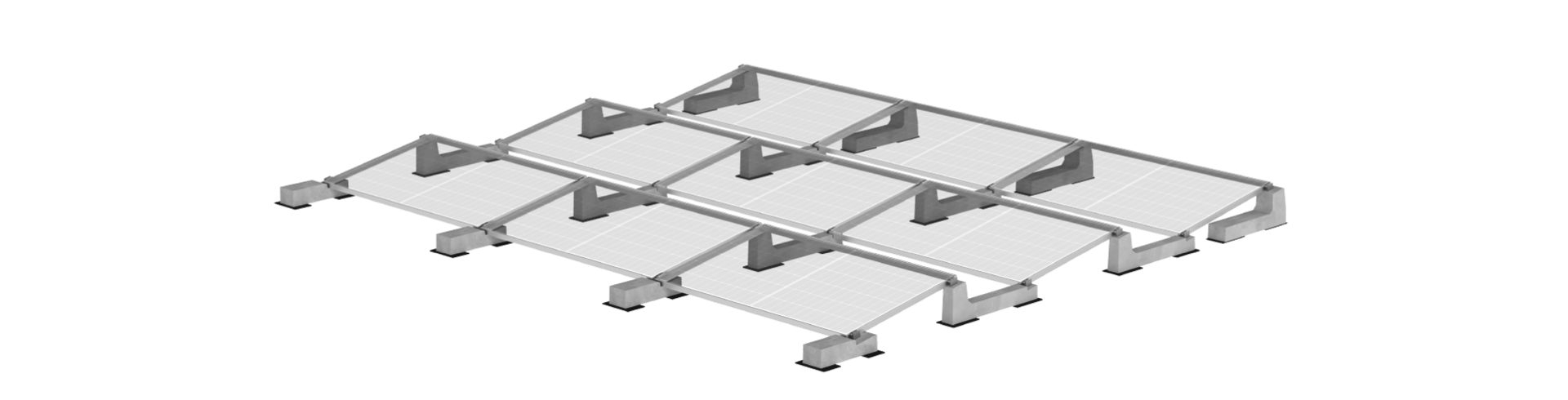
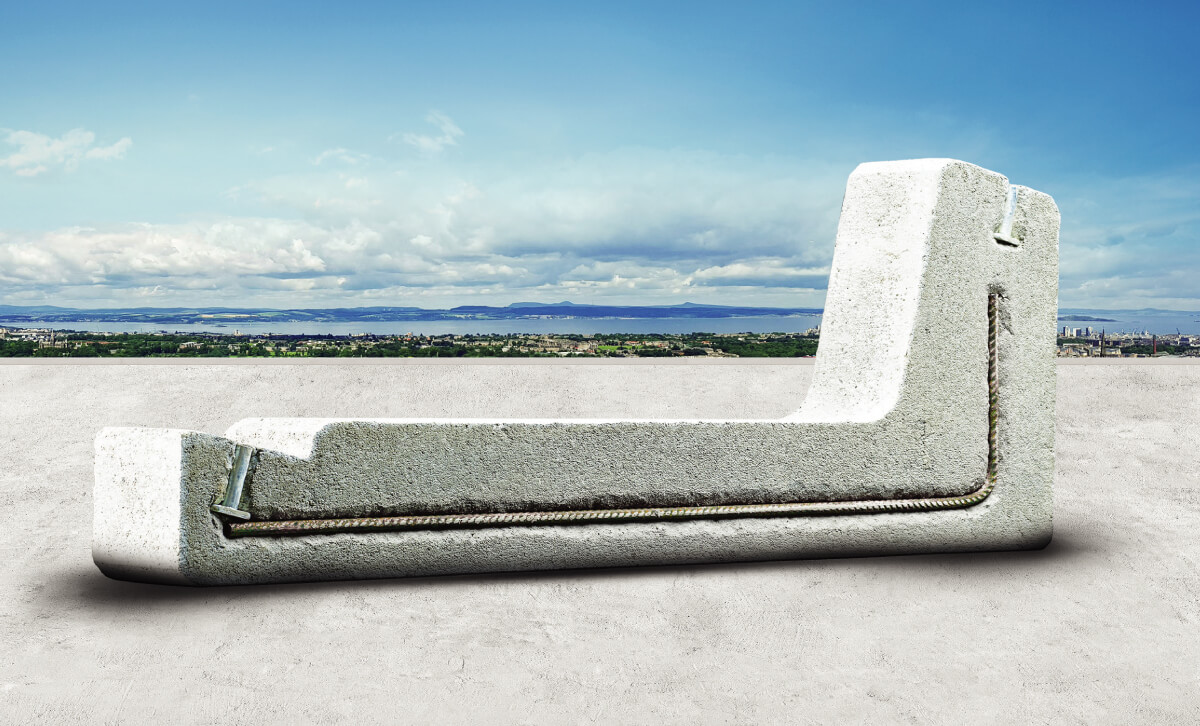
ballasted PV mounting systems use engineered concrete weights to secure the array, reducing leak
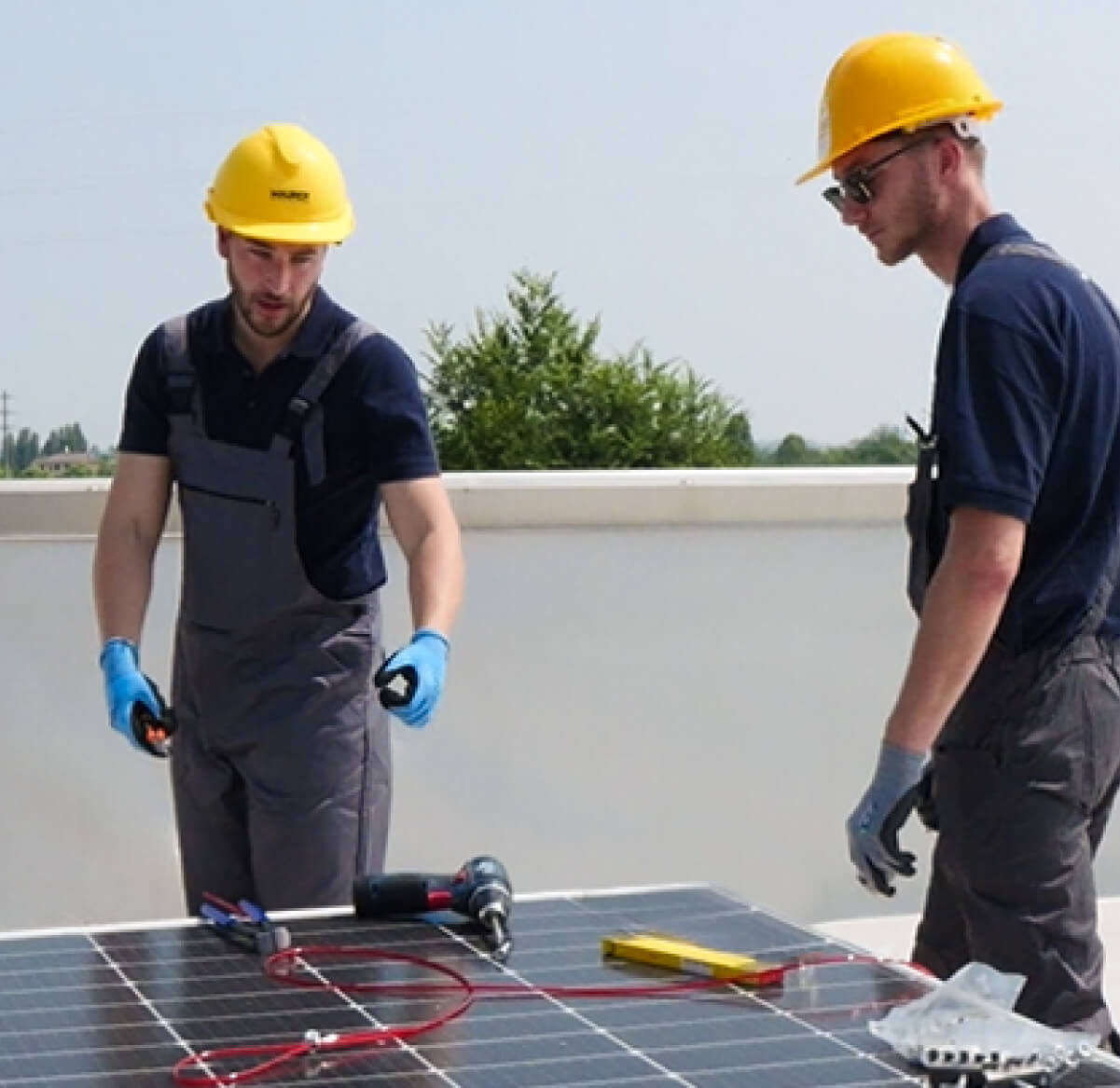
risk and avoiding complex sealing work. For installers, this can translate into faster on-site
operations, fewer components to manage, and a cleaner workflow. For designers and engineers, it
means working with tested configurations and predictable structural behavior. And for
distributors, it’s a product category with steady demand and clear value. If your goal is a
reliable photovoltaic installation that’s quick to deploy and easier to maintain, choosing the
right approach for pv panels on flat roof is the decision that sets the tone for the whole
project.
Non-Penetrating Ballast: A Practical Answer to
Speed and Risk
When you install pv panels on flat roof, the biggest concerns
usually come down to two words: time and risk. Traditional fixing methods can slow crews down
and introduce waterproofing liabilities. A ballasted system addresses both by using concrete
ballast blocks designed specifically for flat-roof PV. With fewer parts and no roof
perforations, crews can position modules, set tilt, and align rows quickly—especially helpful
when deadlines are tight or weather windows are short. From a technical perspective, a properly
sized ballasted structure supports the PV array against wind loads while keeping pressure
distribution under control. That’s why accurate project sizing matters: wind exposure, parapet
height, building location, roof zones, and module layout all influence the final configuration.
Professionals also appreciate solutions that come with technical assistance—support that helps
validate choices, reduce calculation time, and lower design responsibility stress. The result is
a mounting approach that feels straightforward on site, but remains rigorous in performance. For
anyone aiming to deliver dependable pv panels on flat roof installations in Italy, ballasted
mounting is often the most efficient path from design to execution.
What Professionals Should Look For in a
Flat-Roof PV Solution
A strong pv panels on flat roof project is not just about choosing
modules and inverters—it’s about the mounting strategy that keeps everything stable, compliant,
and easy to install. Start with reliability: look for solid, durable components and solutions
with real-world testing behind them. Then prioritize simplicity: fewer elements, intuitive
assembly, and layouts that help crews work faster with fewer mistakes. Innovation matters too,
especially when you need flexible tilt angles, optimized row spacing, and options that adapt to
different roof surfaces and constraints. In Italy, where building types vary from logistics hubs
to manufacturing facilities, it helps to work with a technical partner mindset: design-stage
support, system sizing, commercial assistance, and guidance that follows the project all the way
to installation. This kind of end-to-end help can reduce operational complexity and improve job
profitability for installers, while giving engineers dependable inputs for wind and load
verification. If you want pv panels on flat roof to be a repeatable, scalable offering—not a
one-off headache—choose a solution built to protect the roof, speed up installation, and deliver
consistent performance over time.