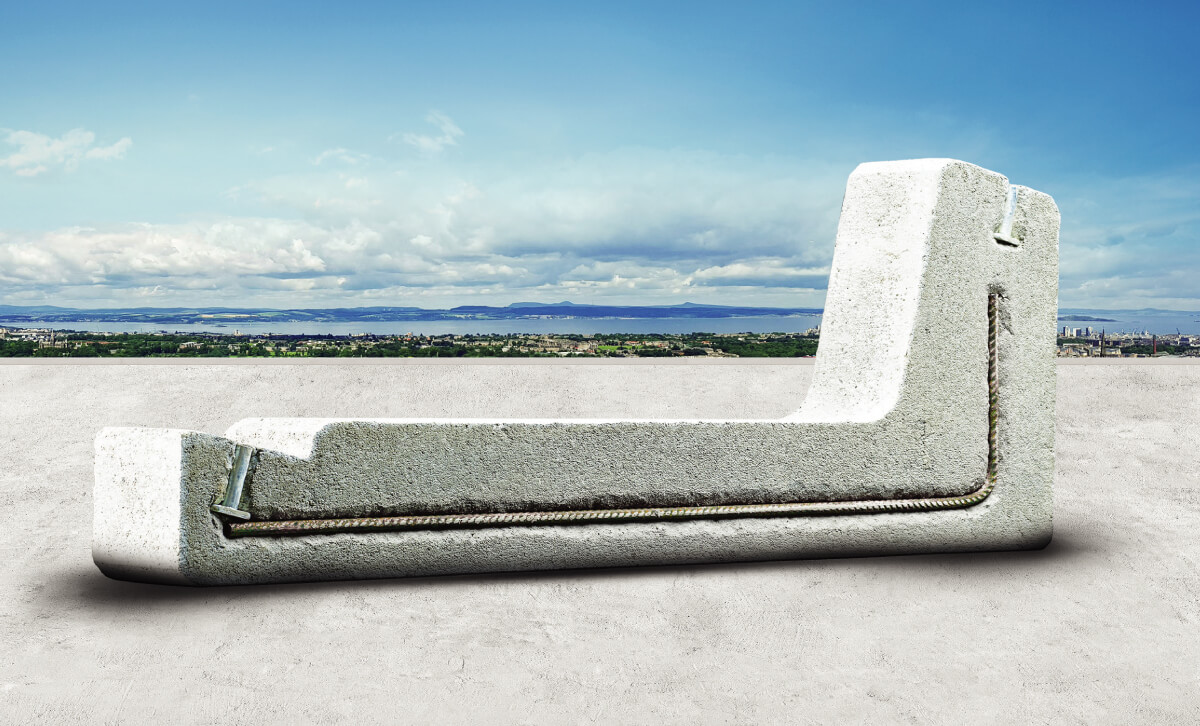
Why a PV Panel Structure Matters on Flat Roofs
Choosing the right pv panel structure is one of the most important
decisions when designing a photovoltaic system on flat roofs in Italy. Installers and designers
know the real challenge: delivering speed on site without creating long-term roof risks. A
well-engineered mounting structure must balance wind loads, ballast weight, waterproofing
protection, and efficient panel layout—while keeping installation simple. That’s why
non-penetrating solutions based on concrete ballast are increasingly preferred for commercial
and industrial buildings. By avoiding roof drilling, you reduce the chance of water
infiltration, eliminate many approval headaches, and make maintenance easier over the system’s
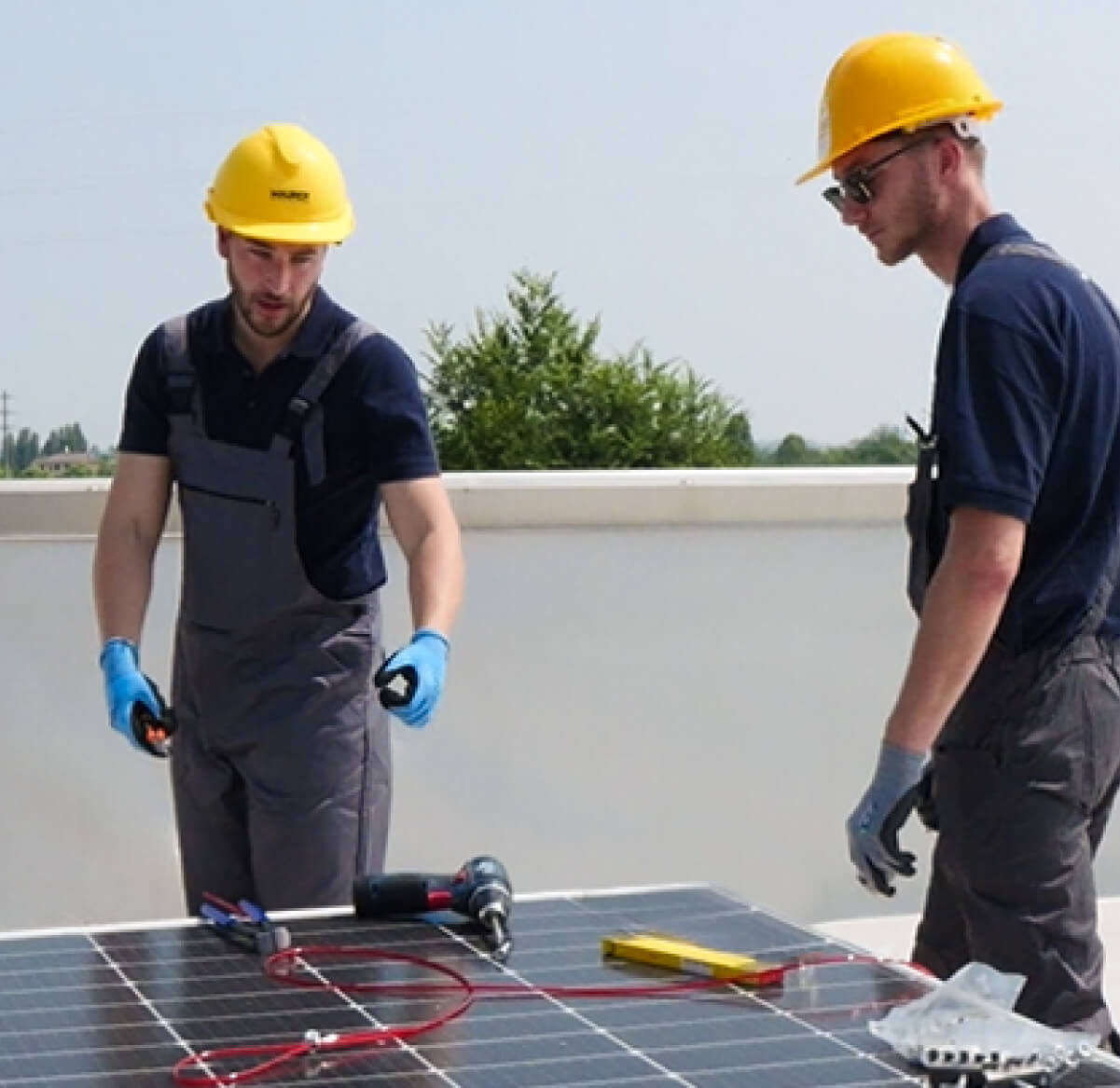
lifetime. For installers, fewer components and intuitive assembly translate into shorter
mounting times and fewer surprises in the yard. For engineers, having tested configurations and
reliable load data helps reduce calculation complexity and project liability. And for
distributors, a recognizable, proven solution is easier to specify and sell. In practice, the
best pv panel structure is not just “metal and clamps”: it’s a complete approach that considers
roof type, tilt angle, row spacing, shading management, cable routing, and safe access paths.
When these elements work together, you get a PV plant that performs well, looks tidy, and
remains secure during extreme weather. If your goal is to scale installations efficiently across
multiple flat-roof sites, investing in a dependable, non-invasive pv panel structure is one of
the smartest ways to save time, reduce risk, and deliver consistent results.
Concrete Ballast: Fast Installation Without
Roof Penetrations
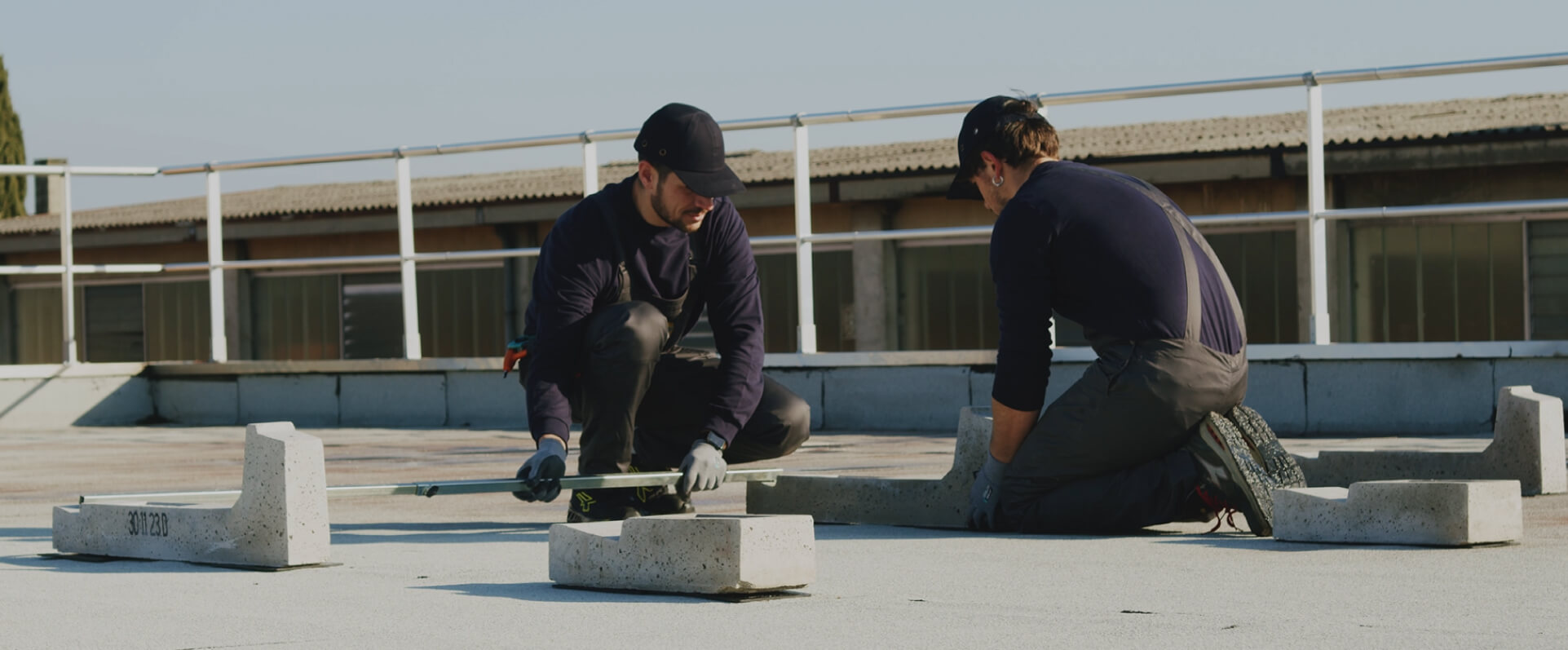
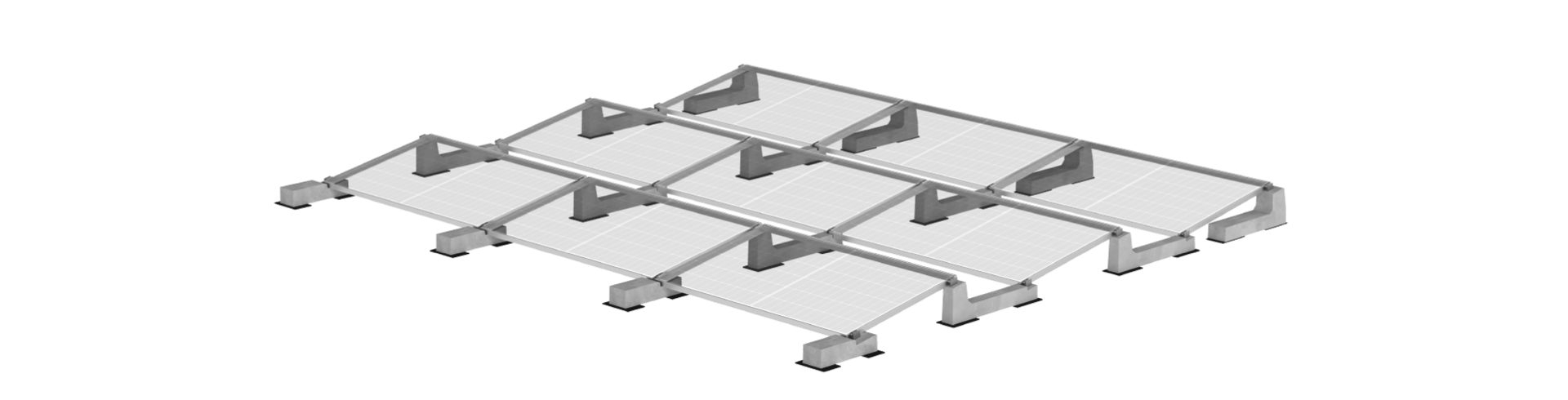
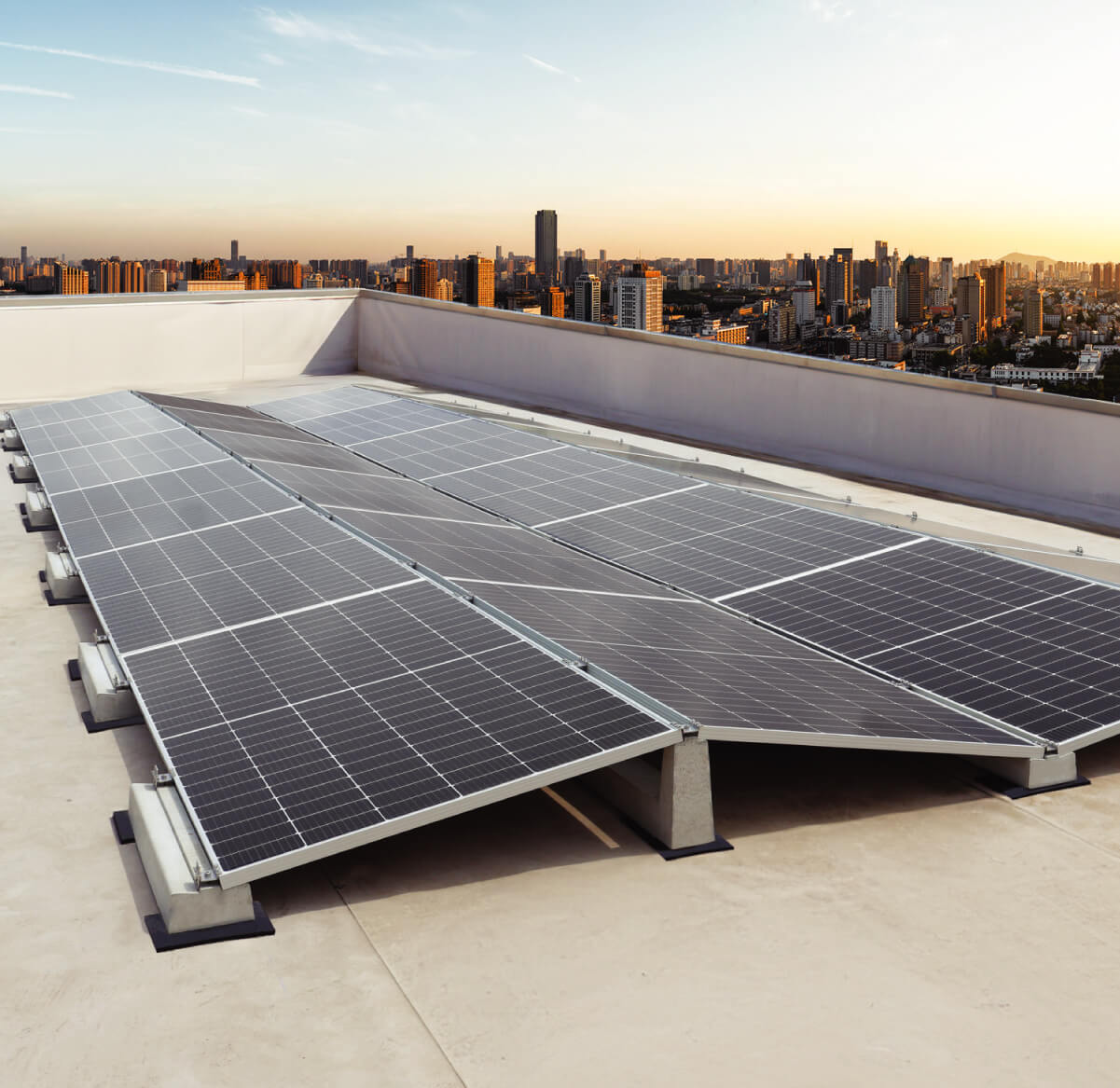
A concrete-ballasted pv panel structure is designed to keep the
system stable through weight distribution rather than mechanical fixings. This approach is ideal
for many flat roofs because it protects the membrane and simplifies the workflow: position the
supports, align modules, clamp, and complete electrical connections. With fewer mounting parts,
teams can standardize procedures and complete more kilowatts per day. Ballasted PV mounting is
also a practical answer to typical site constraints in Italy—aging roofs, strict waterproofing
requirements, or owners who don’t want penetrations. A good solution provides multiple tilt
options to optimize yield, plus accessories that help manage wind exposure and ensure correct
spacing. From a technical perspective, proper sizing is essential: wind zone, building height,
parapets, roof friction, and module dimensions all affect the required ballast and layout. This
is where strong pre-sales engineering support becomes valuable, because it turns a “generic
structure” into a project-specific pv panel structure that is safer and easier to approve.
Ultimately, installers benefit from predictable installation times, designers gain confidence in
load assumptions, and building owners get a clean, non-invasive solar array that respects the
roof.
What Professionals in Italy Should Look For
When evaluating a pv panel structure for flat roofs, focus on
reliability, simplicity, and verified performance. First, check that the system is designed for
real wind and load conditions, with tested configurations and clear documentation. Second,
prioritize ease of installation: minimal components, straightforward alignment, and consistent
clamping reduce labor hours and on-site errors. Third, consider the full project
workflow—technical support during design, plant sizing, and assistance through execution can
make the difference between a smooth install and costly delays. Also look for flexibility:
solutions that adapt to different module sizes, orientations, and tilt angles help you optimize
production while respecting roof constraints and safety routes. For distributors, consistent
availability and a solution that is easy to explain to installers adds commercial value. For
engineering studios, dependable data and established design methods reduce responsibility
pressure and speed up approvals. In short, the best pv panel structure is the one that helps
professionals deliver faster installations, protects the roof by avoiding drilling, and performs
reliably year after year under Italian weather conditions. If your next project involves a flat
roof, choosing a proven ballasted mounting approach is a practical way to cut complexity and
keep every stakeholder confident—from design to commissioning.