Why pv panel mounting on flat roofs is
different
In Italy, flat roofs are a huge opportunity for solar—but they
also come with very specific constraints. Traditional pv panel mounting often relies on roof
penetrations, metal frameworks, and time-consuming alignment, which can turn a straightforward
job into a site headache. On membranes and waterproof layers, every hole introduces risk: leaks,
warranty issues, and costly rework. That’s why many installers and designers are shifting toward
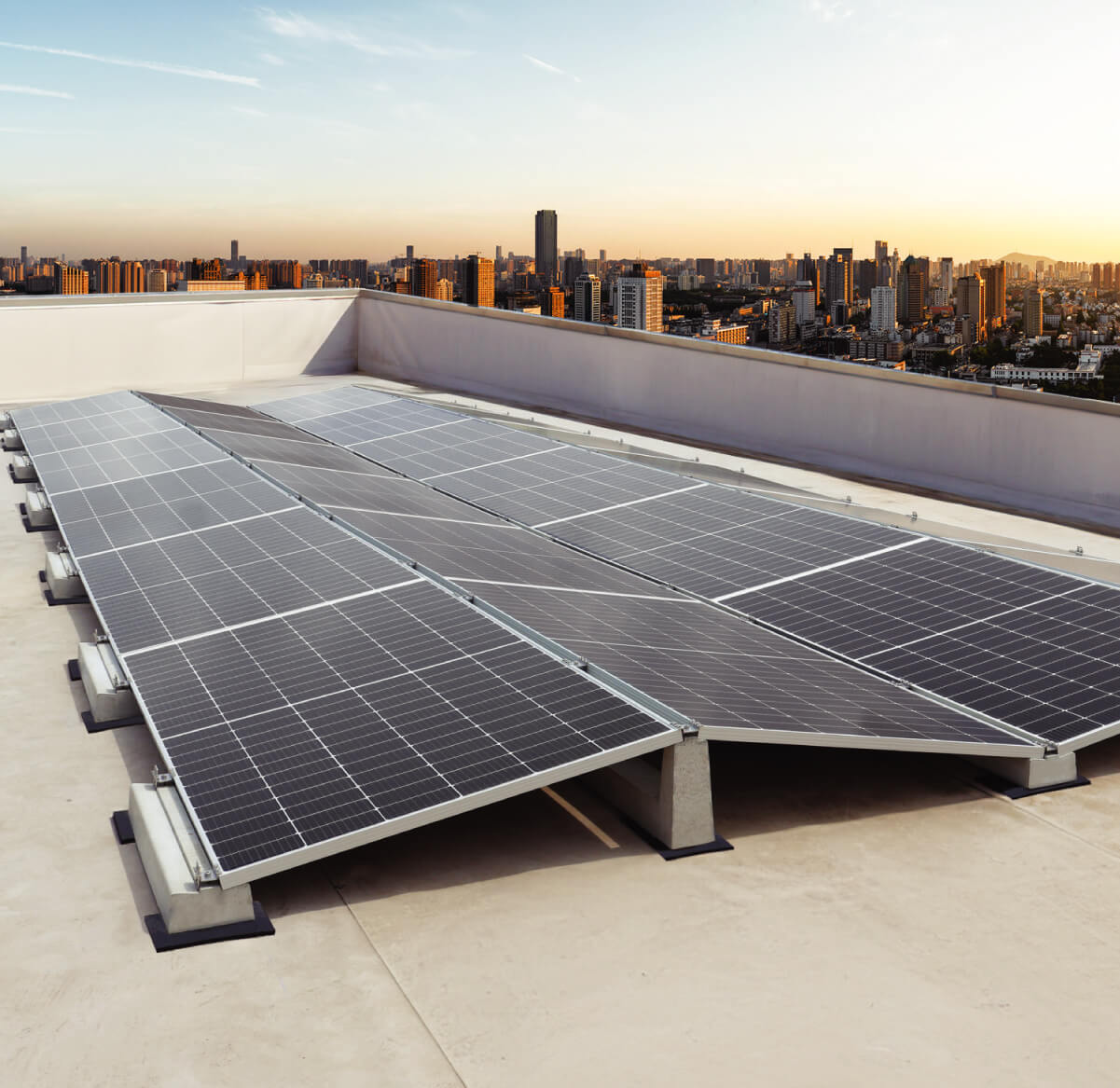
non-penetrating pv panel mounting systems built specifically for flat roofs. Ballasted solutions
use weight and smart geometry to keep modules stable without compromising the roof cover. For
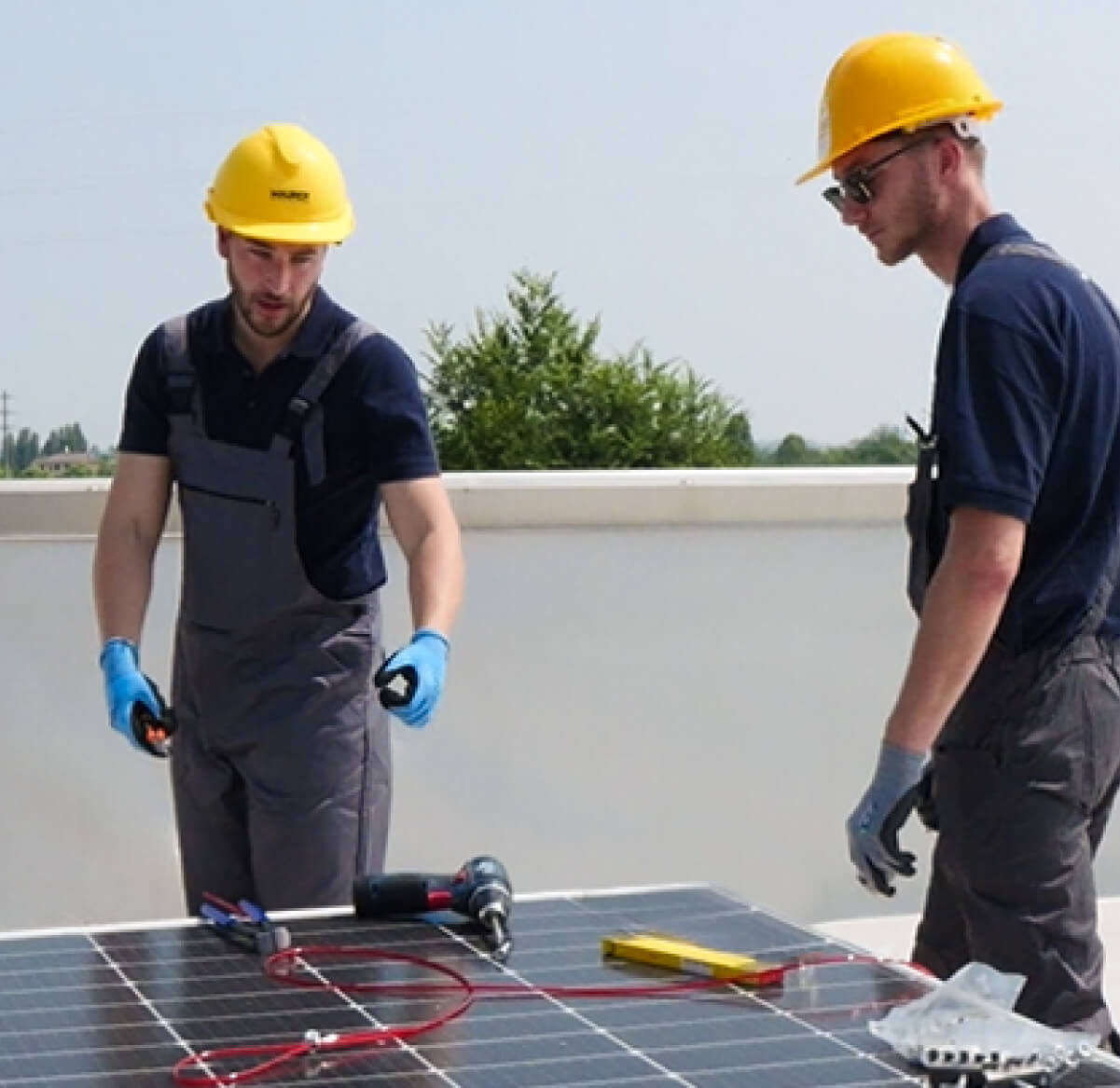
installers, this means fewer components to manage, simpler logistics on the roof, and faster
assembly with predictable steps. For engineers and technical offices, it means a more controlled
approach to loads, wind uplift, and layout—supported by tested configurations and reliable data.
The result is a pv panel mounting strategy that reduces installation time, lowers on-site
uncertainty, and helps deliver a cleaner final build. If your priority is speed without
shortcuts, and stability without drilling, a ballasted flat-roof system is often the most
practical route—especially when you need repeatable results across multiple commercial rooftops.
Concrete ballast supports: speed, safety, and
fewer roof risks
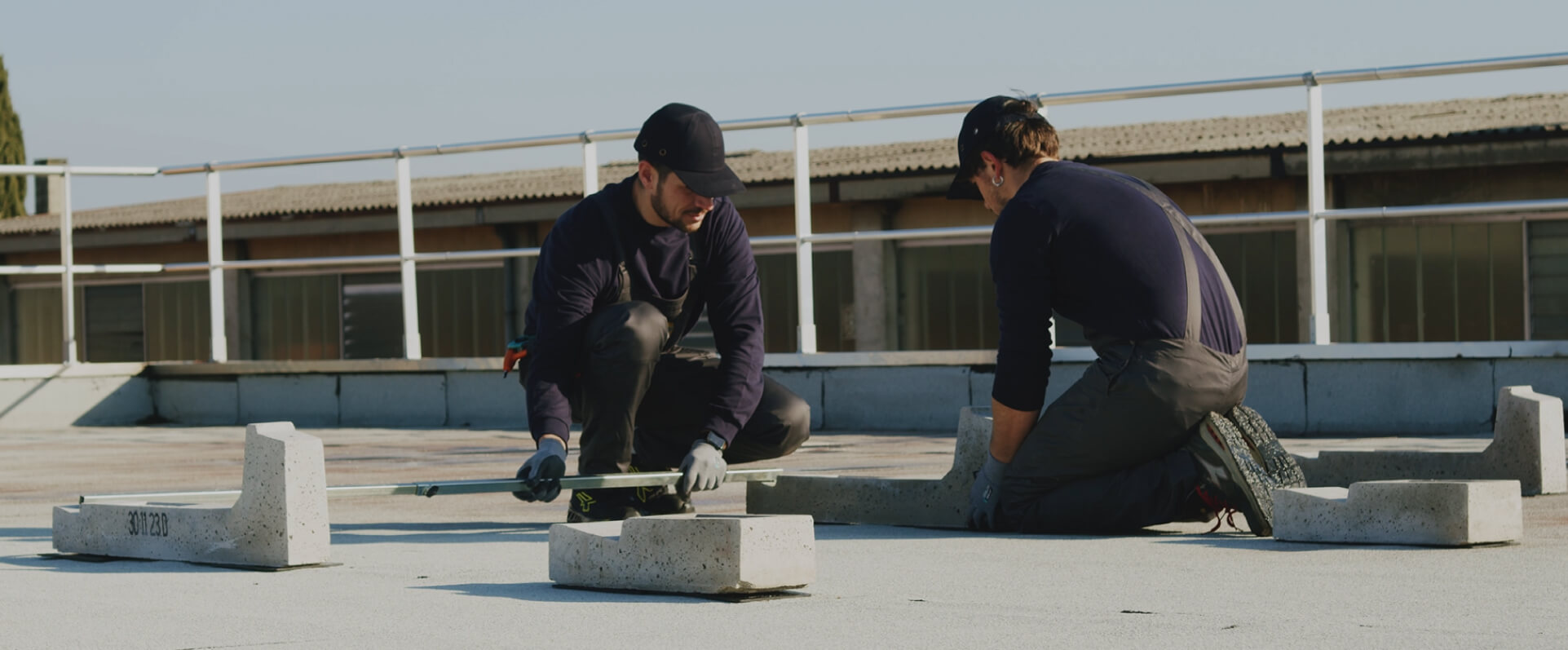
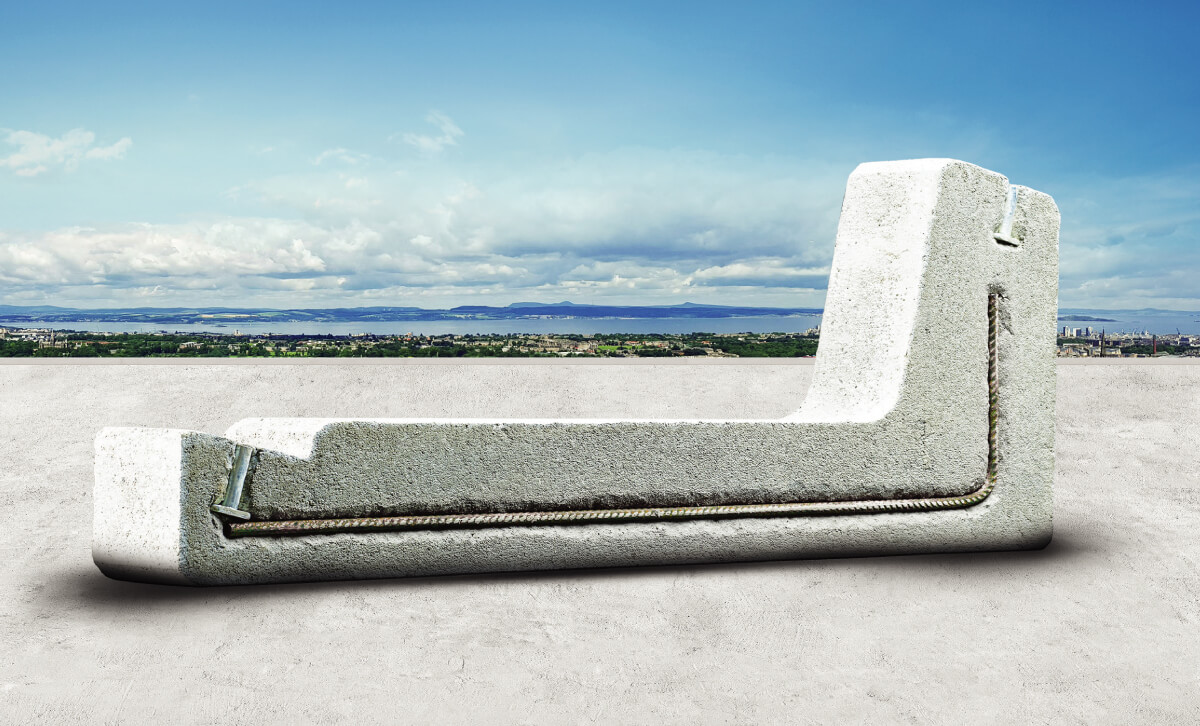
Concrete ballast supports are designed to make pv panel mounting
simpler on flat roofs: place, align, secure the modules, and move on. Because the system doesn’t
require penetrating the roof, you avoid many of the most common causes of delays—sealing
details, additional waterproofing work, and coordination with other trades. This non-invasive
approach helps protect the roof’s integrity and can reduce long-term maintenance concerns. From
a site perspective, fewer structural elements and standardized components mean quicker handling
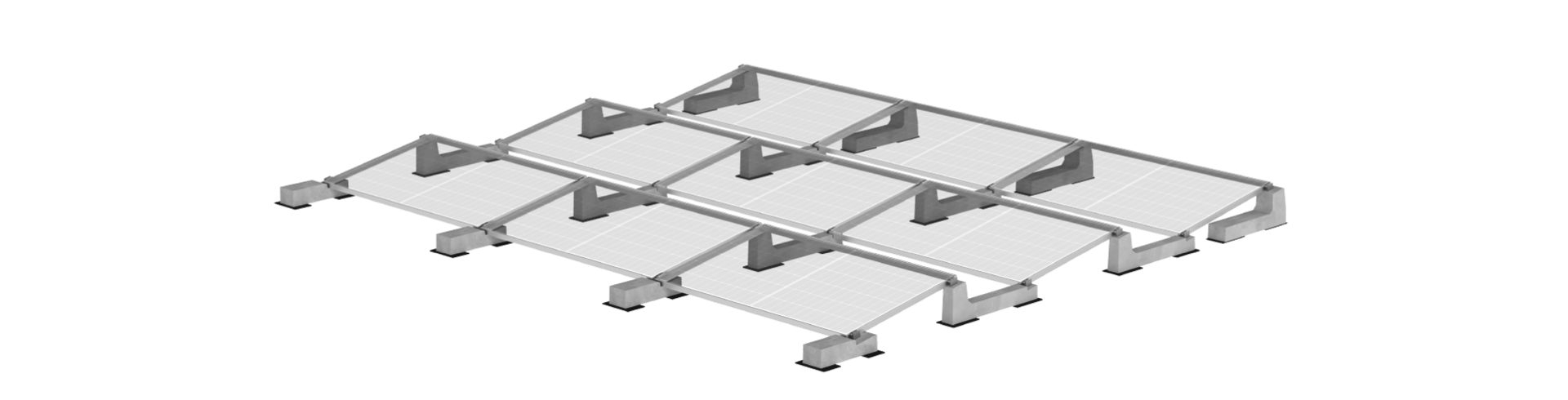
and a smoother workflow, even on large installations. From a technical perspective, a
well-engineered ballast design can improve stability by balancing panel inclination, spacing,
and load distribution. Installers benefit from a more intuitive build sequence, while designers
gain confidence in a solution that’s been developed for real-world wind and mechanical stresses.
In short, ballast-based pv panel mounting is not just about avoiding holes; it’s about creating
a faster, safer routine that keeps projects on schedule and minimizes surprises where they hurt
most—on the roof.
A technical partner approach for installers,
designers, and distributors
Choosing pv panel mounting is rarely just a product decision.
Installers want a system that goes up quickly and works the first time. Designers and engineers
need dependable sizing inputs, clear documentation, and support when wind loads and roof
constraints get complex. Distributors need solutions that are easy to specify and consistently
in demand. A partner-style approach brings all of that together: technical support during the
design phase, help with plant sizing and layout, and guidance that follows the project through
execution. This reduces responsibility pressure on the technical side and cuts wasted time on
site. For Italian flat-roof PV, where speed and waterproofing protection are non-negotiable, a
proven ballasted pv panel mounting solution supported by real expertise can make the difference
between a smooth handover and a job that drags. If your goal is to install more systems per
month, reduce roof-related risk, and deliver repeatable quality, focus on mounting that is
engineered for flat roofs—and backed by people who can help you get every detail right.