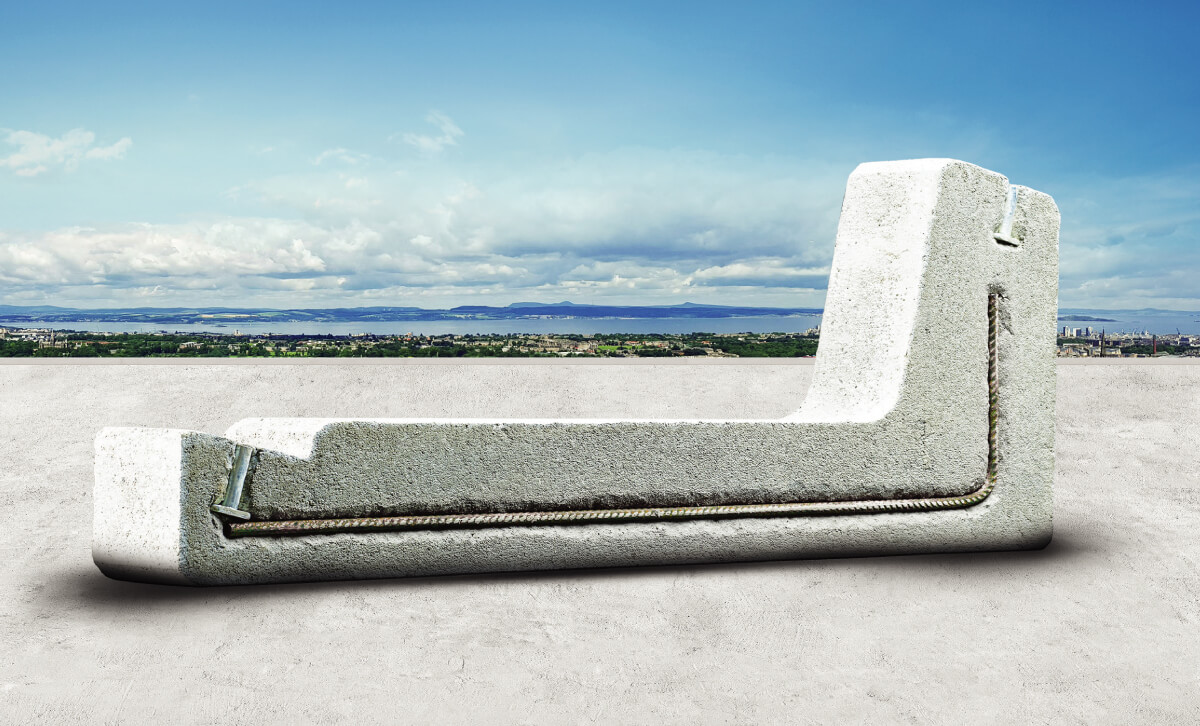
A Smarter PV Panel Mounting System for Flat
Roof Projects
If you install or design solar on flat roofs, you know the usual
pain points: too many components, slow assembly, and the risk of creating leaks with roof
penetrations. A modern pv panel mounting system can remove those obstacles by combining speed,
safety, and predictable performance—especially on commercial buildings and industrial sheds
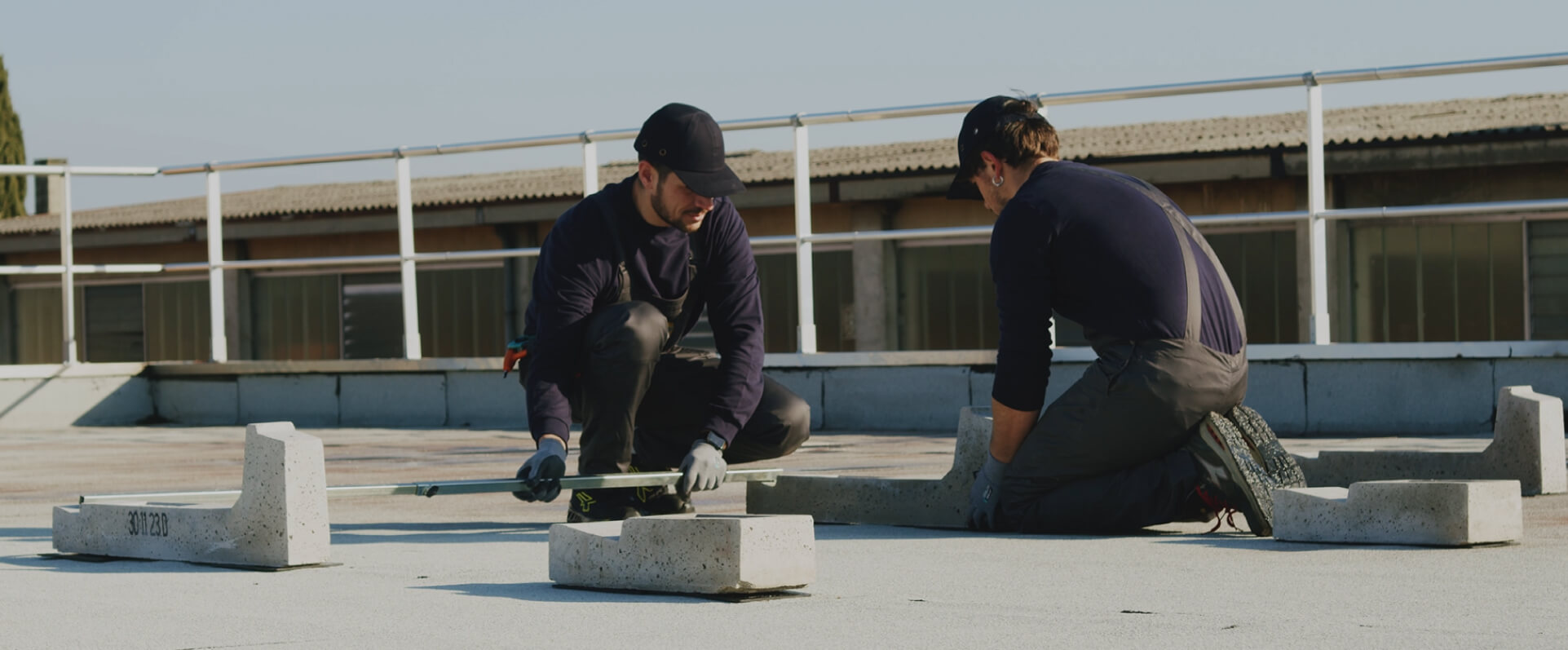
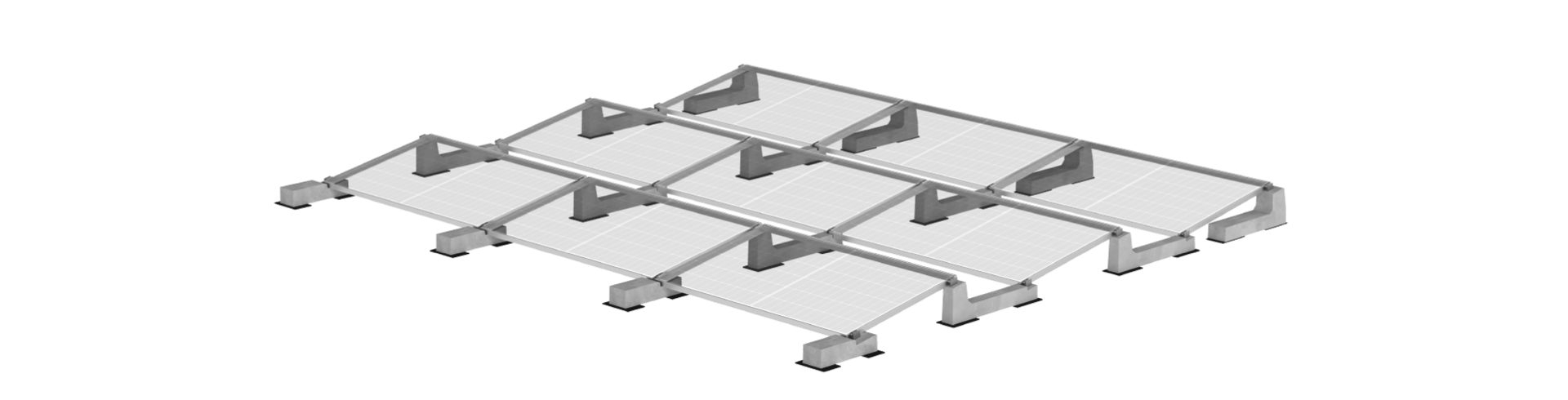
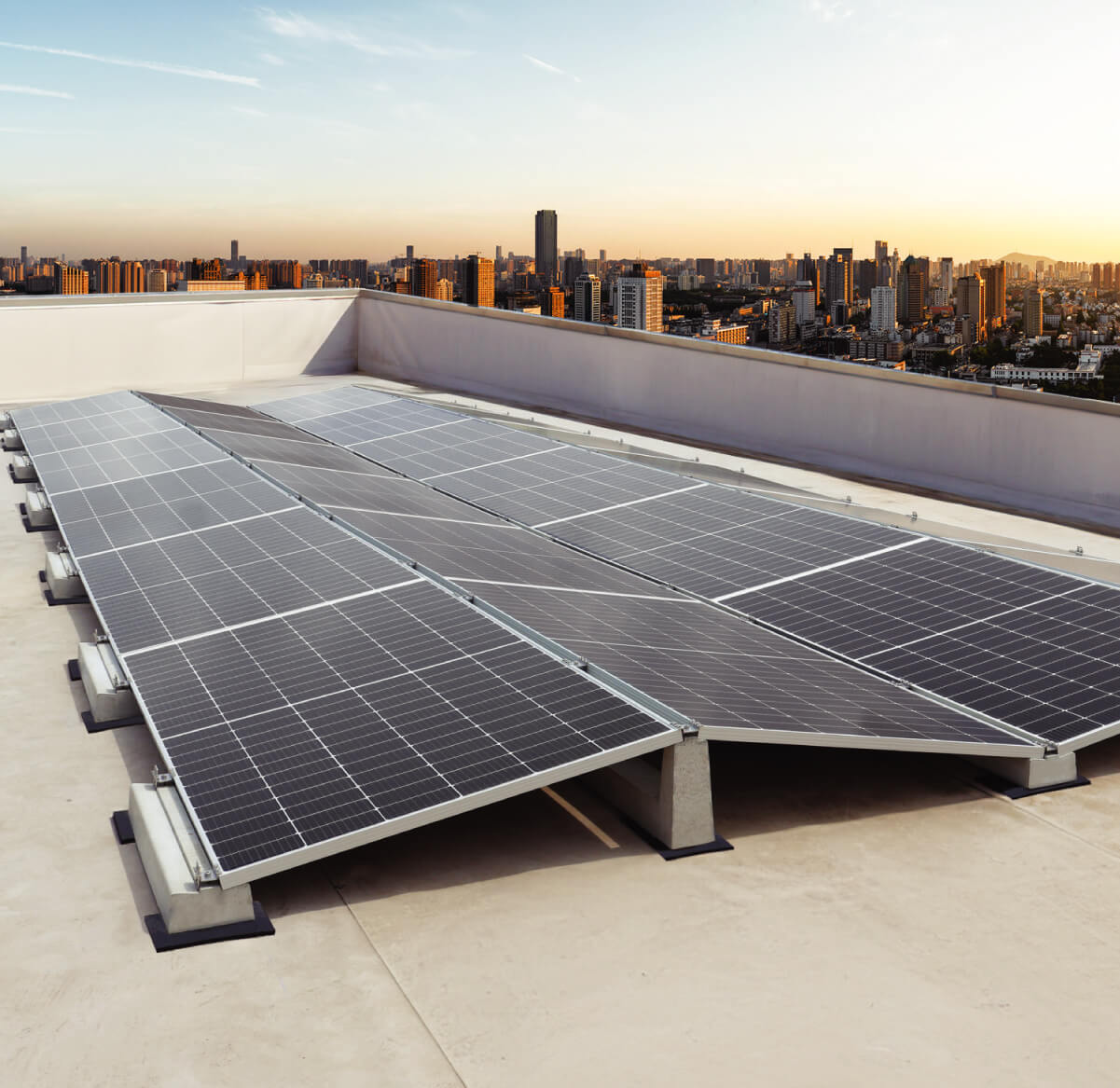
common across Italy. Ballasted mounting solutions are built to hold modules in place using
weight rather than anchors, helping protect waterproof membranes and reduce on-site uncertainty.
The result is a cleaner workflow: fewer steps, fewer tools, and less time spent managing fixings
and approvals. For installers, that means more jobs completed with the same crew. For engineers
and technical offices, it means clearer load paths and easier documentation for wind and
structural checks. And for distributors, it means a product category that is easier to explain
and consistently in demand. When the mounting system is engineered as a complete solution—not
just hardware—you also gain access to sizing guidance, layout support, and practical project
assistance, from early design through execution. In short, choosing the right pv panel mounting
system for flat roofs is not only about keeping panels tilted and aligned; it’s about reducing
risk, simplifying logistics, and delivering reliable output with a structure that works with the
roof instead of fighting it.
Why Ballasted, No-Drill Mounting Matters on
Italian Flat Roofs
On many Italian roofs, preserving the waterproof layer is a
priority. A ballasted pv panel mounting system avoids drilling and helps minimize the chance of
water ingress, call-backs, and long-term maintenance disputes. Concrete ballast supports provide
stability while keeping installation straightforward: position, align, and secure the modules
with a streamlined set of parts. This approach can also improve jobsite safety and planning,
because the process is more repeatable and less dependent on roof-specific anchoring details.
With proper engineering, wind loads, roof loads, and module rows can be optimized to match the
site’s conditions—crucial for coastal areas and exposed industrial zones. Related terms you may
evaluate in your specification include flat roof solar mounting, ballasted racking, concrete
ballast supports, non-penetrating solar mounts, wind deflectors, tilt angle optimization, and
roof load distribution. The right combination helps protect performance and compliance without
adding complexity.
Built for Professionals: Faster Installs,
Reliable Data, Stronger Results
A pv panel mounting system should feel like a partner on site:
intuitive for installers, dependable for designers, and easy to stock and supply for the
channel. Look for solutions that are tested, durable, and designed to reduce components while
keeping flexibility for different module sizes and layouts. Equally important is technical
support—help with preliminary design, plant sizing, and project development—so you can move from
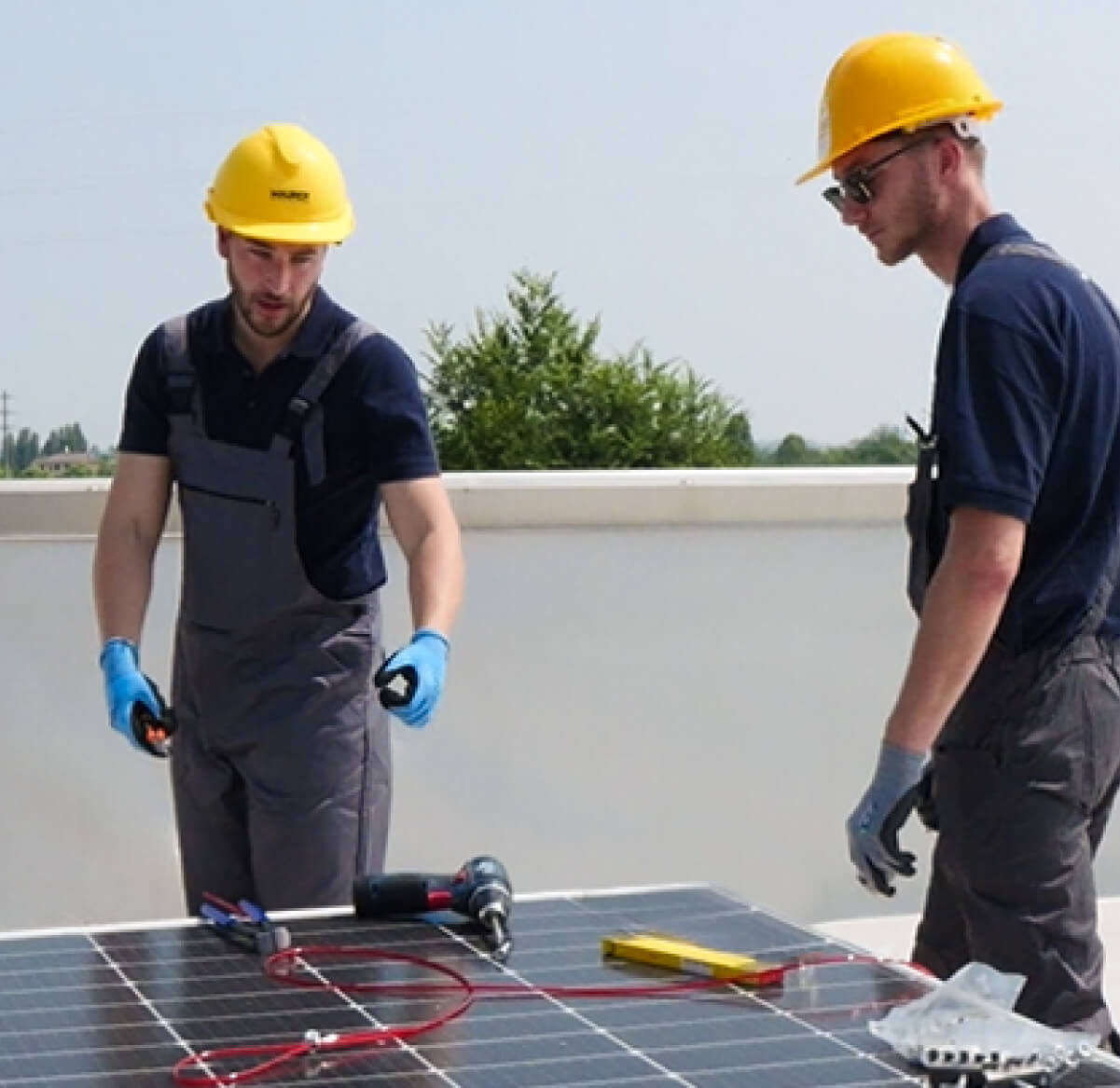
proposal to execution with fewer delays. For installation teams, the biggest win is speed: no
penetrations, fewer steps, and cleaner sequencing. For engineering teams, the win is confidence:
documented performance, repeatable configurations, and clearer responsibility management. And
for the wider B2B market, the win is efficiency: a flat-roof solar structure that reduces
operational complexity while helping projects get delivered on time. If you want to streamline
your next rooftop PV job in Italy, choose a pv panel mounting system engineered for flat roofs,
designed for rapid assembly, and supported by real technical know-how.