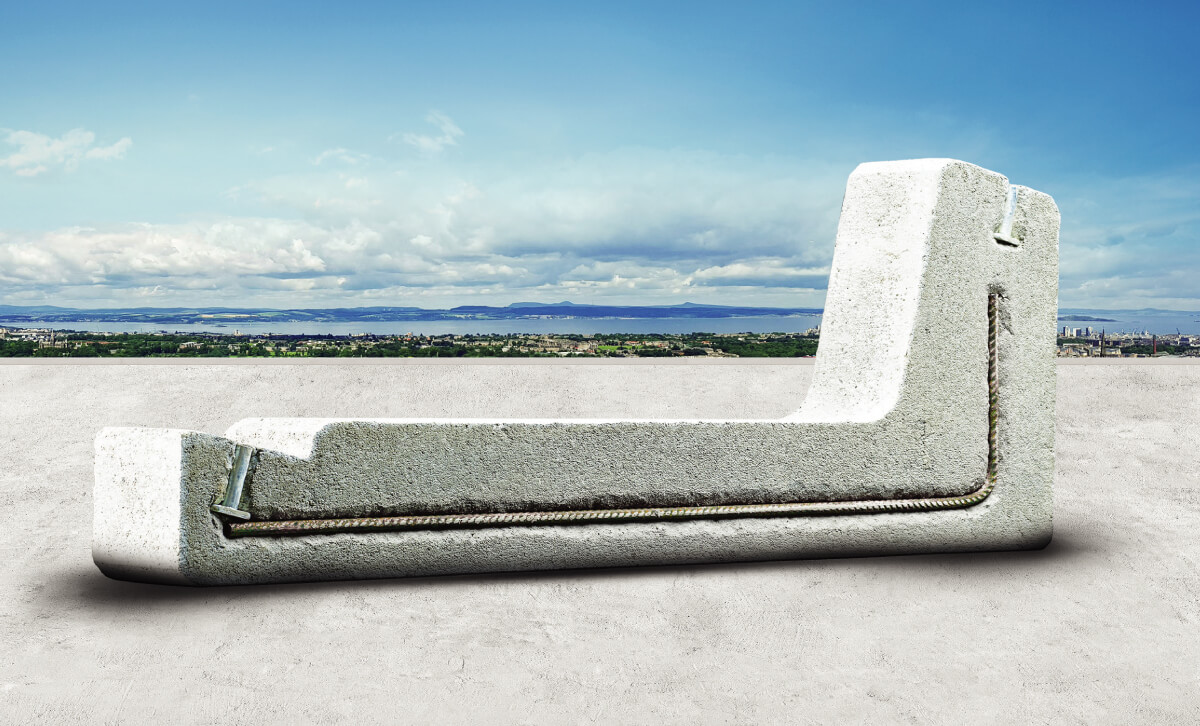
Why PV Panel Mounting Systems Matter on Flat
Roofs
Choosing the right pv panel mounting systems is often the
difference between a smooth installation and days of on-site complications—especially on flat
roofs. Installers and designers in Italy know the usual pain points: time-consuming structures,
too many components, and the constant concern of damaging the roof membrane with mechanical
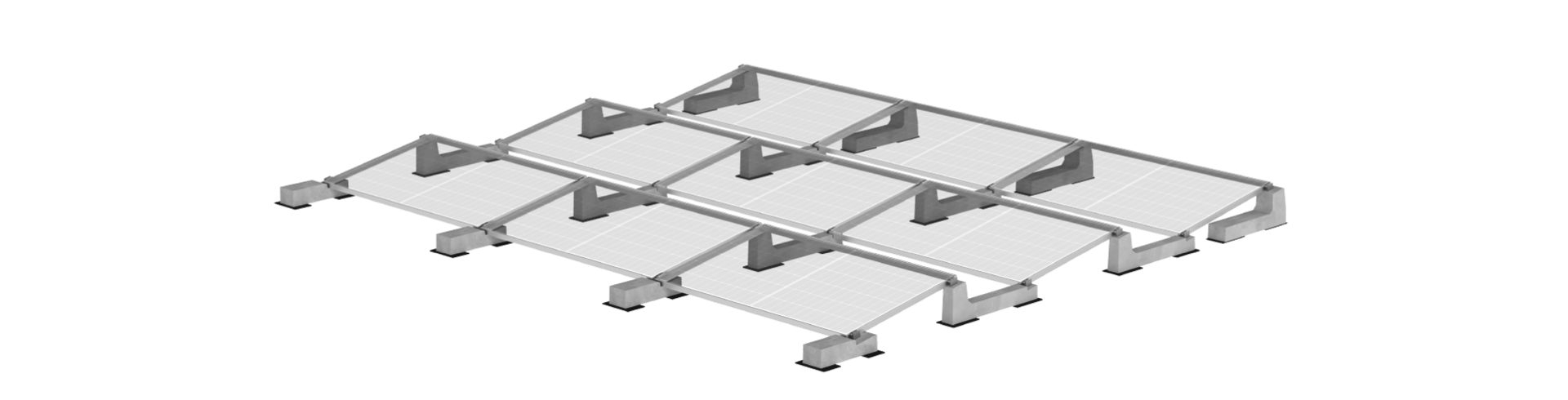
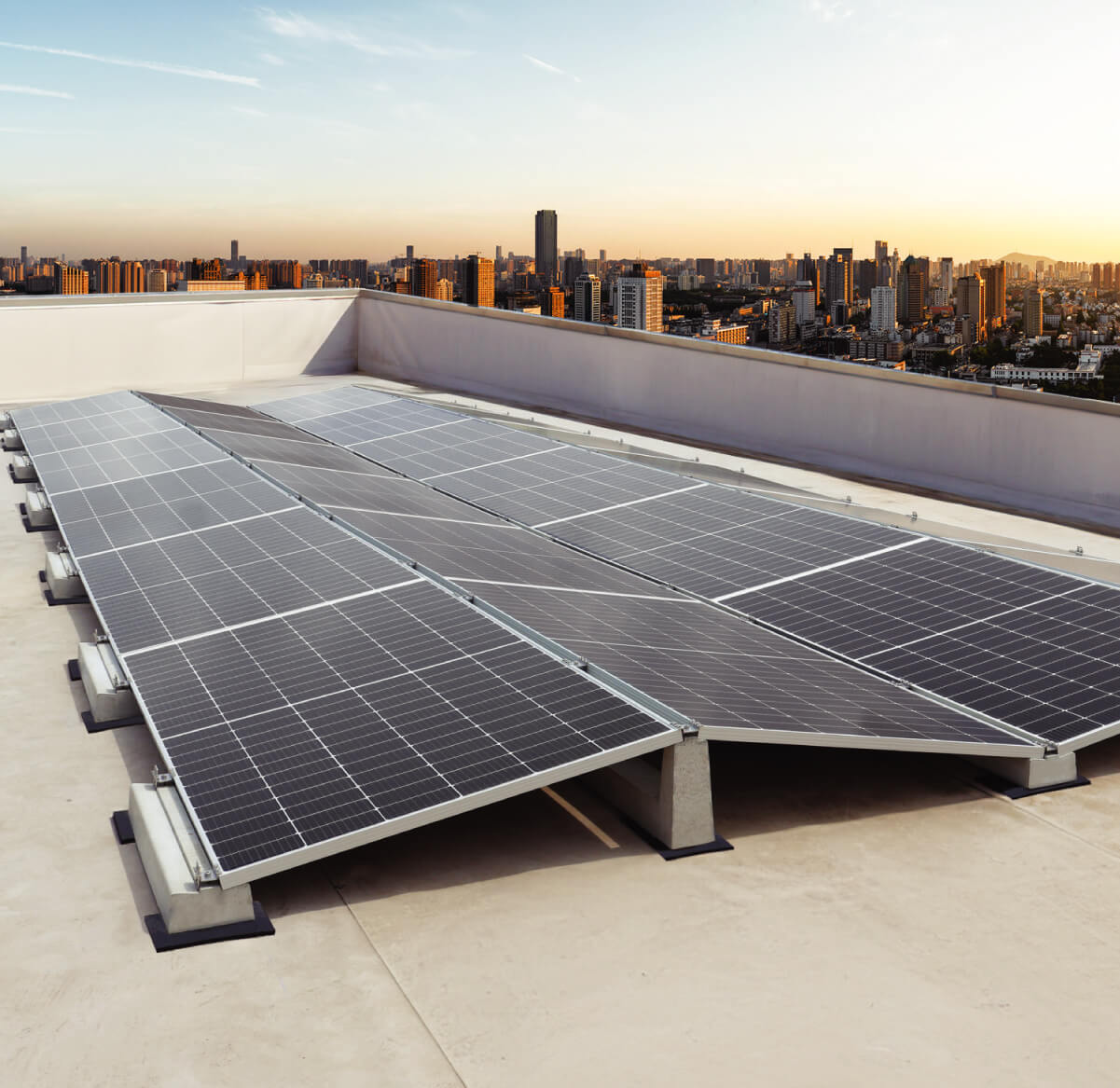
fixings. A ballast-based approach changes the game. By using engineered concrete weights to
secure photovoltaic modules, you can avoid roof penetrations and reduce waterproofing risks,
while keeping the system stable under wind loads. The practical benefit is immediate: fewer
steps, faster positioning, and a cleaner workflow on site. For technical teams, reliability is
just as critical as speed. A well-designed mounting solution should provide clear data for load
calculations, predictable layout options, and proven performance over time. When pv panel
mounting systems are purpose-built for flat roofs, they can simplify the entire project—from
preliminary design to final commissioning—without compromising safety. That’s why more
professionals are moving toward solutions that combine solid structural logic with installation
simplicity, making each rooftop project easier to plan, quicker to execute, and more dependable
in the long run.
Concrete Ballast Supports: No Roof
Penetration, Less Risk, More Speed
For flat-roof PV, concrete ballast supports are a smart
alternative to traditional anchored frames. Instead of drilling into the roof, the system uses
weight and optimized geometry to keep panels in place, which helps protect waterproof layers and
reduces the likelihood of future leaks. This is a major advantage for installers who want to
avoid callbacks and for building owners who demand minimal disruption. From an operational
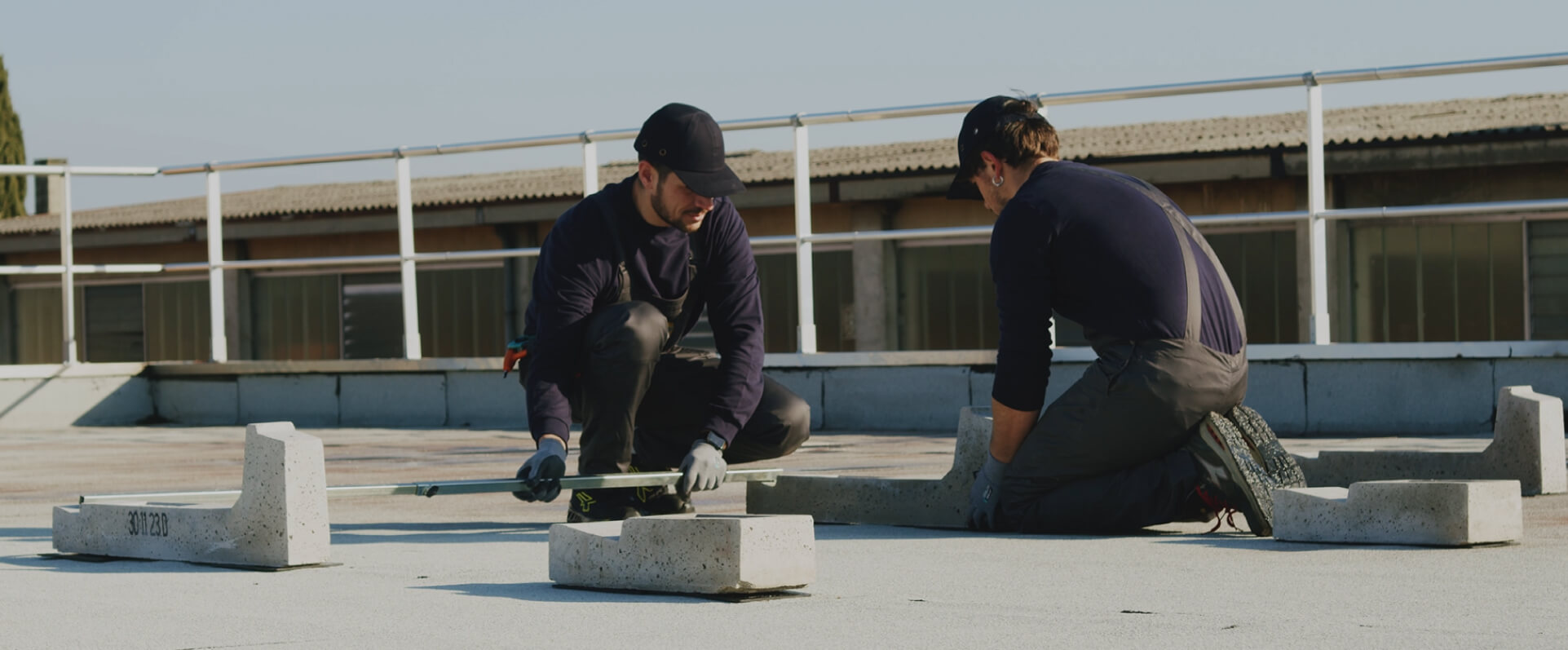
standpoint, ballast-based pv panel mounting systems can cut installation time because they
typically require fewer components and simpler assembly. On site, that means less measuring,
fewer fasteners, and quicker alignment of rows. The result is a straightforward process that
helps crews complete more projects with the same resources. These systems are also ideal when
the roof structure limits penetrations or when regulations and warranties make drilling a risk.
Add in flexible tilt options and optimized spacing, and you get a solution that supports both
performance and practicality. In short, concrete ballast mounting is not just a product
choice—it’s a strategy to reduce complexity while improving jobsite efficiency.
A Technical Partner Approach for Installers,
Designers, and Distributors
The best pv panel mounting systems are backed by more than
hardware—they come with dependable technical support. For designers and engineers, accurate
sizing for wind, loads, and layout is essential to reduce responsibility risks and ensure
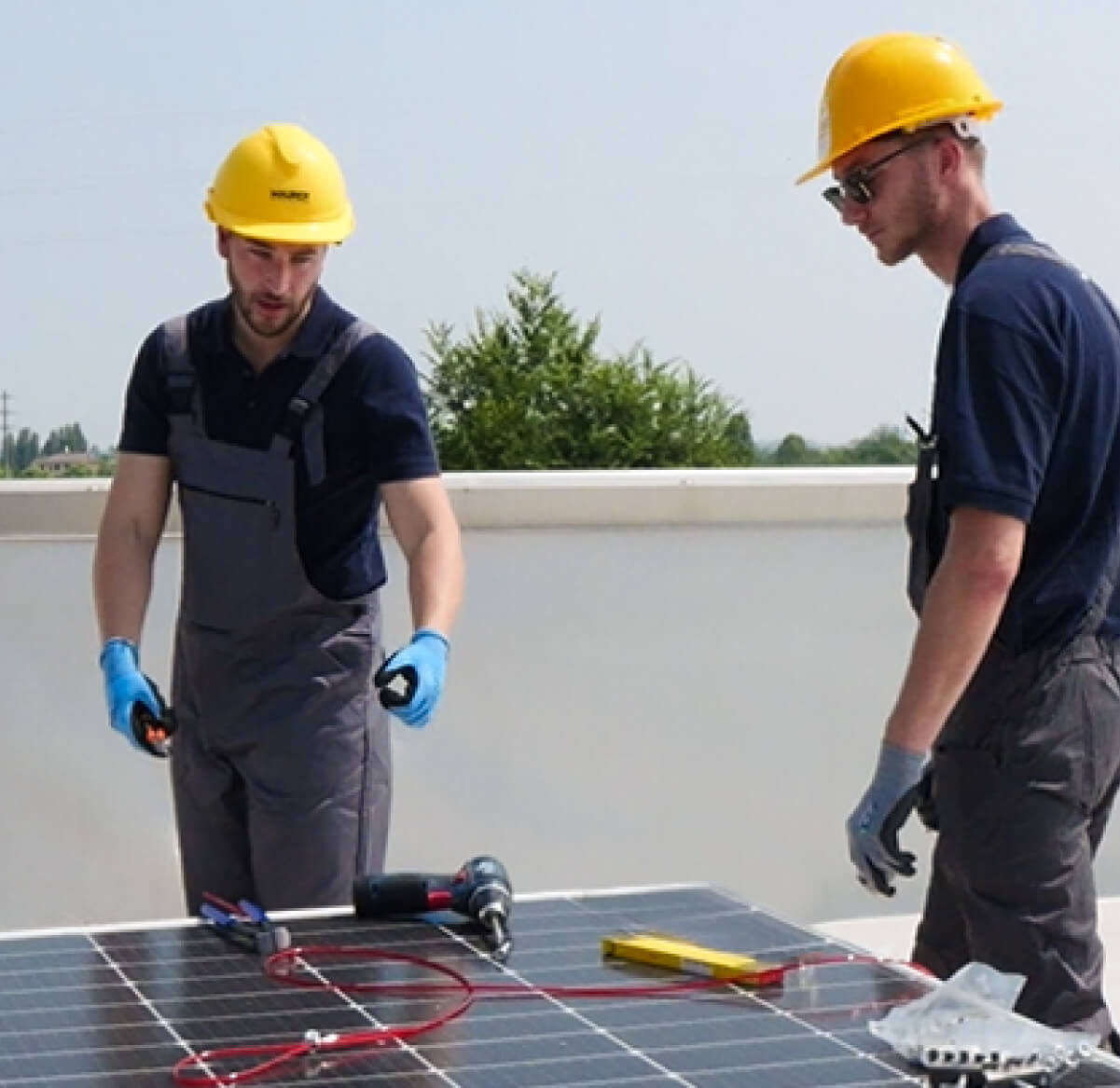
compliance. For installers, having fast answers and ready-to-use guidance can prevent delays and
keep the team moving. And for distributors, a recognizable solution that’s easy to explain and
trusted by professionals makes selling simpler and demand more consistent. A partner-style
approach brings these needs together: technical assistance during design, help with system
dimensioning, and commercial support through to execution. This is particularly valuable in the
Italian market, where flat roofs are common across industrial buildings and logistics hubs, and
where speed, safety, and reliability are non-negotiable. If your goal is to deliver high-quality
installations with fewer surprises, choose pv panel mounting systems built around three
principles: durability (tested, long-lasting components), simplicity (intuitive, rapid
installation), and innovation (continuous improvement for real jobsite needs). With the right
solution, every flat-roof PV project becomes easier to manage, faster to deliver, and more
secure over time.