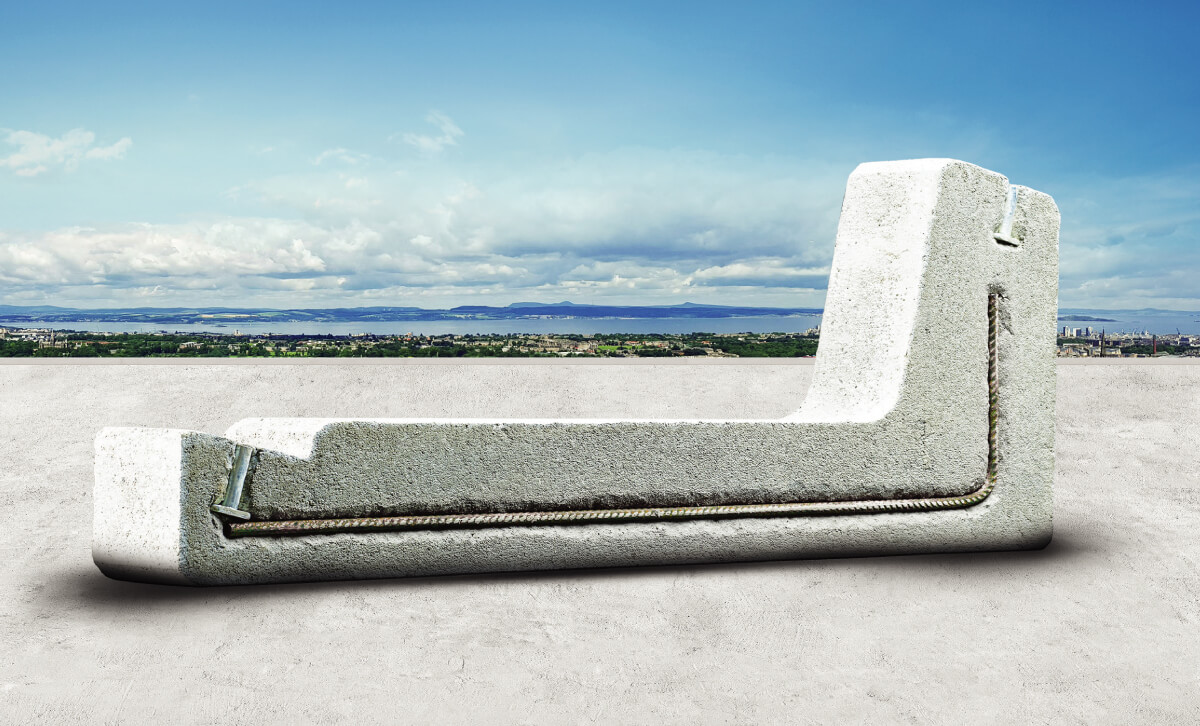
A PV Panel Racking System Built for Flat Roof
Efficiency
Choosing the right pv panel racking system is often the difference
between a smooth flat-roof installation and days of unexpected delays. In the Italian market,
where industrial rooftops and commercial buildings are a prime opportunity for solar, installers
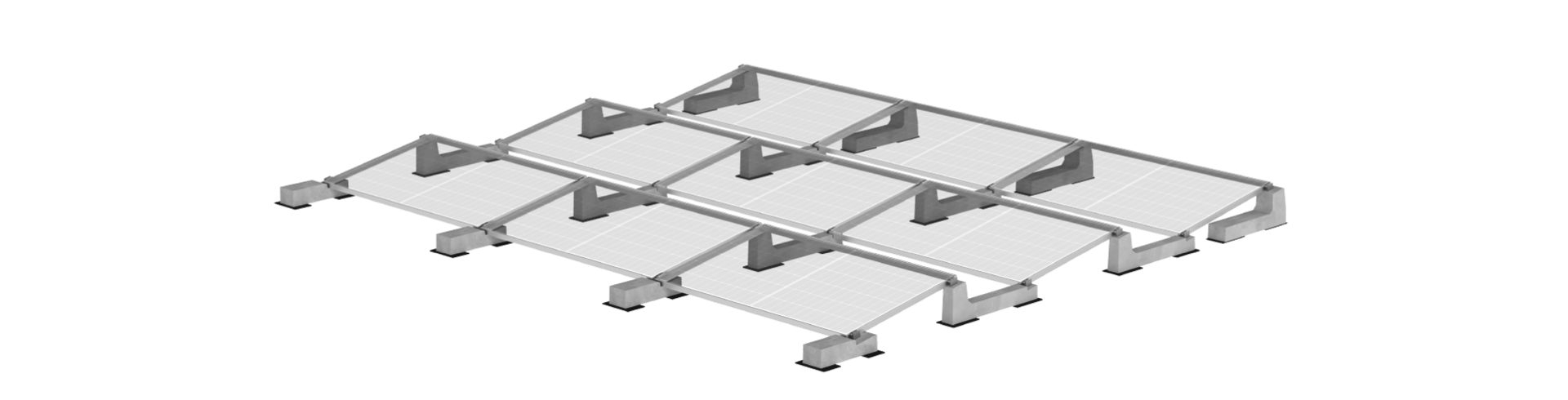
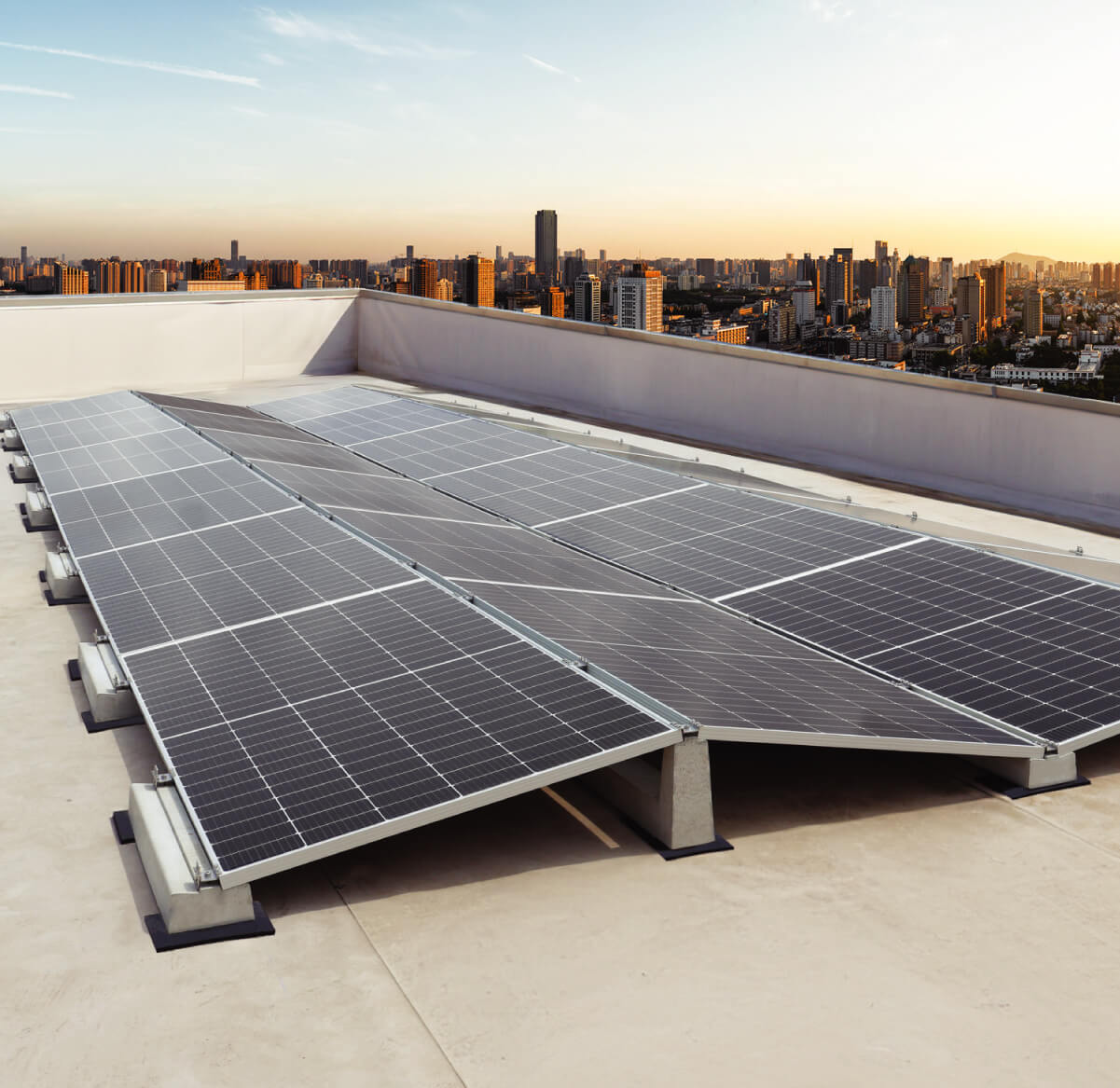
and designers need a solution that is quick, safe, and repeatable. A ballast-based racking
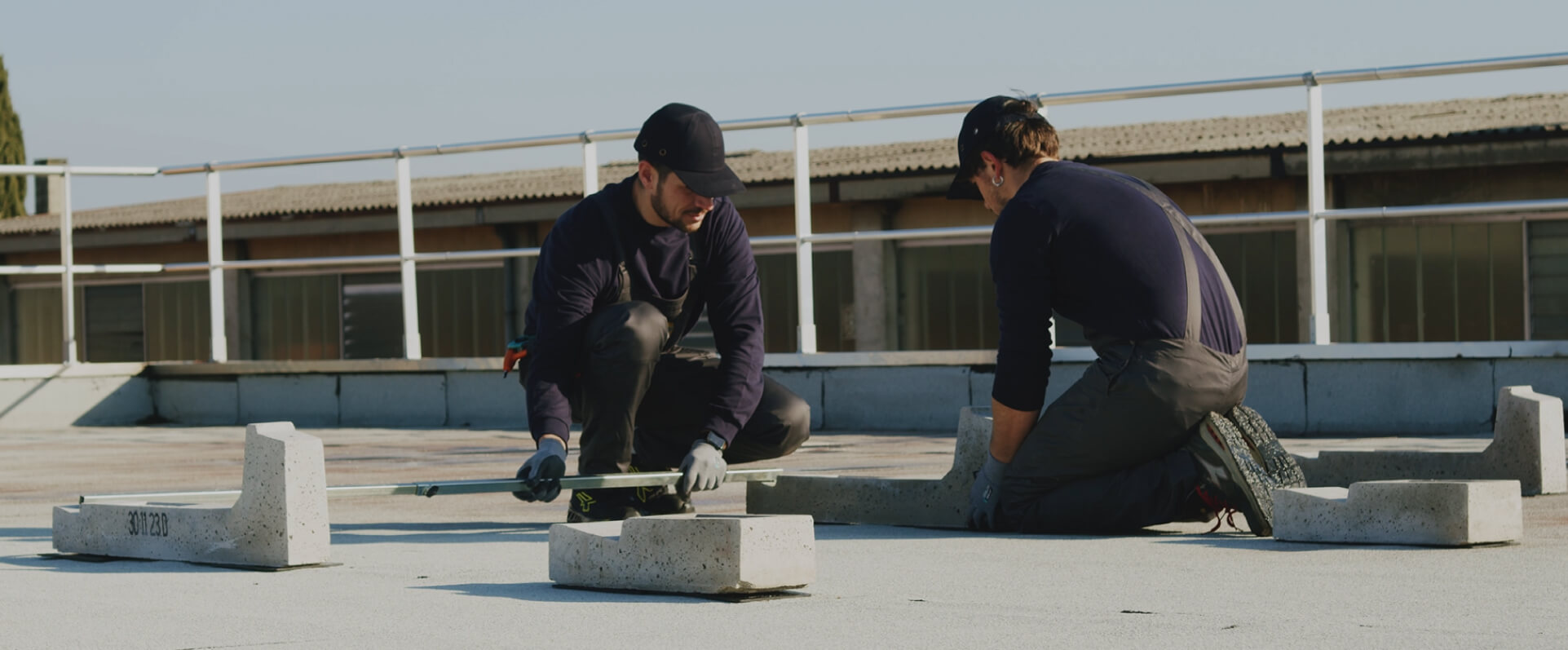
approach answers that need by using precast concrete weights to secure modules without
penetrating the roof membrane. That means fewer leak risks, less paperwork around waterproofing,
and a cleaner workflow on site.
For installers, the biggest win is speed: fewer components, intuitive placement, and reduced
time spent on drilling, sealing, and re-checking fixings. For engineers and technical offices, a
modern pv panel racking system should also provide dependable data for structural loads, wind
uplift, and roof pressure distribution, helping reduce design uncertainty. And for distributors,
simplicity sells: a recognizable solution that meets common flat-roof constraints, with
predictable installation steps.
If your goal is to deliver more projects with less friction, look for a pv panel racking system
designed specifically for flat roofs—one that combines mechanical stability, tidy cable
management options, and a track record of durability in real-world conditions across Italy.
No Roof Drilling: Reduce Risk, Increase
Confidence
Flat roofs are unforgiving when it comes to penetrations. Every
hole can become a future leak, and every leak can become a costly call-back. A no-penetration pv
panel racking system using concrete ballast dramatically lowers that risk by keeping the
waterproof layer intact. This approach is especially valuable on rooftops with sensitive
membranes, aging waterproofing, or strict maintenance requirements.
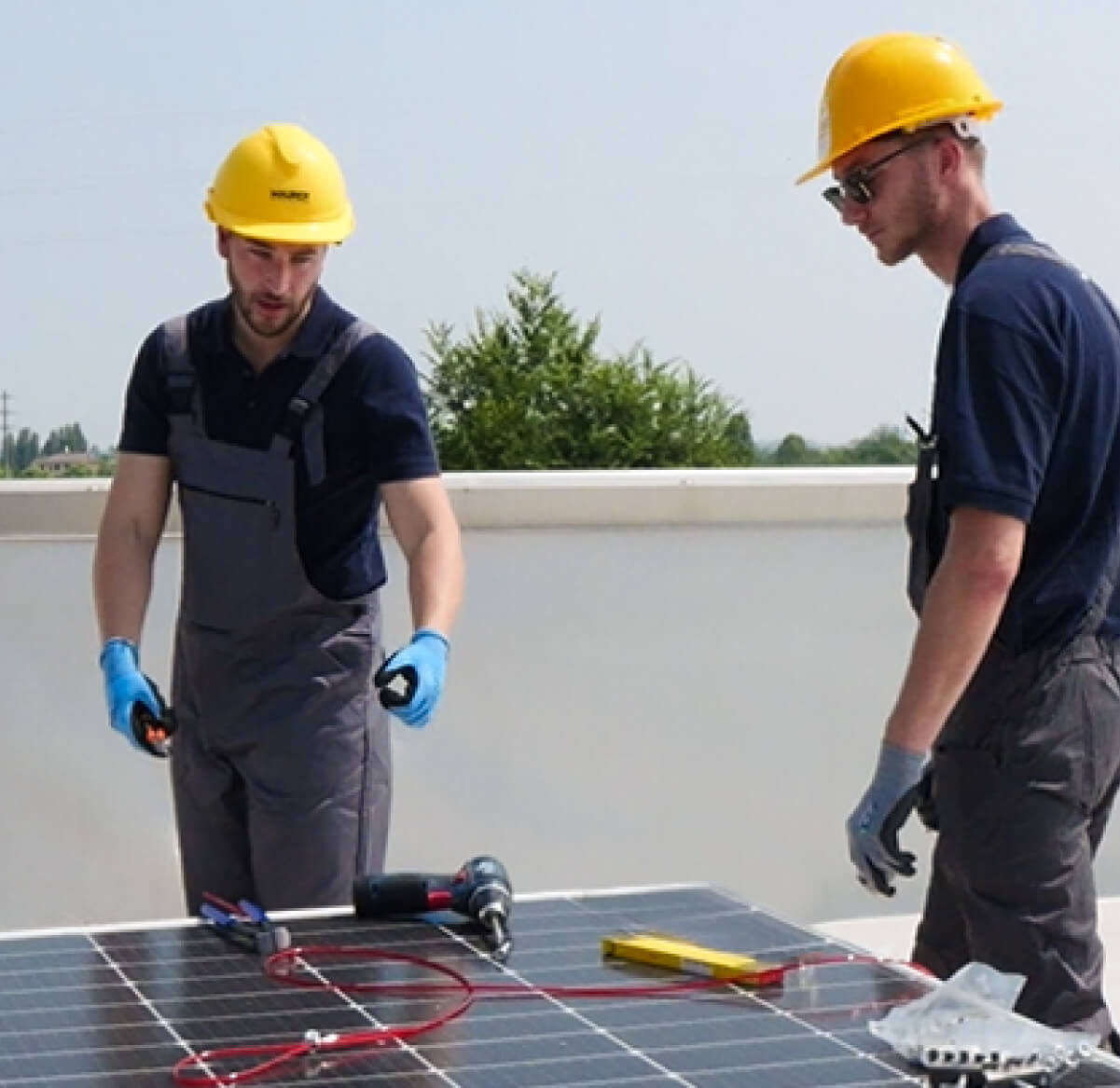
From a site perspective, the benefits are immediate: fewer tools, fewer steps, and fewer
opportunities for errors. Installers can focus on alignment and electrical work rather than
chasing waterproofing details. For project managers, this translates into clearer timelines and
easier coordination with other trades.
A reliable pv panel racking system should also be designed with safety in mind—stable supports,
controlled module tilt options, and layouts that support service access. When the structure is
purpose-built for flat roofs, you avoid improvised solutions and gain a more professional finish
that clients notice.
Technical Support That Turns a Product into a
Complete Solution
In B2B solar, the strongest pv panel racking system is the one
that comes with solid technical backing. Wind exposure, roof height, parapets, and local
conditions can change the load assumptions from one project to the next. That’s why many
professionals in Italy value a partner-style approach: support during design, help with system
sizing, and guidance through the project until execution.
For designers, access to tested configurations and dependable calculations reduces
responsibility stress and speeds up approvals. For installers, having a clear bill of materials
and a proven assembly logic helps prevent last-minute surprises on site. And for distributors, a
supported solution means fewer returns, fewer technical disputes, and happier customers.
If you want to deliver flat-roof PV projects faster and with fewer risks, choose a pv panel
racking system that’s engineered for ballast installation, built to last, and backed by real
technical expertise—so every job feels simpler from planning to commissioning.