Why PV Panel Installers in Italy Are
Rethinking Flat-Roof Mounting
For pv panel installers working on flat roofs in Italy, the real
challenge is rarely the module itself—it’s everything around it: waterproofing risks, long
installation times, and structures that feel more complicated than they should be. Every roof
penetration can become a future call-back, and every extra component adds time, logistics, and
room for error on site. That’s why many professionals are moving toward ballasted PV mounting
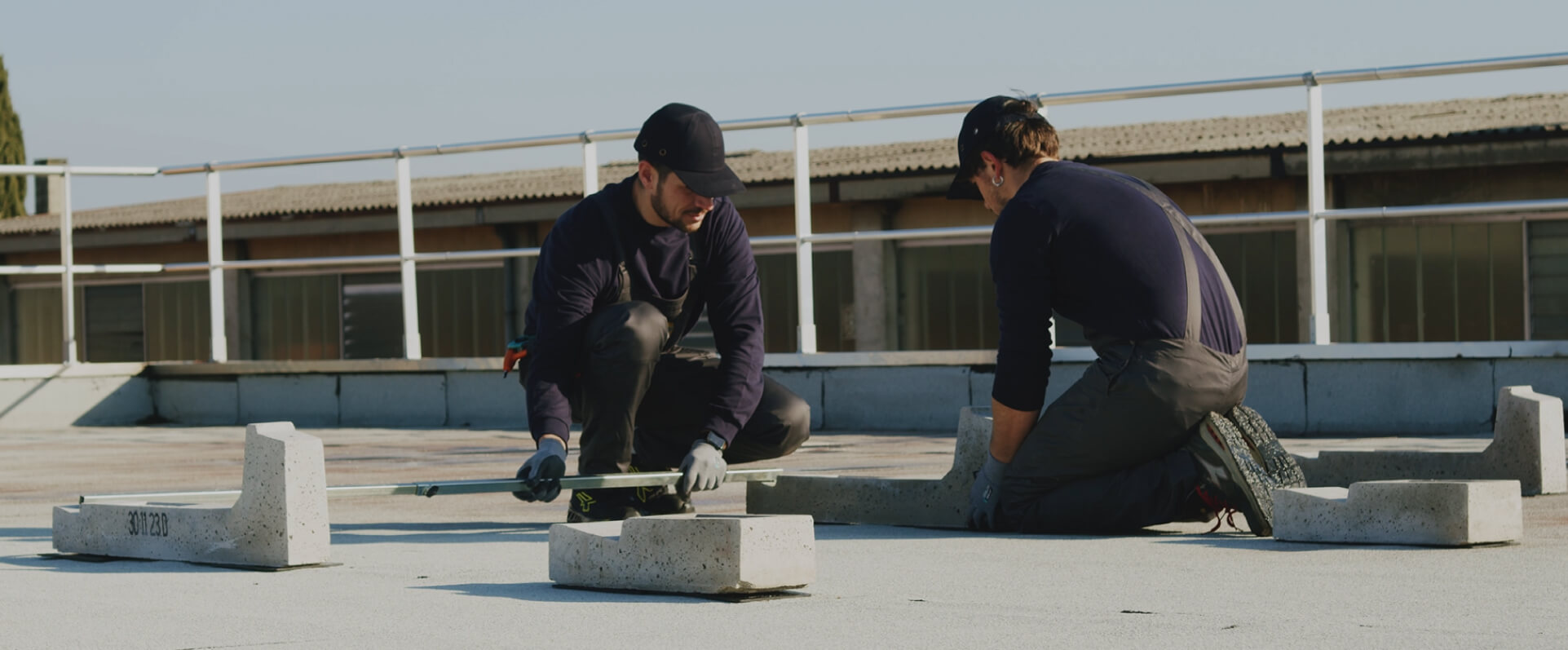
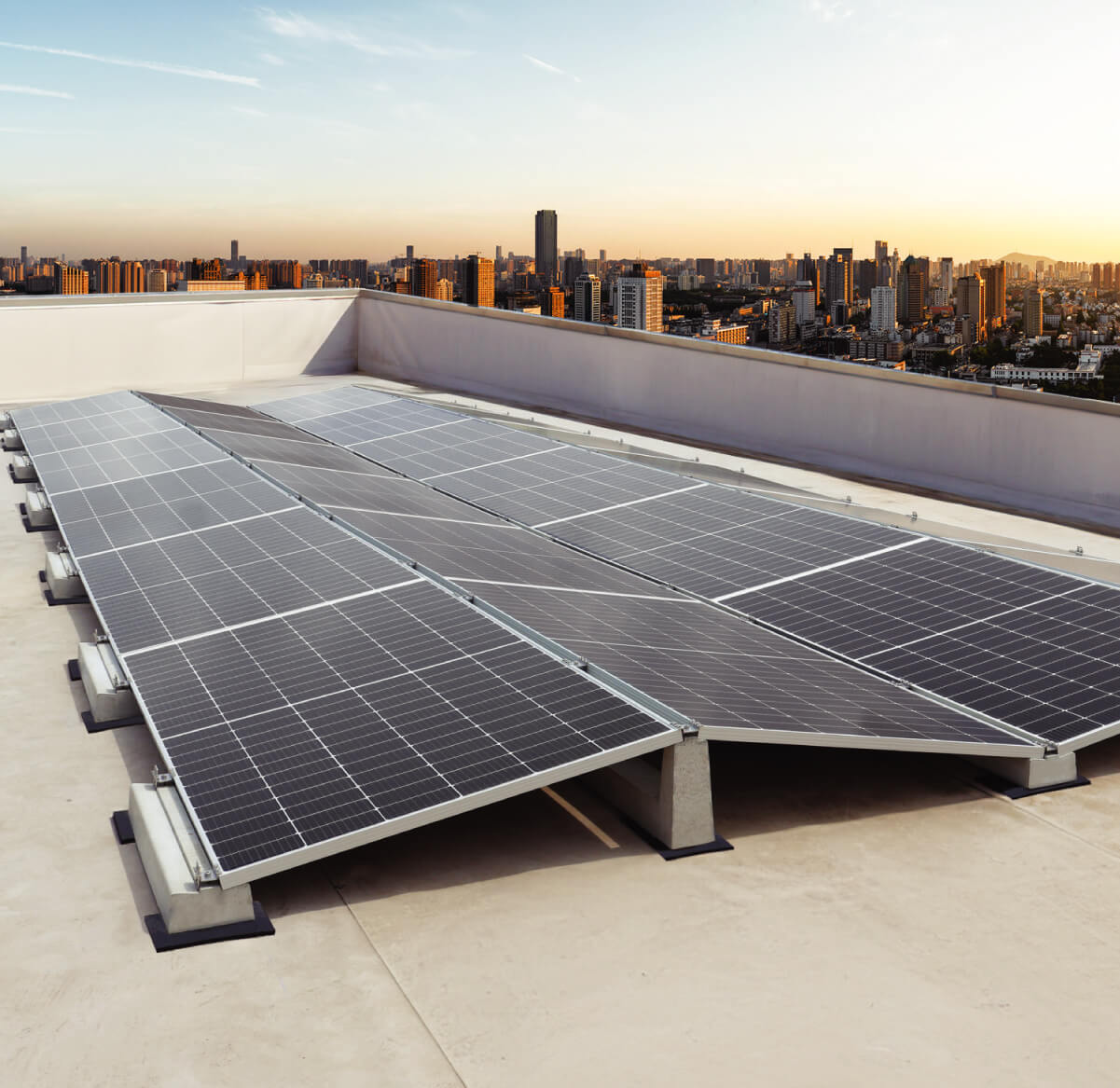
systems designed to keep the roof intact. Concrete ballast supports make it possible to install
photovoltaic panels without drilling through the membrane, helping reduce leakage risk and
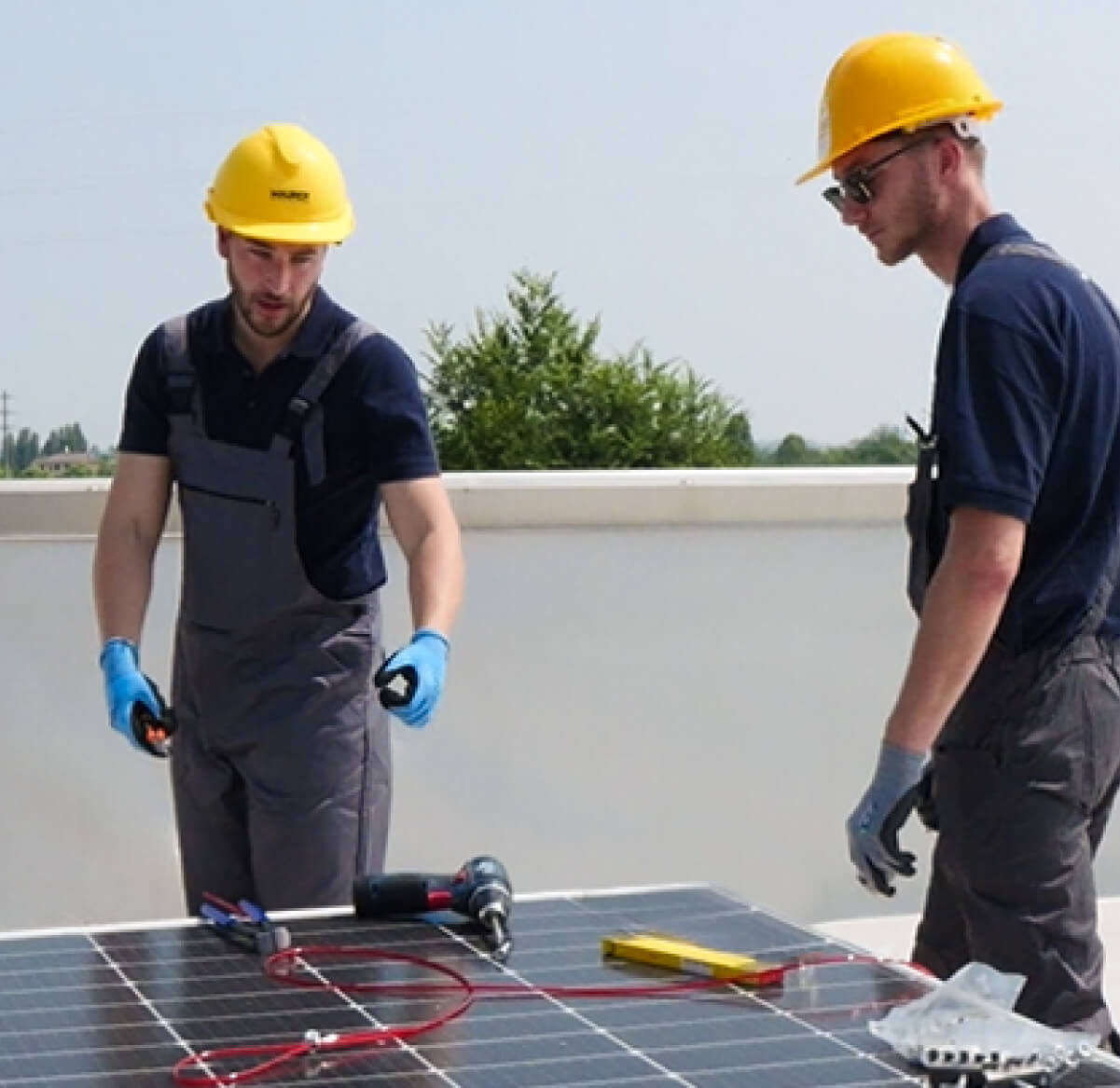
simplifying the workflow from delivery to commissioning. For installers, the practical
advantages are immediate: fewer parts to manage, faster positioning, and a cleaner, more
repeatable installation method across multiple projects. For engineering teams, it’s about
predictable loads, tested solutions, and documentation that makes system design less stressful.
And for distributors, it’s a straightforward product story that aligns with stable market
demand. If your goal is to complete more installations with fewer headaches—especially on
commercial buildings and industrial warehouses—choosing the right flat-roof support strategy can
be the difference between a smooth job and a complicated one. The end result is a PV system that
is quicker to build, easier to plan, and safer for the roof.
A No-Drill Solution Built for Speed, Safety,
and Simplicity
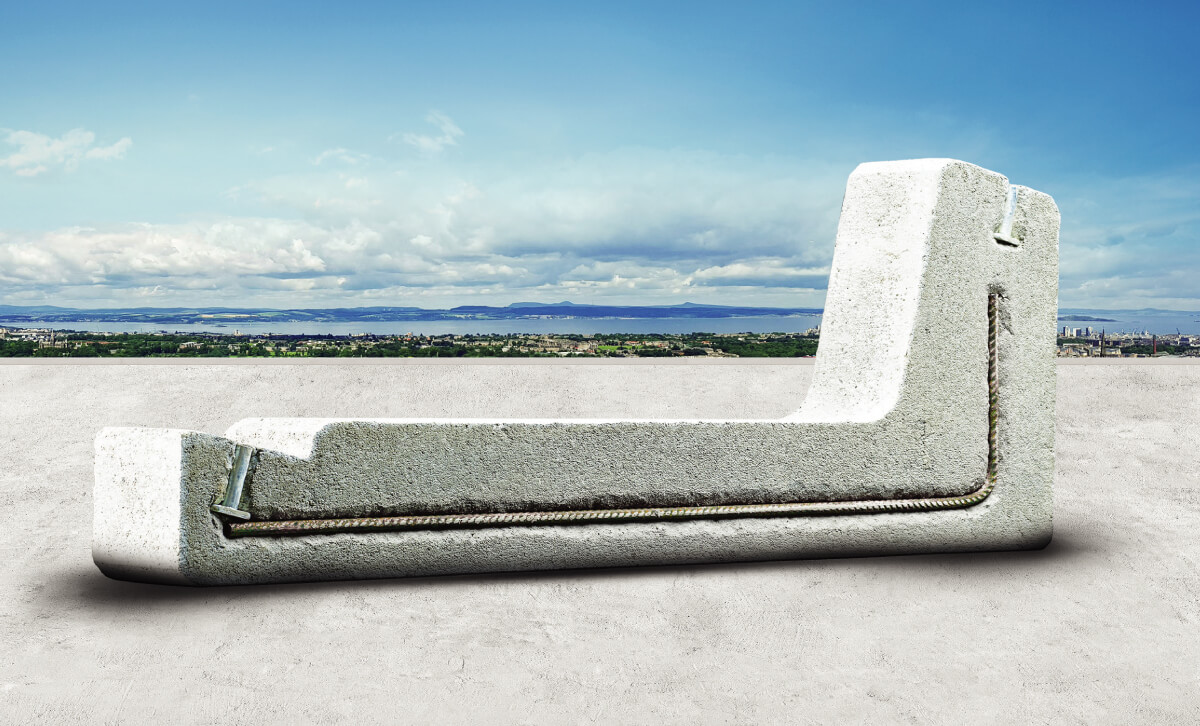
A ballasted solution for flat roofs is designed around one simple
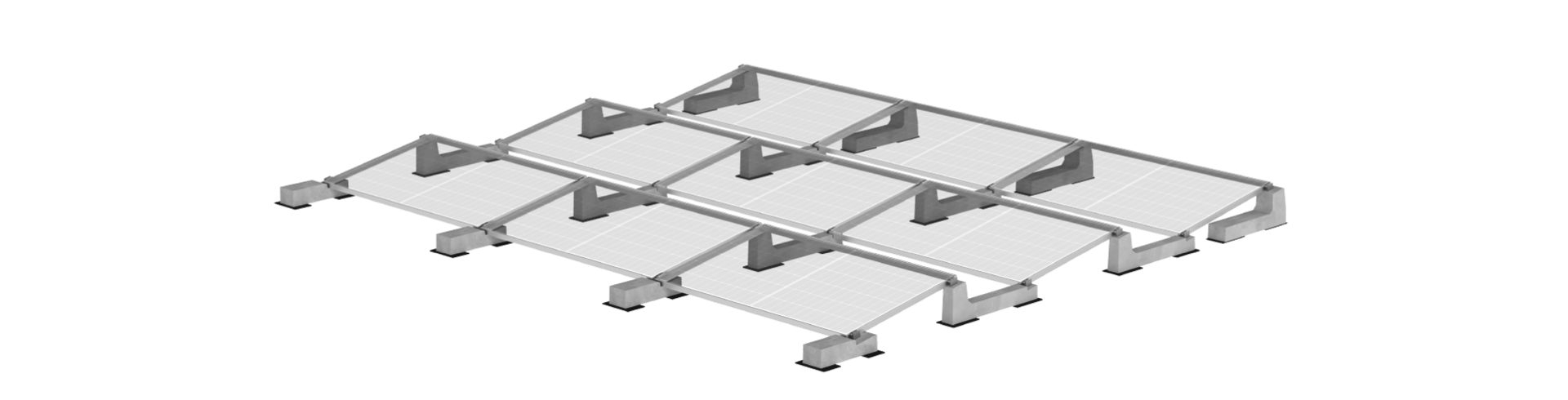
idea: secure the PV array with weight and smart geometry, not with roof penetrations. Concrete
ballast blocks act as the base for photovoltaic modules, keeping the waterproof layer untouched
while providing stability against wind loads when correctly designed. For pv panel installers,
this approach typically means less on-site measuring, fewer fastening operations, and a shorter
learning curve for crews. The system is also installer-friendly because it reduces the number of
small accessories that can get lost, misassembled, or delayed. From a technical perspective,
having a support system that is already tested and engineered for rooftop PV helps reduce
uncertainty during sizing and layout. This is especially valuable when deadlines are tight and
responsibilities are high. A strong technical partnership matters too: support during the design
phase, help with system dimensioning, and assistance that follows the project through execution.
In practice, that kind of back-up can help installers and designers avoid overbuilding, prevent
costly changes on site, and deliver a more consistent quality standard across installations.
What to Look for When Choosing PV Panel
Installers’ Flat-Roof Support Systems
When evaluating flat-roof PV mounting, pv panel installers should
prioritise three things: reliability, simplicity, and real-world technical support. Reliability
means durable materials, proven performance, and solutions designed to last under Italian
weather conditions. Simplicity means fast installation with fewer components—because speed is
profit, and complexity is risk. And support means having access to accurate data for wind and
load considerations, plus guidance that helps turn a roof survey into an executable plan. For
installers, this translates into smoother site operations and fewer post-installation issues.
For engineers and technical offices, it lowers calculation pressure and provides clearer
documentation. For distributors, it offers a product that is easier to explain and easier to
stock. If you operate in the Italian B2B solar market—especially on flat commercial and
industrial rooftops—choosing a ballasted, no-penetration approach can help you deliver projects
faster while protecting the roof. Explore solutions and technical resources at
www.sunballast.com to see how a complete flat-roof system can simplify your next PV
installation.