PV mounting systems UK: what Italian
installers should look for on flat roofs
Searching for pv mounting systems uk often starts with one goal:
getting flat-roof solar installed faster, with fewer headaches on site. For installers and EPC
teams in Italy, the priorities are clear—speed, safety, and repeatable results. A well-designed
mounting solution should minimise roof risk, reduce labour time, and keep logistics simple. That
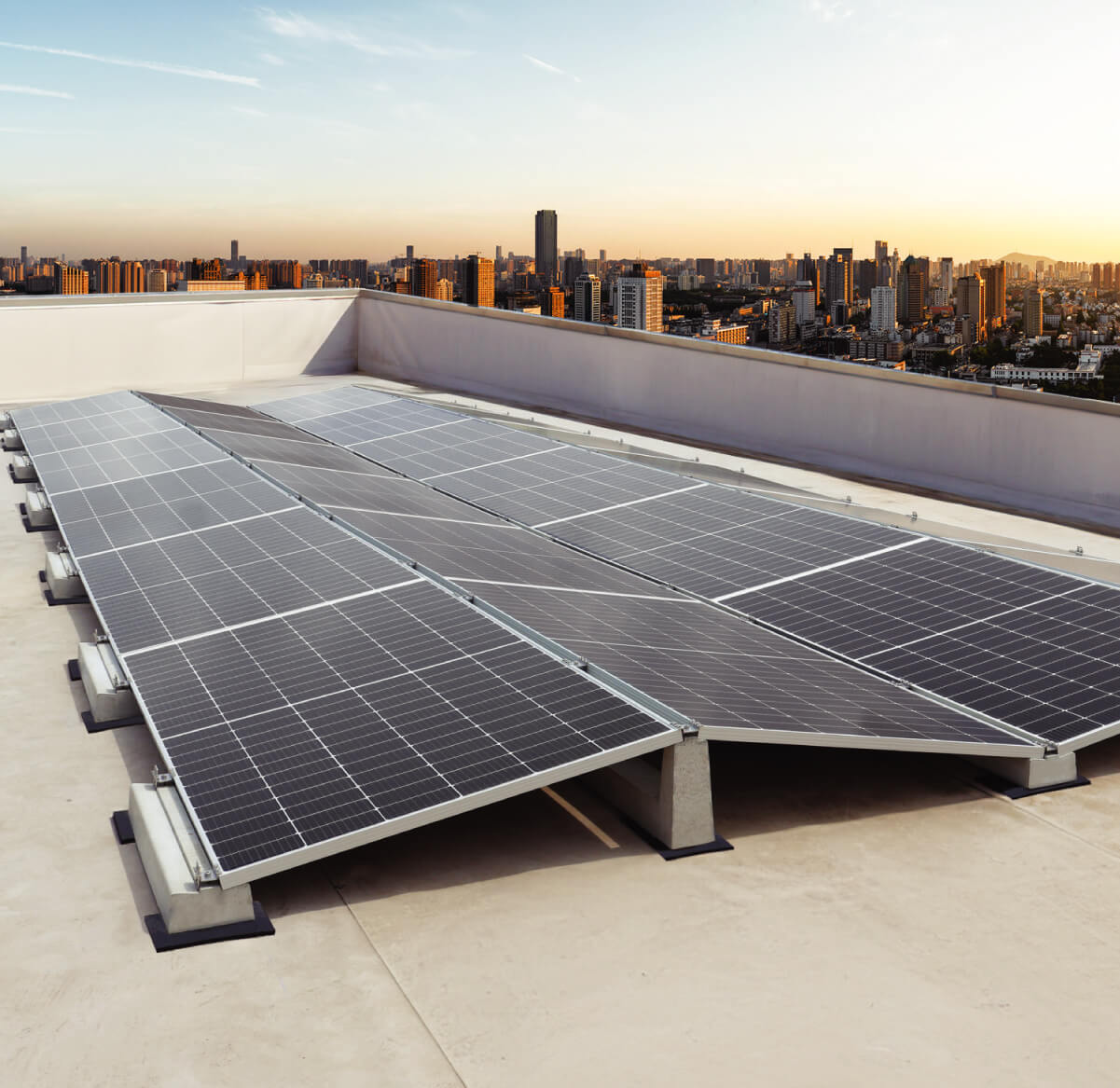
is why ballasted PV supports are increasingly preferred on flat roofs: they allow panel
installation without drilling the waterproof membrane, cutting the chances of leaks and
call-backs.
When evaluating pv mounting systems uk alternatives, focus on three practical factors. First,
structural reliability: solid, tested components that handle wind and load requirements with
predictable performance. Second, simplicity: fewer parts means fewer mistakes, faster assembly,
and easier training for crews. Third, compatibility: solutions that adapt to common module sizes
and typical flat-roof layouts help you standardise your method across projects.
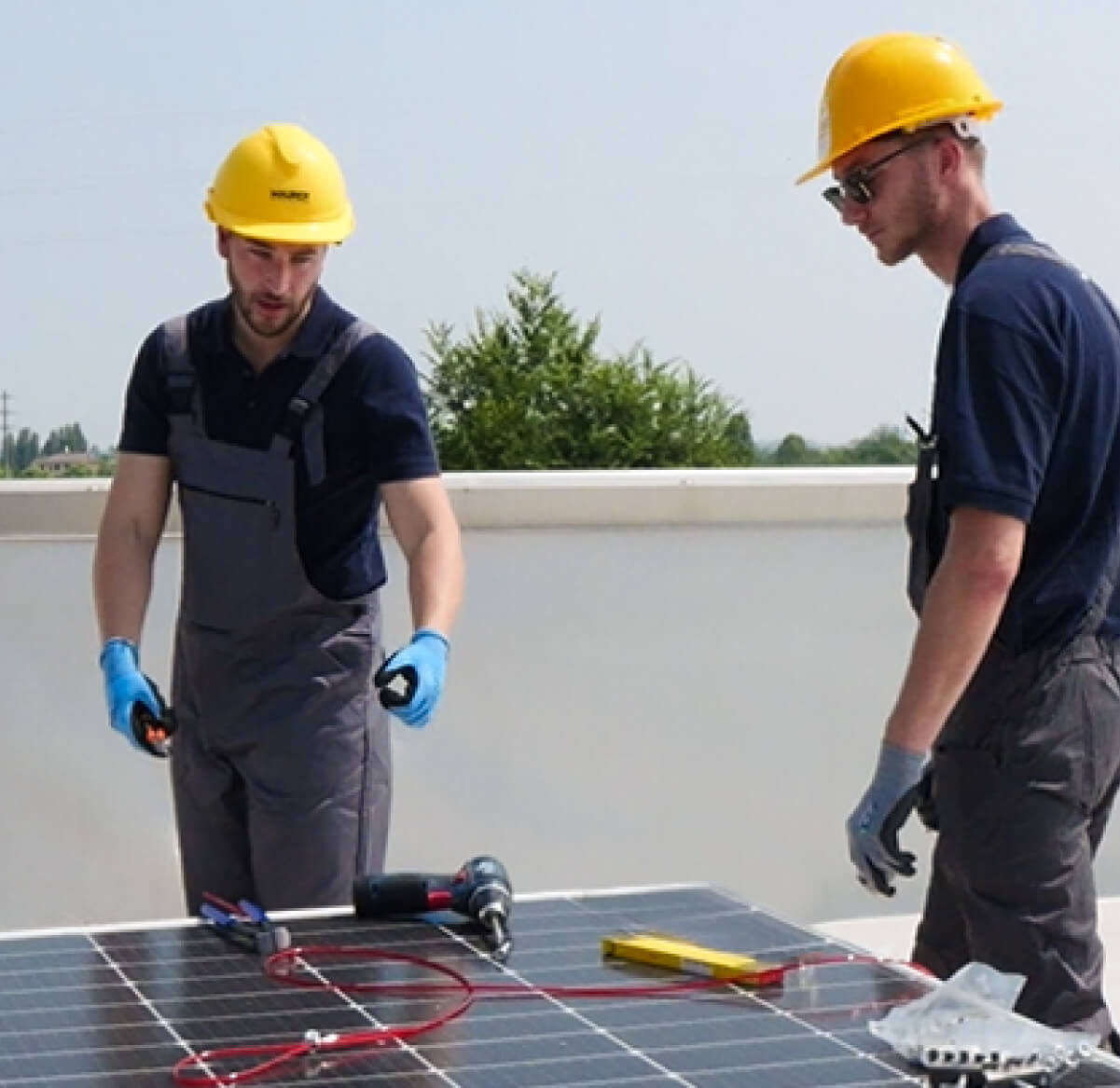
For professionals, a mounting system is not just hardware—it is a workflow. The best options
support clean cable management, tidy rows, and efficient maintenance access. In short, if you
want to compete on timelines without compromising quality, choose a flat-roof approach that is
engineered for speed, stability, and low roof impact.
Why ballasted mounting can outperform
traditional fixings
Traditional anchored structures may require penetrations, flashing
details, and longer installation steps—especially on sensitive roof membranes. A ballasted
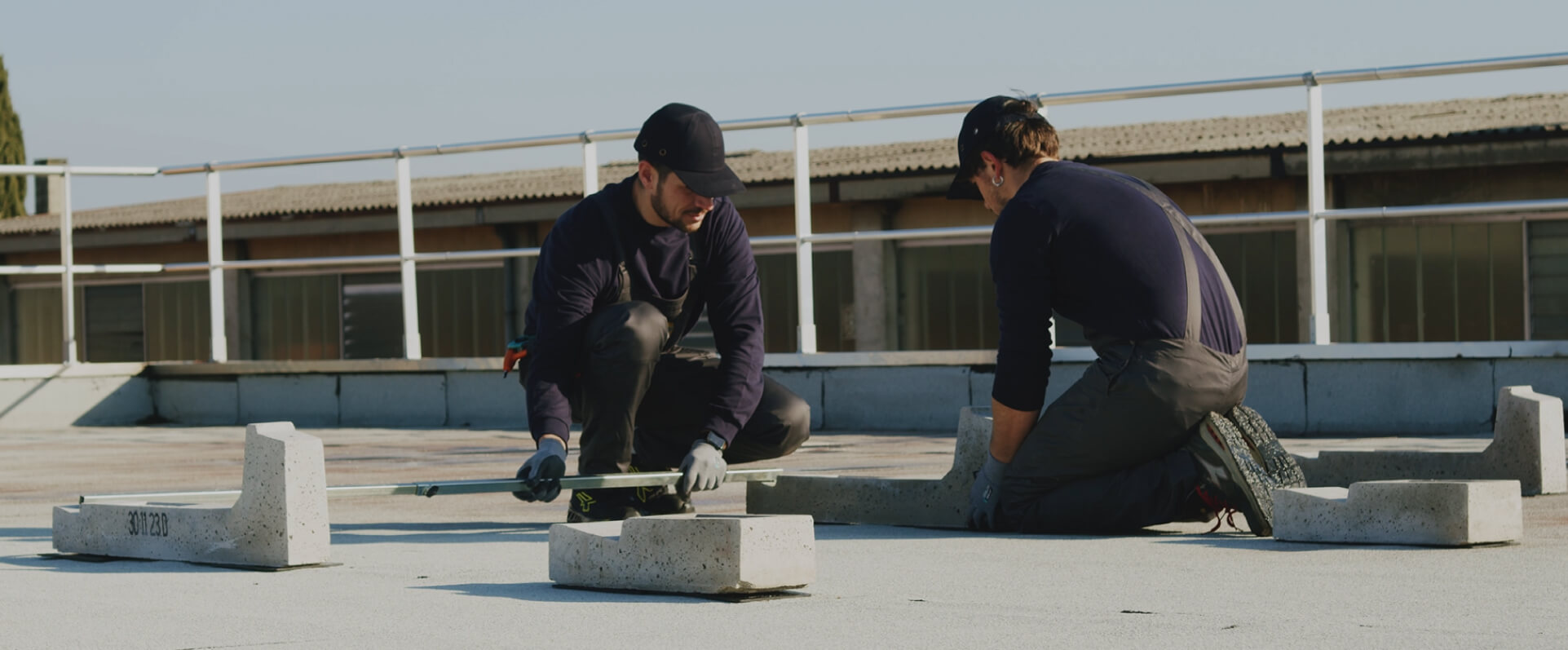
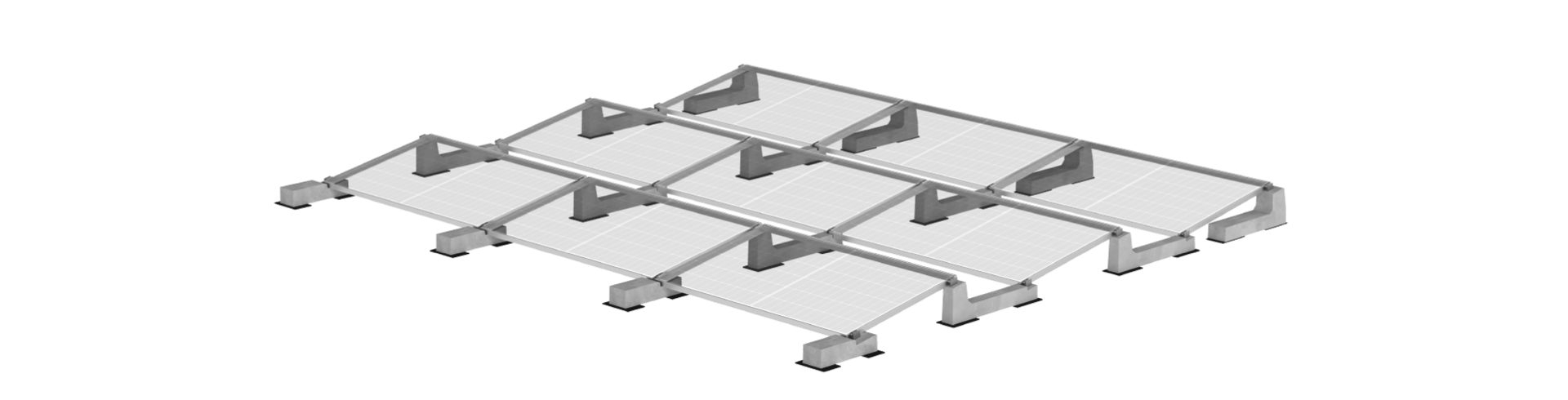
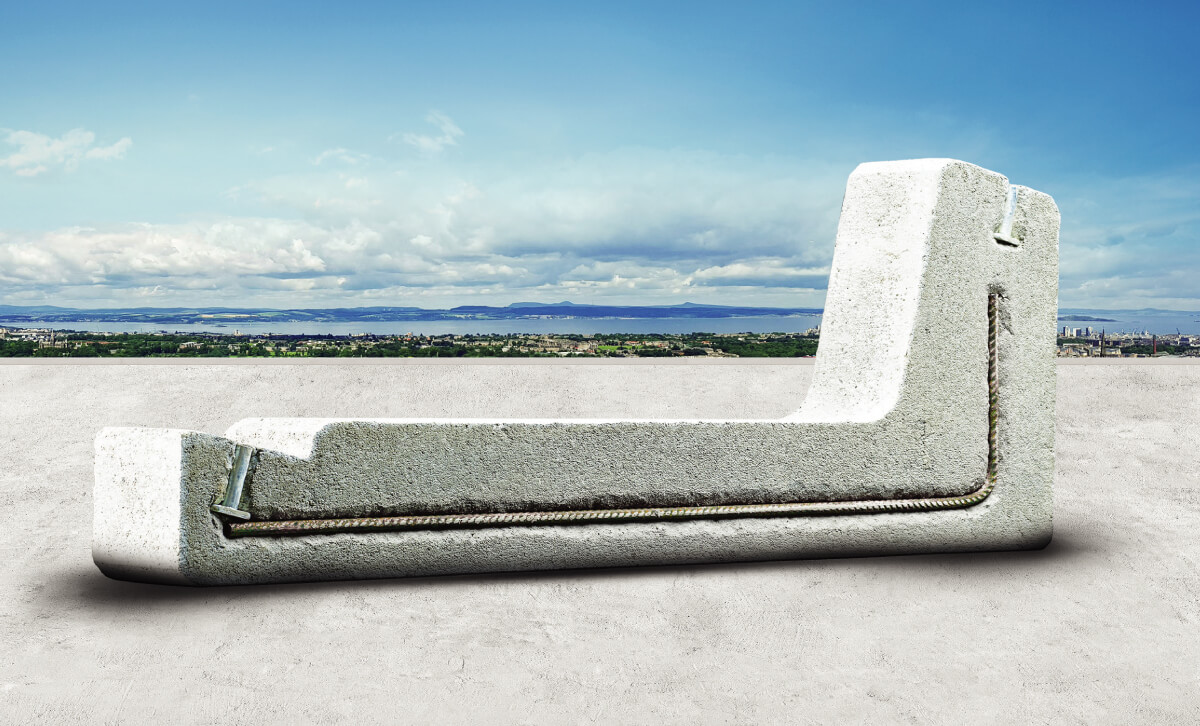
solution uses concrete weights designed to stabilise the array without piercing the roof
surface. This can dramatically reduce on-site complexity: no drilling, fewer tools, and less
coordination with roofing contractors.
For designers and engineers comparing pv mounting systems uk, ballasted options also simplify
risk management. With validated data and standard configurations, it becomes easier to handle
wind uplift, distributed loads, and layout planning. For installers, the benefit is immediate:
faster positioning, consistent alignment, and fewer components to count, carry, and assemble.
If your projects involve industrial buildings, warehouses, or commercial flat roofs, the
operational advantage is strong—shorter installation windows, less disruption, and a cleaner
handover. It is an approach built for efficiency, not improvisation.
A complete technical partner approach: from
sizing to execution
In real projects, the difference is often the support behind the
system. Many teams searching pv mounting systems uk need more than a catalogue—they need
technical guidance for preliminary design, correct system sizing, and quick answers during
execution. A partner-style approach helps reduce design responsibility stress, speeds up
approvals, and avoids costly changes on site.
Look for providers that can assist with layout optimisation, wind/load checks, and configuration
selection for flat roofs. This makes your offer stronger as an installer, and safer as a
designer. Distributors also benefit from solutions that are easy to explain, in steady demand,
and backed by dependable technical documentation.
The outcome you want is simple: a flat-roof PV installation that is fast to build, safe for the
roof, and durable over time. If your goal is to deliver more projects with fewer complications,
prioritise ballasted mounting engineered for reliability, simplicity, and continuous
innovation—exactly what modern flat-roof solar requires.