A smarter PV mounting system for Italian flat
roofs
In Italy, flat roofs are a huge opportunity for solar—yet they
often come with familiar headaches: waterproofing risks, complex structures, and long
installation times. A well-designed pv mounting system solves these issues by combining speed,
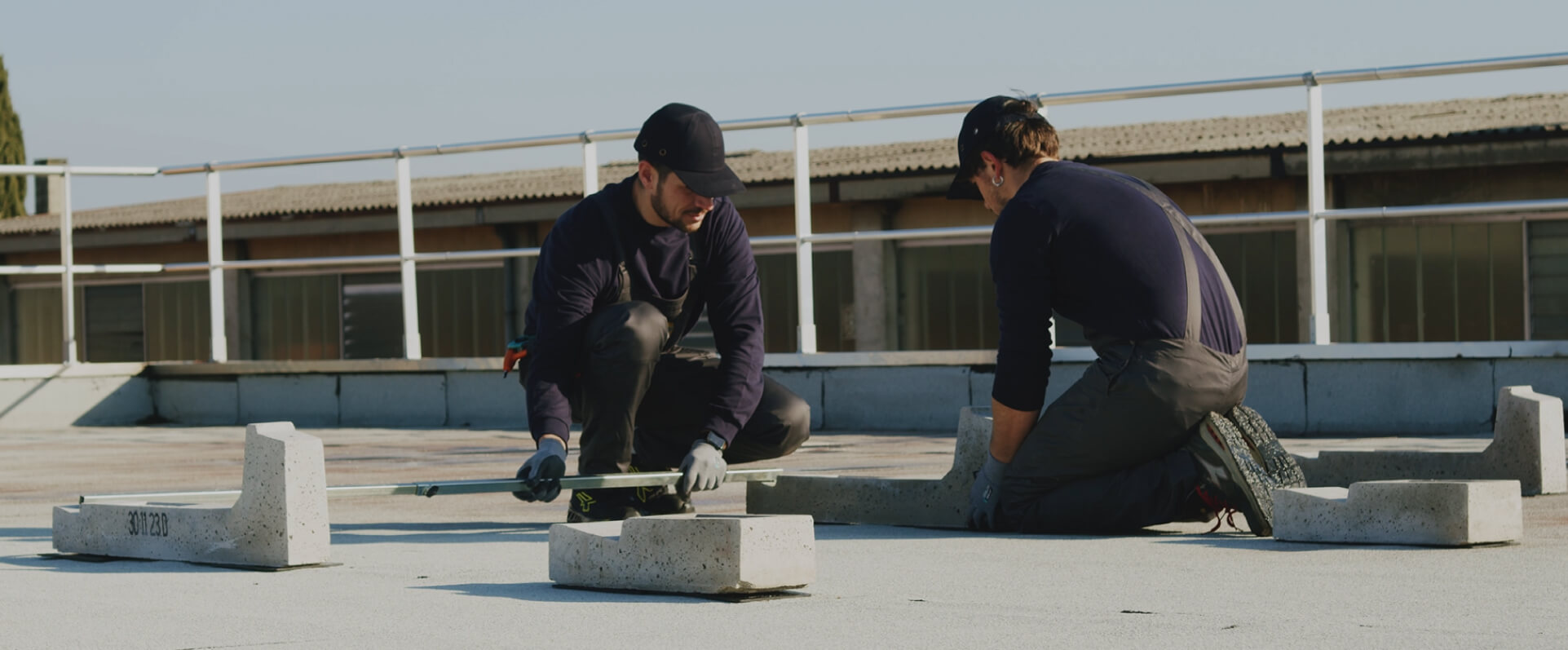
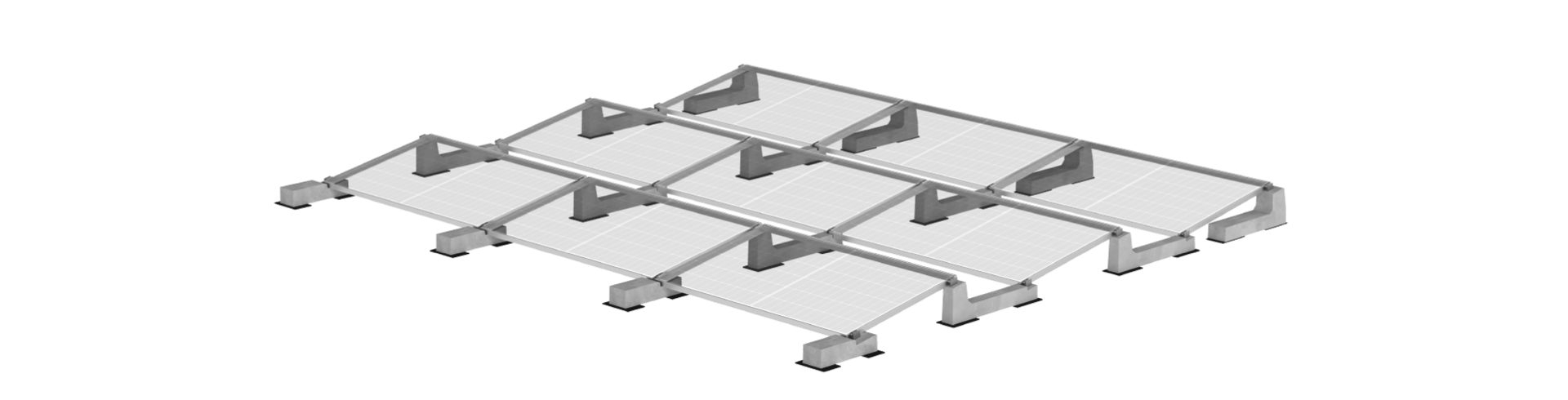
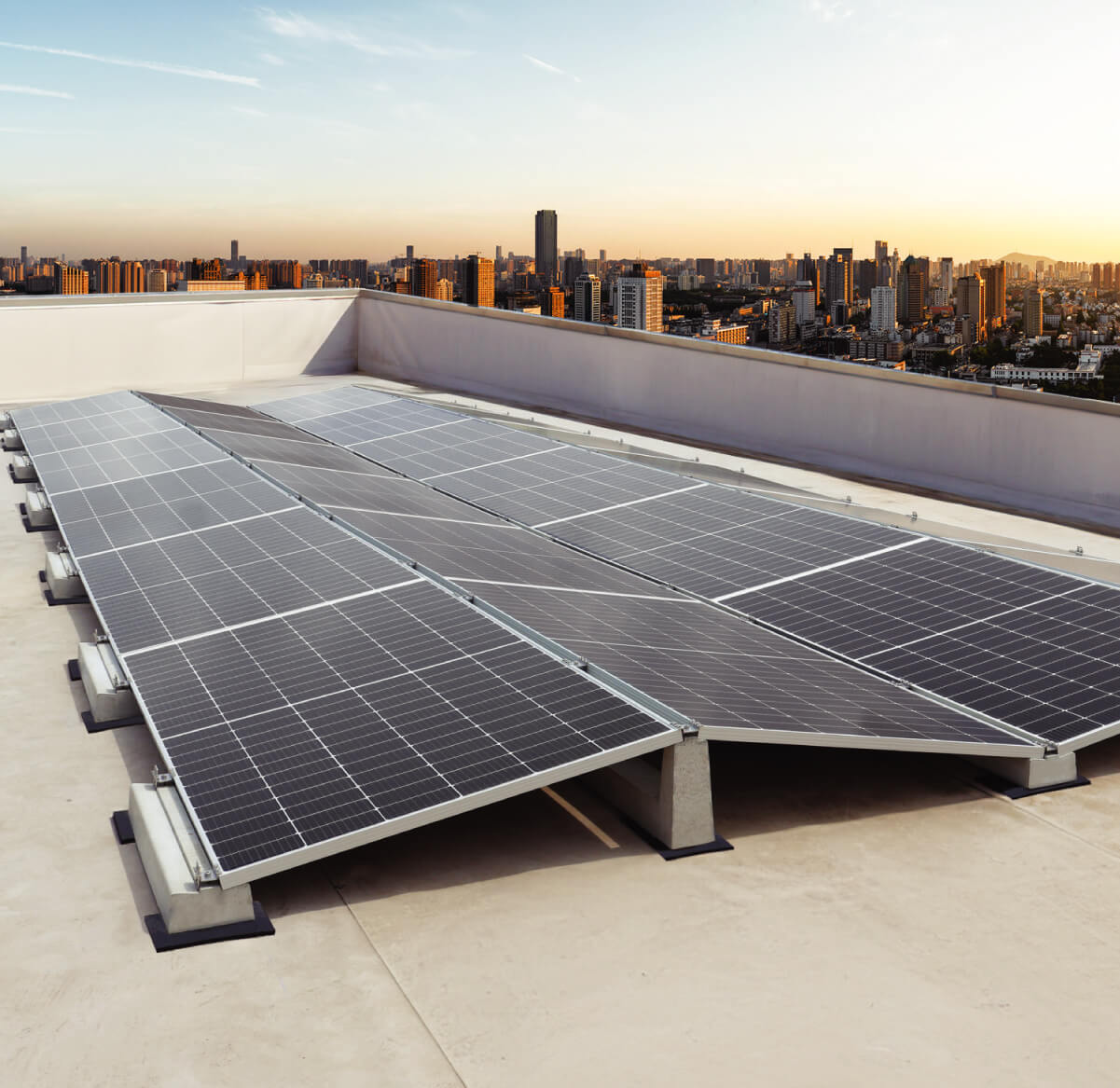
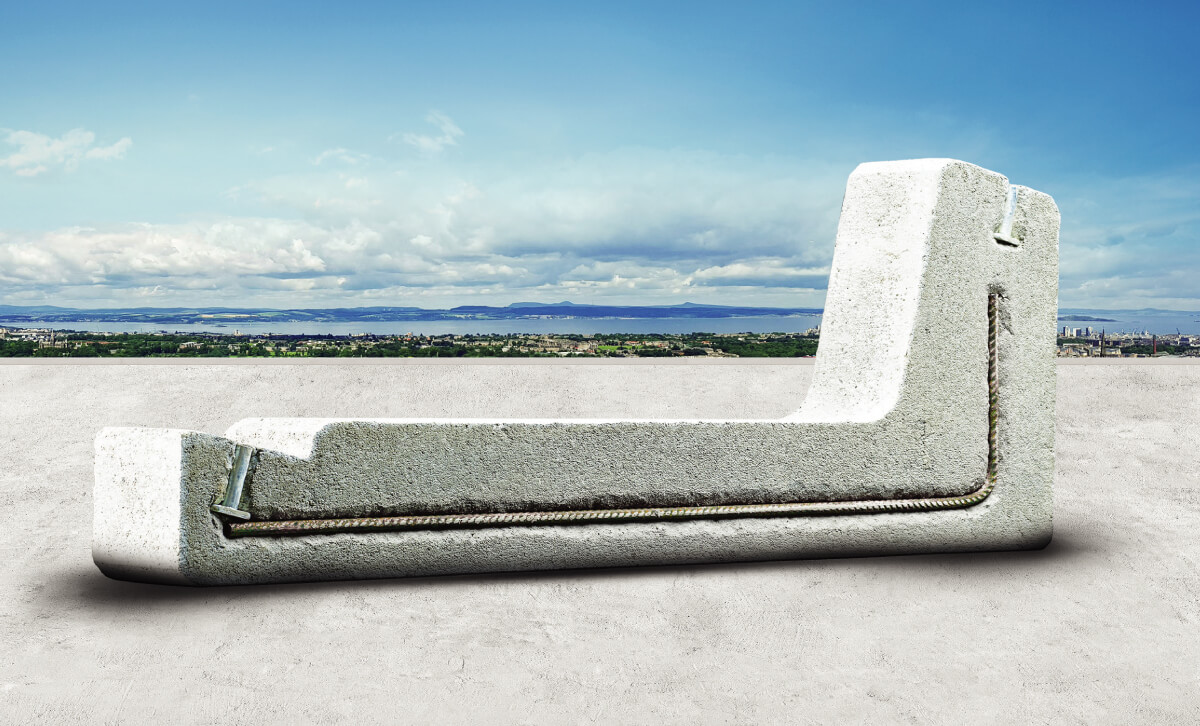
safety, and predictable performance. Ballasted solutions using concrete weights allow PV modules
to be installed without drilling the roof membrane, helping installers avoid leaks and reduce
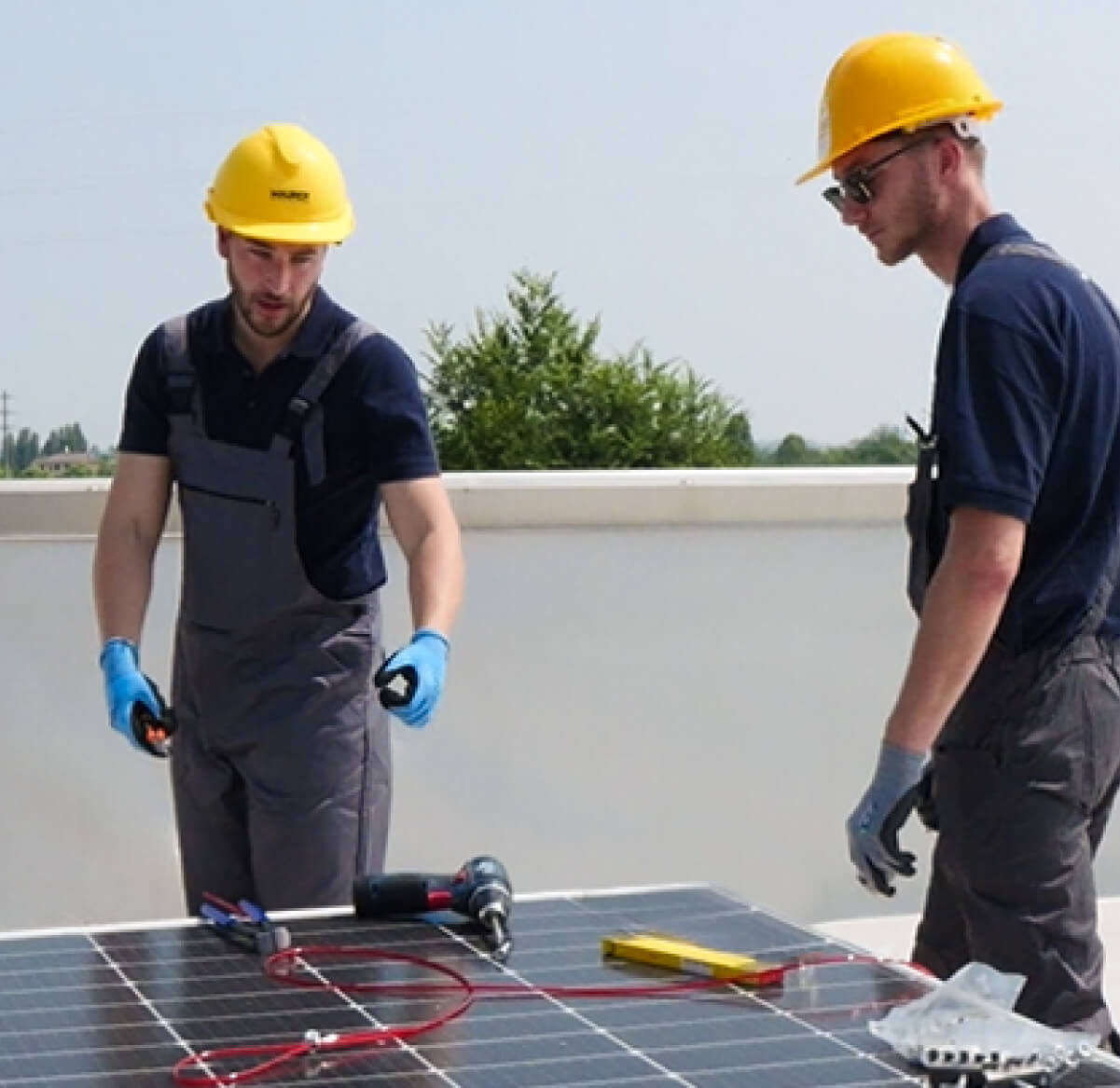
liability. Fewer components and a more intuitive layout also mean faster on-site work, cleaner
logistics, and fewer surprises during commissioning. For designers and engineers, the right pv
mounting system should provide clear, reliable data for sizing: wind loads, roof loads, tilt
options, and layout flexibility to match different module formats. For distributors, it needs to
be easy to specify, easy to stock, and backed by technical documentation that helps close sales.
The best systems feel less like “hardware” and more like a complete method: support during
design, quick answers when the site conditions change, and configurations that make flat-roof PV
straightforward even on tight schedules. If your goal is to install more systems per month with
fewer call-backs, choosing a flat-roof ballasted pv mounting system can be the most practical
step toward consistent, repeatable results across Italian job sites.
Why no-penetration mounting reduces risk and
saves time
Roof penetrations are one of the biggest sources of delays and
disputes on commercial projects. A no-drill pv mounting system based on concrete ballast helps
protect waterproofing layers while keeping installation simple. Instead of anchoring into the
roof, the system relies on calibrated weight distribution and tested configurations to resist
wind uplift. This approach can speed up installation because crews spend less time measuring,
drilling, sealing, and documenting penetrations. It also reduces the number of accessories on
the roof, which means fewer chances to lose parts, misplace clamps, or slow down on alignment.
From a technical perspective, a ballasted pv mounting system can support multiple tilts and
orientations to optimize energy yield while respecting roof load limits. With the right
engineering support, you can quickly verify roof constraints, select the appropriate layout, and
move to execution with confidence. The result is a workflow that feels more predictable: fewer
variables, faster assembly, and a lower risk of post-installation issues—exactly what
installers, engineers, and project managers want when deadlines are tight.
What professionals should look for in a PV
mounting system partner
A pv mounting system is only as strong as the support behind it.
Installers benefit most when the solution is engineered to be fast on site: minimal components,
straightforward positioning, and clear instructions that reduce training time for crews.
Designers and engineering studios should look for certified, field-proven configurations and a
technical team that can assist with sizing, wind calculations, and roof load checks, especially
on large flat-roof arrays. Distributors, meanwhile, need a product that is recognizable, in
demand, and easy to specify—supported by documentation that answers typical questions before
they become objections. When these elements come together, the pv mounting system becomes a true
project accelerator: quicker quoting, smoother procurement, safer execution, and reliable
long-term performance. If you operate in the Italian B2B solar market, prioritizing a ballasted,
flat-roof-focused pv mounting system with strong technical guidance can help you reduce
complexity, protect the roof, and deliver installations that customers trust—without adding
unnecessary steps to your workflow.