Why a PV mounting structure matters on Italian
flat roofs
On flat roofs, choosing the right pv mounting structure is not
just a hardware decision—it’s a workflow decision. Installers in Italy often face tight
schedules, unpredictable weather windows, and strict roof warranty requirements. A traditional
drilled system can slow everything down: marking points, waterproofing details, approvals, and
extra checks that can turn a simple job into a headache. A ballast-based approach changes the
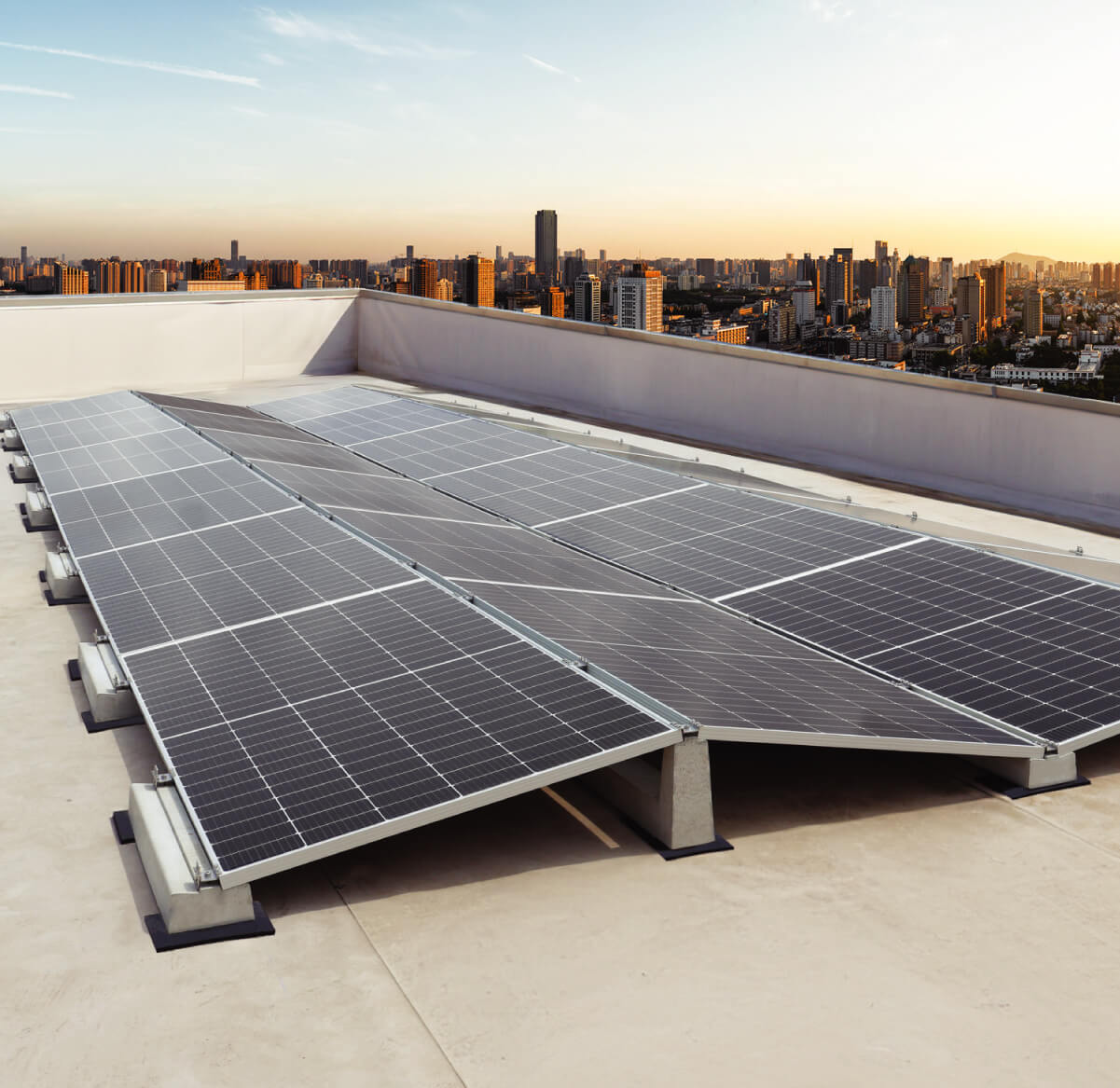
pace. By using concrete weights to secure PV modules without penetrating the membrane, you
reduce risk where it matters most: water ingress, callbacks, and structural doubts. The result
is a cleaner site, fewer steps, and a more predictable installation plan. For designers and
engineers, it also means clearer load distribution on the roof surface and easier coordination
with wind and dead-load calculations. When the pv mounting structure is engineered as a complete
solution—angles, spacing, stability, and component compatibility—it helps the whole project run
smoother, from layout to commissioning. If your goal is to install more systems per month while
keeping quality high, starting from the mounting structure is the most practical move.
Concrete ballast solutions: simpler
installation, fewer risks
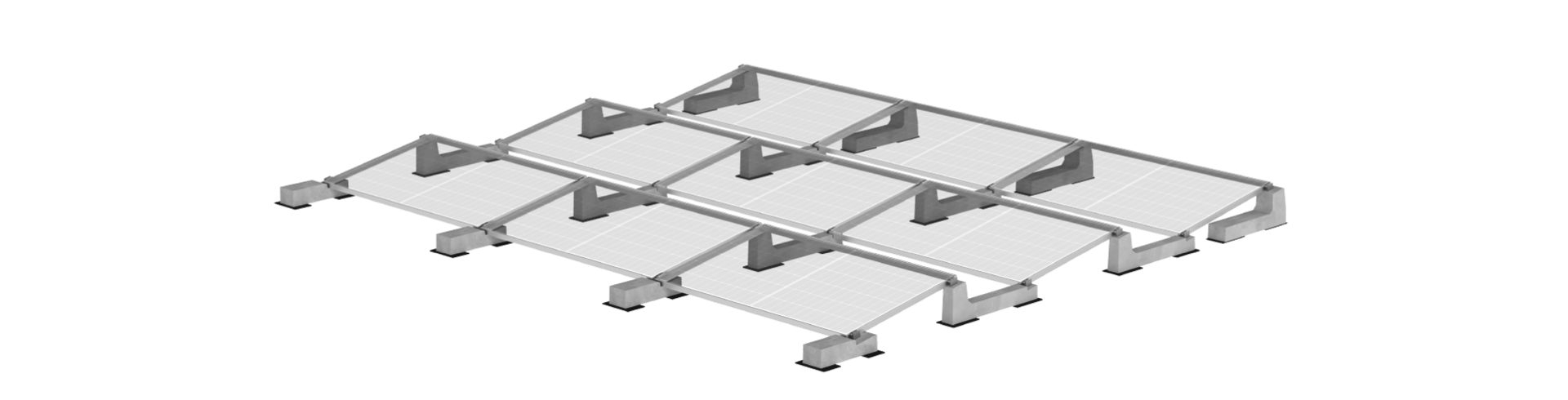
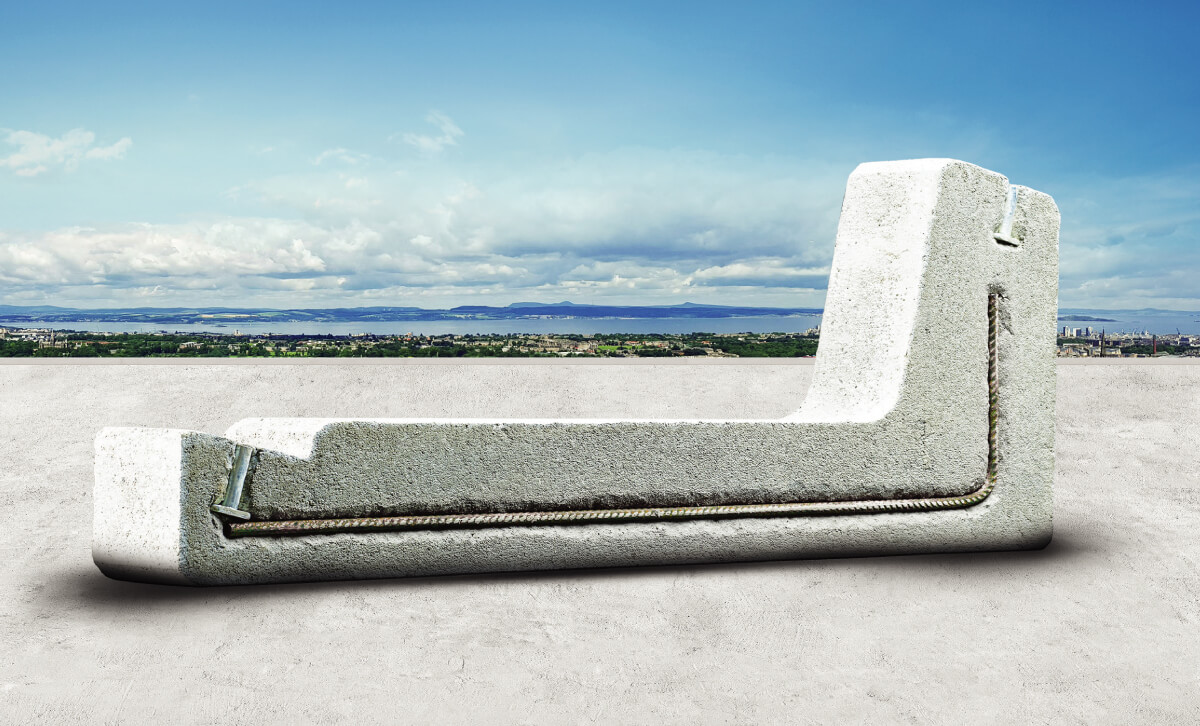
A modern pv mounting structure for flat roofs can be built around
prefabricated concrete ballast blocks that hold the panels firmly in place. For installers, the
benefit is immediate: fewer components to assemble, no roof drilling, and faster positioning of
rows. That translates into shorter time on site and fewer surprises. Because the system is
designed for speed and stability, teams can standardize their process across different
rooftops—commercial buildings, warehouses, and industrial sheds—without reinventing the method
each time. For technical professionals, the value is just as strong. A ballast pv mounting
structure can be supported by reliable performance data, tested configurations, and clear
guidelines for wind exposure, roof zones, and load constraints. This reduces the responsibility
burden and makes documentation easier to prepare. Distributors also gain an advantage: a
recognizable solution that’s straightforward to explain and in steady demand as Italy
accelerates rooftop solar adoption. In short, the right ballast-based pv mounting structure
helps everyone involved move faster, sell more confidently, and deliver safer projects with less
operational complexity.
Technical partnership: sizing, layout, and
project support
Even the best pv mounting structure performs at its highest level
when it comes with real project support. On flat roofs, every site has variables—parapets,
skylights, drainage paths, rooftop equipment, and differing wind conditions—that influence the
final design. That’s why many professionals look for more than a product: they need a technical
partner who can help with system sizing, array layout, and practical installation choices. With
dedicated support during the design phase, installers can avoid overcomplicated solutions and
stick to proven configurations that are quick to build. Engineers and design studios benefit
from dependable inputs for calculations and from solutions that have already been validated in
the field. Commercial teams gain a smoother path from proposal to execution, because the pv
mounting structure is presented as a complete, coherent package rather than a list of parts. If
you work in the Italian PV market and want to reduce installation time, lower roof-related
risks, and deliver consistent results, choose a pv mounting structure built specifically for
flat roofs—one that combines reliability, simplicity, and continuous innovation without adding
extra steps to your day.