Why PV Module Structure Matters on Flat Roofs
Choosing the right pv module structure is one of the most
important decisions for any flat-roof solar project in Italy. Installers and designers know the
challenge: you need a mounting system that is quick to assemble, stable under wind loads, and
compatible with different membrane roofs—without turning the job into a slow, high-risk
construction site. A well-designed PV racking solution does more than hold panels in place: it
protects the roof, simplifies logistics, and helps you deliver consistent quality across
multiple installations. That’s why ballast-based solutions are increasingly preferred on flat
rooftops. By relying on engineered concrete weights instead of roof penetrations, you can reduce
waterproofing concerns, avoid complicated anchoring details, and keep the workflow clean and
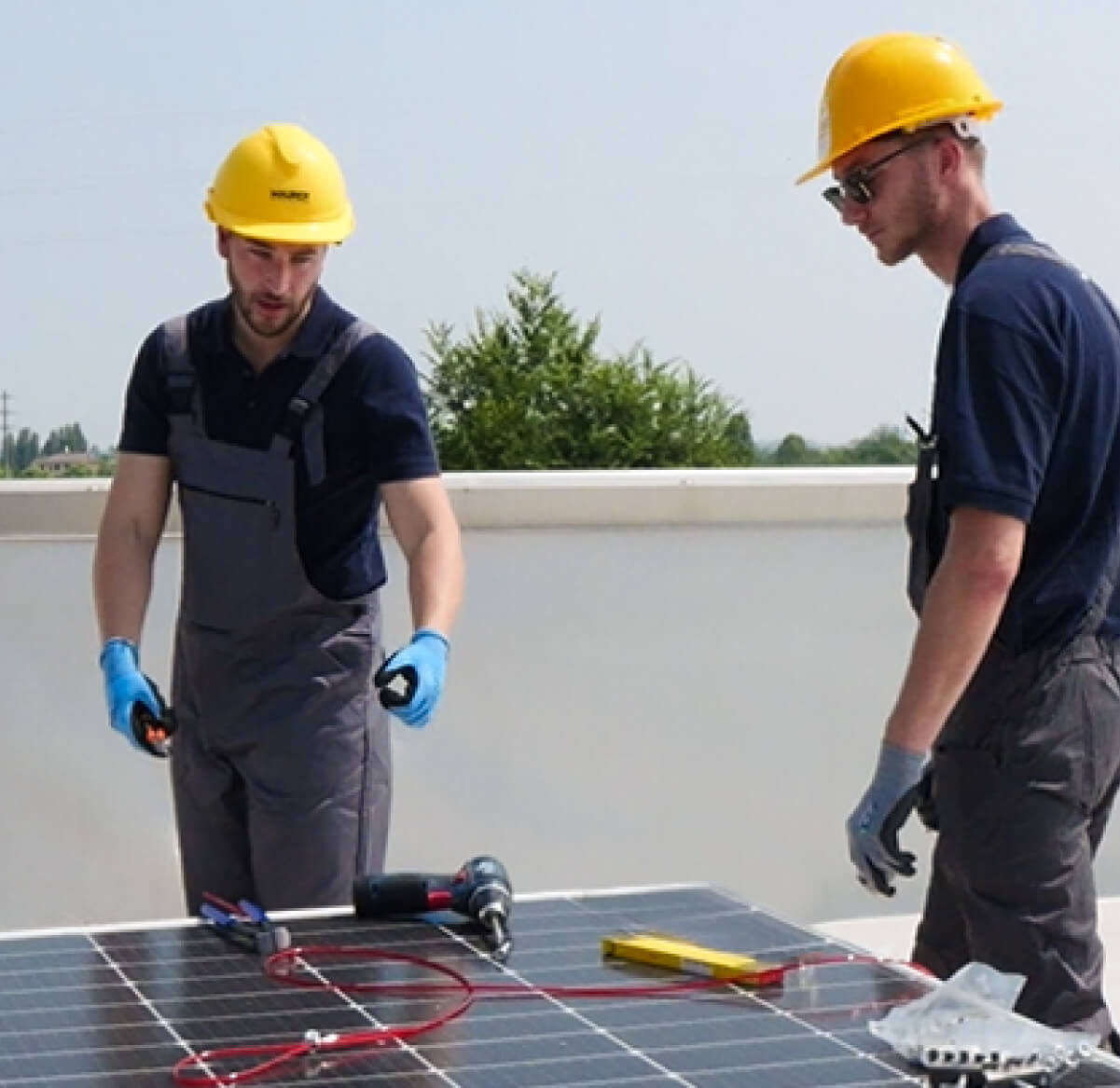
predictable. For installers, fewer components and intuitive assembly translate into shorter
installation time and fewer on-site surprises. For engineers and technical offices, having
validated data for loads, tilt angles, and structural checks makes design safer and faster. The
end result is a pv module structure that supports performance, improves safety, and lowers
operational complexity—exactly what B2B professionals need when deadlines are tight and
responsibilities are high.
Ballasted Mounting: Faster Installations,
Fewer Risks
On flat roofs, the biggest pain points often come from fixings:
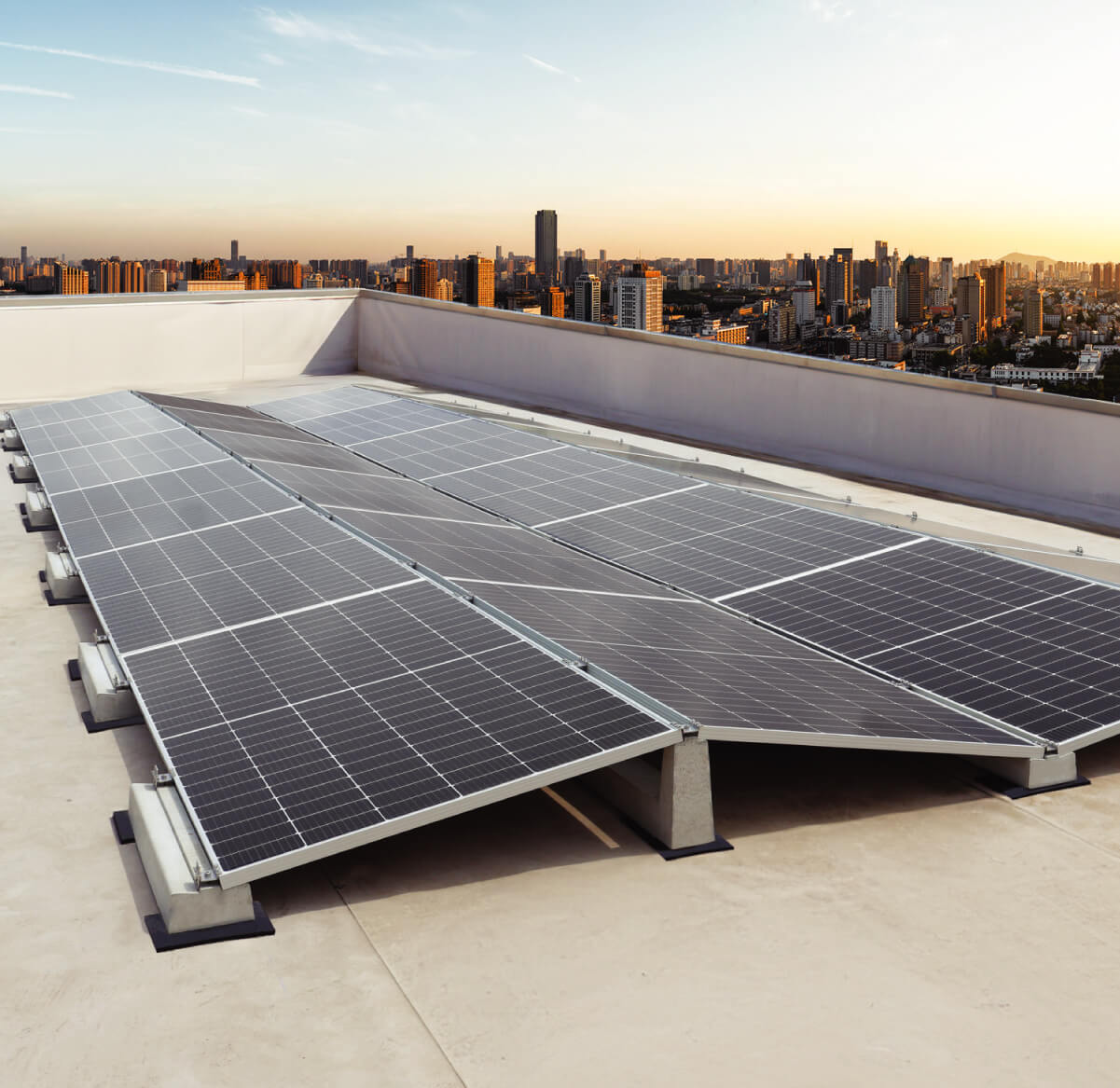
drilling, sealing, and managing the long-term risk of leaks. A ballasted pv module structure
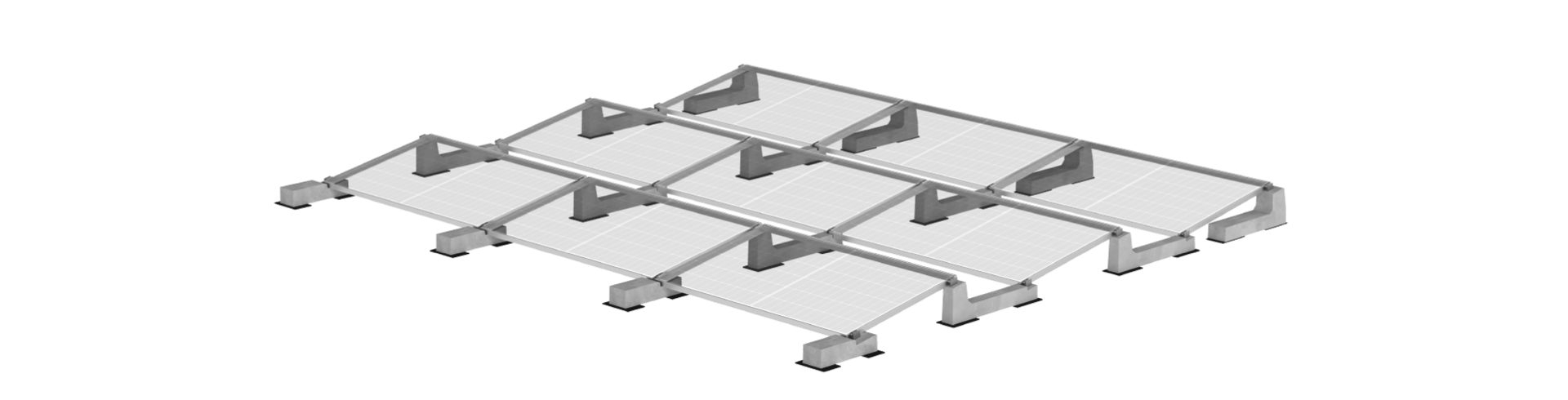
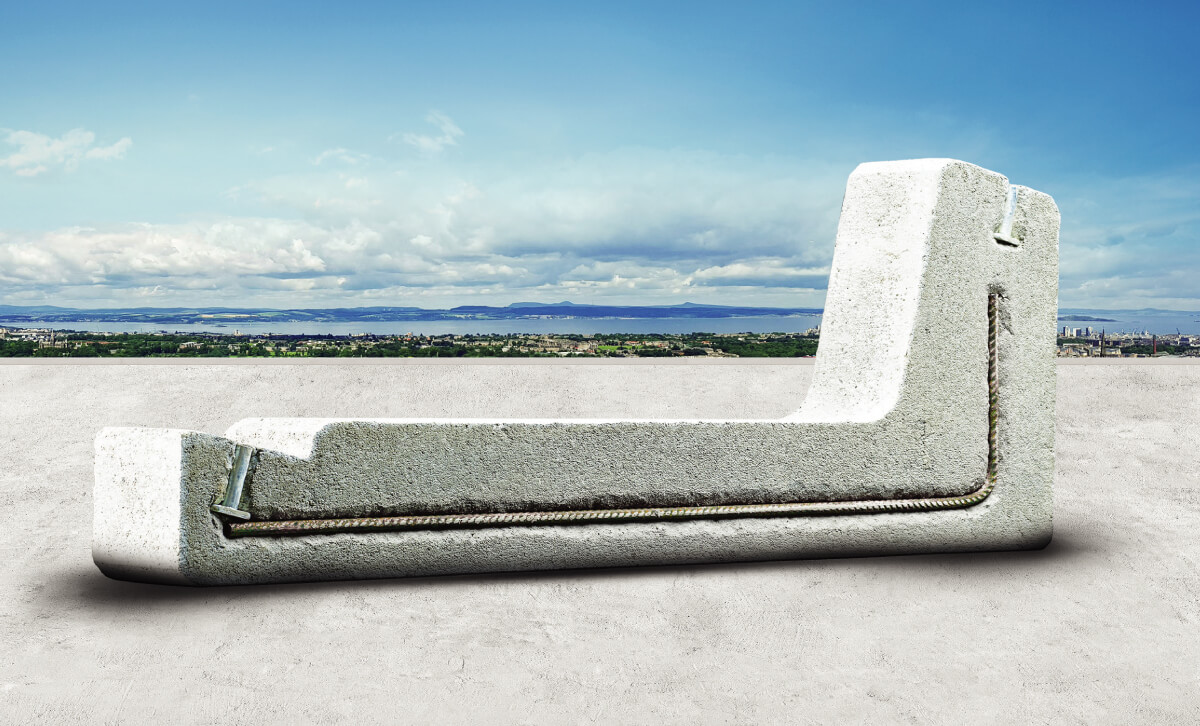
changes the approach. Concrete ballast blocks create stability through weight and smart
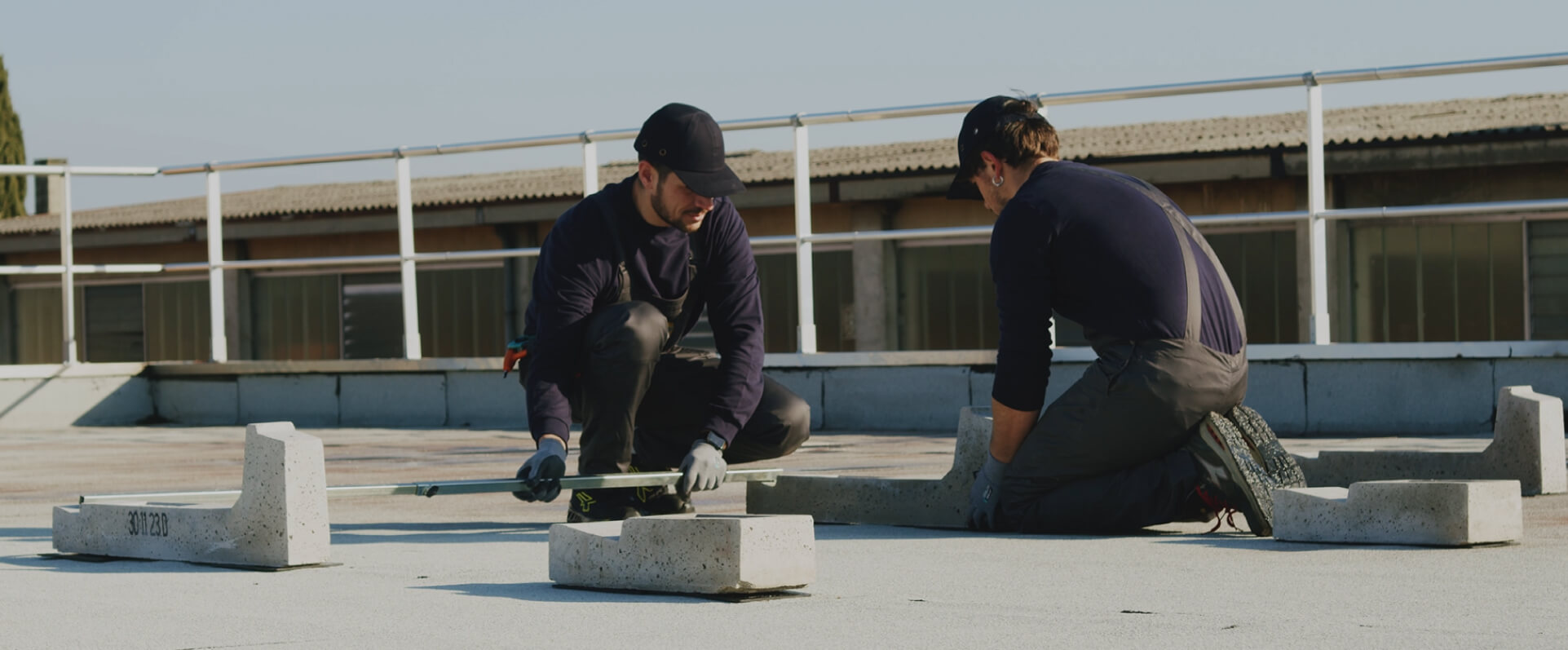
geometry, allowing photovoltaic mounting without piercing the roof covering. This means faster
setup, less specialized labor, and fewer steps that can cause delays. It also helps standardize
your installations: the same core logic works across many roof types and project sizes, from
small commercial arrays to large industrial rooftops. From an operational standpoint, simplified
bill of materials is a major advantage—less hardware, fewer tools, and quicker training for
crews. From a technical standpoint, a proper flat-roof PV structure must address wind uplift,
load distribution, drainage paths, and safe maintenance access. When these factors are built
into the system, you get a dependable solar panel support structure that is easier to quote,
easier to design, and easier to install. For distributors, that translates into a product that
is straightforward to explain, in steady demand, and backed by technical documentation.
A Complete Technical Partner for Your PV
Module Structure
In the Italian B2B solar market, professionals don’t just look for
components—they look for certainty. The best pv module structure comes with reliable
engineering, clear installation guidance, and responsive support from design to execution. This
is especially critical when you’re dealing with wind zones, roof load limits, and project
deadlines. With a flat-roof, ballasted photovoltaic structure, you can streamline the entire
process: preliminary layout, system sizing, selection of tilt and orientation, and on-site
assembly planning. Instead of starting from scratch for every job, you can rely on tested
solutions designed for durability and long-term performance. That reduces design risk for
engineers and saves time for installers who need a system that “just works” in the field. When
technical assistance is available during planning—along with commercial support and project
development—you gain a smoother path from proposal to commissioning. If your goal is to make
flat-roof PV easier, safer, and more efficient, choosing a robust, no-penetration pv module
structure with strong technical backing is one of the smartest moves you can make.