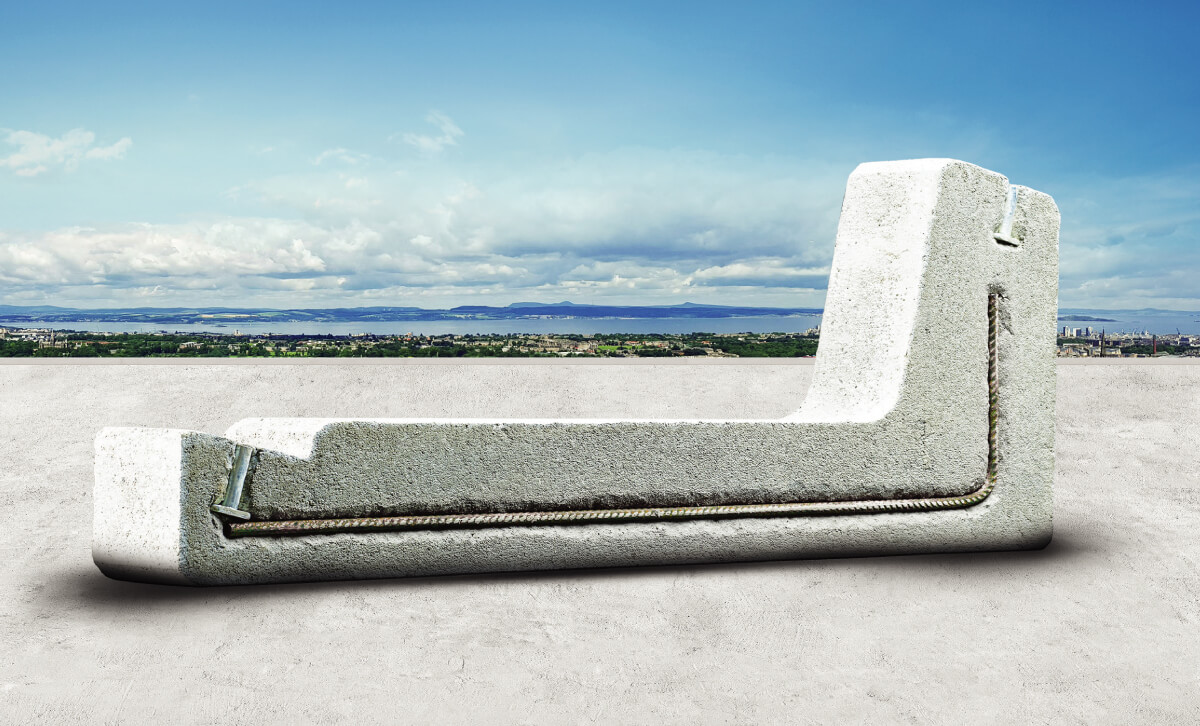
Why Photovoltaic Support Matters on Flat Roofs
Choosing the right photovoltaic support is one of the most
decisive steps when designing or installing PV systems on flat roofs in Italy. A well-engineered
mounting solution doesn’t just hold modules in place—it reduces installation time, limits
on-site surprises, and protects the roof membrane. For many installers and designers, the
biggest headache is roof penetrations: drilling can increase the risk of water infiltration, add
extra waterproofing steps, and slow the crew down. That’s why ballast-based photovoltaic support
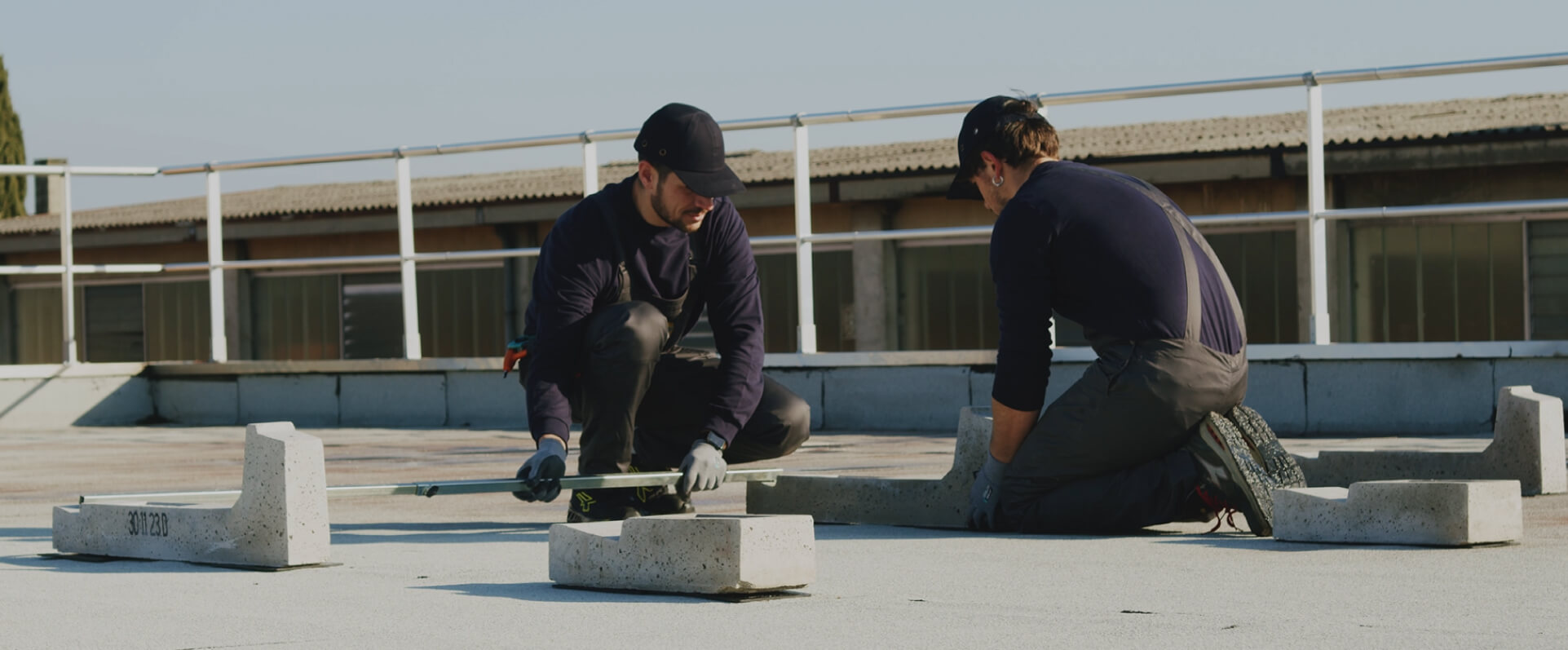
solutions are increasingly preferred for commercial and industrial rooftops. Using concrete
ballasts, the system can secure solar panels without perforating the covering, helping you keep
the roof intact while maintaining stability. For engineers and technical offices, another key
advantage is predictability: reliable load distribution, wind considerations, and verified
product performance simplify calculations and reduce project risk. For distributors, a
recognizable, easy-to-explain PV mounting structure with stable demand is far easier to move. In
short, the right photovoltaic support turns a complex rooftop job into a repeatable
process—fewer components, fewer installation steps, and a cleaner, faster workflow from design
to commissioning.
Ballasted PV Mounting: Faster Installs, Fewer
Risks
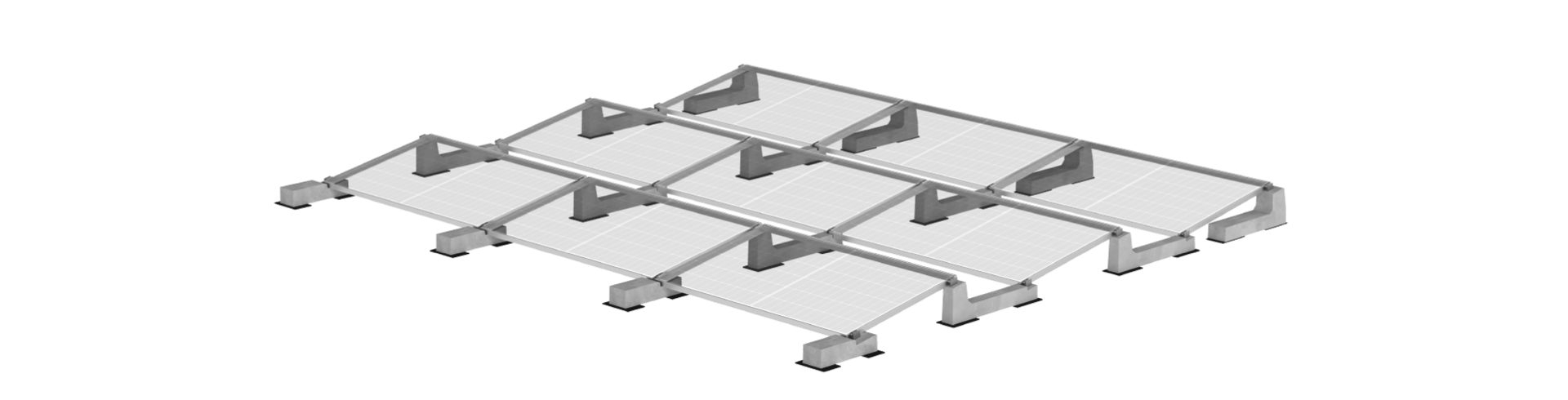
A ballasted photovoltaic support system built around concrete
weights is designed to make field work simpler. Instead of anchors and penetrations, the
mounting relies on mass, geometry, and smart layout to resist uplift and keep the array stable.
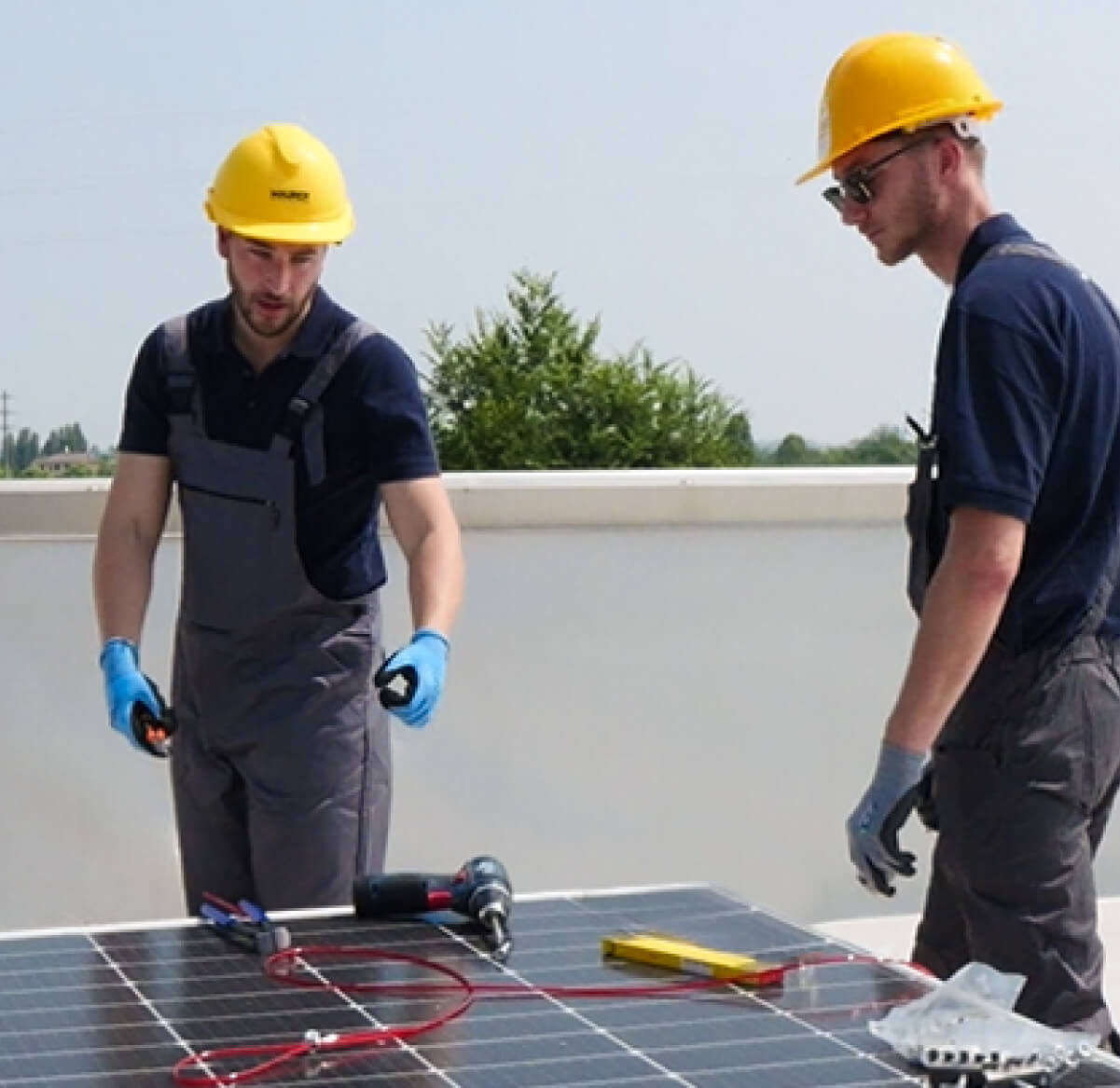
For installers, this often translates into quicker positioning, less hardware to manage, and
fewer variables that can cause delays. When you don’t have to drill the roof, you also reduce
coordination issues with waterproofing teams and minimize the chance of costly callbacks. From a
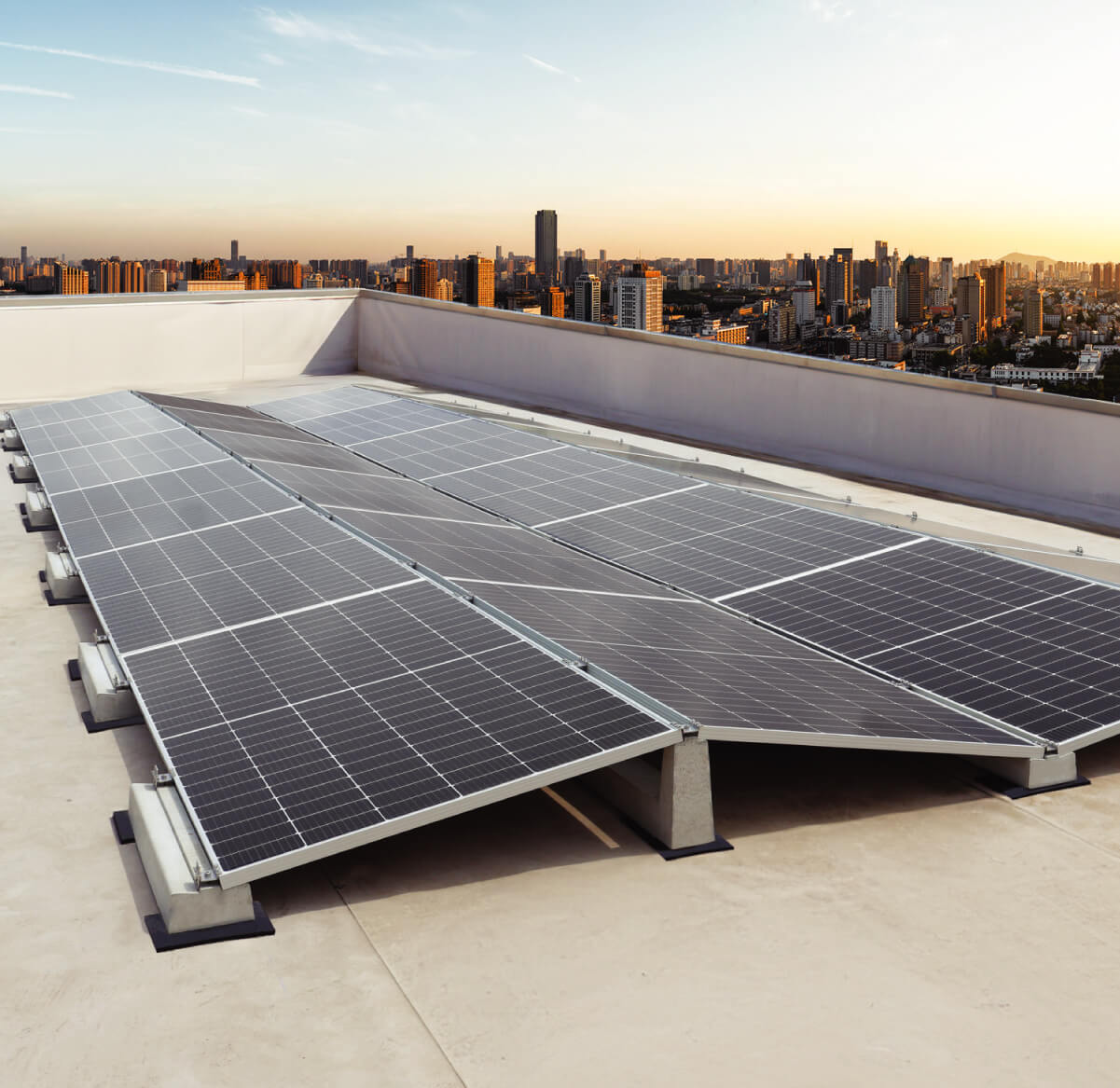
project perspective, a flat-roof PV mounting structure should help you optimize tilt angle, row
spacing, and panel orientation to balance energy yield and roof constraints. Technical support
during the design stage is a major plus: accurate sizing, assistance with layout, and guidance
up to execution can make the difference between a “works on paper” plan and a smooth
installation. If you’re selecting a photovoltaic support for repeated installations, look for
solutions that are tested, durable, and intuitive—so crews can standardize their process and
deliver consistent results job after job.
What to Look for in a Professional
Photovoltaic Support Partner
In the Italian B2B market, professionals need more than a product
brochure—they need a photovoltaic support solution that comes with trustworthy data, practical
know-how, and responsive assistance. Installers want a system that is solid and quick to
assemble, with minimal components and a clear on-site sequence. Designers and engineers need
certified performance, dependable technical documentation, and support for wind and load
considerations to reduce responsibility and uncertainty. Distributors benefit from a
photovoltaic mounting option that’s easy to stock, easy to explain, and backed by a reliable
technical team that helps customers succeed. A strong partner approach means supporting the
project from early design through execution: layout guidance, system sizing, commercial
assistance, and real-world installation logic. For flat roofs in particular, concrete
ballast-based photovoltaic support can be a strategic choice—helping protect roof integrity,
streamline installation, and improve overall efficiency. If your goal is to install more systems
with fewer complications, prioritize solutions built on reliability, simplicity, and continuous
innovation—so every rooftop job becomes faster, safer, and more predictable.