Why a Prefabricated Solar Structure Makes
Flat-Roof PV Easier
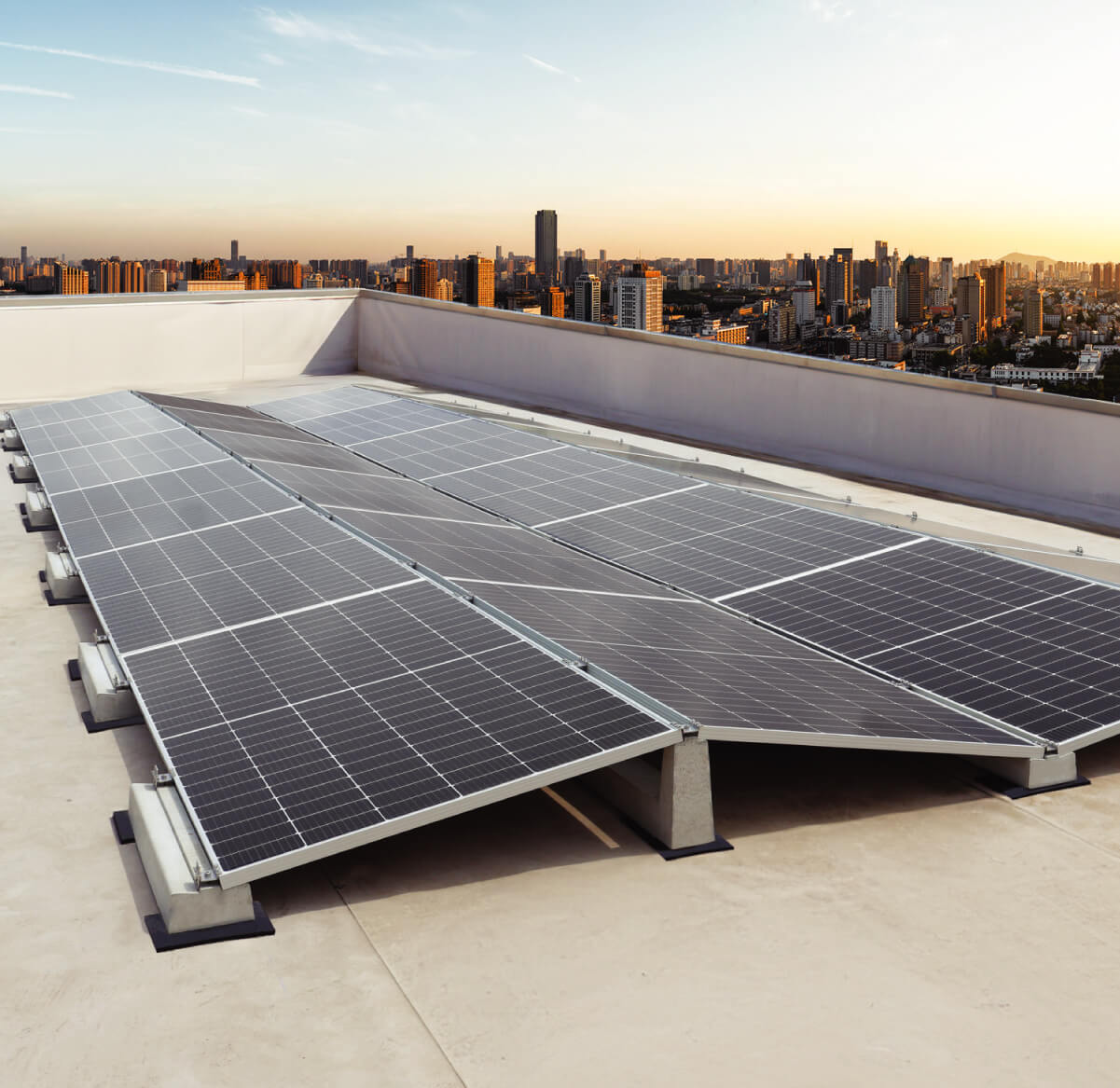
On Italian flat roofs, speed and reliability matter more than
ever. A prefabricated solar structure helps installers and designers simplify photovoltaic
mounting by reducing on-site fabrication and eliminating many common pain points. Instead of
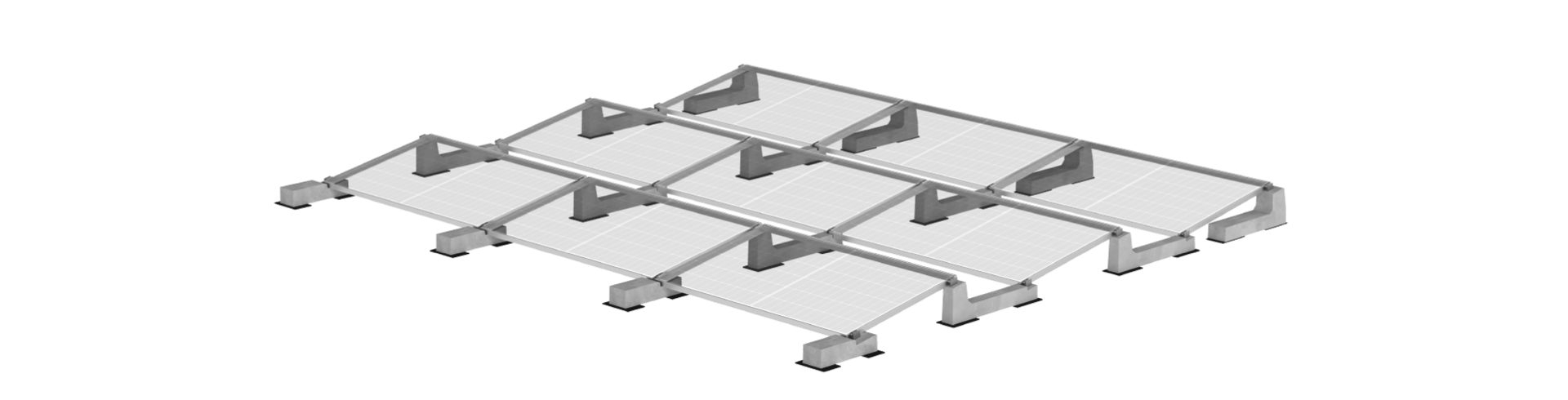
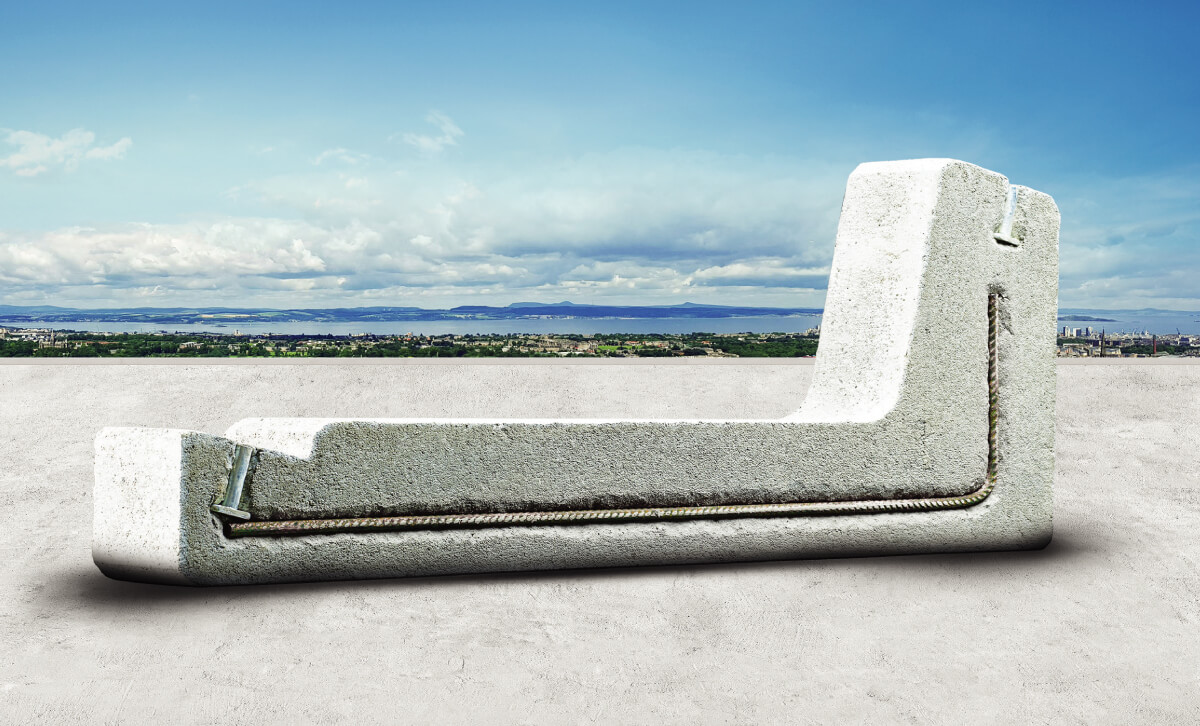
building complex frames and drilling through the waterproofing layer, modern ballasted solutions
use pre-engineered concrete supports to hold modules in place with the right tilt and spacing.
That means fewer parts to handle, fewer tools on the roof, and less risk of leaks caused by
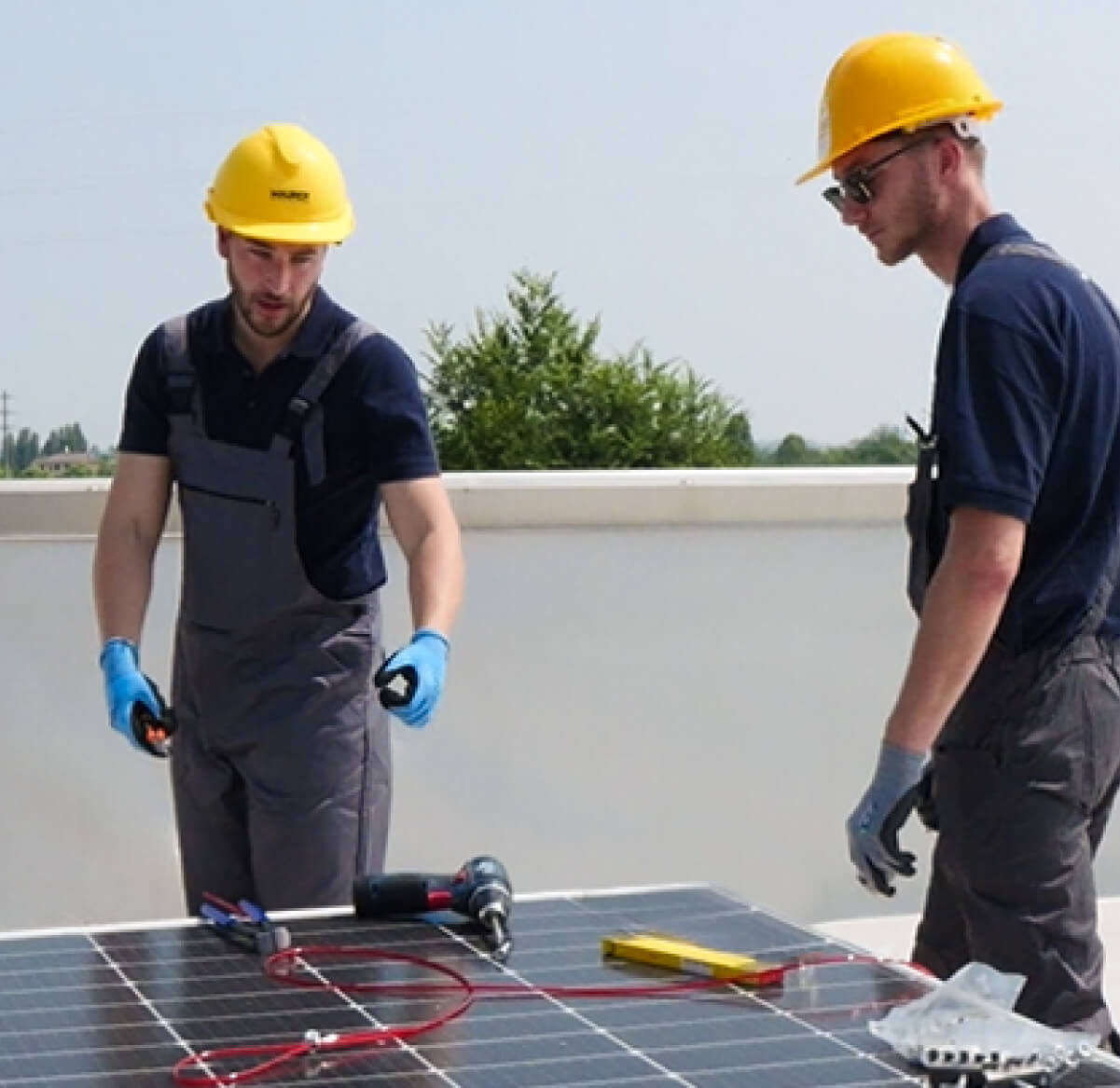
penetrations. For installers, the workflow becomes more predictable: unload, position, align,
and connect—without waiting for custom metalwork or dealing with fragile membranes. For
engineering teams, the advantage is equally clear: repeatable geometry, consistent load paths,
and a structure designed specifically for flat-roof photovoltaic arrays. When deadlines are
tight and site conditions are never perfect, choosing a prefabricated approach can be the
difference between a stressful project and a smooth handover. It’s a practical way to deliver
clean energy faster while keeping safety, roof integrity, and long-term performance at the
center of the design.
No Roof Penetration: Lower Risk, Faster
Installation
The biggest concern on flat roofs is often the same: “Do we really
want to pierce the waterproofing?” With a prefabricated solar structure based on concrete
ballast, the answer is usually no. Ballasted PV mounting is designed to avoid roof drilling,
helping reduce water ingress risks and limiting the need for invasive sealing operations. This
is especially valuable on industrial sheds and commercial buildings across Italy where roof
warranties and maintenance schedules are strict. Installers benefit from a cleaner, quicker
build: fewer anchoring steps, fewer coordination issues, and less dependence on specialized
roofing contractors. Designers gain a clearer path to compliance thanks to tested configurations
and technical support for wind loads, roof loads, and layout optimization. In practice, that
translates into fewer surprises on site, simpler logistics, and an installation method that
suits both new rooftops and retrofit projects. When the goal is to install more systems per
month without compromising quality, a no-penetration strategy can help teams deliver consistent
results and protect the asset beneath the panels.
A Complete Technical Solution for Installers
and Designers
A prefabricated solar structure is not just a product—it’s a
method that supports the whole project lifecycle. For PV installers, the value lies in ease of
assembly, intuitive positioning, and reduced component counts, which can cut installation time
and limit errors during commissioning. For engineers and technical offices, it’s about
dependable data: standardized elements, repeatable angles, and support during design so the
system can be correctly sized for site-specific conditions. In the Italian B2B market,
distributors also benefit from solutions that are easy to explain and consistently in demand:
flat-roof solar is growing, and teams want mounting systems that are robust, proven, and fast to
deploy. If you’re planning a photovoltaic array on a flat roof, consider specifying a
prefabricated solar structure with concrete ballast—engineered for stability, designed for rapid
installation, and aligned with the real needs of professionals. The result is a cleaner project:
fewer complications on the roof, smoother coordination across roles, and a reliable foundation
for long-term energy production.