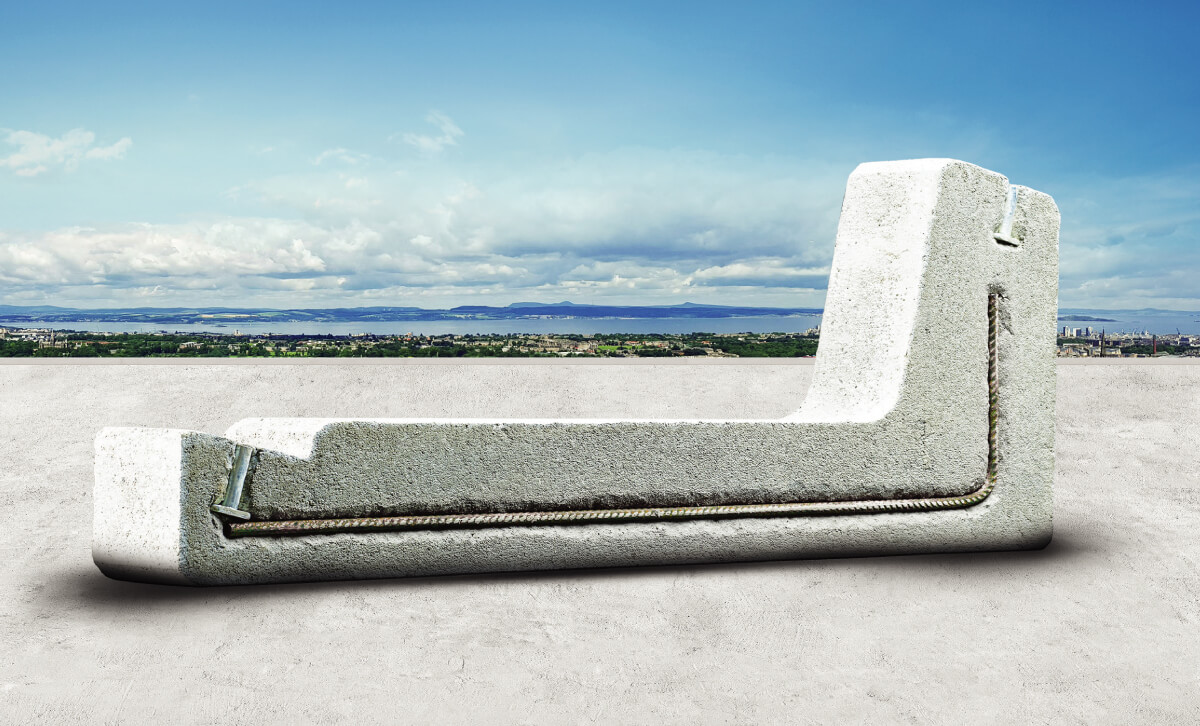
Photovoltaic Mounting on Flat Roofs: Faster
Installs, Fewer Risks
For installers and designers working on flat roofs in Italy,
choosing the right photovoltaic mounting system is often the difference between a smooth job and
days of avoidable delays. Traditional penetrative structures can introduce waterproofing risks,
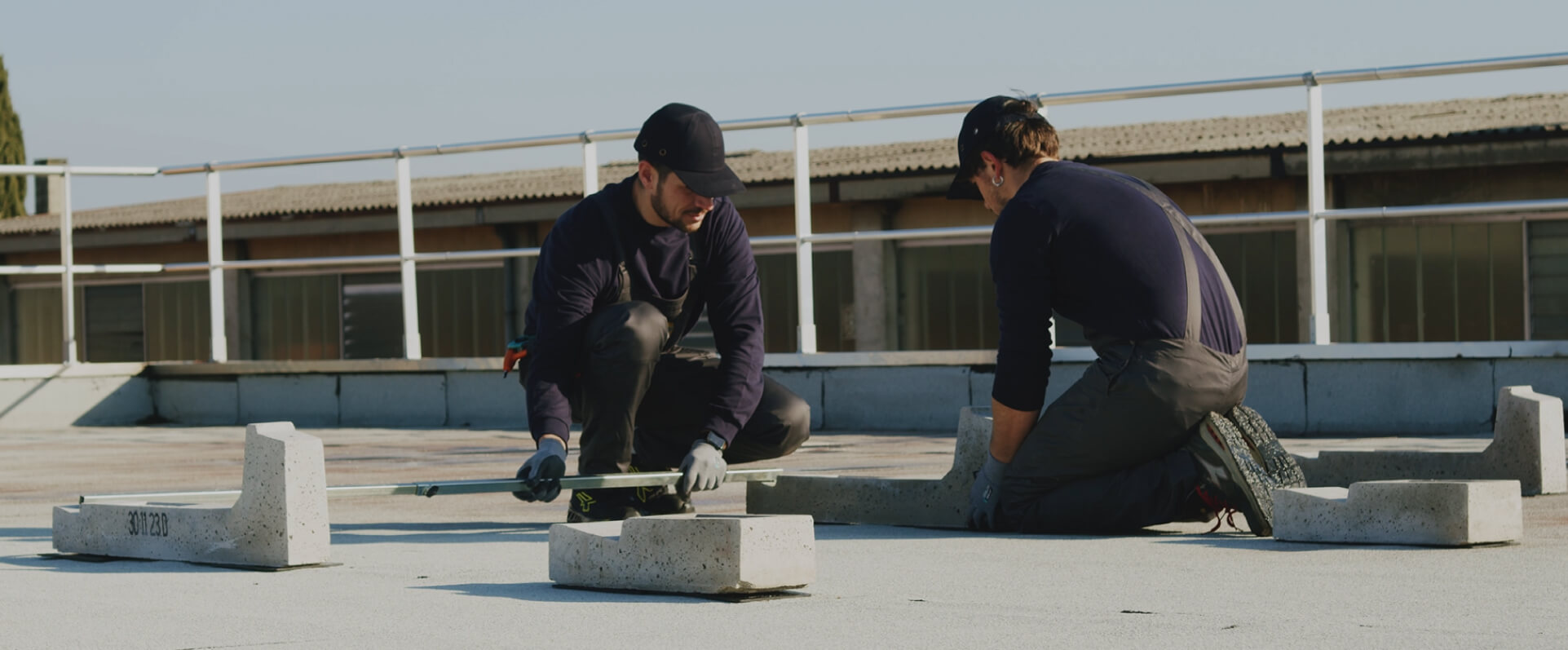
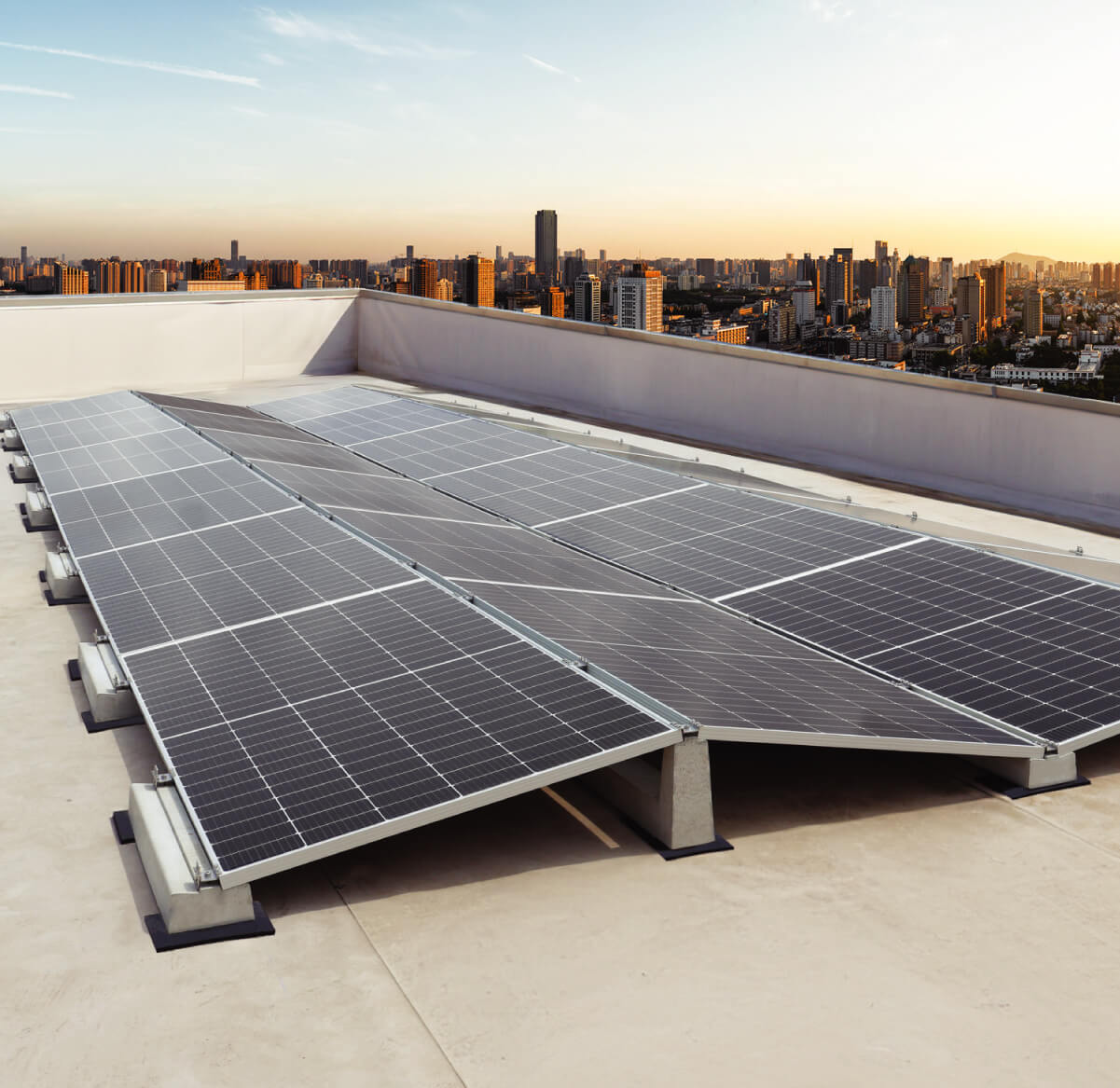
extra components, and long on-site operations. A modern alternative is ballasted photovoltaic
mounting, where concrete weights secure the modules without drilling the roof membrane. The
result is a cleaner workflow: fewer steps, fewer parts to handle, and faster positioning of PV
panels. This approach is especially valuable on industrial buildings and commercial roofs, where
downtime and access constraints matter. A well-engineered ballasted system also helps keep the
layout orderly, supports consistent tilt angles, and improves overall site safety by reducing
invasive works. For professionals, the real advantage is predictability: quicker planning,
quicker installation, and fewer surprises once the crew is on the roof. When photovoltaic
mounting is designed for flat-roof conditions, it becomes a practical solution that protects the
building, supports reliable energy generation, and helps you deliver projects on
schedule—without compromising durability. In a competitive market, speed and simplicity are not
“nice to have”; they are what keep margins healthy and customers satisfied.
Why Ballasted Photovoltaic Mounting Works So
Well on Flat Roofs
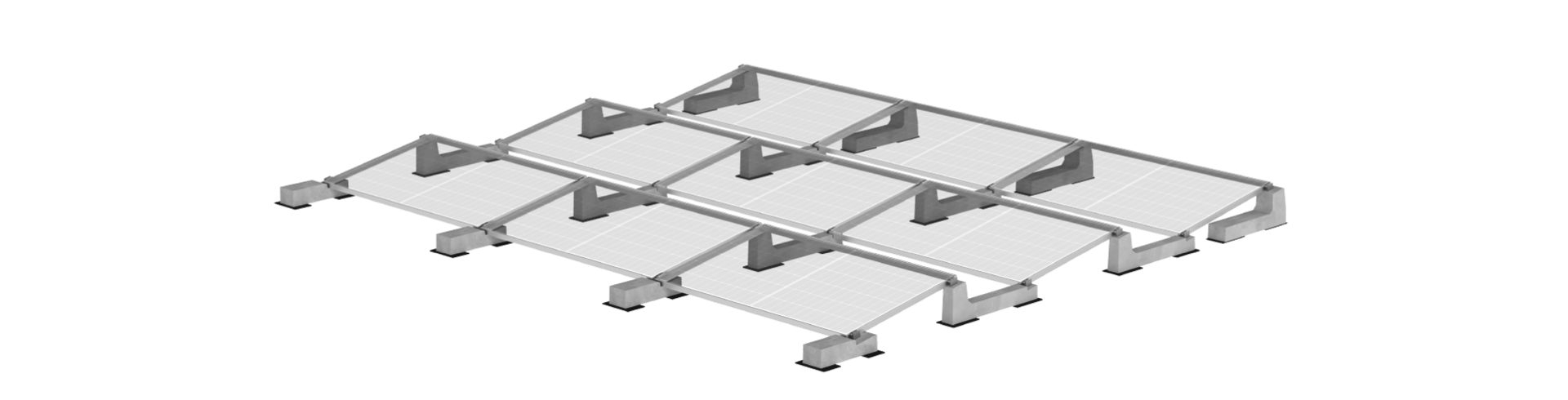
Ballasted photovoltaic mounting is built around a simple idea: use
tested concrete ballast blocks to resist wind uplift and stabilise the array, instead of relying
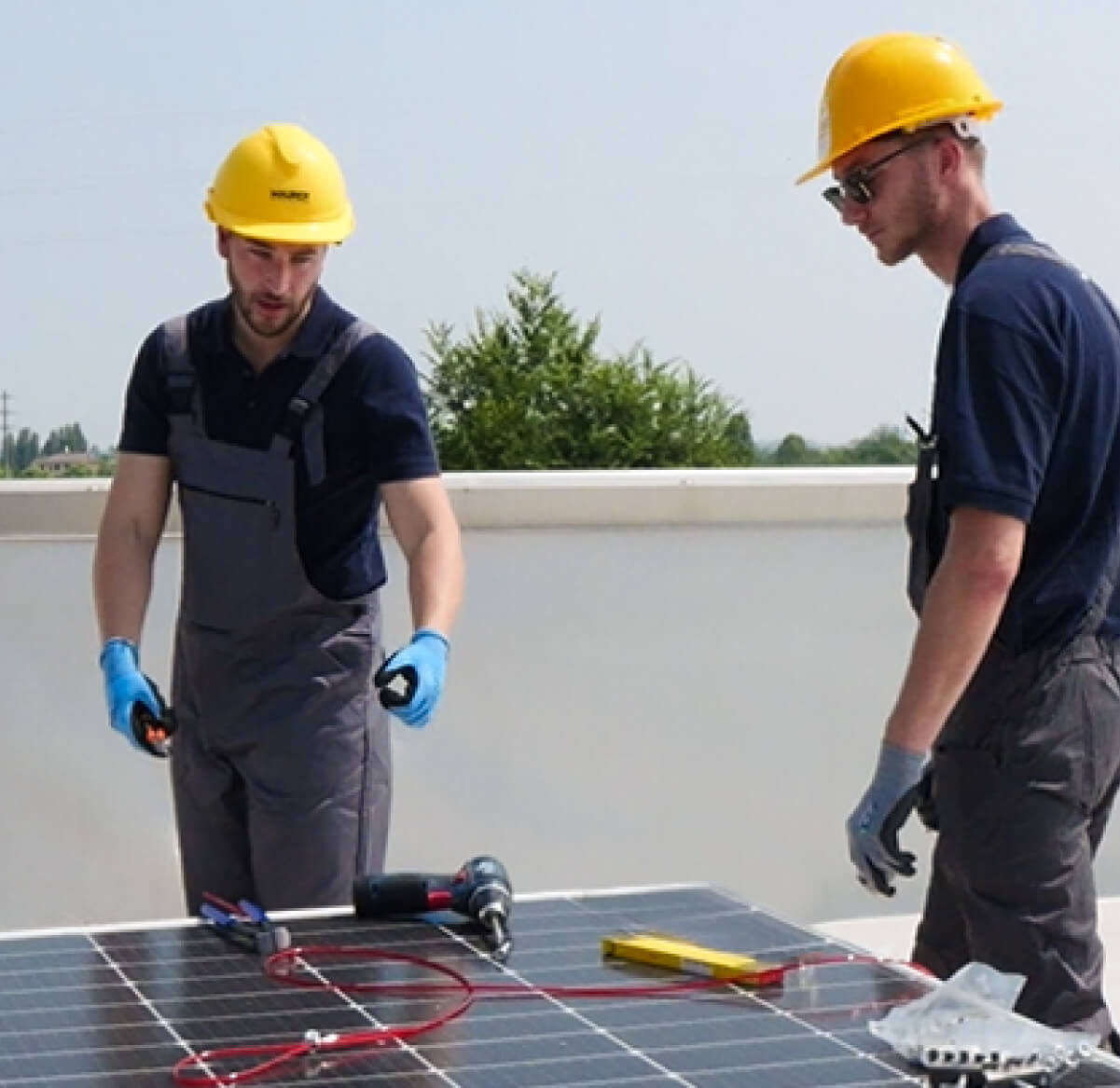
on roof penetrations. For installers, this means less time measuring, drilling, sealing, and
rechecking waterproof layers. For engineers and technical offices, it means working with
solutions that are already validated and repeatable, with clear data for load distribution and
wind considerations. The right system can be configured with different tilt options,
orientations, and module formats, helping you optimise yield while respecting roof constraints
such as parapets, skylights, and service walkways. Terms like flat-roof PV racking,
non-penetrating solar mounting, ballast weights, wind load design, and roof load management are
not just technical buzzwords—they describe the real challenges faced on every project. A
reliable partner approach also matters: having support during design, assistance with system
sizing, and guidance from pre-project to execution reduces risk and speeds up approvals. In
short, ballasted solutions turn photovoltaic mounting into a streamlined process: plan with
confidence, install with fewer complications, and hand over a robust system that’s built to last
in Italian rooftop conditions.
A Complete Photovoltaic Mounting Solution for
Installers, Designers, and Distributors
If you operate B2B—installing, specifying, or distributing PV
components—your priority is a photovoltaic mounting solution that is easy to deploy and easy to
trust. For installers, the biggest wins are rapid assembly, minimal hardware, and a jobsite
routine that stays consistent across projects. For designers, the focus is on certified,
dependable performance and access to accurate information for structural checks, wind exposure
assessments, and layout optimisation. For distributors and wholesalers, what matters is a
product line that is recognisable, in steady demand, and supported with the technical and
commercial tools that make selling simpler. A flat-roof ballasted photovoltaic mounting system
delivers on these needs by reducing roof intervention, improving installation efficiency, and
lowering the operational complexity that often slows crews down. When you can rely on solid,
tested supports and receive technical assistance through the design and execution phases, you
cut the time spent troubleshooting and increase the time spent delivering value. The outcome is
straightforward: safer rooftops, faster project delivery, and a professional standard that helps
you win repeat business across Italy’s growing solar market.