A Photovoltaic Mounting System Built for Flat
Roof Speed and Safety
If you install PV on flat roofs in Italy, you know the real
challenge isn’t just choosing modules—it’s finding a photovoltaic mounting system that keeps the
job fast, predictable, and watertight. Traditional fixings can mean drilling, waterproofing
concerns, extra components, and delays when the roof build-up doesn’t match the drawings. A
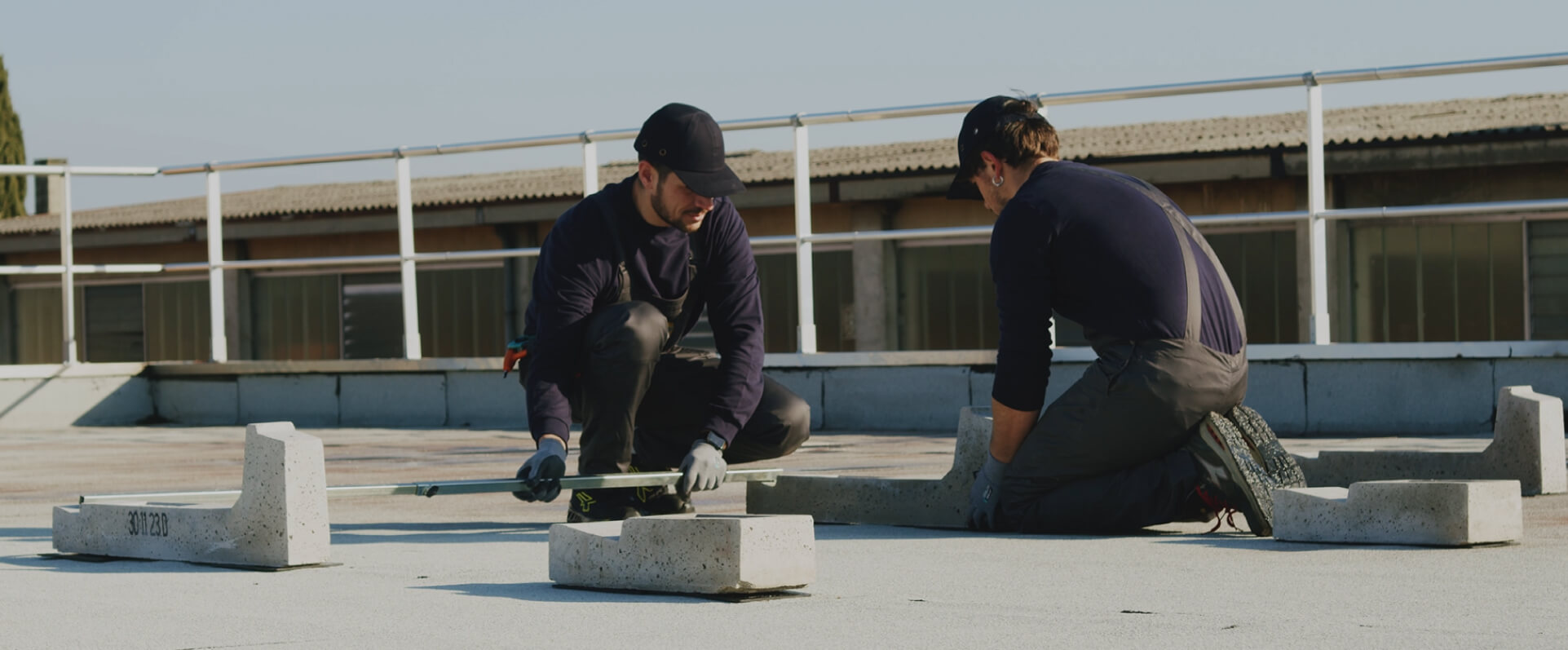
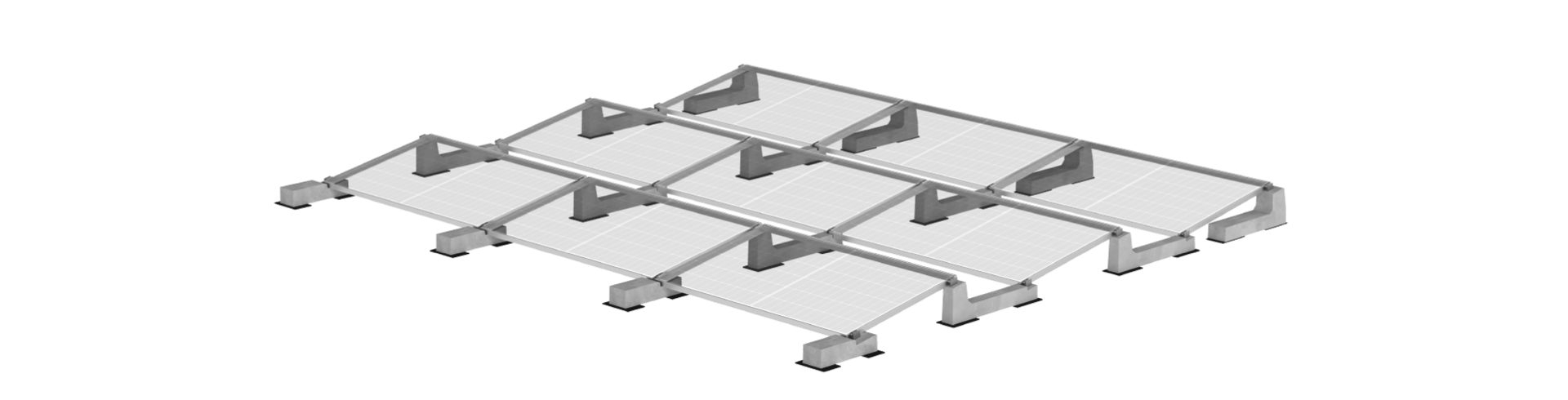
ballast-based approach changes the game: concrete weights secure the array without penetrating
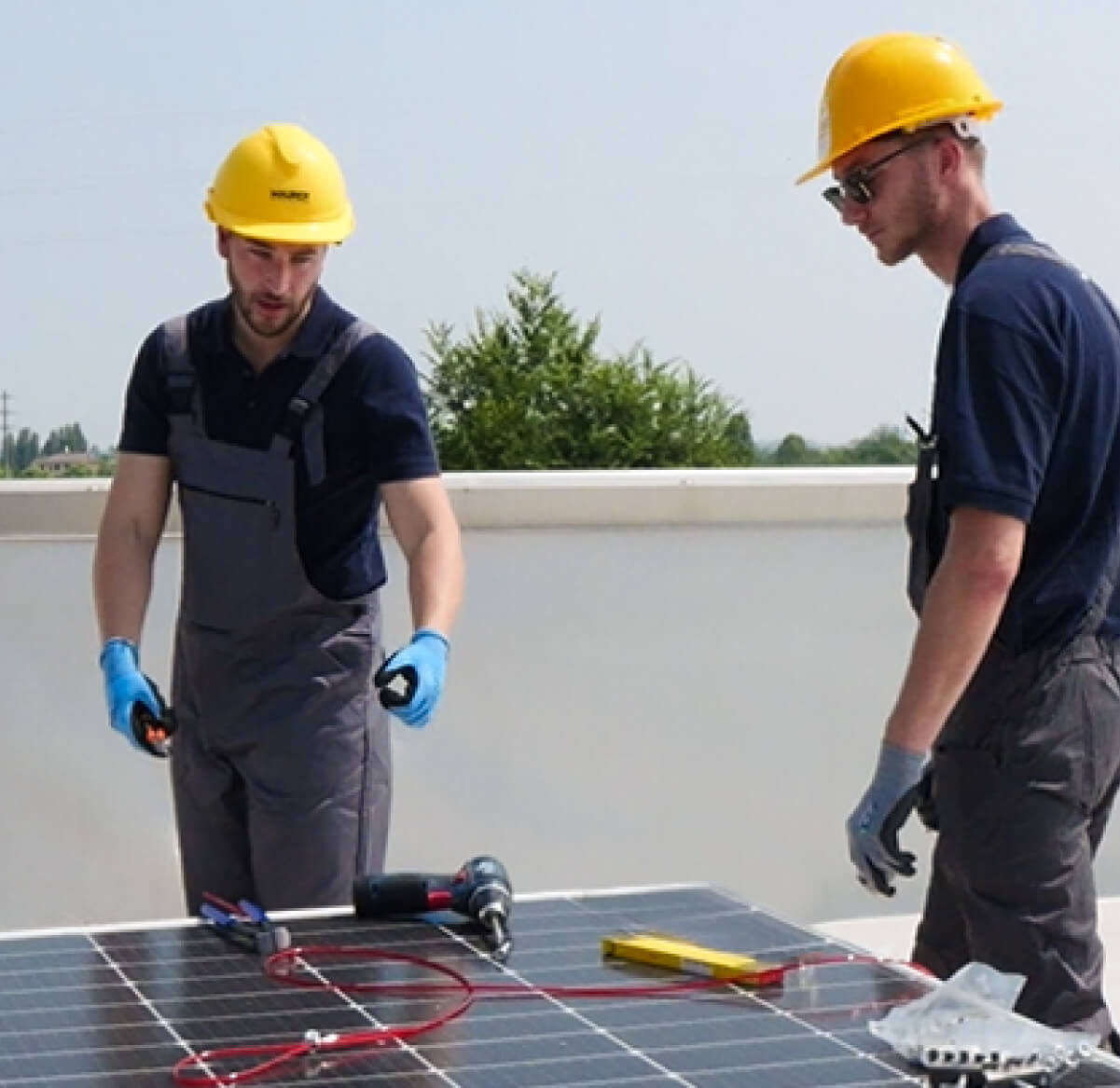
the membrane, reducing risk and simplifying site work. For installers, that translates into
fewer steps, fewer parts to manage, and quicker commissioning. For designers and engineers, it
means a mounting solution that can be sized around wind loads and roof constraints with clear,
repeatable data. And for distributors, it’s a product that’s easier to explain and easier to
stock because the concept is straightforward: place, align, connect. In practice, a
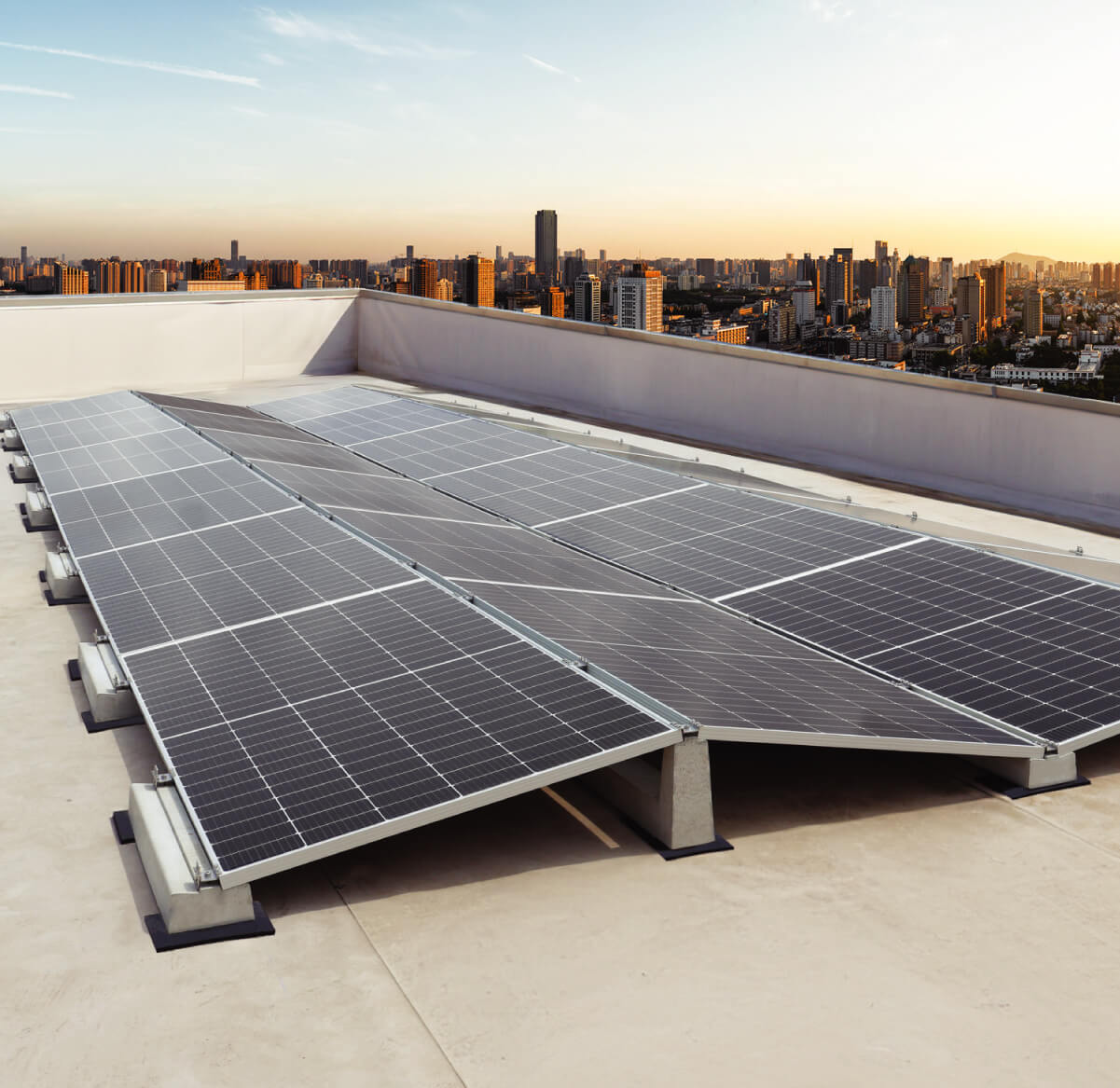
well-designed photovoltaic mounting system for flat roofs helps you avoid common
headaches—leaks, complex substructures, and long installation times—while delivering a stable,
durable support structure. When every hour on the roof impacts margins, choosing a solution
that’s designed specifically for flat-roof PV isn’t a luxury; it’s a competitive advantage.
Why Concrete Ballast Solutions Reduce
Complexity on Site
A concrete-ballasted photovoltaic mounting system is persuasive
for one simple reason: it removes the most stressful variable on flat roofs—roof penetration. By
avoiding drilling, you lower the likelihood of damaging waterproof layers and cut down on
corrective work. Installers benefit from an intuitive workflow with fewer fasteners and less
measuring, especially on large commercial rooftops where repetitive tasks drive labor costs. The
structure’s stability comes from weight and geometry, not from anchors that may depend on
substrate conditions. That’s particularly valuable when dealing with older roofs, mixed
materials, or limited load-bearing documentation. Related advantages include cleaner cable
management options, consistent module spacing, and layouts that can be adapted to different tilt
angles to support energy yield goals. For technical teams, having access to sizing
support—considering wind exposure, parapets, and roof zones—reduces design risk and speeds up
approvals. The result is a PV mounting solution that feels more like a complete system than a
box of parts: faster installation, fewer on-site surprises, and a more reliable handover to the
client.
A Technical Partner Approach: From Design
Support to Execution
Choosing a photovoltaic mounting system isn’t only about
hardware—it’s about the confidence you bring to each project. Installers want a setup that goes
down quickly and works the first time. Engineers need trustworthy inputs for calculations and
documentation. Distributors want dependable availability and a product that sells itself. A
partner-led model supports all three: technical guidance during design, system sizing for real
roof conditions, and commercial assistance that keeps projects moving from quote to
installation. That support is especially important for flat-roof PV, where wind uplift, ballast
distribution, and roof load limits must be balanced carefully. With a proven, tested
photovoltaic mounting system, you can standardize your approach across multiple sites, train
crews faster, and reduce call-backs. In a market where timelines are tight and expectations are
high, the most successful teams are those who simplify without compromising safety. If your next
flat-roof installation needs to be quicker, cleaner, and more predictable, start with a mounting
solution designed to minimize components, eliminate roof drilling, and deliver consistent
performance—project after project.