A smarter way to build a photovoltaic panels
roof on flat buildings
Designing a reliable photovoltaic panels roof on a flat surface
often comes down to one question: how do you secure the system without turning the roof into a
problem? Traditional fixings can mean waterproofing risks, longer installation times, and more
on-site uncertainty—especially when deadlines are tight and crews need a repeatable method.
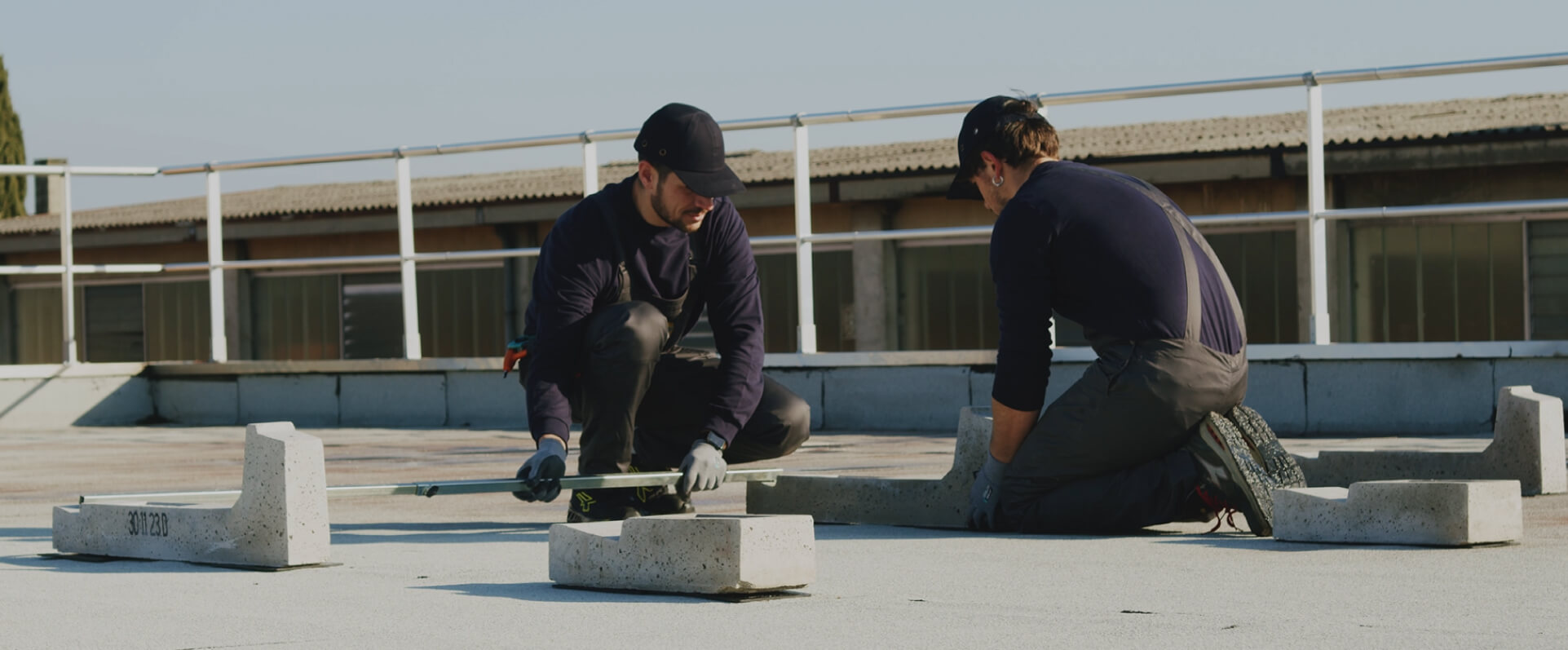
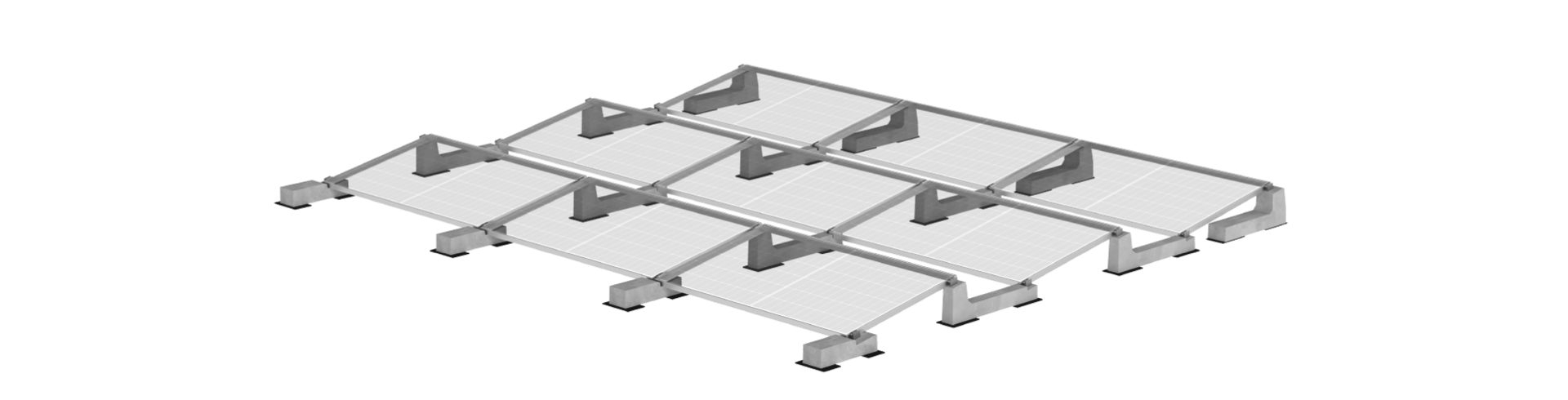
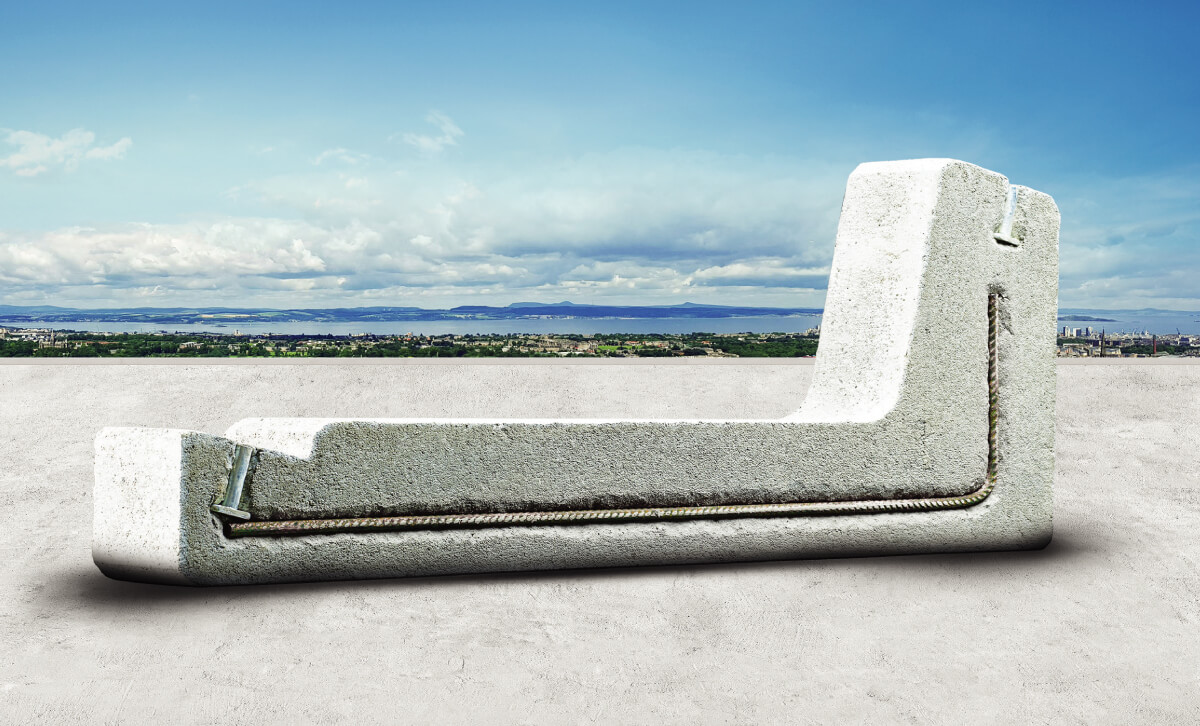
Ballasted mounting systems answer this need by using concrete weights to stabilize PV
structures, helping you avoid roof penetrations while keeping the layout clean and professional.
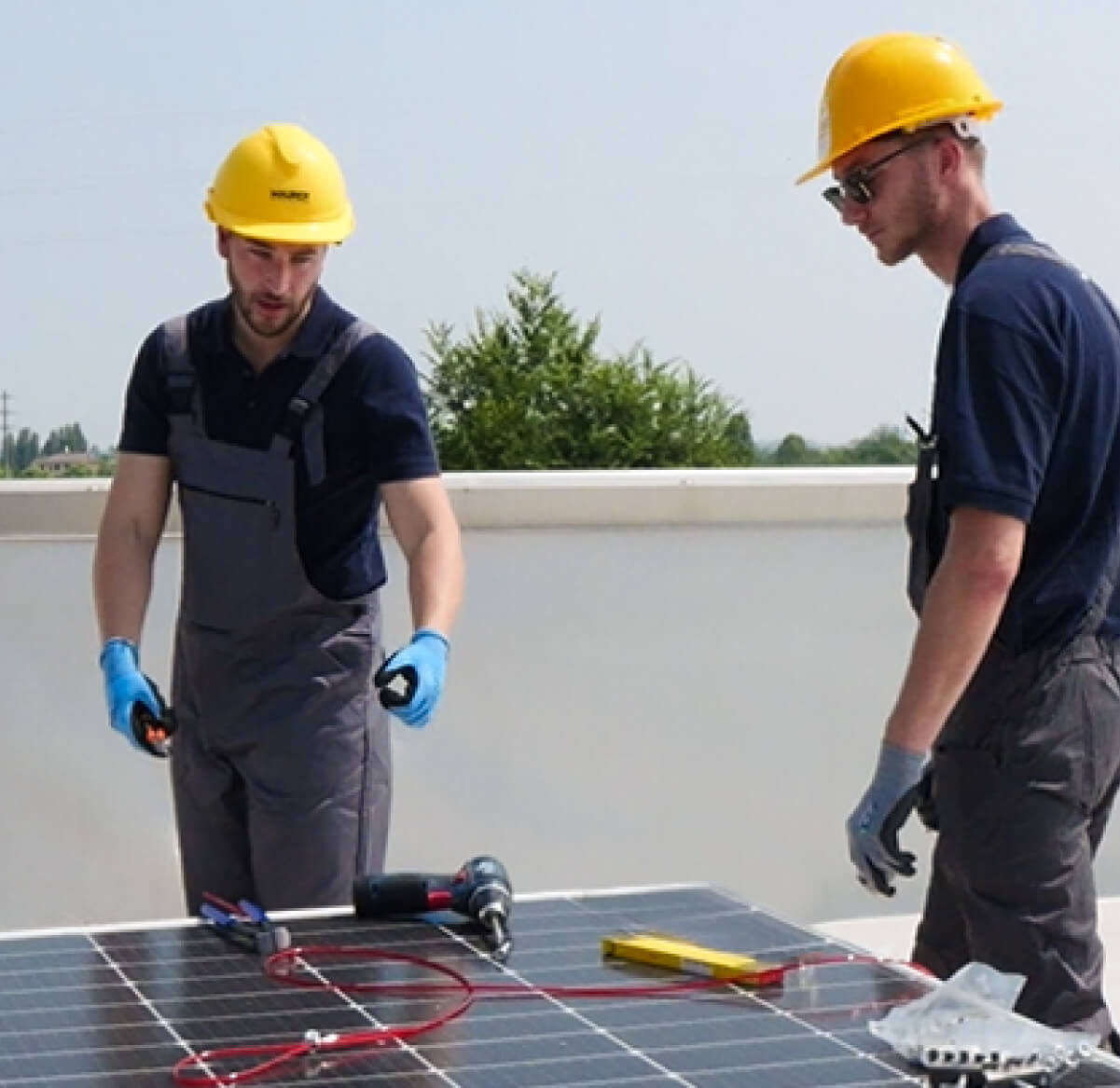
For installers, that translates into fewer steps, fewer components to manage, and quicker
positioning of modules and cable routes. For designers and engineers, it means a more
predictable approach to wind uplift, loads, and overall stability, supported by technical data
and project assistance. In the Italian market, where many commercial buildings feature large
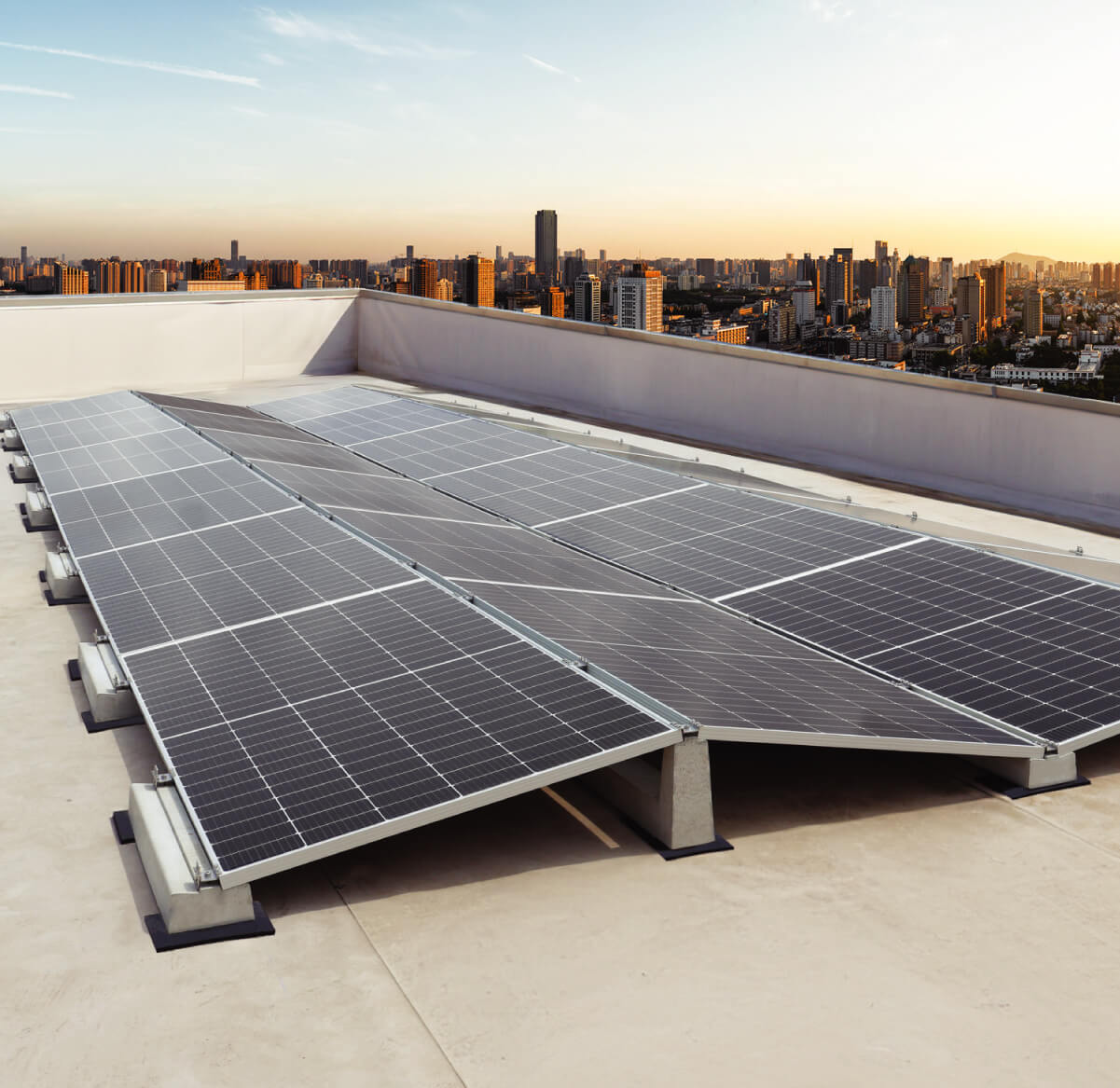
flat roofs, the ability to deliver a photovoltaic panels roof that is fast to deploy, safe for
the membrane, and easy to standardize across multiple sites is a real competitive advantage.
When the mounting solution is engineered for simplicity, the entire job becomes smoother—from
planning to commissioning—while maintaining long-term durability and compliance expectations.
Why no-drill ballasted mounting reduces risk
and speeds up installation
A photovoltaic panels roof installation should protect the
building as much as it produces energy. That’s why no-drill solutions are so attractive:
eliminating penetrations helps reduce the likelihood of leaks, callbacks, and disputes about
roof integrity. Ballasted structures also simplify site work—position the supports, set the
tilt, place the modules, and move forward without waiting on complex fastening procedures. This
approach is particularly effective on industrial sheds, logistics centers, and commercial
rooftops where large areas must be covered efficiently. With fewer parts and an intuitive
assembly sequence, teams can maintain consistent quality across rows, even under pressure. At
the same time, a well-developed technical partner can provide sizing support, load checks, and
layout optimization based on wind exposure and roof characteristics, giving engineers more
confidence and installers fewer surprises. The result is a photovoltaic panels roof that is not
only quicker to install, but also easier to document and manage from a project
perspective—helping professionals deliver on time, reduce operational complexity, and keep
performance expectations realistic.
A complete technical approach for
professionals in Italy
For B2B professionals, choosing a photovoltaic panels roof
solution is rarely just about the hardware—it’s about the workflow behind it. Installers want a
system that lets them complete more projects per month, with minimal on-site complications.
Designers need tested configurations, clear parameters, and trustworthy data for structural
verification. Distributors look for products that are easy to explain and consistently in
demand. A proven ballasted mounting concept meets all of these needs by combining reliability,
speed, and repeatability. Concrete ballast supports are built for durability and stability, and
when paired with technical services—pre-design support, system sizing, and project development
assistance—they become a full solution rather than a simple component. That partnership mindset
matters: it reduces the burden on the engineering team, lowers the risk of wrong assumptions in
the field, and helps ensure that each photovoltaic panels roof is optimized for the specific
site conditions. If your goal is to deliver flat-roof PV installations that are safer for the
membrane, simpler to assemble, and engineered with confidence, a no-drill ballasted system can
be the practical edge that keeps your projects efficient and your clients satisfied.