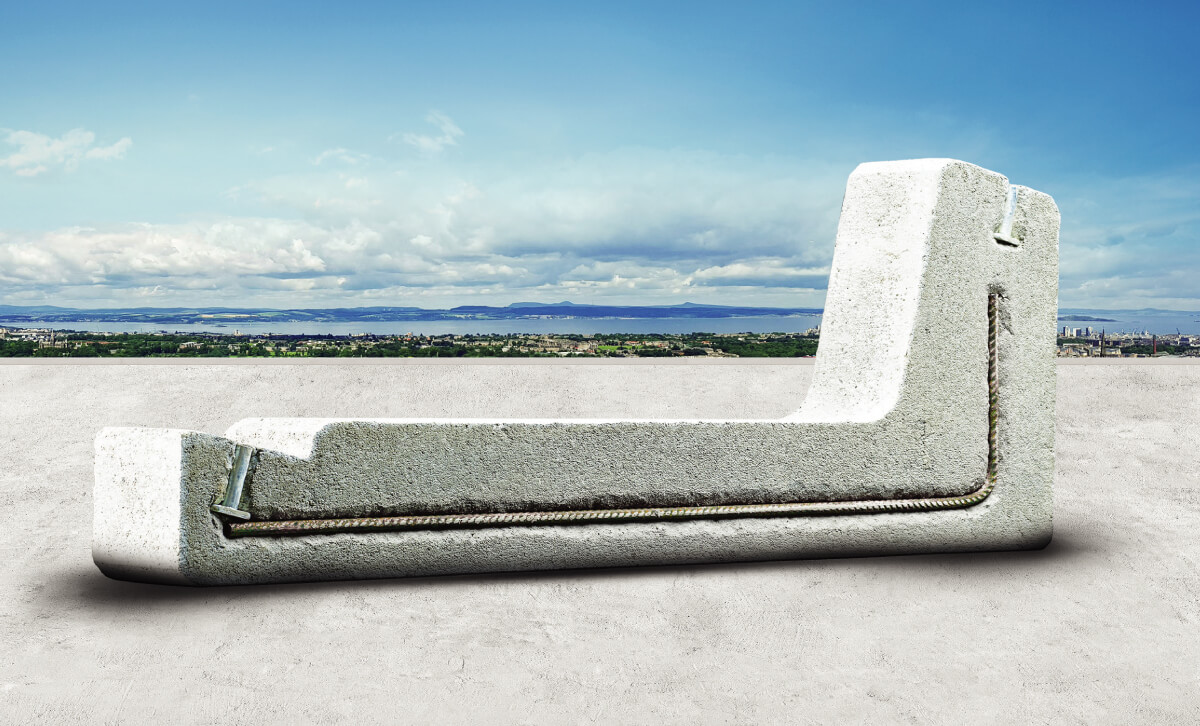
Why Photovoltaic Concrete Is a Smart Choice
for Flat Roof PV
In Italy, flat roofs are ideal for solar—until you have to deal
with penetrations, waterproofing risks, and time-consuming structures. That’s where photovoltaic
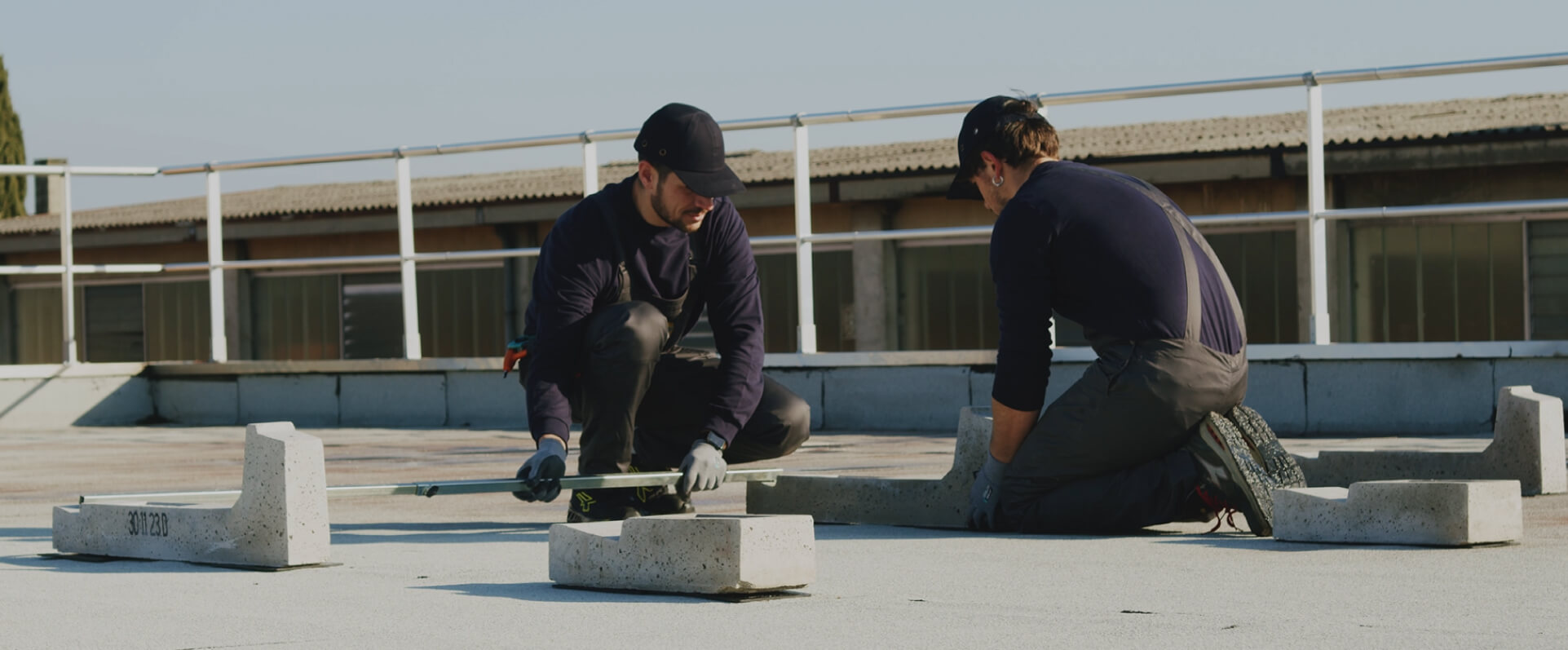
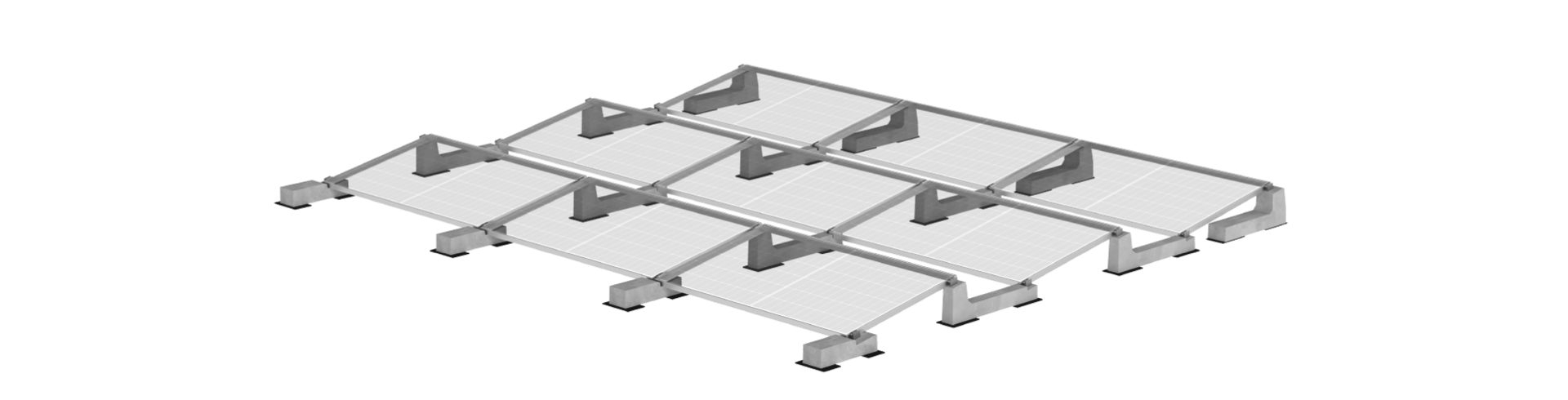
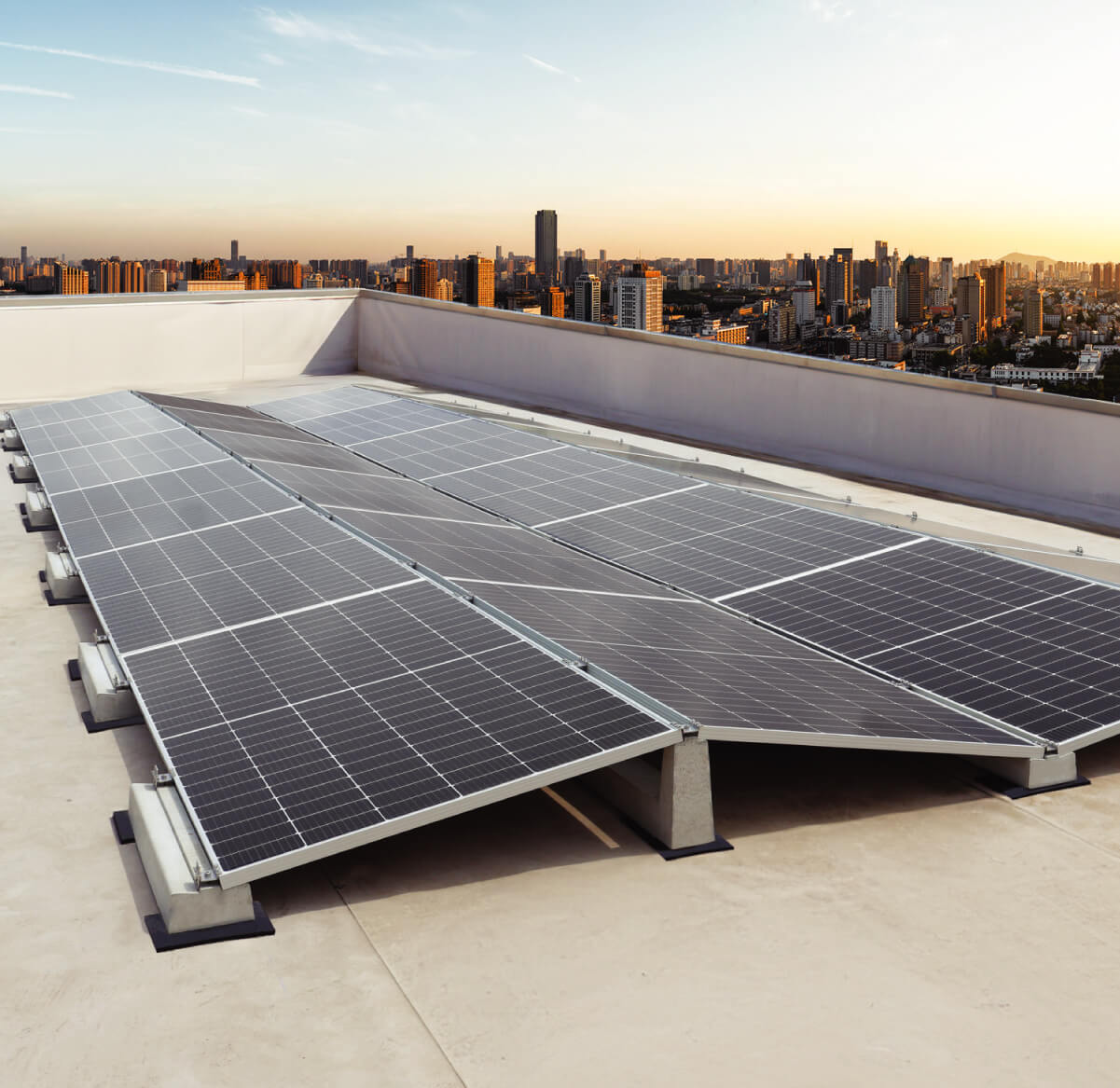
concrete makes a real difference. Using precast concrete ballasts, PV modules can be secured
without drilling the roof membrane, reducing the chance of leaks and avoiding costly repairs
down the line. For installers, this means simpler logistics on site, fewer components to
assemble, and faster commissioning. For designers and engineers, it offers a predictable, tested
approach to load distribution and wind uplift management. Photovoltaic concrete solutions are
built for durability: concrete is stable, long-lasting, and resistant to weathering, which is
essential for rooftop systems exposed to sun, wind, and temperature swings. These ballasted
mounting systems also make maintenance easier—panels remain accessible, and adjustments can be
planned without touching the roof structure. When you need a flat roof PV installation that
prioritizes speed, safety, and reliability, photovoltaic concrete is not just an option—it’s a
practical upgrade that aligns with modern installation standards and helps reduce risk across
the entire project lifecycle.
Faster Installation, Fewer Headaches: What
Installers Gain
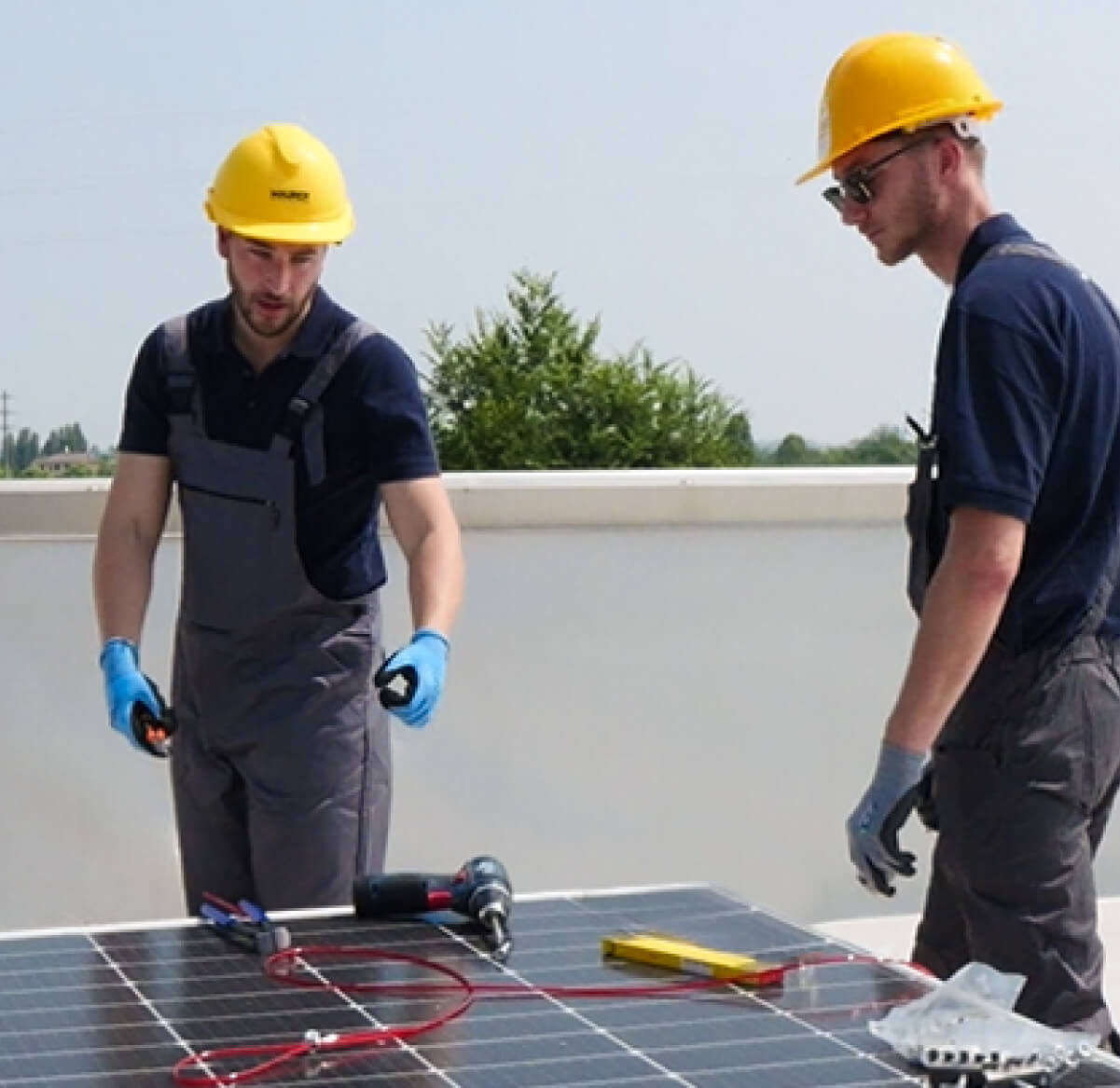
Installers choose photovoltaic concrete primarily for one reason:
it streamlines the work. A ballast-based system reduces the number of separate mounting parts
and eliminates drilling, which often requires extra approvals, specialized tools, and careful
waterproofing. With concrete ballasts designed for PV, positioning is intuitive, alignment is
quicker, and the overall workflow becomes more repeatable across different flat roof projects.
That translates into shorter installation times and fewer surprises in the field—especially on
large industrial roofs where every hour matters. Just as important, photovoltaic concrete helps
limit typical site issues such as incorrect fastening, membrane damage, or delays caused by roof
condition checks. A well-engineered ballasted solution can also support different tilt angles
and layouts, making it easier to optimize production while respecting roof constraints. If your
priority is to install more systems per month—without increasing callbacks—photovoltaic concrete
gives you a dependable, job-friendly foundation.
Engineering Confidence: Wind Loads, Sizing
Support, and Proven Performance
For technical professionals, photovoltaic concrete isn’t only
about convenience—it’s about control. Rooftop PV design in Italy often requires careful
evaluation of wind exposure, edge zones, ballast weights, and structural capacity. A dedicated
photovoltaic concrete system offers tested configurations and reliable data that make sizing
more straightforward and reduce uncertainty during the design phase. With technical support
available from concept to execution, projects can be developed with clearer assumptions, better
documentation, and fewer revisions. This partner-style approach is especially valuable for
engineering studios that carry responsibility for safety and compliance. Distributors also
benefit: photovoltaic concrete is easy to explain, clearly differentiated, and consistently
requested for flat-roof applications. The end result is a PV mounting solution that balances
speed, simplicity, and engineered reliability—helping professionals deliver clean installations
with fewer risks and stronger long-term performance.