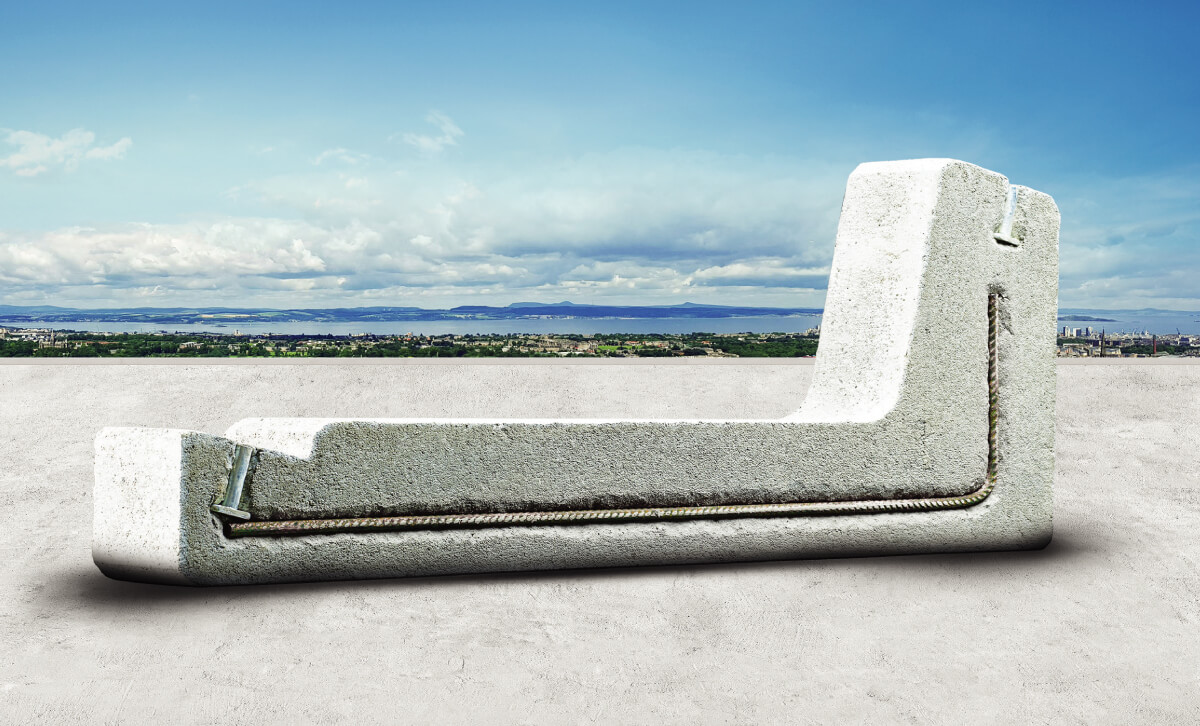
Why mounting systems solar matter on Italian
flat roofs
Choosing the right mounting systems solar is one of the biggest
factors that determines whether a flat-roof PV job in Italy runs smoothly or becomes a headache.
Installers and designers know the common pain points: too many components, slow assembly, and
the risk of leaks created by roof penetrations. On commercial and industrial rooftops, every
extra hour on site has a cost, and every hole in the waterproofing membrane can become a
long-term liability.
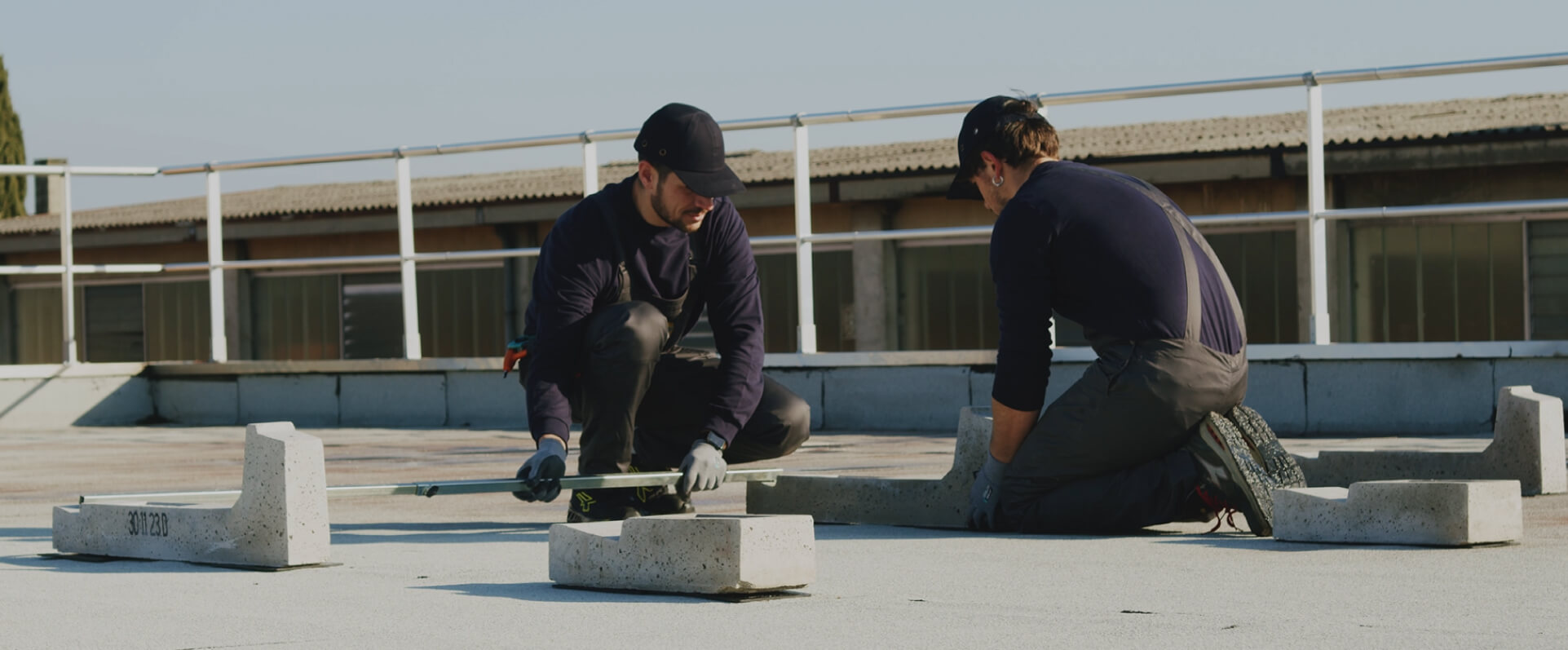
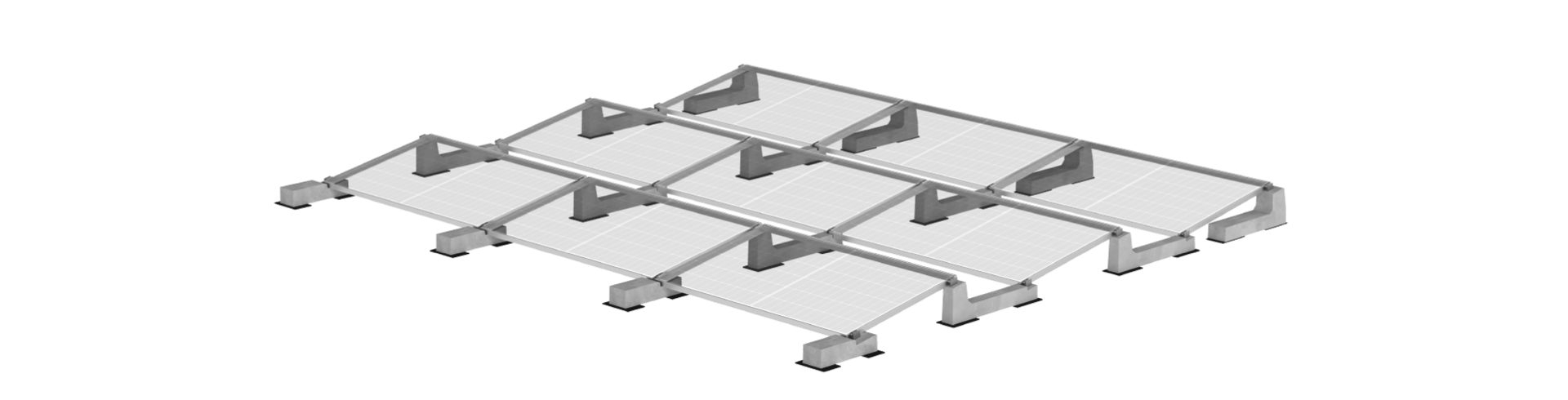
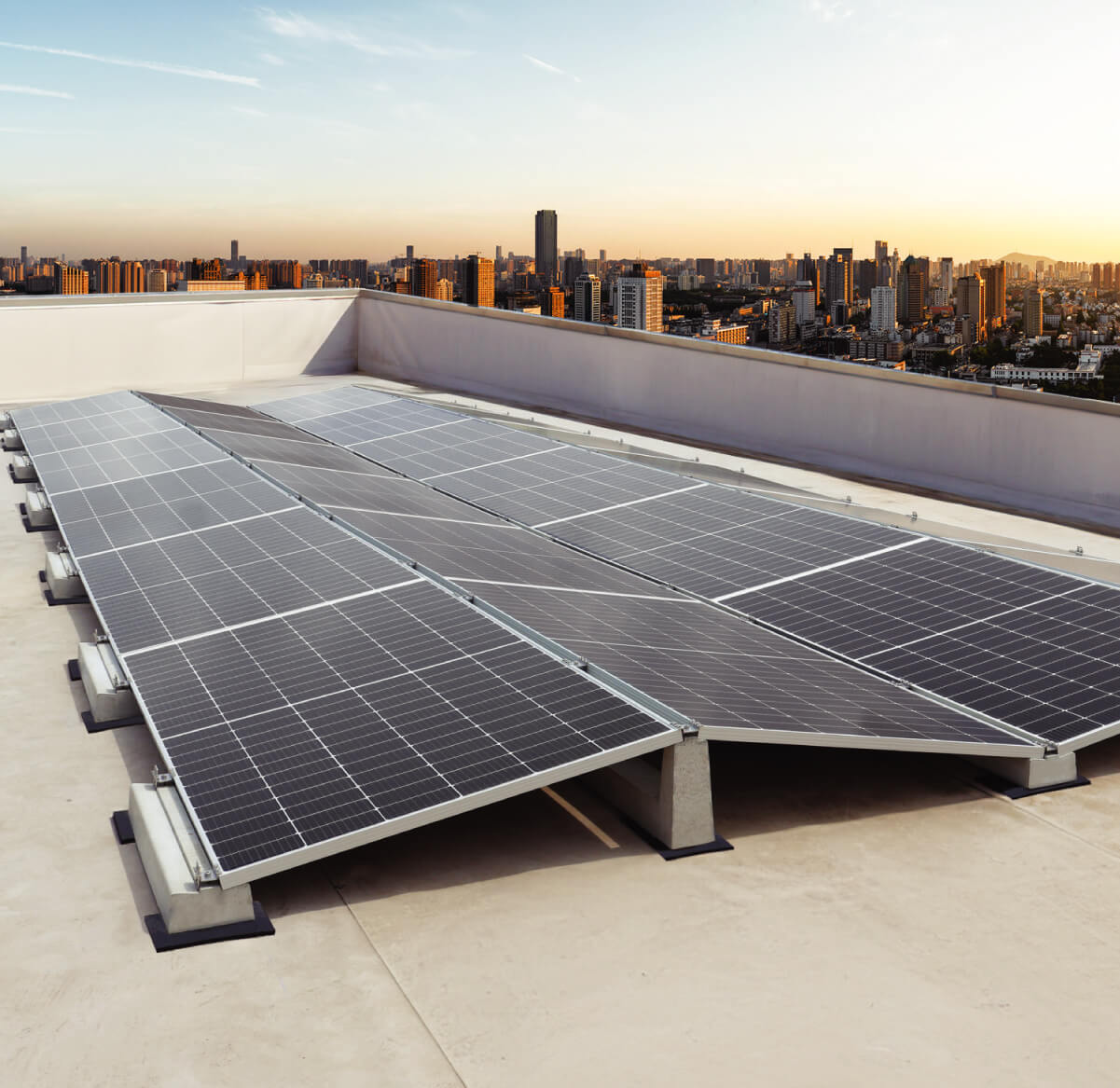
That’s why ballasted solar mounting solutions are increasingly preferred for flat roofs. Instead
of drilling into the roof, concrete ballast PV supports keep modules stable through weight and
smart geometry, helping reduce structural complexity while maintaining safety. For installers,
this typically means fewer parts to handle, faster positioning, and cleaner logistics. For
engineers, it means a clearer path to verify loads, wind resistance, and roof constraints.
In short, modern flat-roof mounting systems solar are not just “hardware”. They’re a practical
way to install faster, reduce on-site uncertainty, and protect the roof envelope—especially
important in Italian climates where wind exposure and varied roof constructions demand reliable,
tested solutions.
Concrete ballast PV supports: speed,
simplicity, and fewer risks
For many B2B solar professionals, the key advantage of concrete
ballast mounting systems solar is straightforward: no roof penetrations. Avoiding anchors and
drilling can significantly lower the risk of water infiltration, reduce the need for complex
waterproofing work, and simplify approvals with building owners.
From an installation standpoint, ballast-based racking is designed for rapid assembly. With
fewer structural elements and an intuitive layout, crews can move quickly from delivery to
positioning, aligning, and module fixing. This is especially valuable on large flat roofs where
repetition and workflow efficiency make a real difference to margins.
These systems also support common PV layout needs, such as optimizing tilt angles and managing
row spacing to limit shading. When paired with dependable documentation and tested
configurations, ballasted solutions can help designers feel more confident about wind loads and
overall roof stress distribution. The result is a mounting approach that balances reliability,
durability, and practical jobsite simplicity—exactly what installers and technical offices look
for when selecting mounting systems solar in Italy.
A technical partner approach for installers
and designers
On flat-roof projects, the best mounting systems solar come with
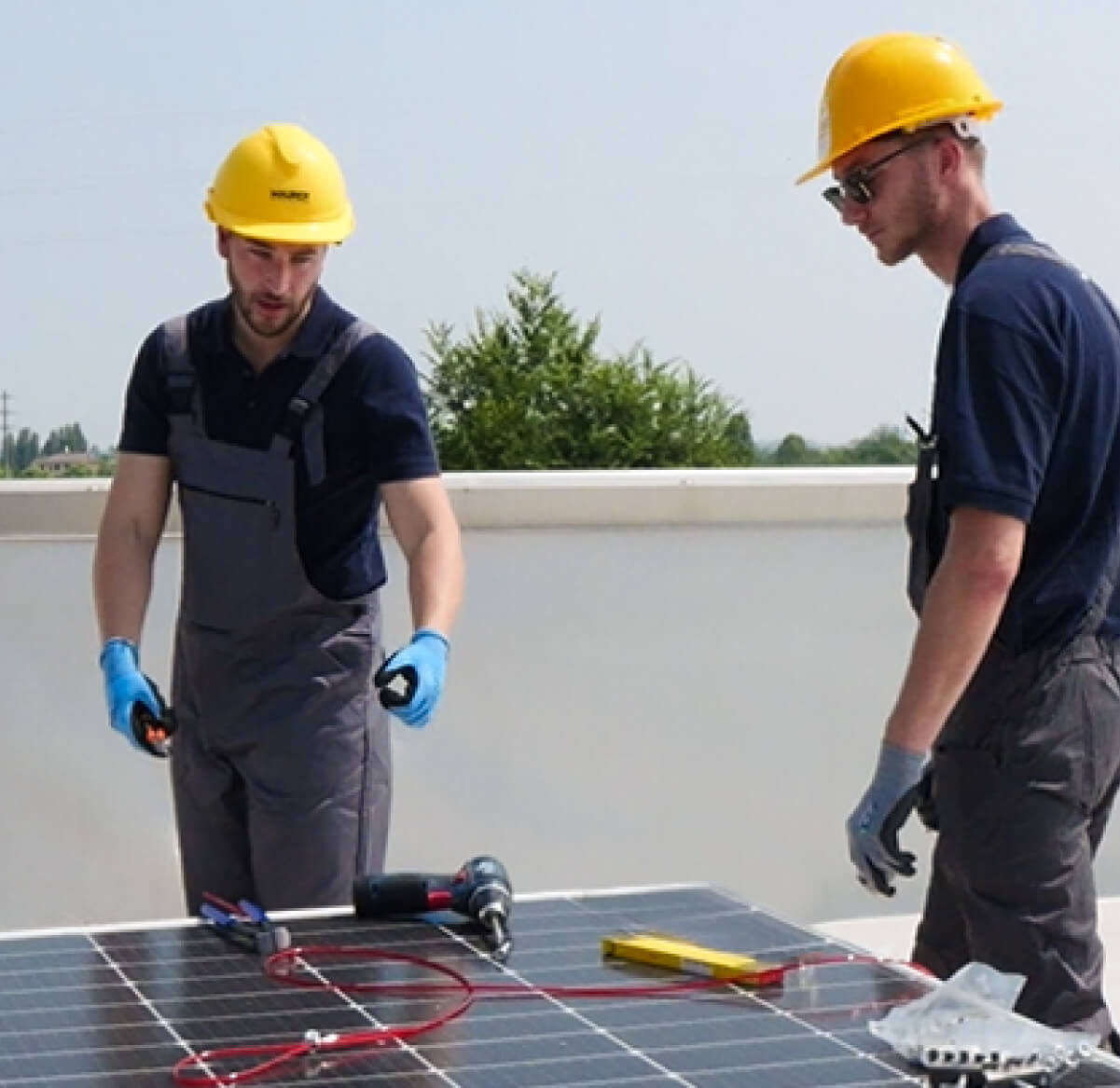
more than a product list—they come with support that helps you finish the job faster and with
fewer surprises. For installers, having access to clear installation guidance and responsive
commercial assistance can remove friction when timelines are tight. For engineers and technical
studios, reliable sizing inputs and project development support help reduce design risk,
especially when wind calculations, roof loads, and site constraints are involved.
A complete solution typically includes technical assistance during the design phase, help with
PV system sizing, and guidance that follows the project through execution. This partner-style
model is particularly useful in B2B settings where installers, designers, and distributors need
consistency: a recognizable flat-roof solution, stable availability, and documentation that
stands up to scrutiny.
If your goal is to deliver safe, efficient, and repeatable flat-roof PV installations, choosing
mounting systems solar built around concrete ballast supports can be a smart move. You protect
the roof, simplify the structure, and keep the focus where it belongs: installing more systems,
in less time, with confidence.