Why a Non Penetrating Solar Mounting System
Fits Flat Roof Projects in Italy
Choosing a non penetrating solar mounting system is often the
smartest move for flat roof PV in Italy, especially when speed, safety, and roof integrity
matter. By avoiding mechanical fixings, you reduce the risk of leaks, membrane damage, and
future maintenance claims—critical concerns for installers and designers working under tight
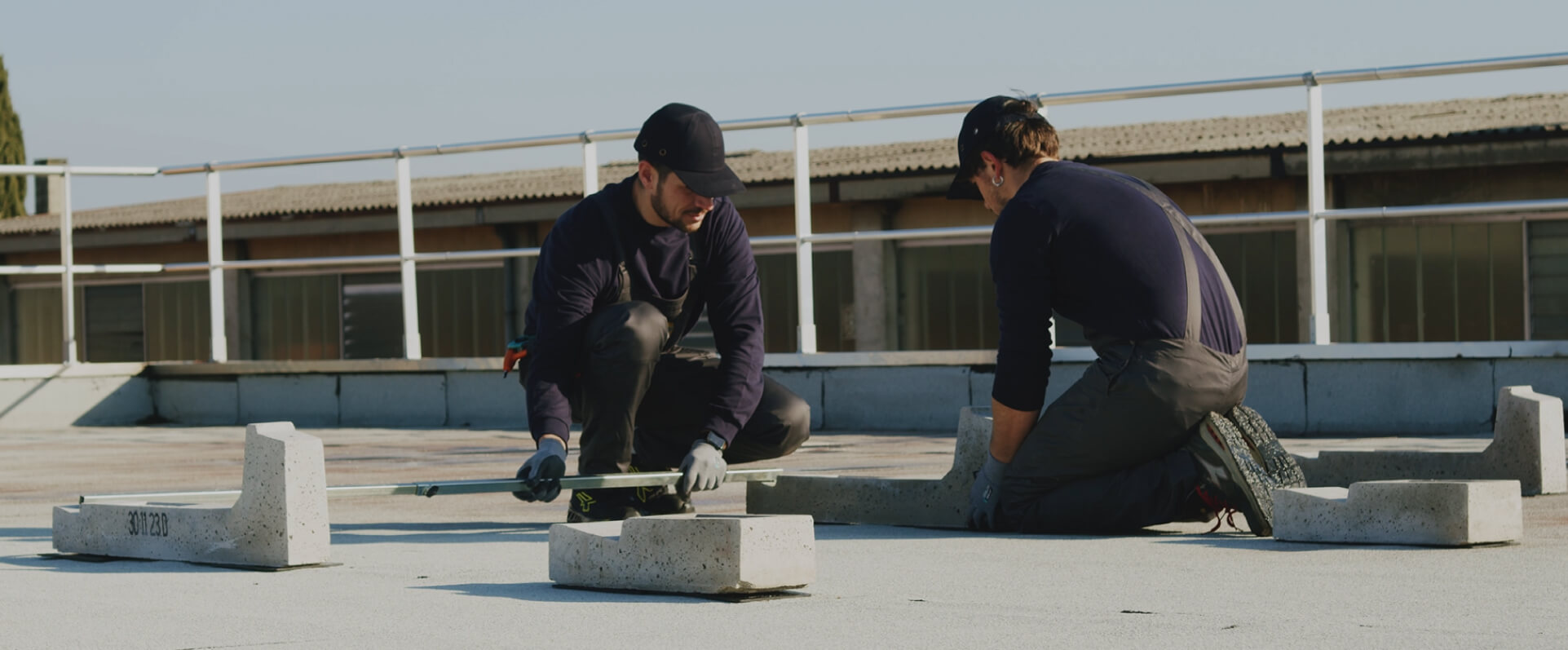
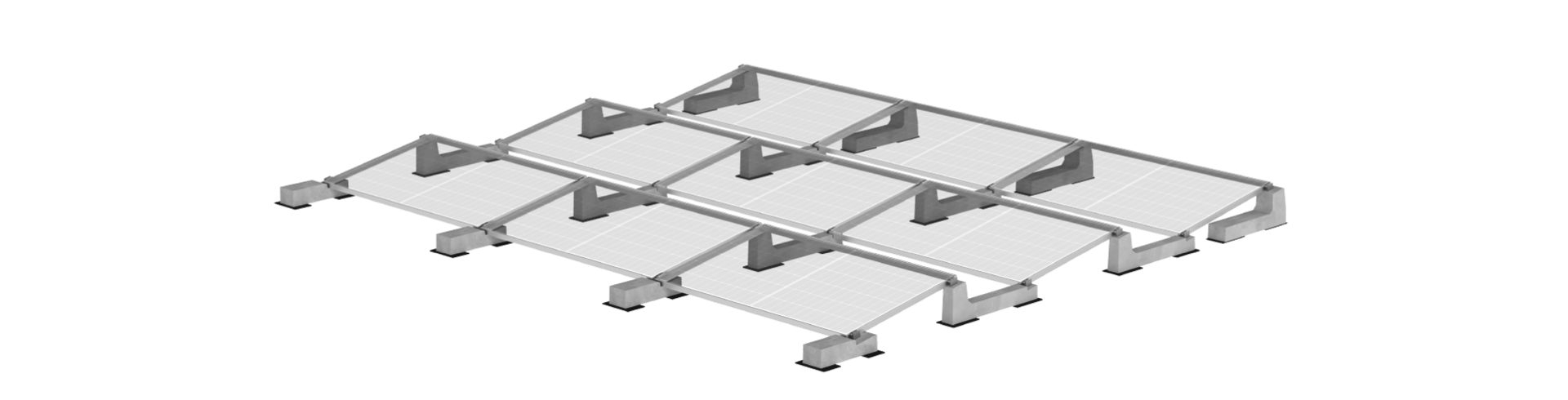
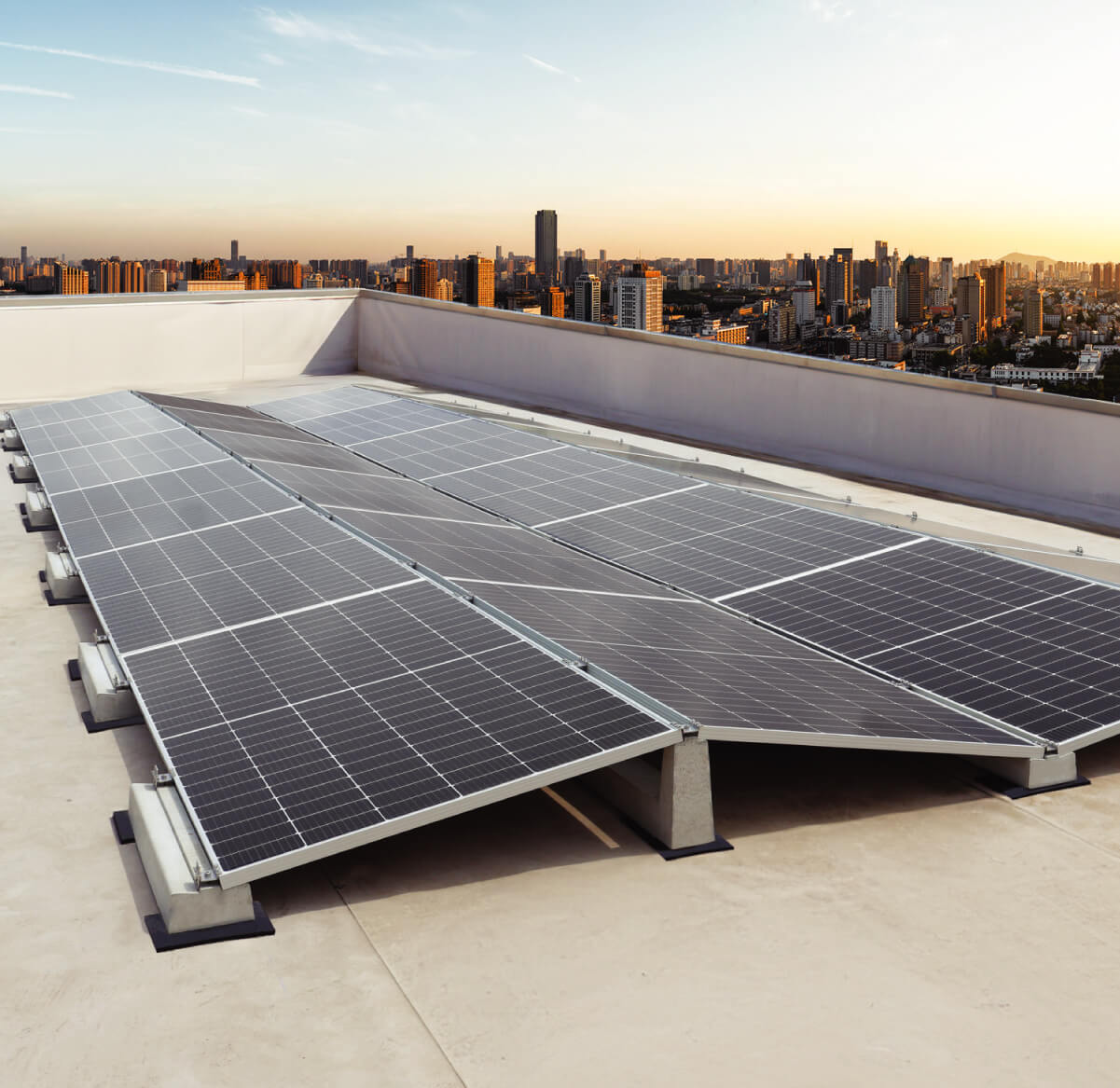
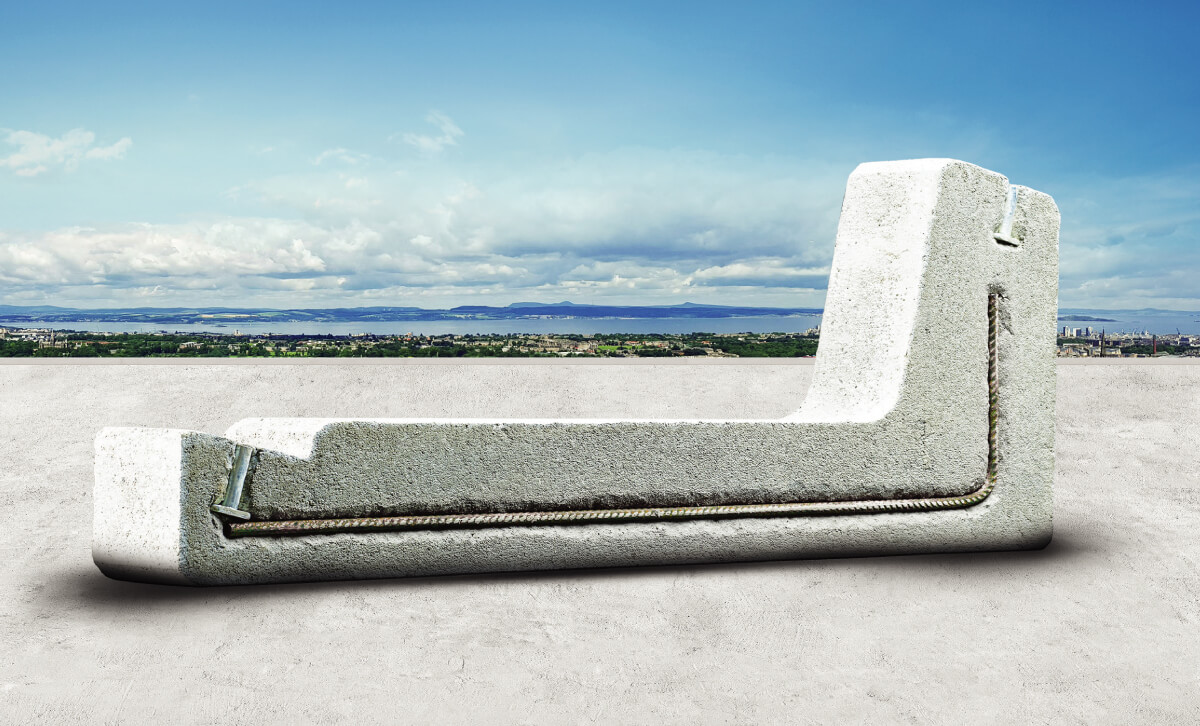
schedules. Ballasted solar racking uses engineered concrete weights to keep modules stable
without drilling the waterproof layer, making it ideal for industrial buildings, logistics hubs,
and commercial rooftops. The result is a cleaner site workflow: fewer steps, fewer tools, and
fewer surprises. For crews, that means faster turnaround and more installations completed per
month. For technical offices, it means a clearer path to compliance because loads and stability
can be verified with tested configurations. And for distributors, it’s a product category that’s
easy to explain: “no roof penetrations, fast installation, reliable performance.” If you’re
looking for a flat roof solar mounting solution that balances practicality with engineering
confidence, a non penetrating approach is hard to beat—particularly when paired with
professional pre-design support and accurate system sizing.
Key Benefits: Faster Installation, Lower Risk,
Fewer Components
A well-designed non penetrating solar mounting system is built
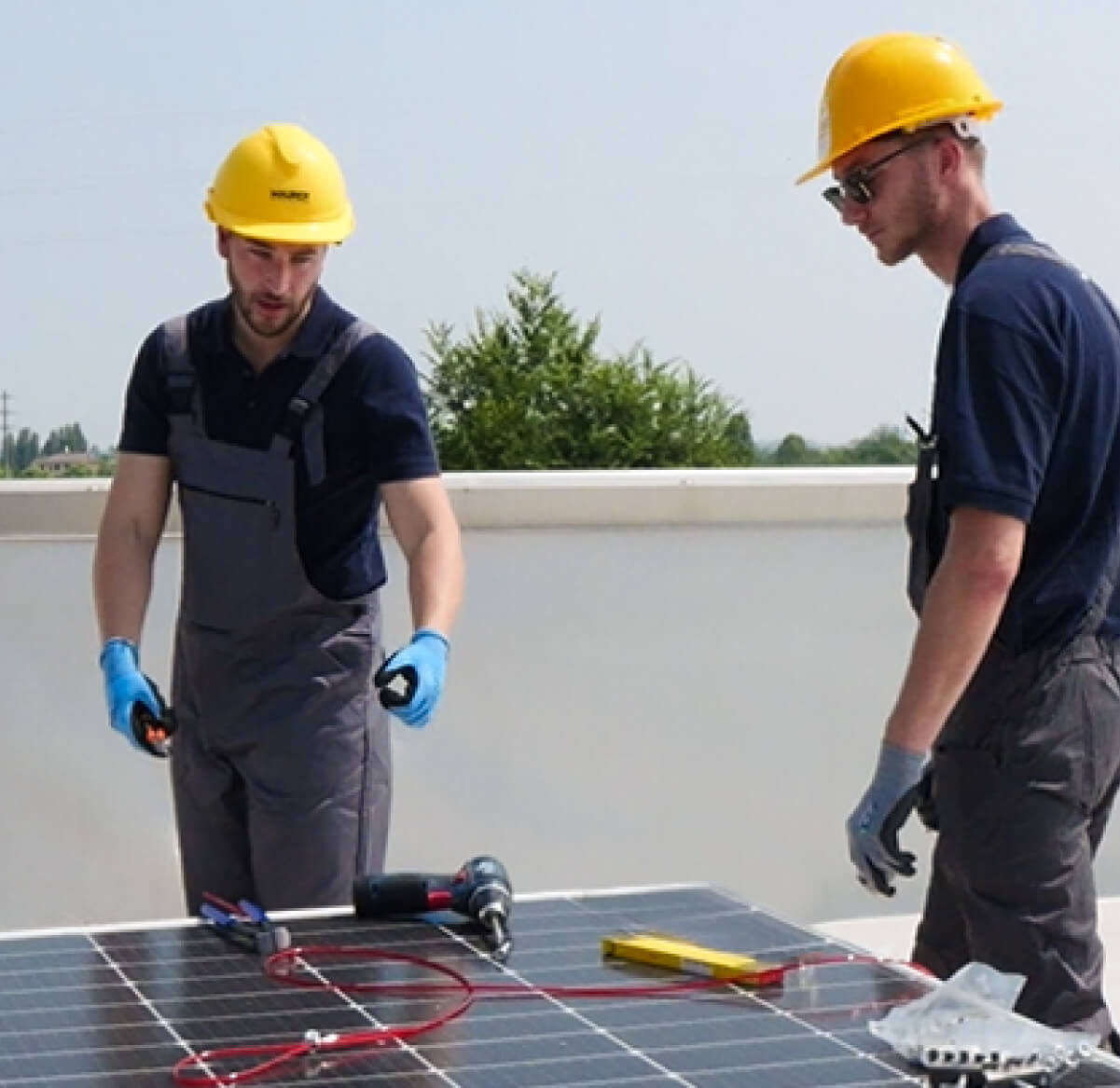
around simplicity. Installers benefit from reduced component count, intuitive assembly, and a
predictable installation sequence—important when managing multiple sites or working in
challenging rooftop conditions. Because the structure relies on ballast rather than anchors, you
avoid time-consuming drilling, sealing, and inspections tied to roof penetrations. That directly
reduces labor hours and helps prevent costly callbacks. From a performance standpoint, ballasted
PV mounting systems can be configured for different tilt angles and layouts, supporting common
flat-roof design goals such as maximizing yield, controlling shading, and keeping maintenance
corridors accessible. For engineers and project planners, reliable documentation and verified
data help with wind load assessments and rooftop load distribution. And because everything is
designed to sit on the roof surface, logistics can be streamlined: components arrive ready to
assemble, minimizing improvisation on site. The overall value is clear—faster installs, lower
operational risk, and an easier path from design to execution on Italian flat roofs.
A Technical Partner Approach: Design Support
Through Execution
What makes a non penetrating solar mounting system truly effective
isn’t only the hardware—it’s the support behind the project. In B2B PV, installers and designers
need more than a catalog: they need help turning rooftop constraints into a buildable plan. That
includes technical assistance during design, correct system sizing, and commercial guidance that
keeps procurement and scheduling on track. When wind exposure, parapet heights, roof zones, and
load limits vary from site to site, having tested solutions and dependable calculations reduces
engineering uncertainty and improves accountability. It also helps standardize outcomes across
multiple installations, which is especially valuable for installers scaling their operations and
distributors serving diverse clients. If your goal is to deliver flat roof solar projects that
are quicker to install, safer for the waterproofing layer, and easier to manage from the first
layout to final installation, a non penetrating solar mounting system supported by a strong
technical process is the practical choice for the Italian market.