A Smarter Mounting System for Flat Roof PV
Projects in Italy
In Italy, flat-roof photovoltaic installations demand a mounting
system that is fast to deploy, safe for the roof membrane, and predictable in performance.
Installers and designers know the typical pain points: too many parts, long assembly times, and
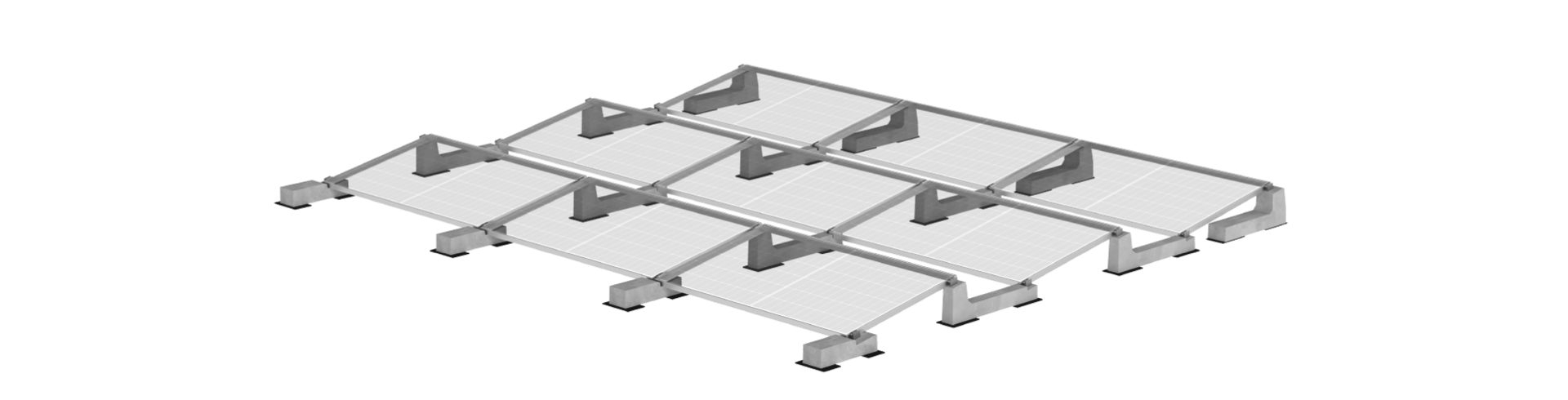
the risk of leaks caused by penetrations. A ballasted mounting system solves these issues by
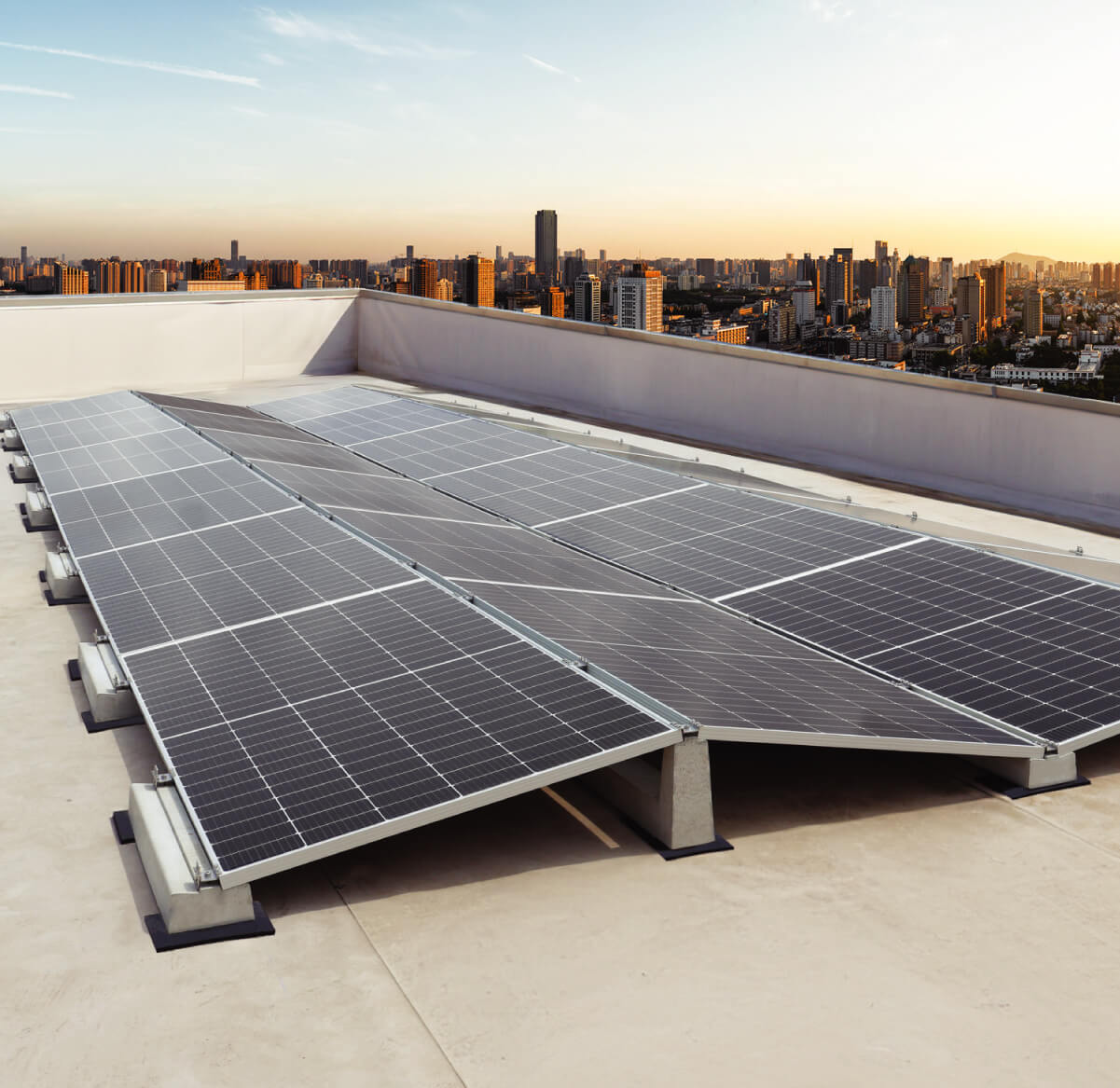
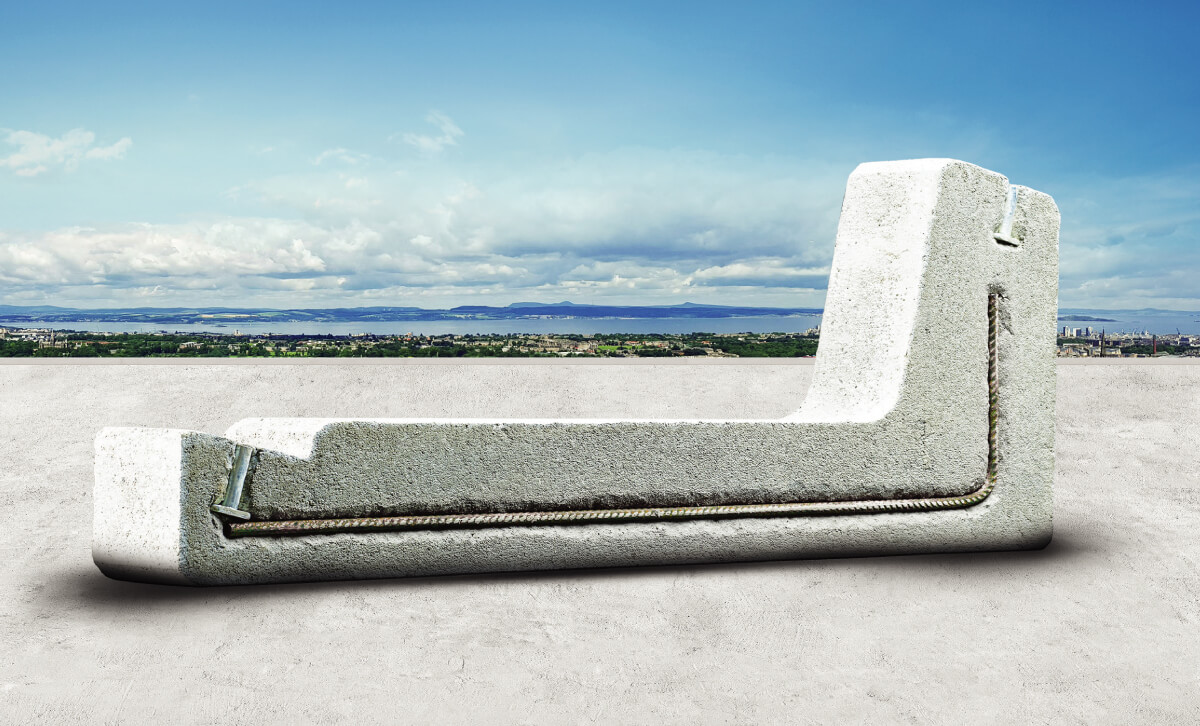
keeping the roof intact while providing stable support for solar modules. Concrete ballast
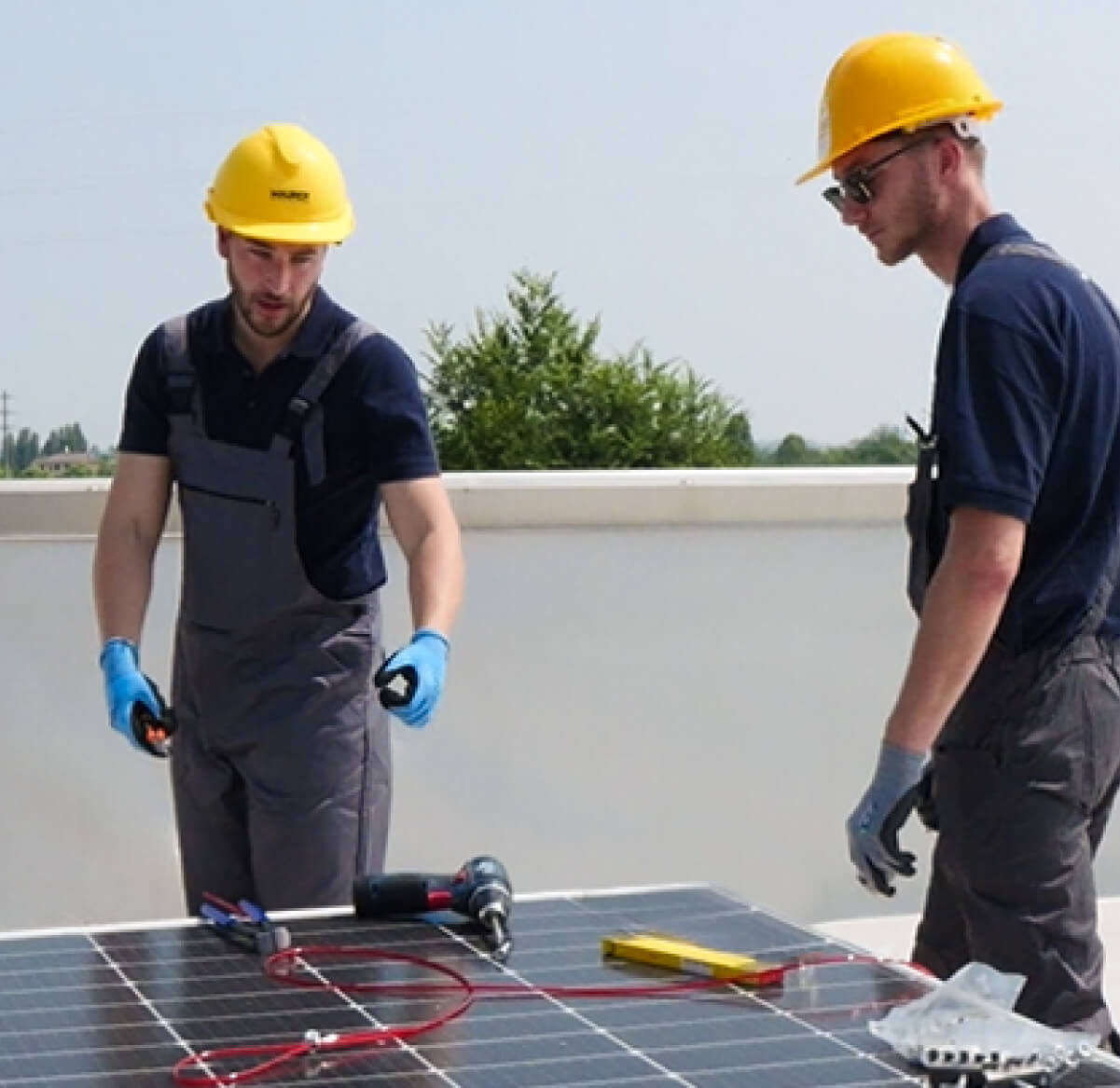
elements, designed specifically for PV, allow panels to be installed without drilling, helping
reduce on-site complications and making scheduling easier. For installers, this means fewer
components to manage, simpler logistics, and quicker commissioning. For engineers and technical
studios, it means access to dependable data for wind load, roof loads, and layout
optimisation—critical for compliant design. A modern flat-roof mounting system should also
support different module orientations, efficient row spacing, and tidy cable management, so the
final plant looks professional and stays maintainable over time. If you are looking to
standardise your approach across multiple rooftops—industrial sheds, commercial buildings, or
logistics hubs—choosing a tested, durable mounting system becomes a competitive advantage. Less
uncertainty on the roof translates into smoother projects, fewer callbacks, and a more confident
handover to the end client.
No-Drill Ballasted Solutions: Faster
Installation, Lower Risk
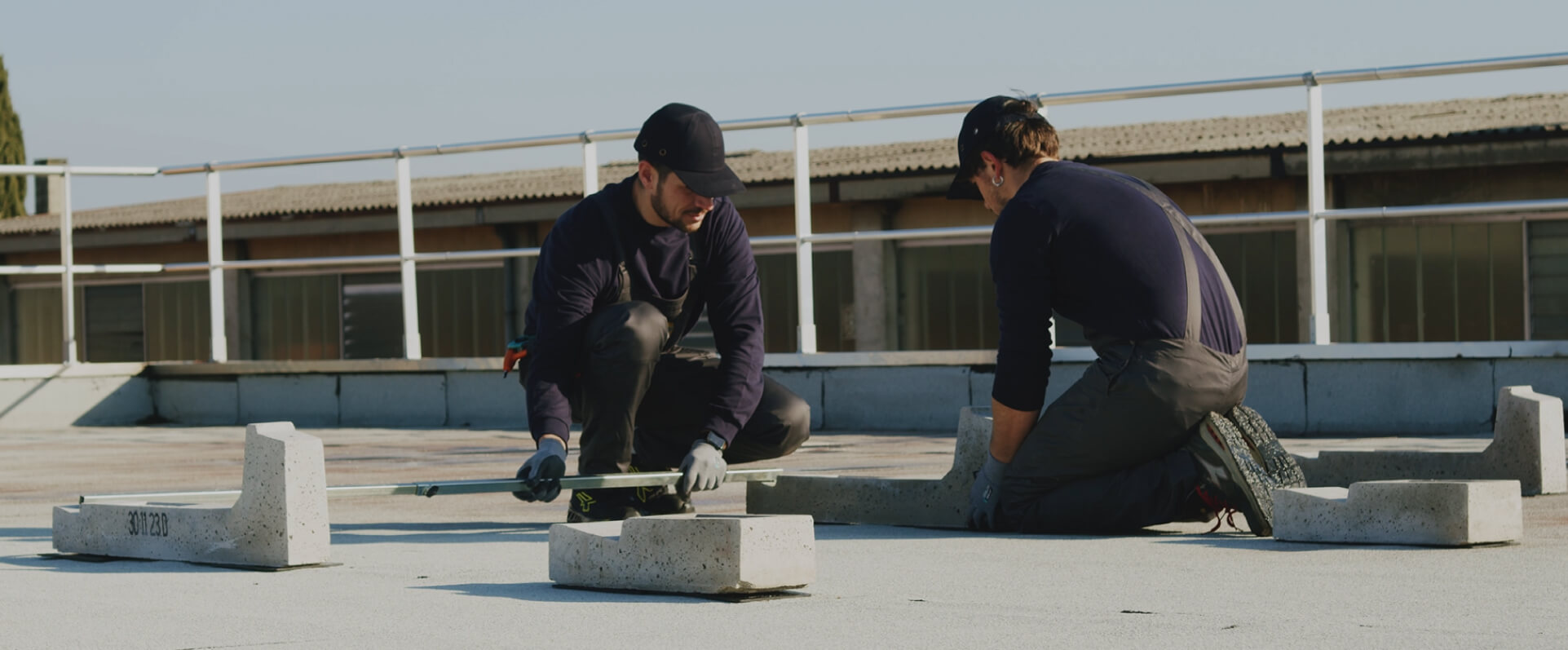
A no-penetration mounting system is persuasive for one simple
reason: it protects the roof. By avoiding anchor points, you reduce the probability of water
infiltration and limit warranty conflicts with roofing systems. Ballasted structures are also
intuitive in the field—position, align, clamp, and connect—helping crews install more kWp per
day. Because the ballast is engineered for PV applications, it supports consistent tilt angles,
stable module fixing, and reliable distribution of loads on the roof surface. This is especially
valuable in Italian projects where wind exposure, parapets, and rooftop obstacles vary widely.
With fewer accessories and a repeatable method, teams spend less time troubleshooting and more
time delivering energy. Distributors benefit too: a recognisable mounting system that is easy to
explain, stock, and support typically generates steadier demand among professional installers.
Technical Support and Sizing: From Design to
Execution
Beyond the hardware, the best mounting system is backed by real
technical partnership. Accurate plant sizing, wind and load checks, and layout guidance help
designers reduce responsibility risk and speed up approvals. For installers, having project
support from the early stages means fewer surprises during execution: correct quantities, clear
installation steps, and a smoother workflow on site. Look for solutions that are proven,
durable, and continuously improved—because innovation matters when you face new module sizes,
evolving regulations, and tighter deadlines. In practice, a complete approach combines:
engineering-grade data, assistance during planning, and commercial support that keeps projects
moving. If your goal is to make flat-roof solar in Italy easier, safer, and more efficient,
selecting a ballasted mounting system with integrated technical support is one of the most
effective decisions you can make.