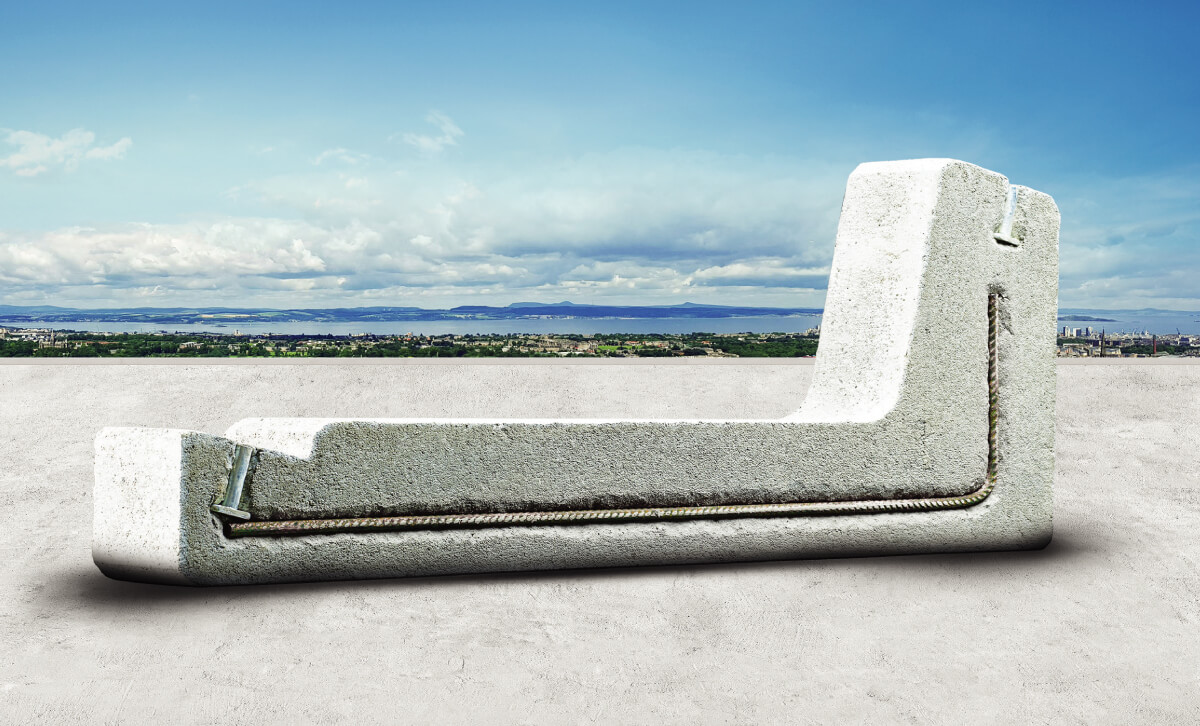
A Faster, Safer Mounting System for Solar
Modules on Flat Roofs
Choosing the right mounting system for solar modules can make or
break a flat-roof PV project—especially in Italy, where installers and designers need speed on
site, predictable performance, and fewer headaches with waterproofing. A ballasted solution
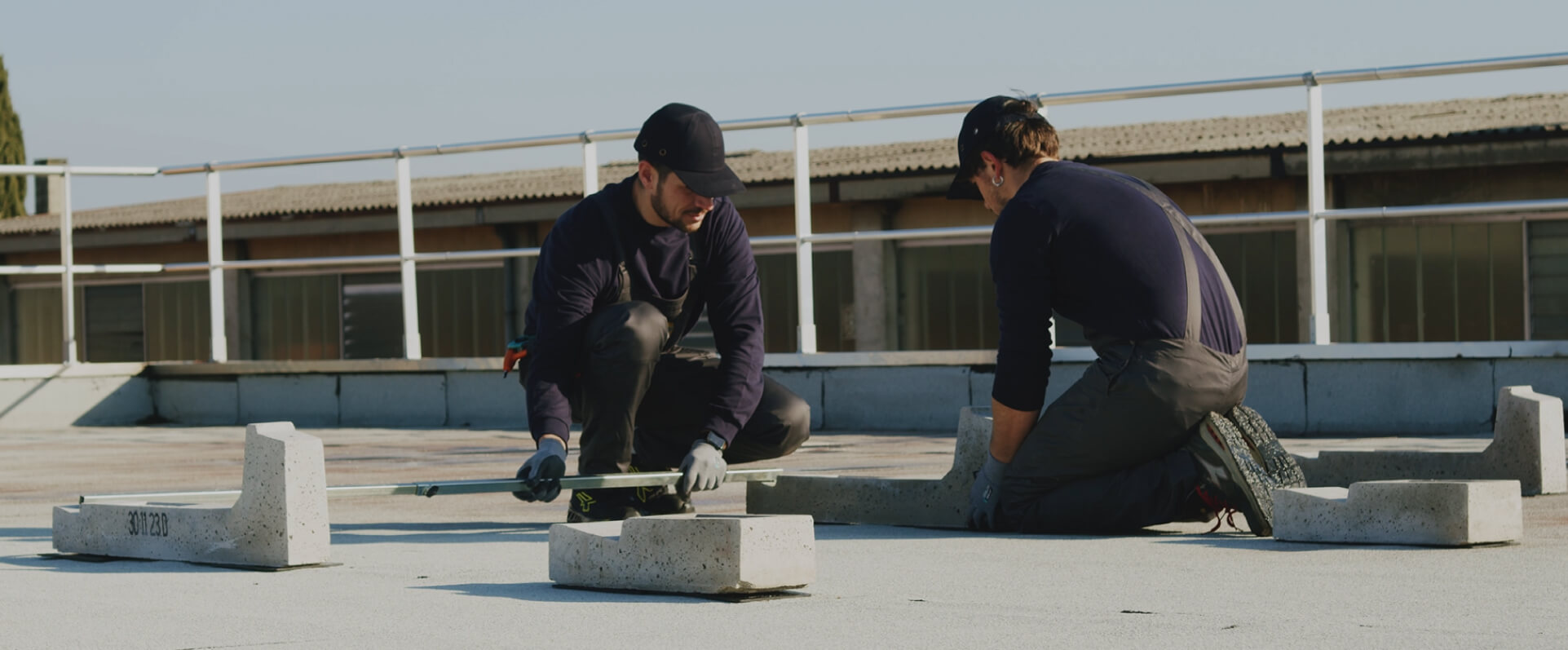
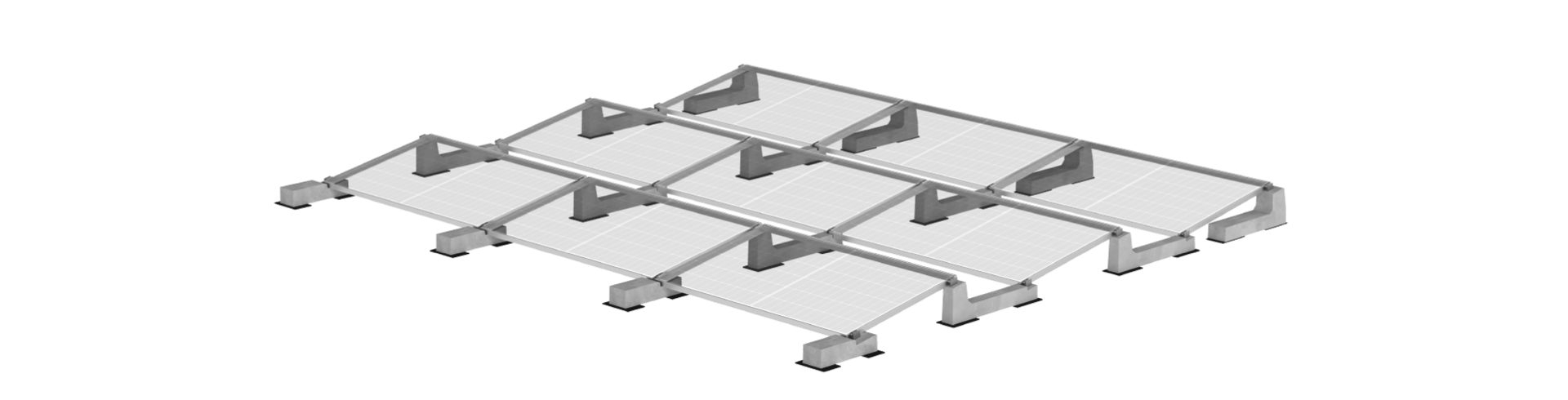
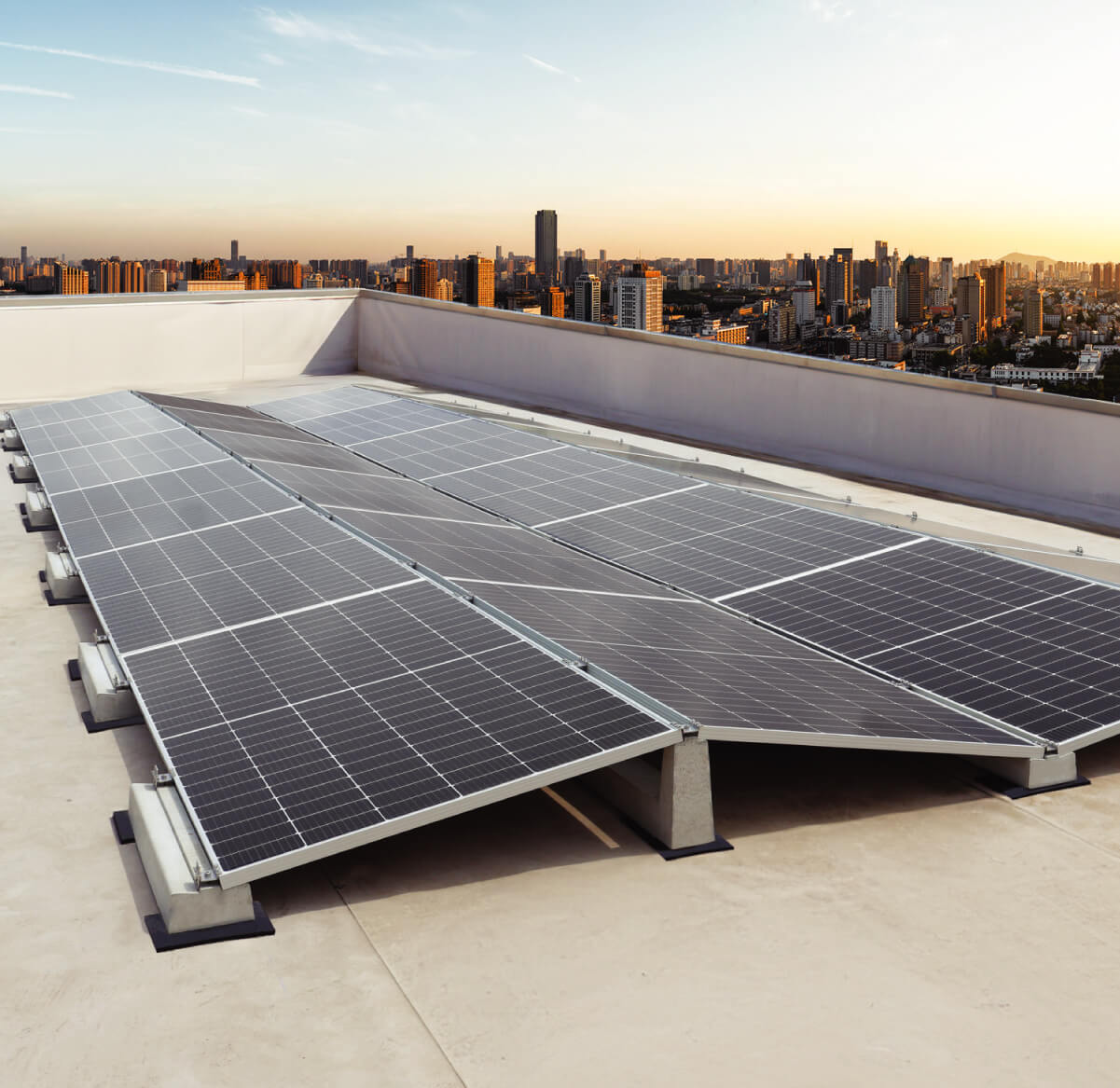
built around concrete weights helps you install solar panels without penetrating the roof
membrane, reducing the risk of leaks and cutting down on labor time. With fewer components and
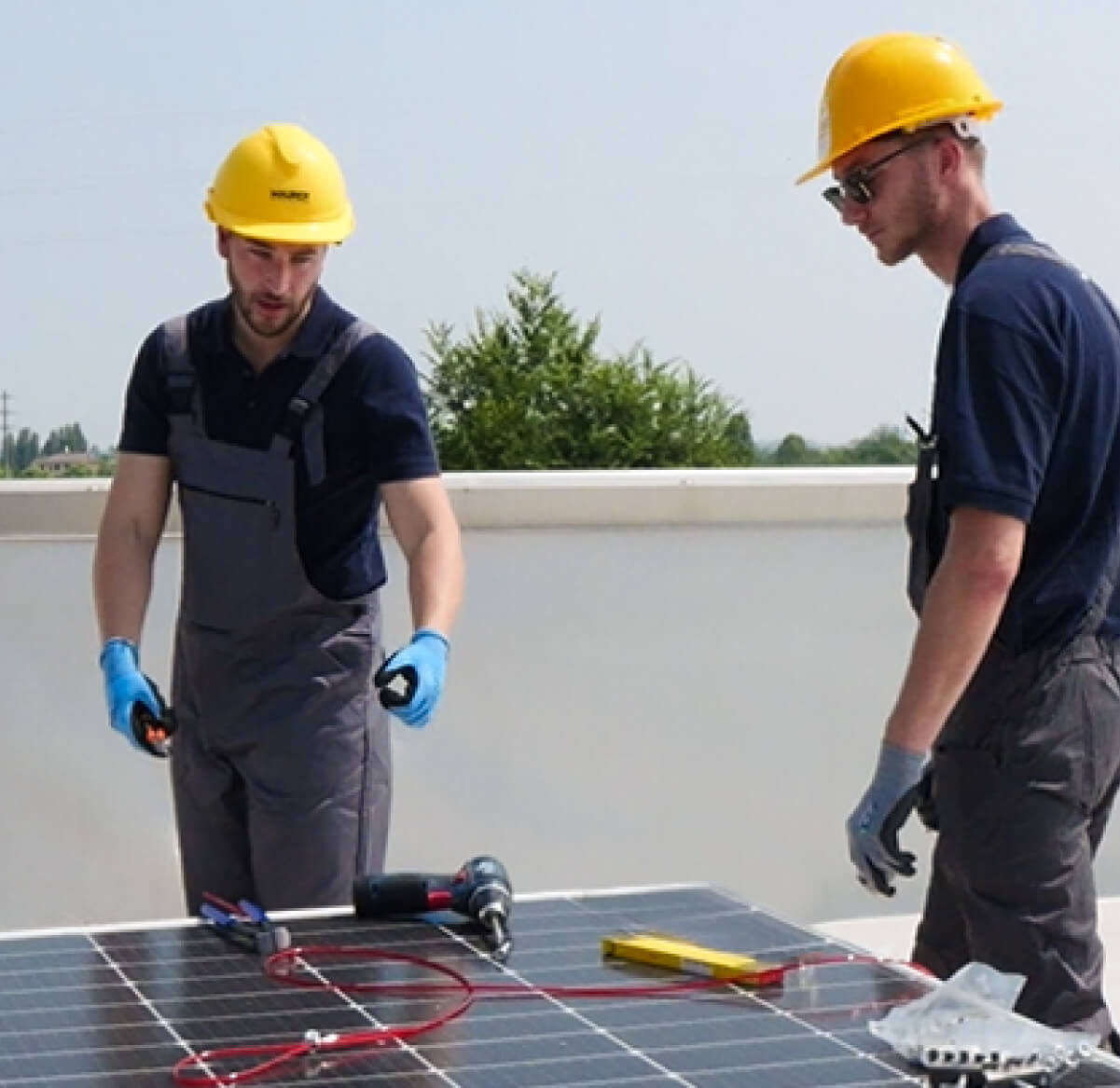
an intuitive layout, crews can position the supports, set module angles, and complete wiring
routes more efficiently. For rooftop owners, that translates into less disruption; for
installers, it means more jobs completed with the same team. For technical professionals, the
real advantage is control: a well-engineered ballasted PV racking system is designed to manage
wind uplift, distribute loads, and keep modules stable over time. Look for solutions that are
tested, durable, and suited to common flat-roof coverings. When your mounting system is designed
to simplify installation while respecting roof constraints, you get a cleaner build, faster
commissioning, and a system that inspires confidence from the first site visit to final
handover.
No Roof Drilling: Why Ballasted PV Structures
Reduce Risk
Flat-roof installations often fail at the same point: roof
penetrations. Every anchor can become a future maintenance issue, and every waterproofing detail
adds time and responsibility. A no-penetration mounting system for solar modules avoids these
pitfalls by relying on concrete ballast and smart geometry instead of mechanical fixing. This
approach helps protect the existing roof, supports rapid deployment, and reduces the complexity
of installation planning. It also simplifies logistics: fewer roof interventions, fewer
specialized tools, and a more repeatable workflow. For distributors, it is easier to present a
clear value proposition—recognizable product, strong demand, and a solution that solves real
jobsite problems. For installers, it means less troubleshooting and more predictable margins.
For designers and engineers, it’s a way to lower project risk by using proven configurations and
reliable technical data for load distribution and stability. In short, a ballasted solar
mounting solution aligns with what the market needs: safety, simplicity, and long-term
reliability.
Technical Partnership: From Design Support to
Installation Execution
In B2B photovoltaics, the best mounting system for solar modules
is more than hardware—it’s a complete, project-ready solution. Installers benefit most when the
supplier supports the job from early sizing to on-site execution: layout optimization, bill of
materials clarity, and guidance on wind and load considerations. For technical offices, having
dependable documentation and engineering assistance can streamline calculations and reduce
professional liability. The result is a smoother approval process and fewer last-minute design
changes. A strong partner also helps commercial teams by making the system easier to specify and
quote, with consistent availability and responsive support. When you combine robust concrete
ballasts, tested flat-roof PV mounting configurations, and practical technical assistance, you
create a workflow that saves time without sacrificing safety. If your goal is to install faster,
avoid roof damage, and deliver a tidy, durable PV array, choose a solution built specifically
for flat roofs in Italy—one that keeps installation simple, performance stable, and every
stakeholder confident from first drawing to final commissioning.