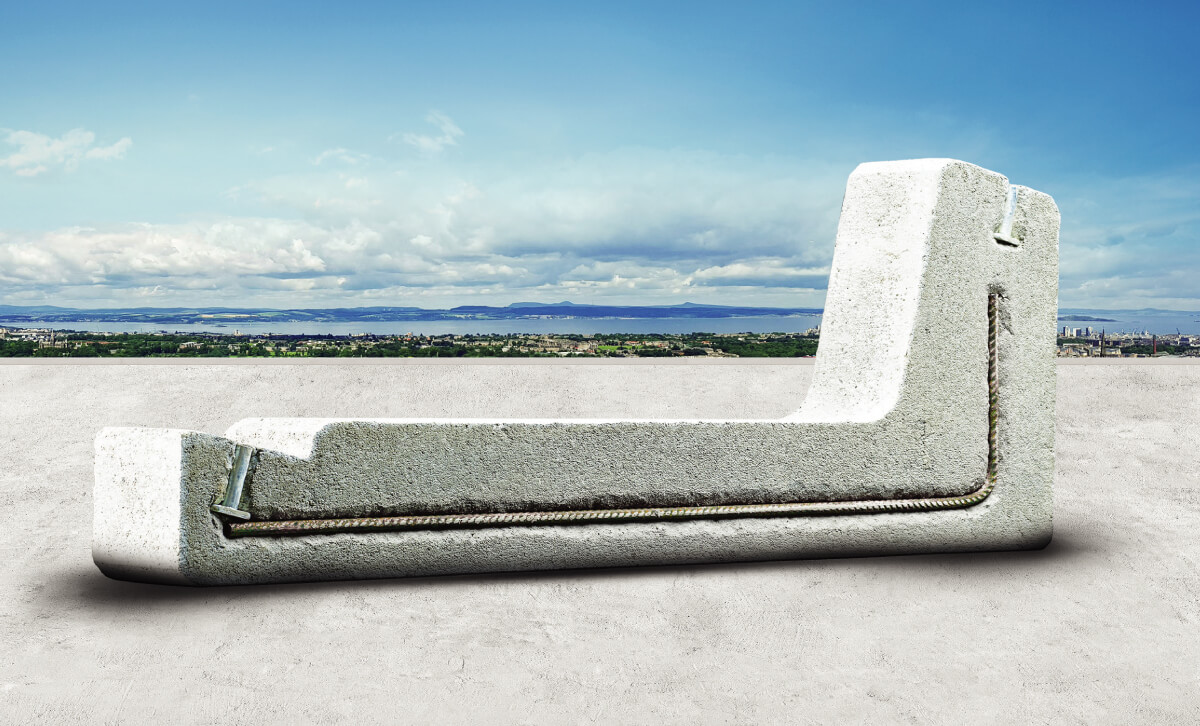
A Faster, Safer Mounting System for Solar
Panels on Flat Roofs
Choosing the right mounting system for solar panels can make or
break a flat-roof PV project—especially in Italy, where installers face tight deadlines, strict
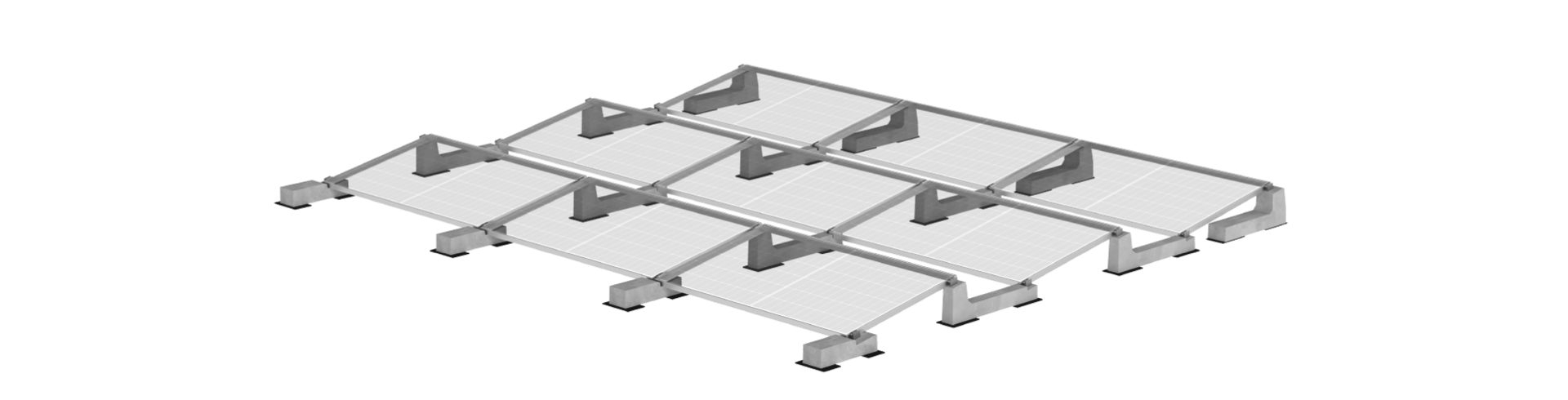
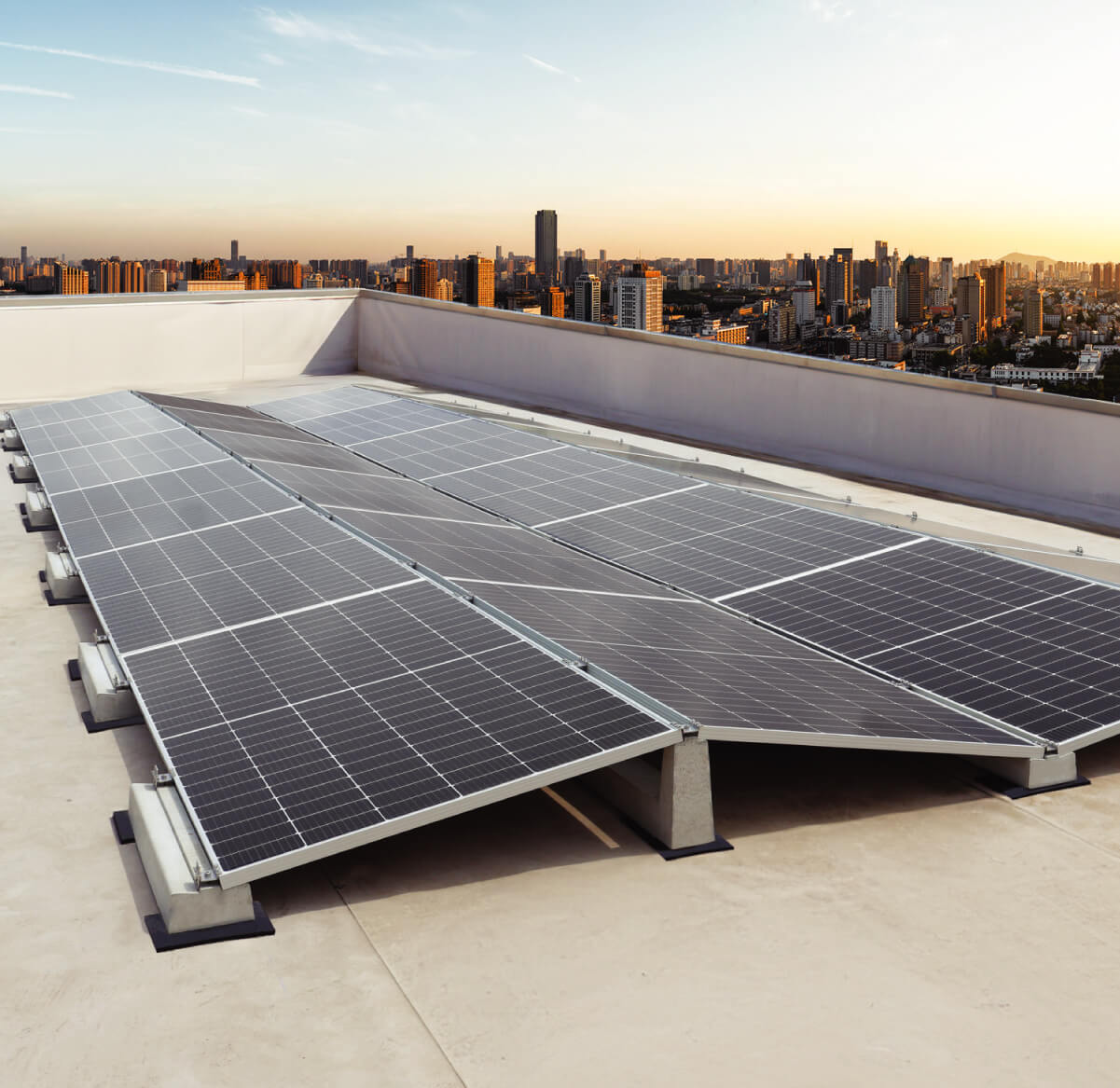
safety expectations, and demanding roof conditions. A non-penetrating, ballasted solution built
around concrete weights helps you avoid drilling the waterproof membrane, reducing the risk of
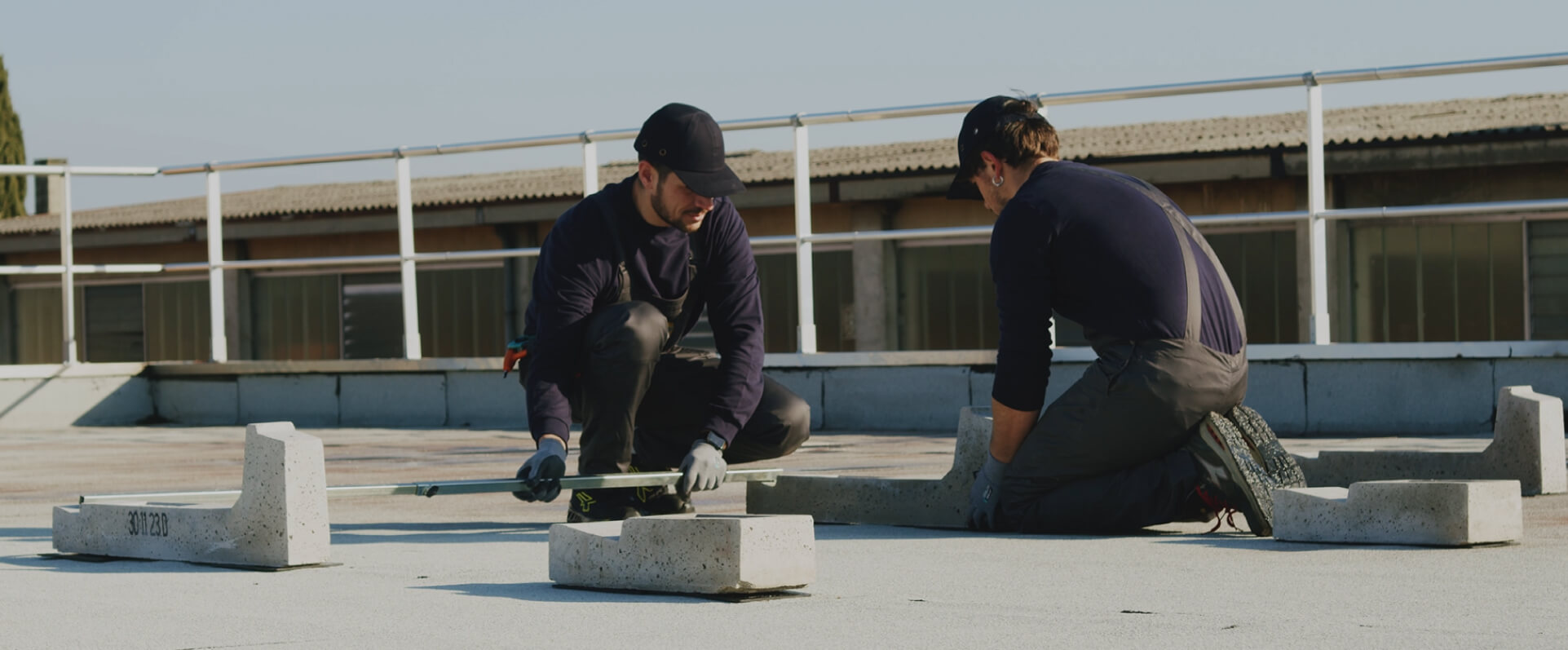
leaks and post-installation call-backs. With fewer components and an intuitive layout, crews can
move from delivery to array alignment quickly, keeping the jobsite cleaner and more predictable.
For professionals, the value is practical: faster positioning, simplified logistics, and a
structure designed for long-term stability. This approach is ideal for commercial roofs,
industrial sheds, and large-format installations where speed and repeatability matter. Beyond
the hardware, a complete solution should include guidance on layout, spacing, and typical
constraints found on flat roofs—parapets, drains, and limited access points. If your goal is to
install more systems per month without compromising reliability, a ballasted PV structure can be
the most efficient path. It’s not just about holding modules in place—it’s about making every
phase of the project smoother, from planning to commissioning. When the mounting system is
engineered to minimize complexity, your team spends less time solving problems and more time
delivering results.
Engineered Support: Wind Loads, Design
Confidence, and Certified Performance
Designers and technical offices need more than a generic PV
racking idea: they need dependable data for wind uplift, dead loads, and roof compatibility. A
well-designed mounting system for solar panels on flat roofs uses tested configurations and
clear documentation to support responsible engineering decisions. In practice, that means
reliable calculation inputs, predictable ballast behavior, and solutions that have been
validated for durability. Technical support during the design phase is a major advantage—helping
with system sizing, array geometry, and the most suitable tilt for performance and shading
control. For engineers, this reduces uncertainty and speeds up approvals; for installers, it
lowers the risk of last-minute changes on site. Concrete ballast systems also distribute loads
without concentrated anchoring points, which can be beneficial when working with sensitive roof
layers. The outcome is a PV mounting structure that feels “designed,” not improvised—one that
supports your project from preliminary study to execution with fewer surprises. When you can
rely on tested solutions and expert backing, you can deliver safer, more compliant installations
with confidence.
A Partner Approach for Installers,
Distributors, and B2B Projects in Italy
For installers, the best mounting system for solar panels is the
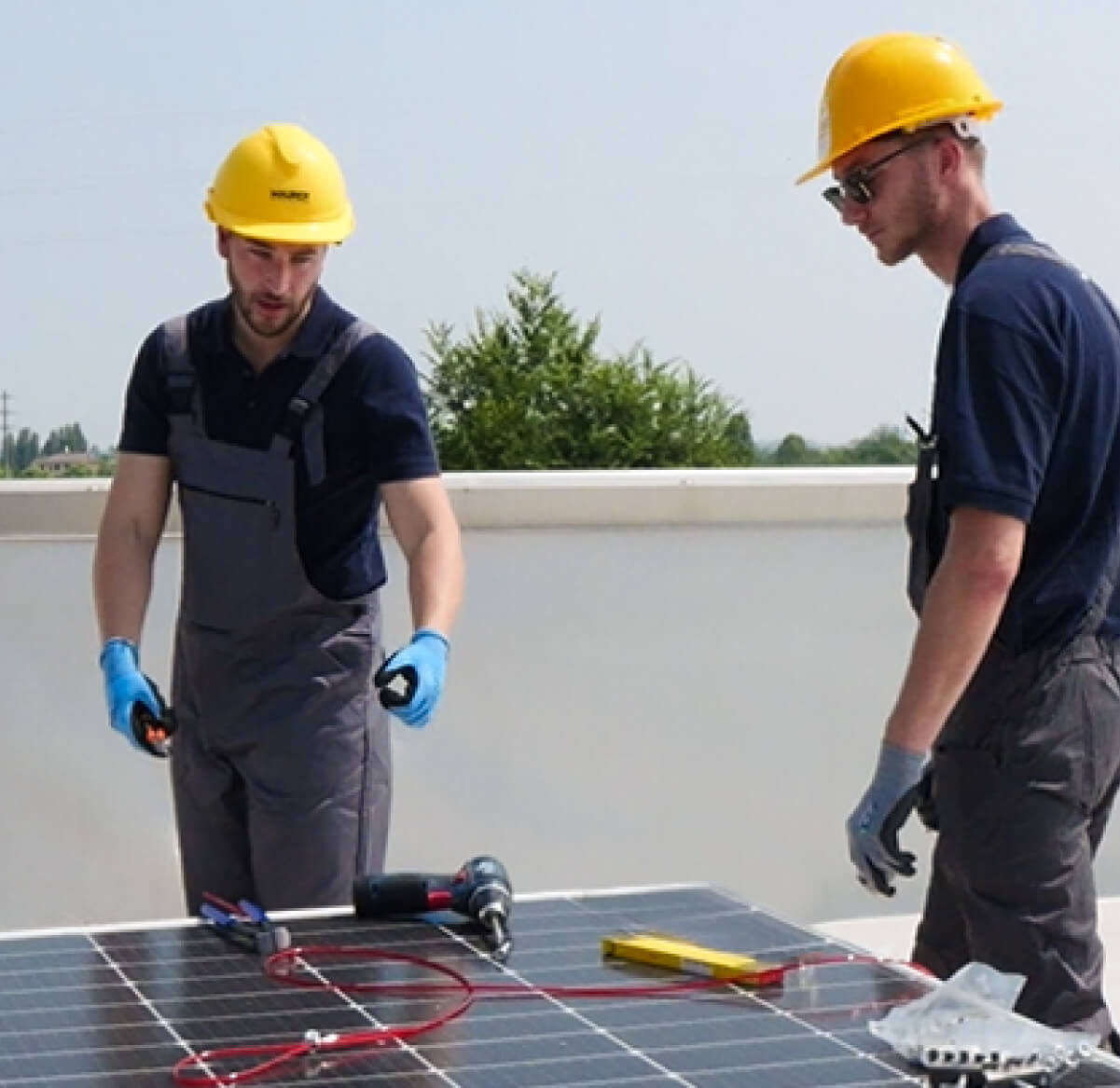
one that removes friction from everyday work: fewer parts to manage, clear installation steps,
and rapid assembly without roof penetrations. For distributors and wholesalers, it’s a product
that is easy to explain, consistently requested, and supported with technical and commercial
resources that help close deals. In the Italian B2B market, flat-roof PV is growing fast, and
customers expect solutions that are both reliable and straightforward. A concrete ballasted
system meets those expectations by combining stability with simplicity—helping teams standardize
their workflow across multiple sites. The real differentiator, however, is having access to
end-to-end support: technical guidance, project development assistance, and practical know-how
that continues through installation. That kind of collaboration turns a mounting structure into
a complete flat-roof PV solution—reducing complexity, saving time, and improving the quality of
the final result. If your priority is to deliver more projects with fewer headaches, a
non-penetrating, ballasted mounting system is a strategic choice for Italy’s rooftops—built for
speed, safety, and long-term performance.