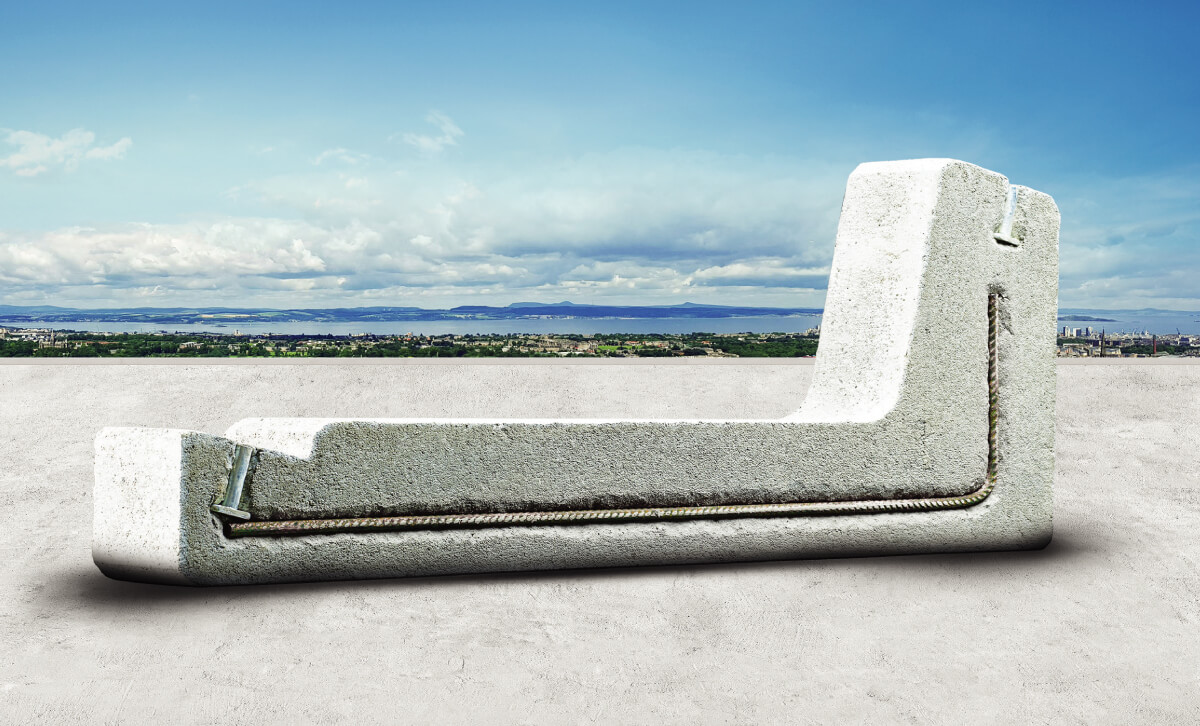
A Smarter Mounting Structure for Solar Panels
on Flat Roofs
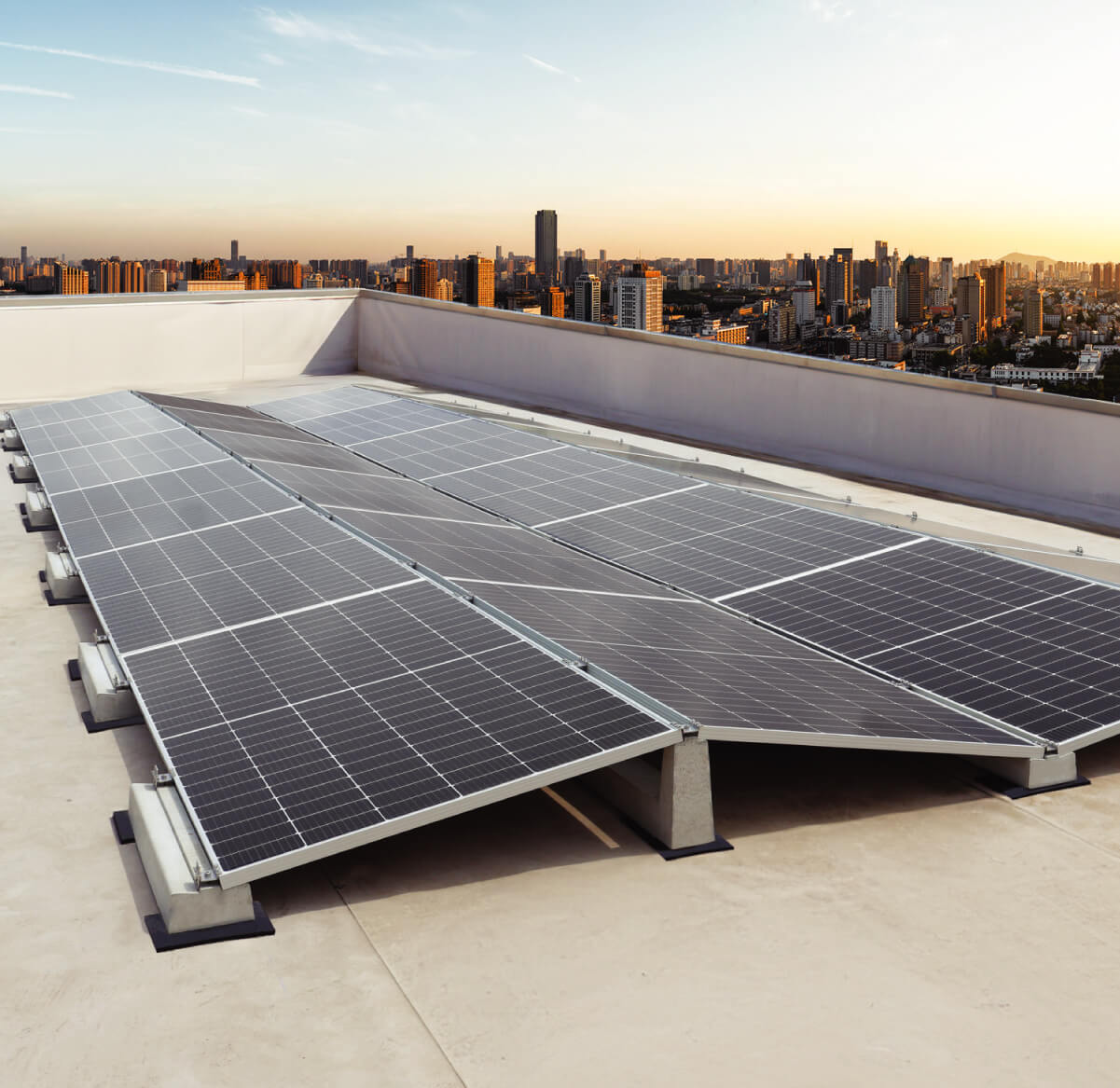
In Italy, flat roofs are one of the best surfaces for photovoltaic
systems—but only if you use the right mounting structure for solar panels. Installers and
designers know the usual pain points: too many components, long assembly times, and the constant
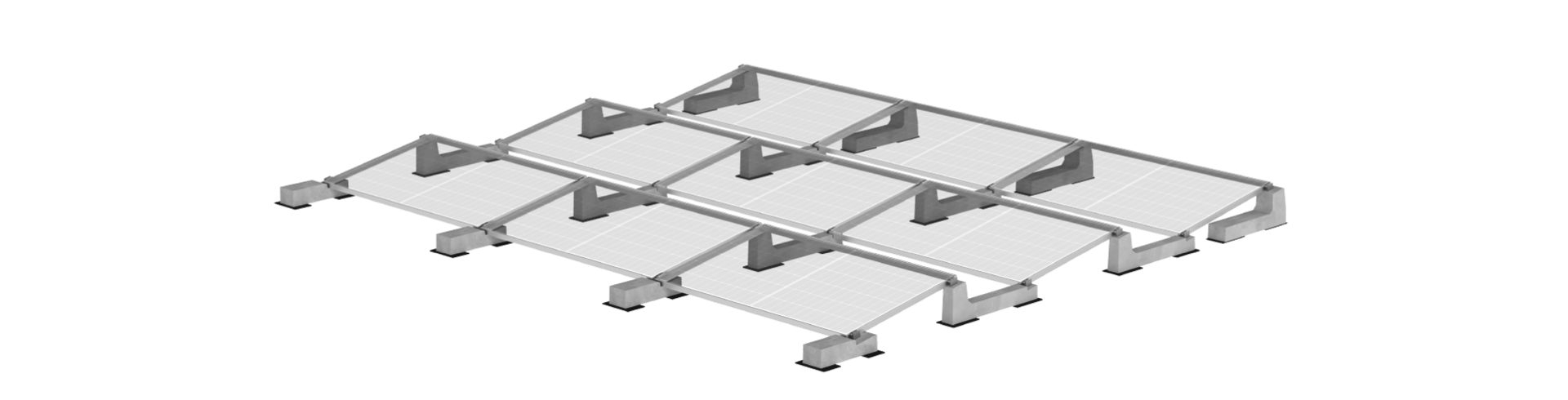
concern of waterproofing when penetrations are required. A ballast-based solution changes the
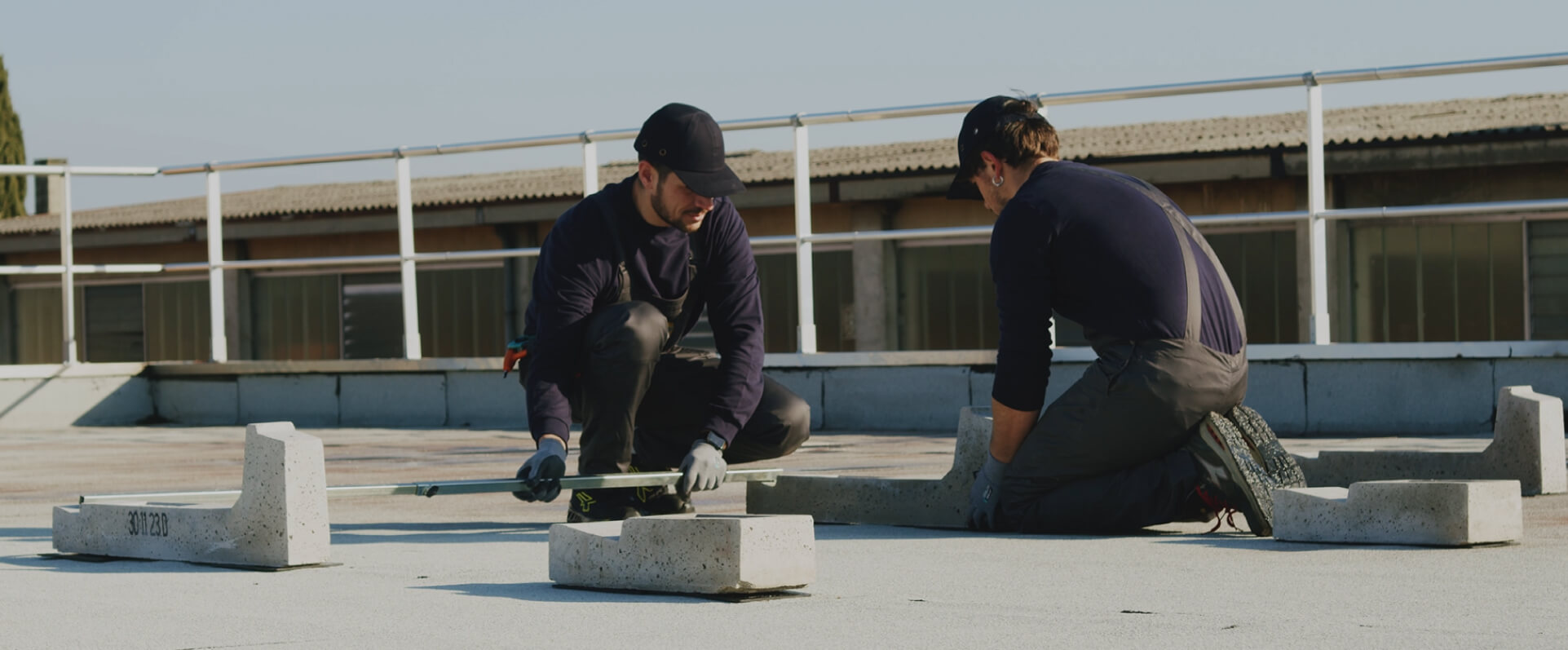
game. By using pre-engineered concrete weights, panels can be secured without drilling the roof
membrane, reducing risk and simplifying onsite work. The result is a cleaner installation
workflow, fewer surprises in the field, and a structure that feels purpose-built for real
rooftops, not just for catalog specs. For B2B professionals, reliability matters as much as
speed: a stable support system helps protect performance over time, even under wind loads
typical of many Italian regions. If your priority is to finish jobs faster while keeping the
roof intact, a non-penetrating solar mounting system is the practical choice—especially when
it’s backed by solid testing and a team that understands flat-roof constraints.
Faster Installation, Fewer Components, Lower
Site Risk
A modern mounting structure for solar panels should reduce
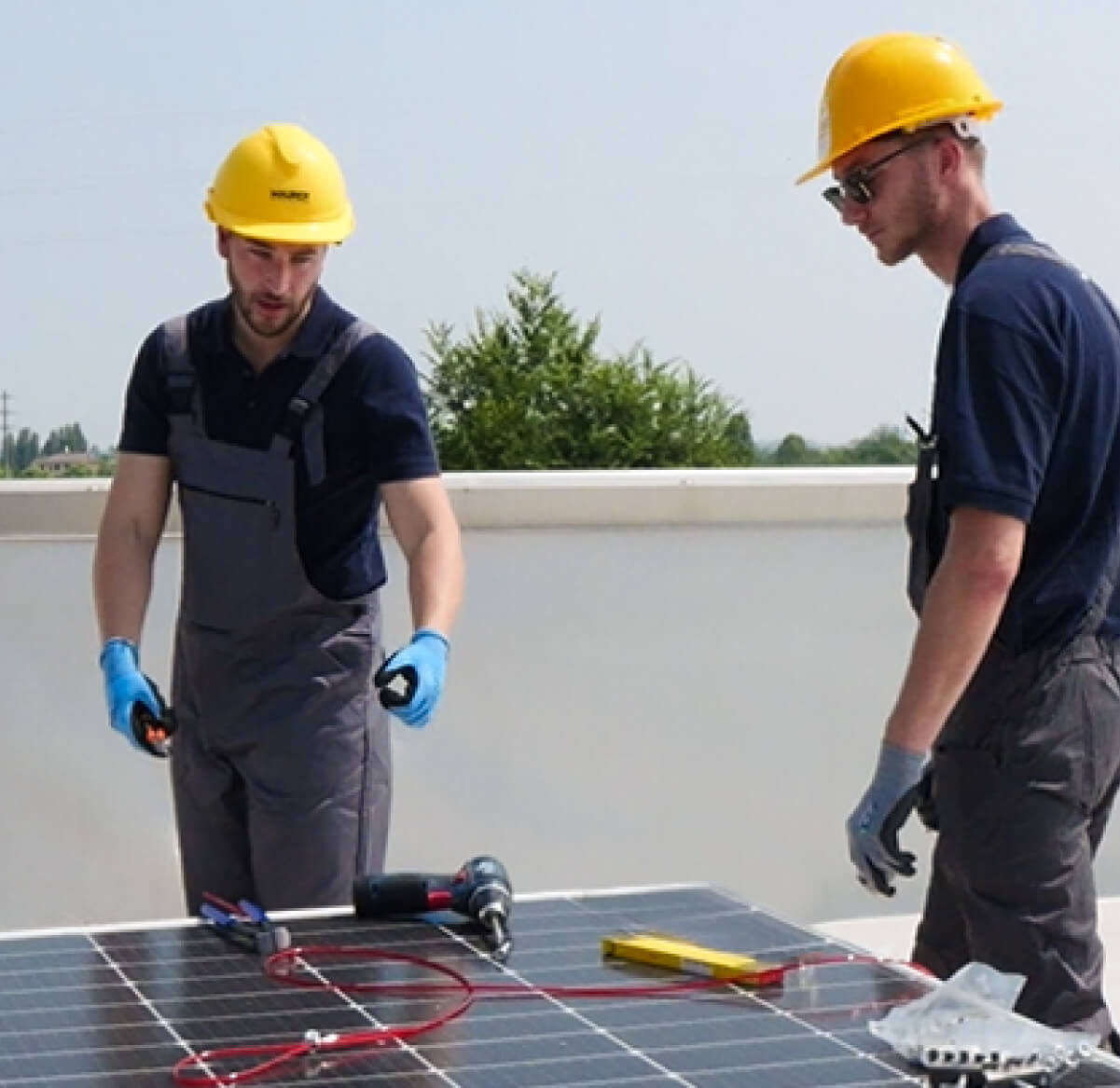
complexity, not add to it. Ballasted photovoltaic mounting systems are designed to be intuitive:
fewer parts to manage, straightforward positioning, and no need to coordinate waterproofing
repairs after drilling. This is a major advantage for installers who want to increase daily
productivity and minimize call-backs. For technical offices, it also means consistent,
repeatable installations with predictable results. Key benefits include rapid layout on the
roof, stable support without invasive anchors, and compatibility with common PV modules used
across the Italian market. When timelines are tight and crews are small, every avoided step
matters. Choosing a flat-roof solar racking solution that is engineered around speed and
simplicity can cut installation time significantly while maintaining safety and long-term
durability.
Technical Partnership: Design Support, Sizing,
and Project Execution
Beyond the hardware, what professionals often need is confidence:
verified data, clear load assumptions, and support when wind, spacing, and roof constraints get
complicated. The best mounting structure for solar panels comes with real technical
assistance—help during design, system sizing, and guidance through to execution—so installers
can work faster and engineers can reduce responsibility risk. A tested ballasted system with
documented performance helps streamline calculations and decision-making, especially on large
commercial roofs. For distributors, it’s easier to sell a recognizable solution that solves a
common problem: secure PV mounting on flat roofs without penetrations. If you’re looking for a
dependable, no-drill approach that keeps projects moving and roofs protected, a concrete-ballast
solar mounting solution is a persuasive, professional-grade option for Italy.