Why a Modular Solar Panel System Makes
Flat-Roof PV Easier
Installing PV on flat roofs in Italy often means balancing speed,
safety, and long-term reliability—without turning the jobsite into a puzzle of rails, fasteners,
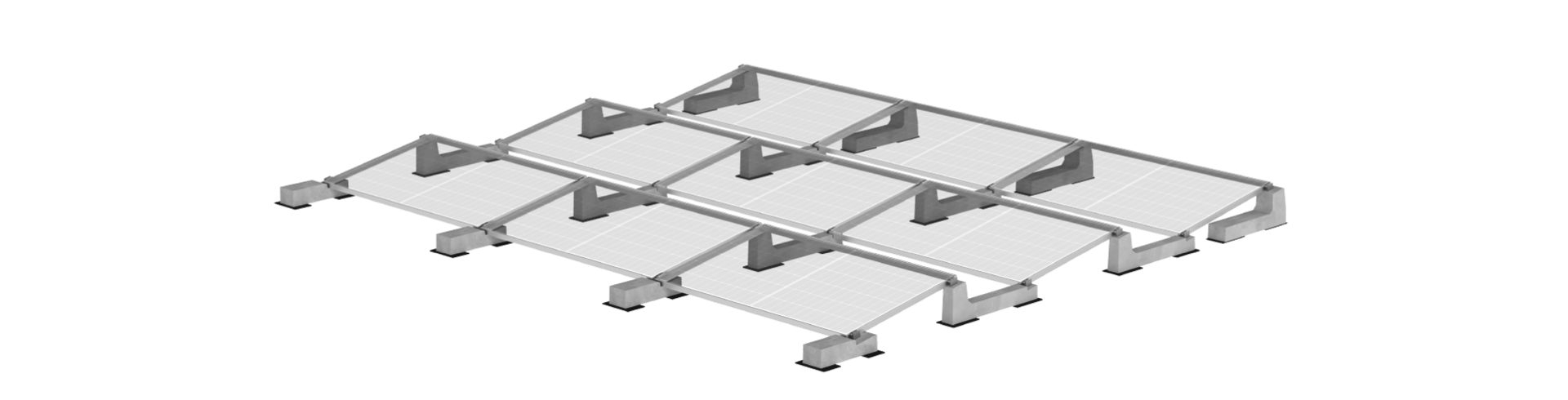
and waterproofing details. A modular solar panel system solves many of these headaches by using
pre-engineered, repeatable components that fit together with minimal adjustment. For installers,
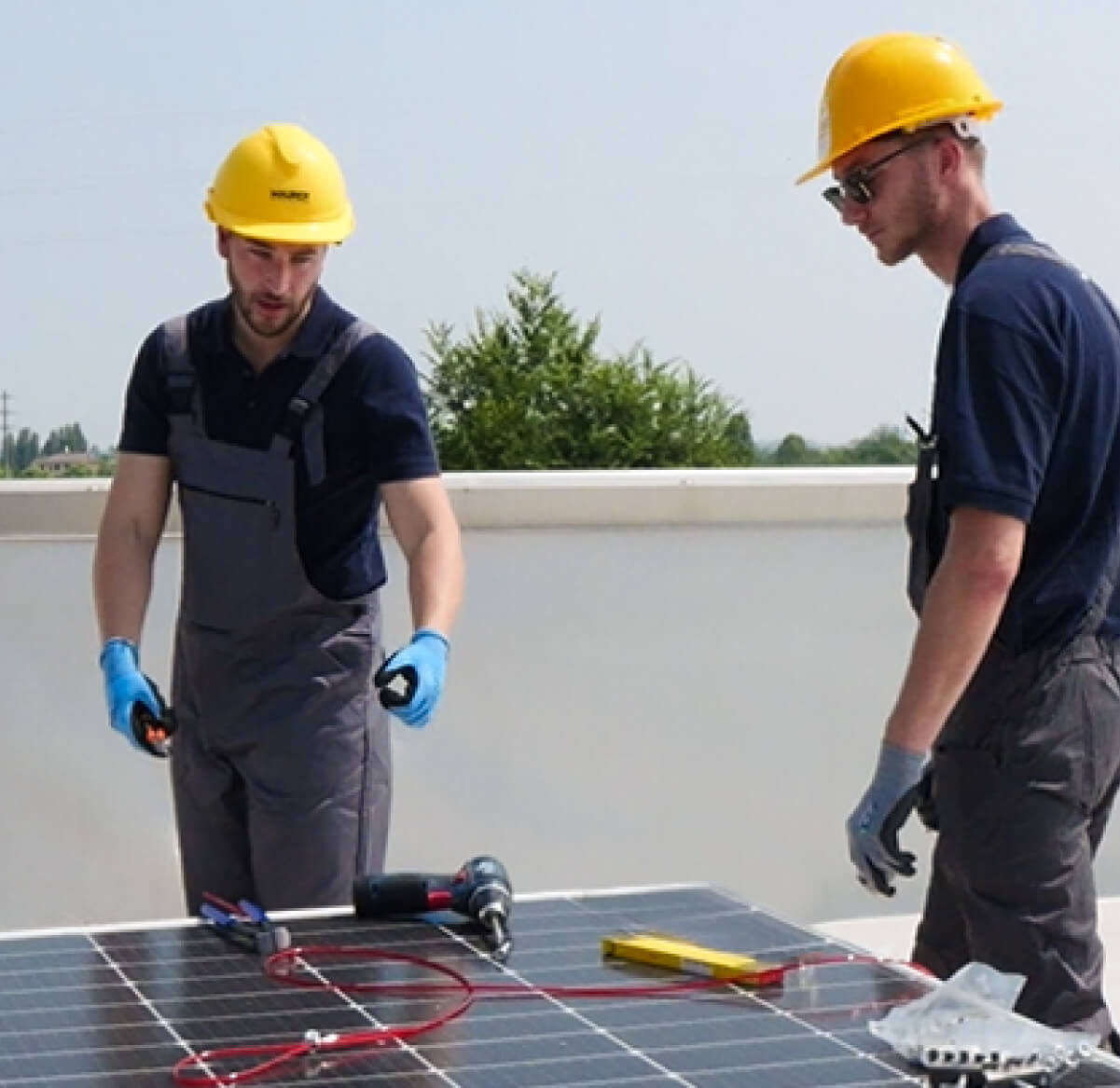
that translates into faster assembly, fewer parts to manage, and a cleaner workflow from
delivery to commissioning. For designers and engineers, modularity supports consistent layouts
and predictable loads, making it easier to document choices and reduce uncertainty. The biggest
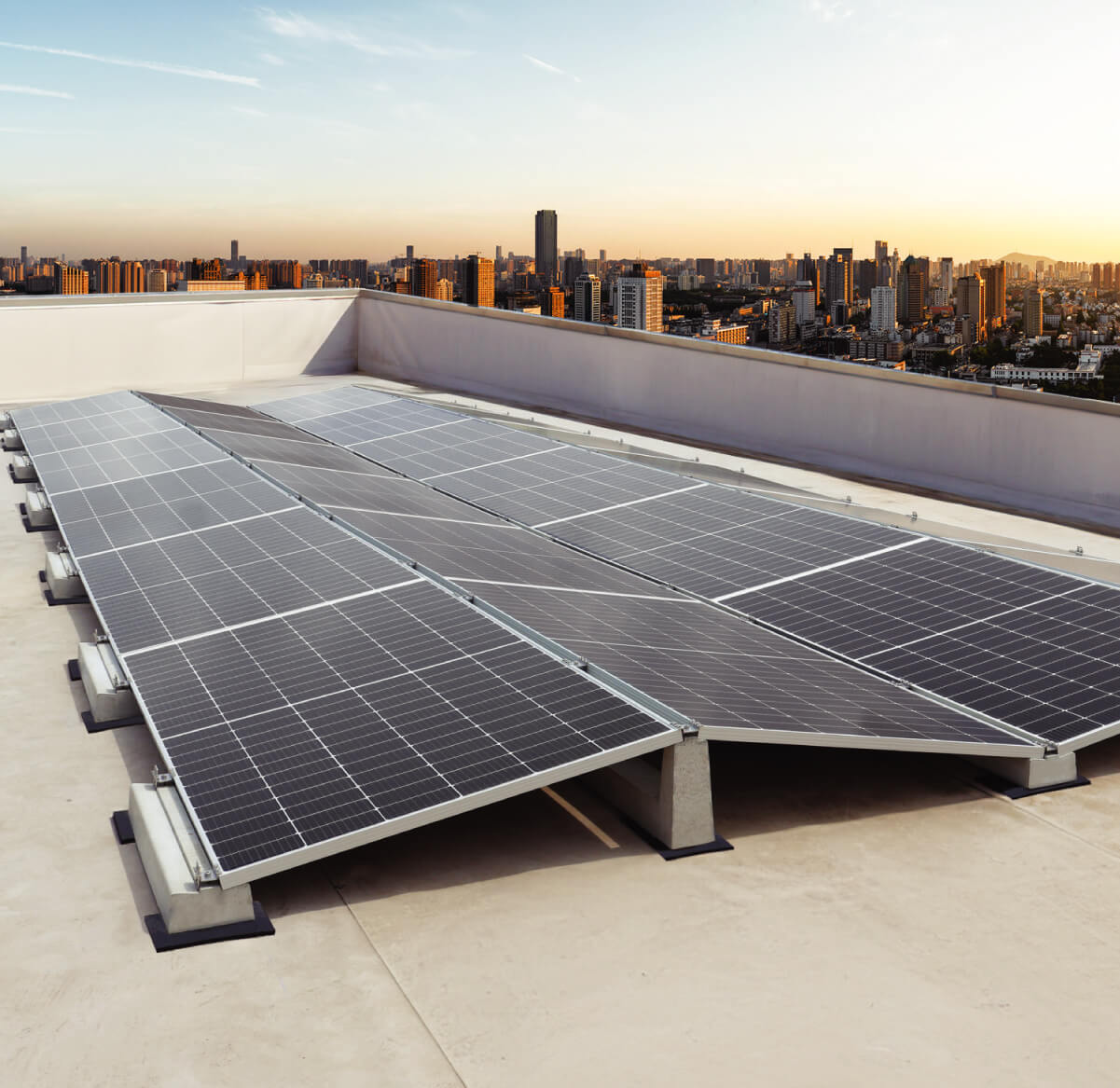
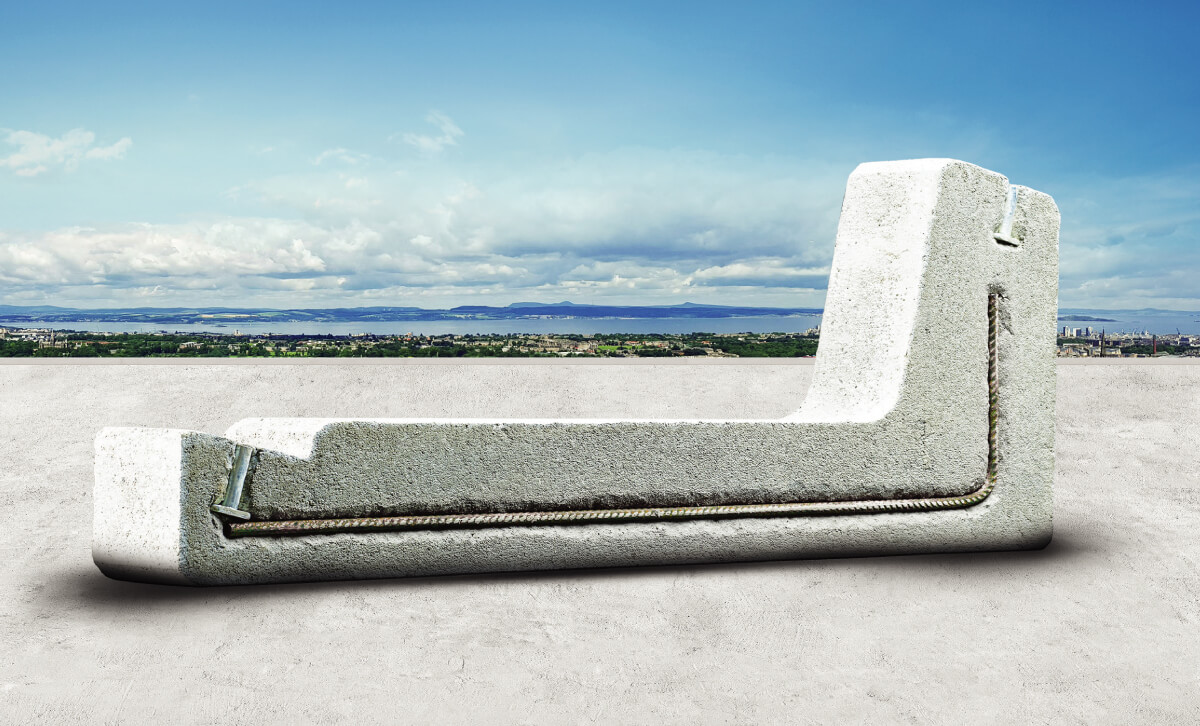
advantage, especially on membrane and bituminous flat roofs, is avoiding roof penetrations: with
ballast-based supports, panels can be secured without drilling the waterproof layer. That means
fewer risks of leaks, less time spent on sealing, and simpler coordination with roofing
constraints. In short, modular solutions are not just “convenient”—they’re a practical way to
standardize quality across projects while keeping installation times under control. When you’re
working against tight schedules and demanding clients, choosing a modular approach can be the
difference between a smooth install and a costly on-site workaround.
Key Benefits Installers and Designers Look For
A modular solar panel system for flat roofs should deliver three
things: speed, certainty, and durability. Speed comes from simplified mounting: fewer structural
components, intuitive assembly, and reduced measuring and cutting. Certainty comes from tested
configurations that help manage wind uplift, roof loads, and array geometry—critical for
technical offices responsible for calculations and compliance. Durability comes from robust
materials and stable supports that maintain performance over time with minimal maintenance. In
Italy’s varied wind zones and rooftop conditions, having access to technical support during
design—layout optimization, correct sizing, and documentation—reduces errors and makes approvals
smoother. Distributors also benefit from modularity: a recognizable solution that’s easier to
stock, explain, and sell because the value proposition is clear. Look for related features such
as concrete ballast supports, no-penetration mounting, quick installation, certified
performance, and compatibility with common PV module formats. When these elements come together,
the system becomes more than a product: it becomes a reliable method for delivering repeatable
results across many roofs and many projects.
A Smarter Way to Deliver Flat-Roof Solar in
Italy
If your goal is to install more systems with fewer complications,
a modular solar panel system is a strong strategic choice. It helps crews work faster, reduces
on-roof decision-making, and limits the risks tied to drilling and waterproofing. It also
supports better project planning: standardized components make logistics easier, while proven
ballast solutions enable stable arrays without compromising the roof. For engineering teams,
having dependable data and project assistance can lighten the workload around wind, loads, and
layout decisions—especially when deadlines are tight. And because the approach is scalable, it
fits small commercial rooftops as well as large industrial sheds. The key is selecting a
solution designed specifically for flat roofs, with solid, tested supports and a partner-style
level of technical and commercial assistance from concept to execution. Explore practical
flat-roof mounting solutions and see how a modular approach can help you deliver safer, quicker
installations—while keeping quality consistent on every job.