Why a Modular Solar Panel Mounting Structure
Is a Smart Choice on Flat Roofs
In Italy, flat-roof PV projects often come down to one thing:
installing quickly without creating future problems on the waterproof membrane. A modular solar
panel mounting structure answers both needs by combining flexible design with straightforward
on-site assembly. Instead of complex, multi-part racking that slows crews down, a modular
approach uses repeatable components and clear layout logic, so installers can keep a steady pace
from the first row to the last. Just as important, many modern flat-roof solutions rely on
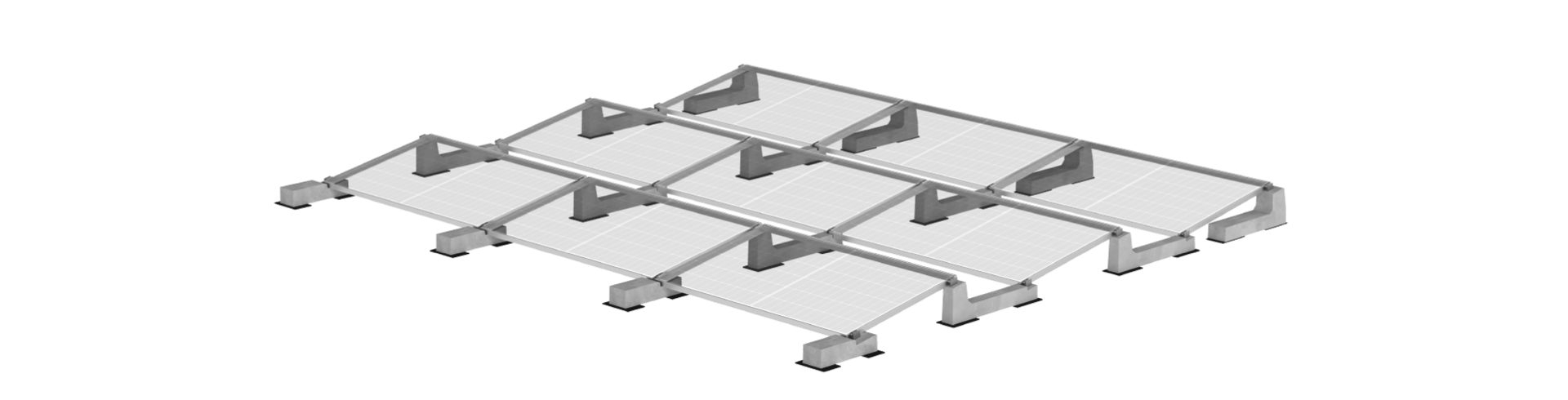
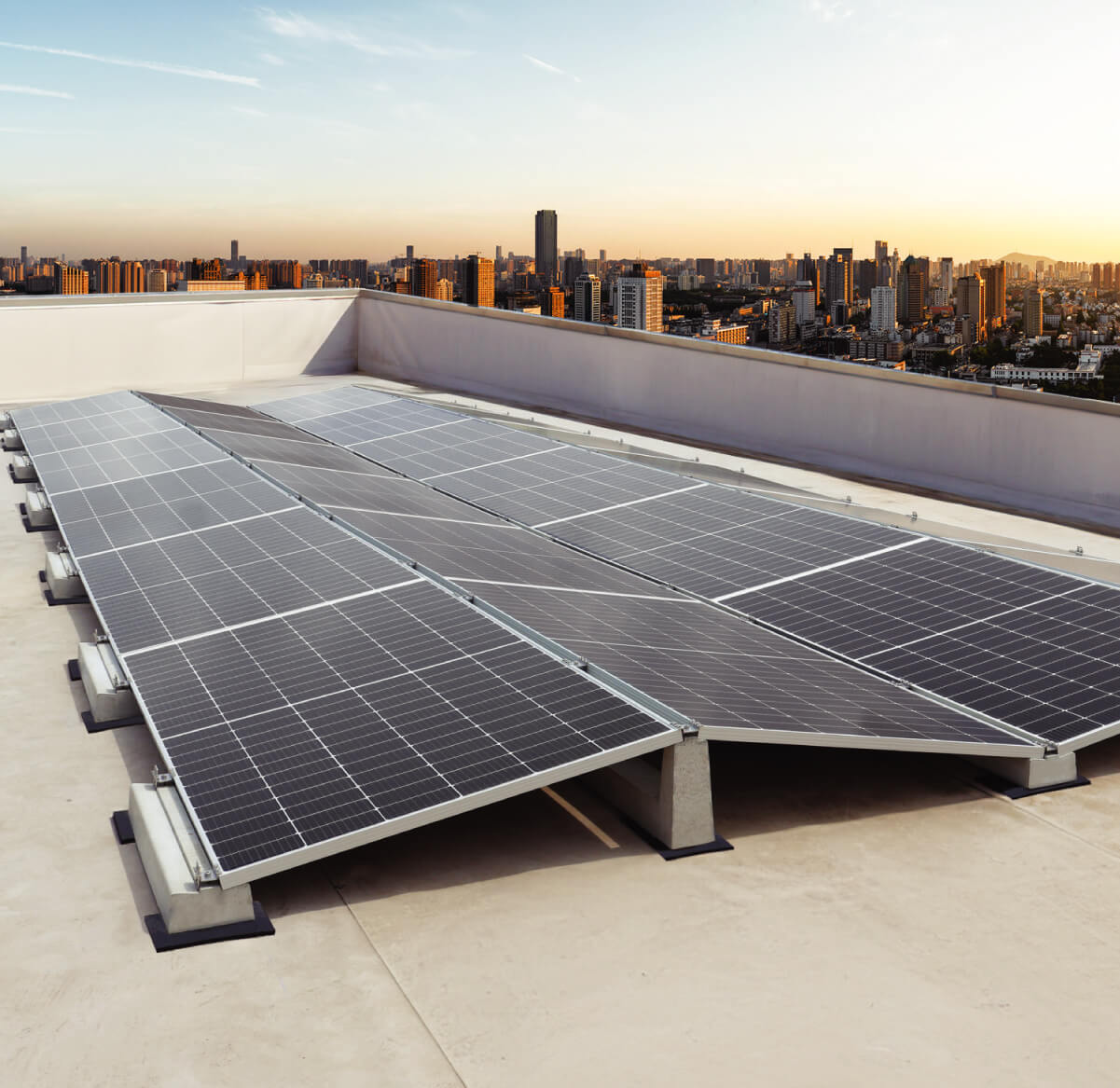
ballasted mounting—using pre-engineered concrete weights to stabilize the array—so you can avoid
roof penetrations in most standard applications. That means fewer leak risks, fewer callbacks,
and less time spent coordinating with roofing contractors. For designers and engineers, modular
PV mounting helps standardize load distribution and simplifies the documentation needed for wind
uplift and structural checks. For distributors, it’s easier to stock and explain because the
system is intuitive and widely applicable. If your priority is a reliable photovoltaic mounting
system that keeps the job site clean, reduces assembly time, and supports long-term durability,
a modular solar panel mounting structure is one of the most practical upgrades you can specify
for flat roofs across the Italian market.
Faster Installation, Fewer Components, Less
Roof Risk
Speed matters on every commercial rooftop. A well-designed modular
solar panel mounting structure reduces the number of loose parts, limits the need for
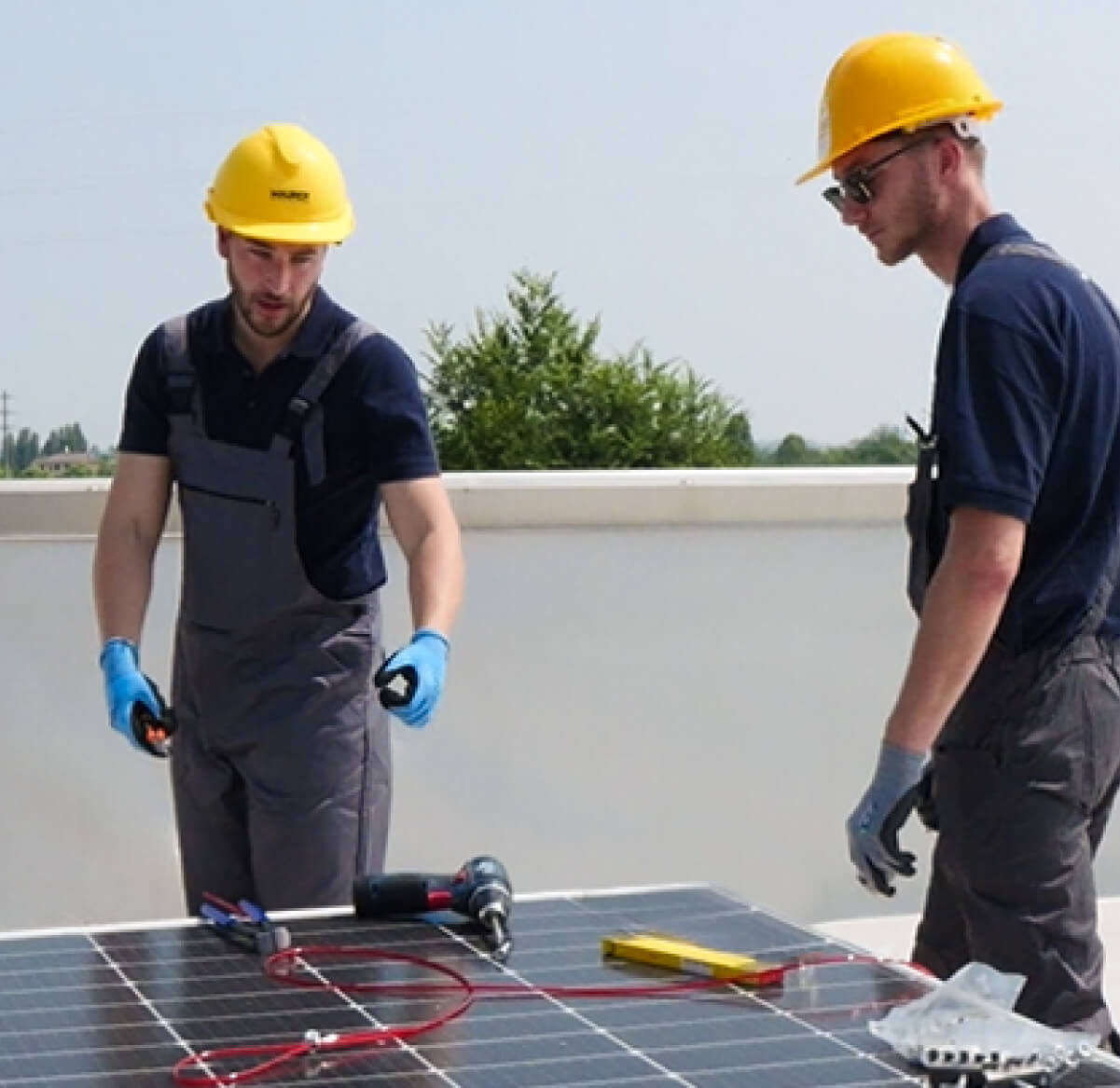
specialized tools, and keeps installation steps predictable. Crews typically appreciate
solutions where positioning, row spacing, and panel fixing are consistent—because consistency is
what drives productivity. Ballasted racking also helps streamline logistics: you place the
supports, align the modules, and proceed without drilling into the roof surface. This approach
can be especially valuable when the roof is new, recently refurbished, or covered by warranties
that discourage penetrations. In addition, modular layouts can support common configurations
such as south-facing tilt or optimized spacing strategies, depending on shading constraints and
energy goals. The result is a flat roof solar mounting system that feels practical on day one
and stays dependable over time, even as weather exposure, thermal cycles, and maintenance access
become real-world factors.
Engineering Support and Proven Performance for
B2B Professionals
A modular solar panel mounting structure is not just hardware—it’s
a method that should come with clear technical data. Installers benefit when the system is
backed by tested solutions and straightforward guidelines for assembly and cable management.
Designers need dependable inputs for calculations: ballast quantities, aerodynamic behavior, and
load paths that make sense for flat roofs. When technical support is available during design and
sizing, it reduces uncertainty and helps you deliver compliant, bankable PV installations. That
partnership approach is particularly valuable in B2B projects where timelines are tight and
responsibility is shared across stakeholders. If you’re evaluating racking systems for Italy,
look for a solution that combines robust concrete ballasting, modular repeatability, and
practical documentation—so you can quote faster, design with confidence, and install without
complications. With the right modular strategy, flat-roof photovoltaics become simpler to plan,
safer to execute, and easier to scale across multiple sites.