Why a Low Tilt Solar Mounting System Makes
Sense on Italian Flat Roofs
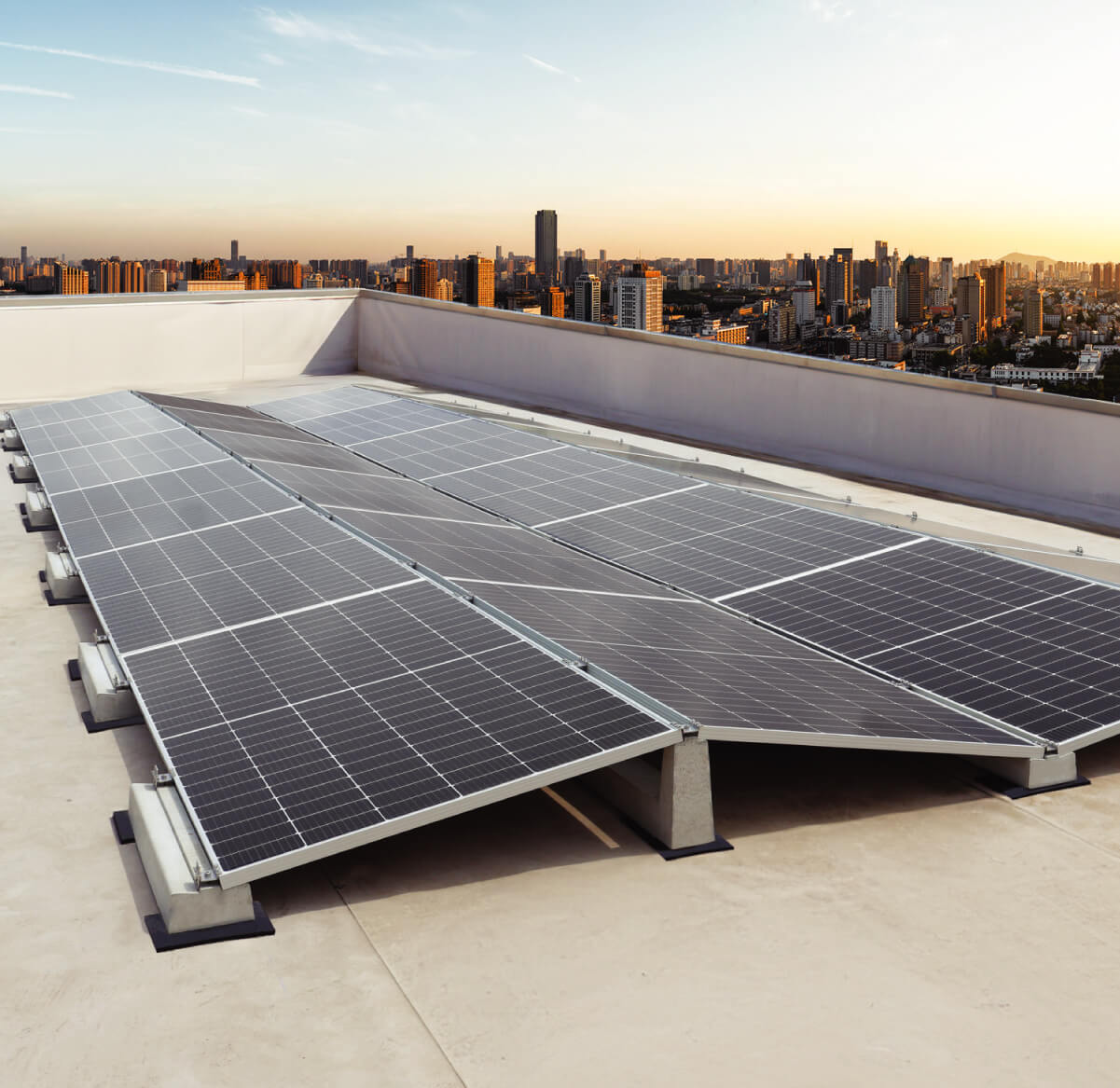
For many commercial and industrial buildings in Italy, flat roofs
are the perfect place to add photovoltaics—until the mounting becomes the bottleneck. A low tilt
solar mounting system is designed to keep panels close to the roof, reducing wind exposure while
still improving energy yield compared to completely flat layouts. For installers, that often
translates into fewer surprises on site and a cleaner, more predictable workflow.
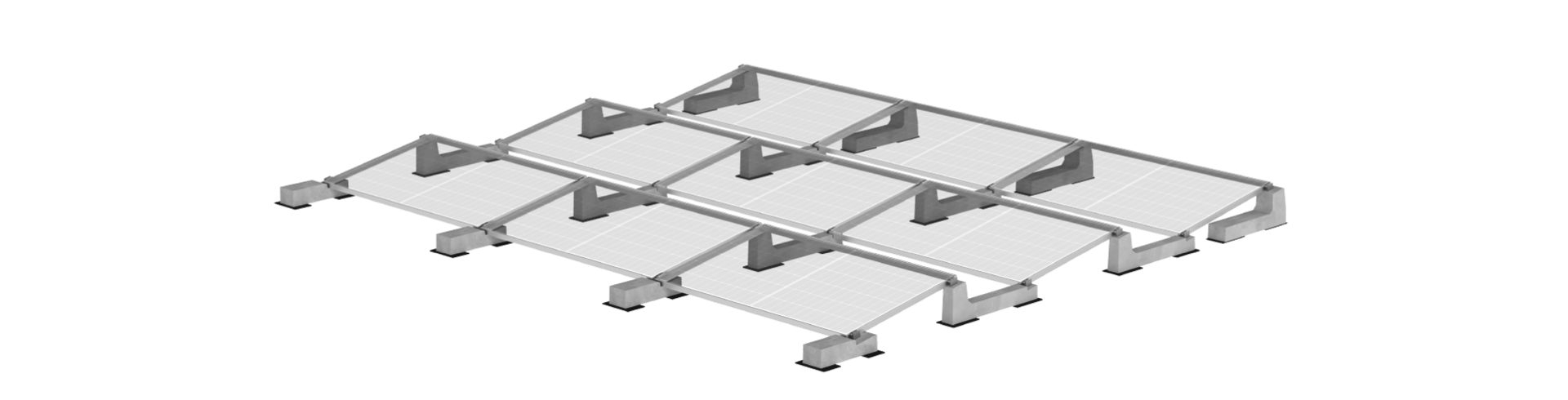
A key advantage is avoiding roof penetrations. With a ballast-based approach, modules are
secured using concrete weights rather than invasive fixings, helping protect waterproof
membranes and reducing leak risk. That means faster installation, less paperwork around roof
warranties, and simpler coordination with other trades.
From an engineering perspective, low tilt configurations can support better load distribution
and easier compliance with wind and structural requirements—especially when the system is backed
by verified data. For distributors, it’s a solution that’s straightforward to explain and
consistently requested: a reliable, quick-to-deploy option for flat-roof PV projects across
Italy.
If your priority is speed, safety, and repeatable results, choosing a low tilt solar mounting
system is a practical step toward more efficient installations and fewer callbacks.
Ballasted, No-Drill Design: Speed for
Installers, Confidence for Engineers
A modern low tilt solar mounting system for flat roofs often
centers on concrete ballast: the structure and the weight work together to keep the array stable
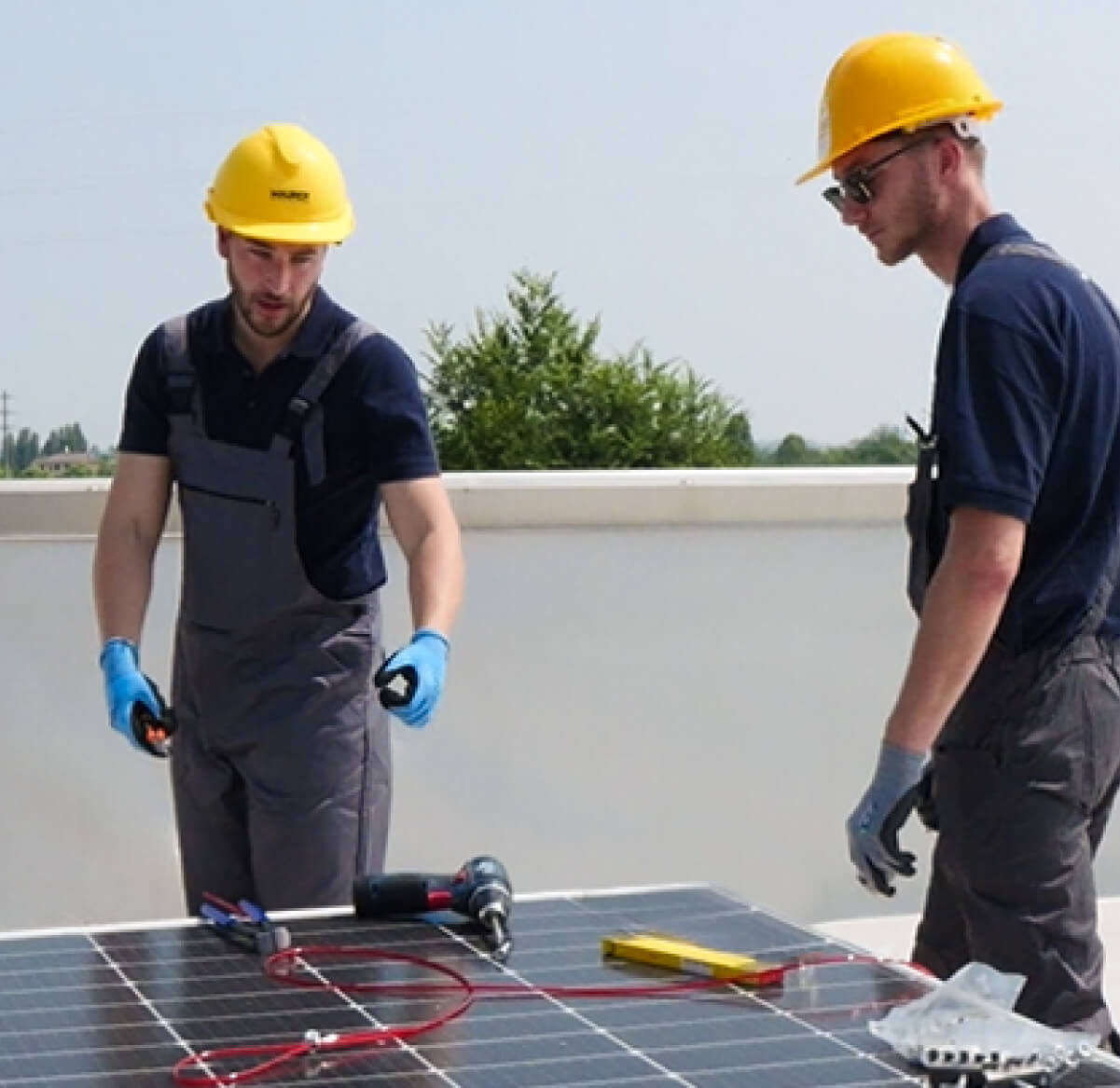
without drilling into the roof. For PV installers, fewer components and intuitive assembly can
shorten installation time and reduce the risk of errors. Less time spent aligning complex frames
or managing roof fixings means more projects completed per month.
For designers and engineering offices, the biggest value is technical clarity. Wind loads, roof
loads, and array layout decisions can be supported with sizing assistance and dependable
specifications, reducing design uncertainty and professional liability. Low tilt angles also
help limit uplift forces, which is particularly relevant for exposed rooftops and coastal or
high-wind areas.
In day-to-day practice, a ballasted low tilt setup can simplify logistics: predictable
materials, quick placement, and a clean rooftop footprint. The result is a system that feels
like a complete solution—combining mounting hardware with the technical support needed to bring
a flat-roof PV project from concept to execution.
How to Choose the Right Low Tilt Solar
Mounting System for Your Next Project
When selecting a low tilt solar mounting system, focus on three
essentials: proven reliability, real installation simplicity, and solid technical backing.
Reliability means durable materials, tested configurations, and stable performance over time.
Simplicity means fewer parts, fast positioning, and clear instructions that match how crews work
on Italian job sites. Technical support means you can validate wind calculations, confirm roof
load distribution, and finalize the layout with confidence.
Also consider project-specific factors: roof membrane type, available space, shading
constraints, and desired orientation. Low tilt solutions are often ideal where visual impact
must be limited, parapets are low, or wind exposure is high. They can also support efficient row
spacing and maintenance access—details that matter to both installers and plant owners.
For distributors, the strongest products are those that are easy to stock and easy to recommend:
a recognizable flat-roof photovoltaic mounting approach with consistent demand. For installers
and engineers, the best choice is a partner-ready solution that reduces complexity, speeds up
delivery, and helps you close projects with fewer risks.
In short, a well-designed low tilt solar mounting system helps you build faster, safer, and
smarter on flat roofs—exactly what the Italian PV market is asking for today.