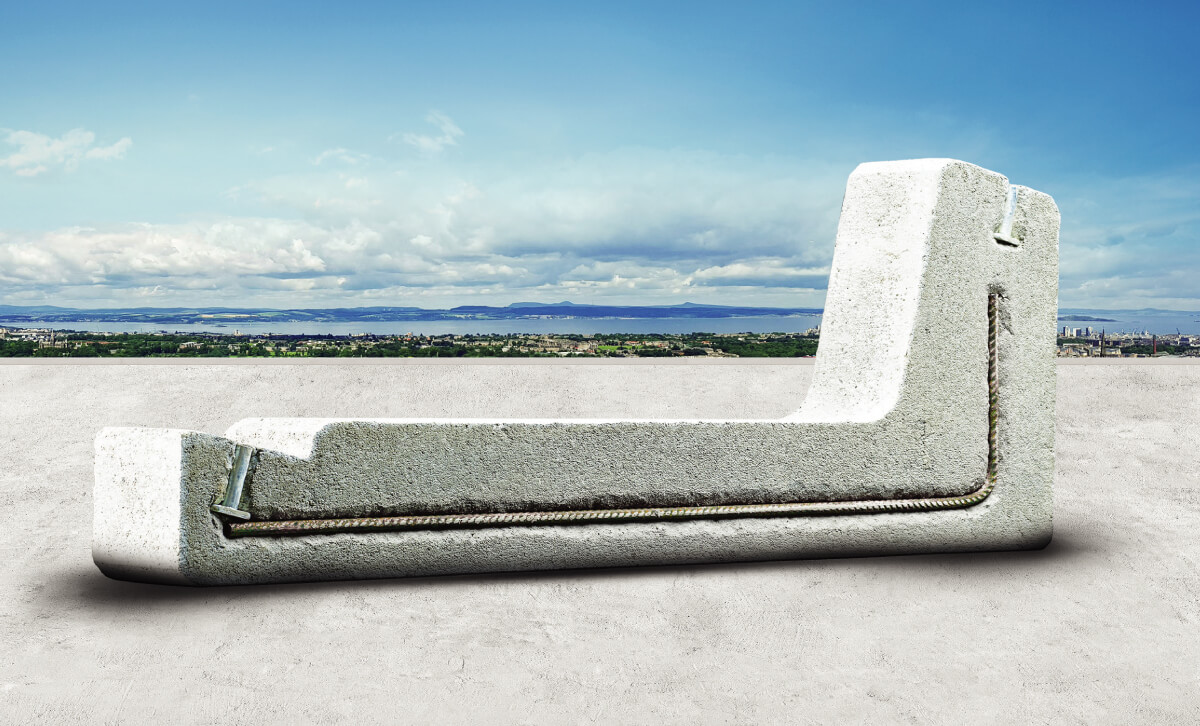
A smarter way to mount PV on flat
roofs—without penetrations
If you work on commercial and industrial rooftops, you know the
usual trade-off: speed versus security. A low price ballasted standard flat roof solar mounting
solution removes that compromise by using concrete ballast to keep modules stable without
drilling or waterproofing interventions. For installers in Italy, that means fewer components to
handle, fewer roof risks to manage, and significantly faster on-site workflows. Ballasted PV
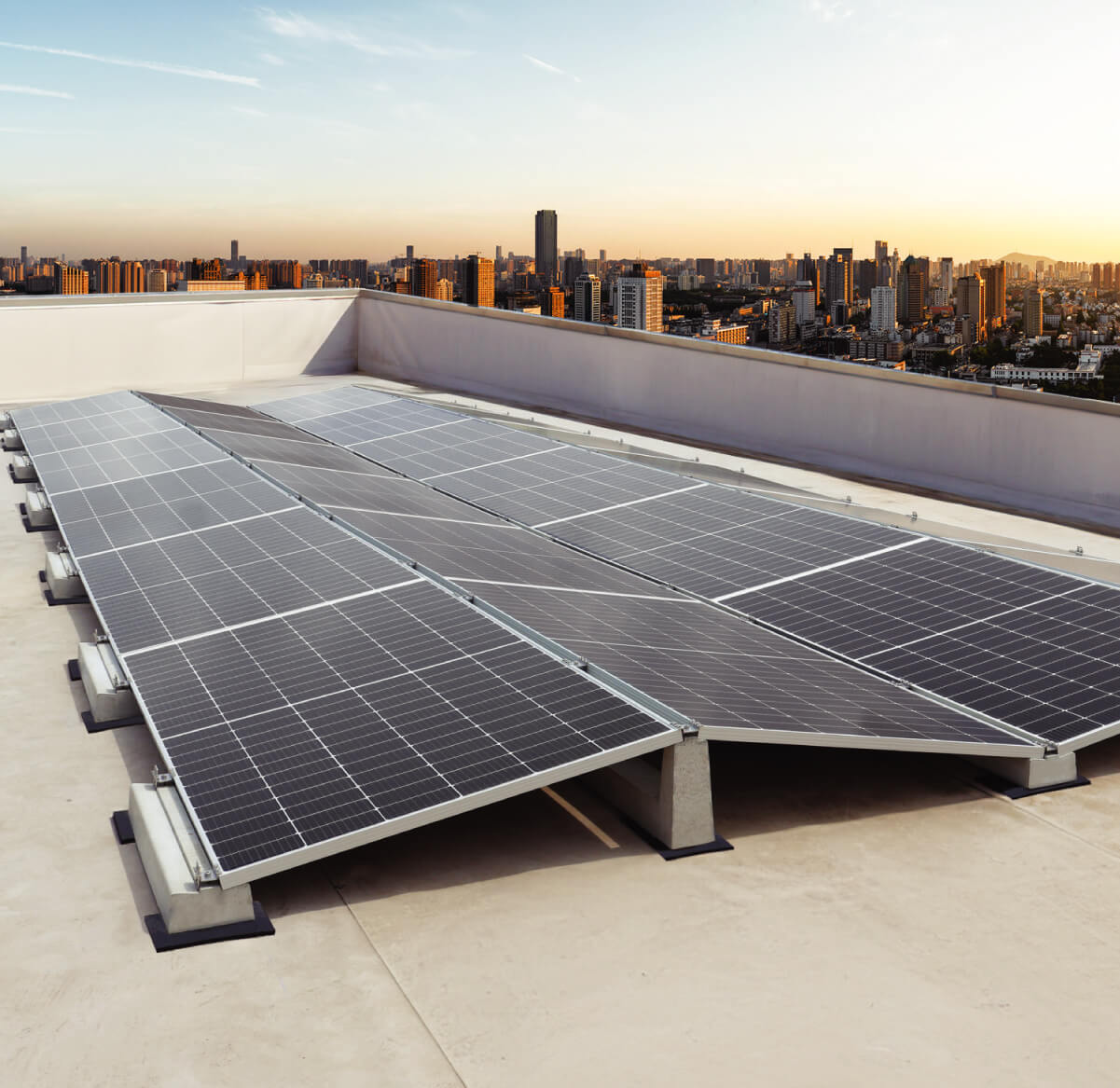
mounting is especially effective on membrane roofs and large flat surfaces where keeping the
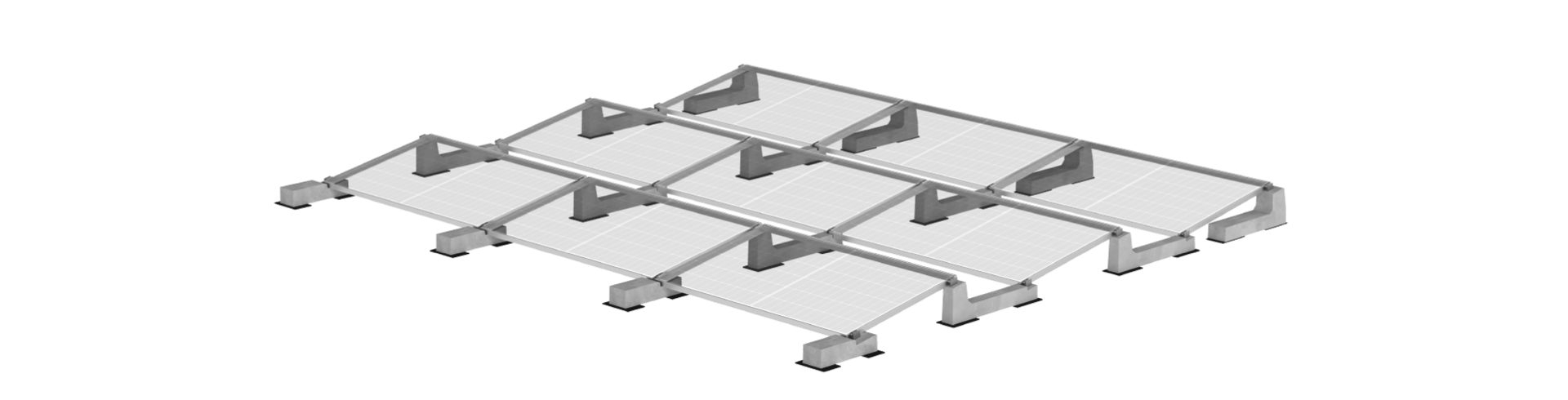
waterproof layer intact is critical. Instead of anchors and flashing, the system relies on
engineered weight distribution and tested layouts to meet wind uplift and load requirements. The
result is a flat roof solar mounting approach that’s practical, predictable, and easy to
replicate across multiple sites. For project stakeholders, it also supports cleaner planning:
clear BOMs, simpler logistics, and a more straightforward installation sequence. When you choose
a ballasted standard setup, you’re not just cutting material costs—you’re reducing hidden costs
like call-backs, roof repairs, and time-consuming alignment issues. That’s why a low price
ballasted standard flat roof solar mounting strategy is increasingly preferred for warehouses,
factories, and retail buildings across the Italian market, where speed, safety, and long-term
reliability must align. It’s a solution designed for professionals who need results on every
roof, every time.
Why installers choose ballasted standard
systems for faster jobs
Installers value anything that shortens installation time without
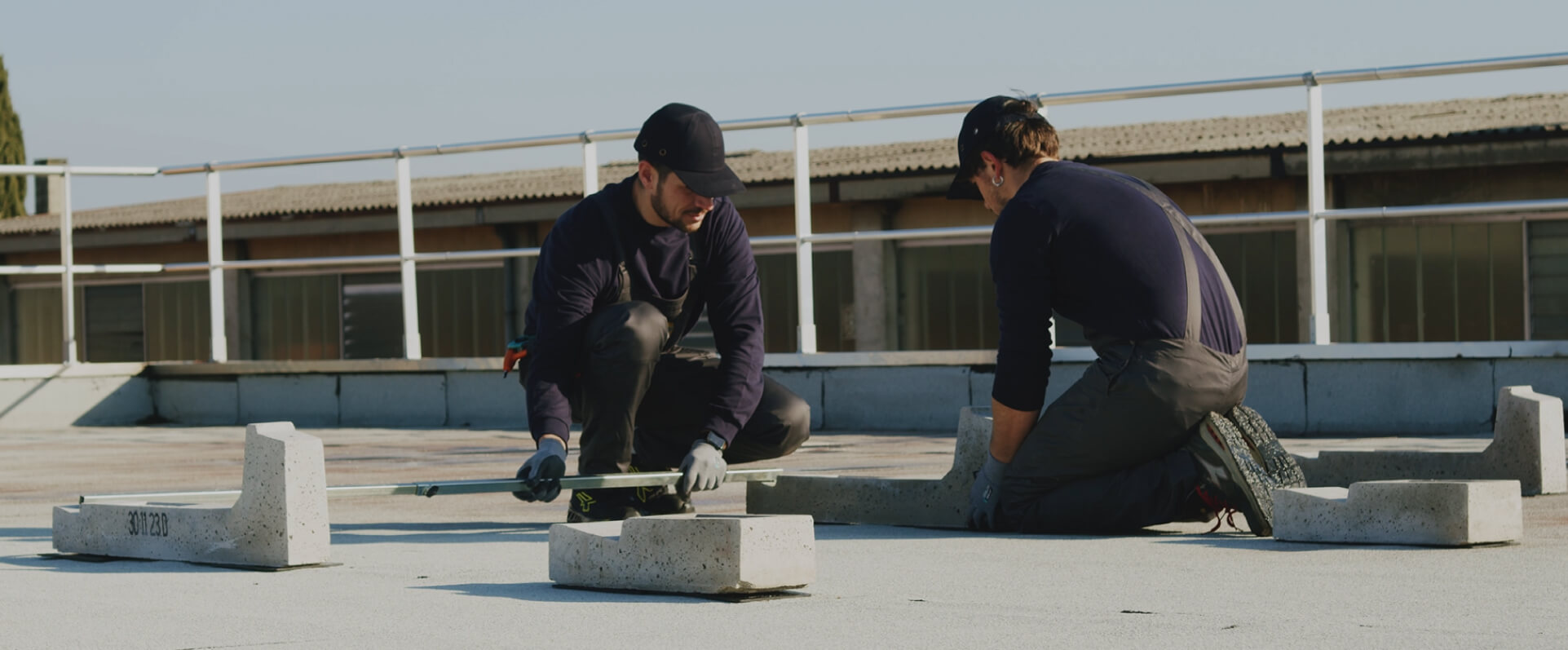
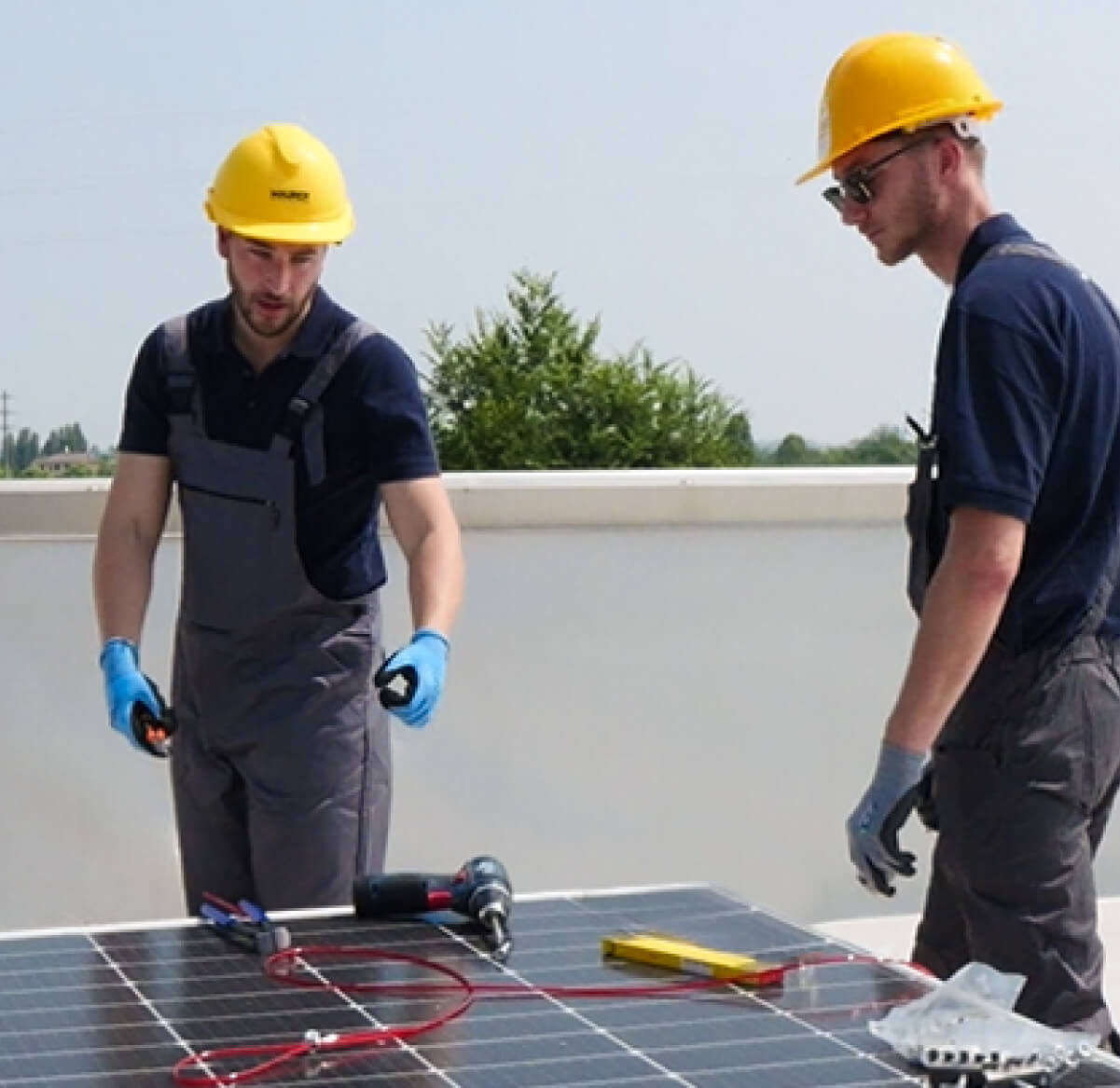
adding risk. With low price ballasted standard flat roof solar mounting, the process is
typically more streamlined: position the supports, place modules, clamp, and complete electrical
works—without coordinating penetrations or waiting on waterproofing crews. Because the structure
is simplified, training crews is easier and mistakes are less likely. The concrete ballast
concept also improves site safety by minimizing tools and operations that can damage the roof
surface. In many standard flat-roof arrays, repeatable spacing and consistent geometry help keep
rows aligned and cable management tidy. Beyond speed, the “standard” aspect matters: proven
configurations reduce uncertainty, especially when deadlines are tight and margins are under
pressure. For distributors and wholesalers, this kind of solution is also easier to stock and
explain—clear use cases, stable demand, and reliable performance expectations. In short,
ballasted solar racking for flat roofs helps teams deliver more projects per month, with fewer
variables on the roof.
Engineering support and dependable performance
for Italian projects
Designers and engineers need more than a low price—they need
confidence. A professional low price ballasted standard flat roof solar mounting solution should
come with reliable technical data, verified performance, and support for sizing around wind
exposure, roof loads, and layout constraints. That’s where a complete approach makes a
difference: guidance during the design phase, assistance with system dimensioning, and practical
project development through execution. For Italian rooftops, where wind zones and building types
vary widely, having tested ballasted mounting options helps reduce design risk and speeds
approvals. The key benefits remain consistent: no roof penetrations, fewer components, and
faster installation—paired with robust, durable materials built for long service life. When your
goal is to deliver a safe, efficient flat-roof PV plant with predictable installation time, low
price ballasted standard flat roof solar mounting becomes a compelling choice. It supports the
priorities of the whole B2B chain—installers who want simplicity, engineers who need verified
inputs, and distributors who want a product that sells because it solves real problems.