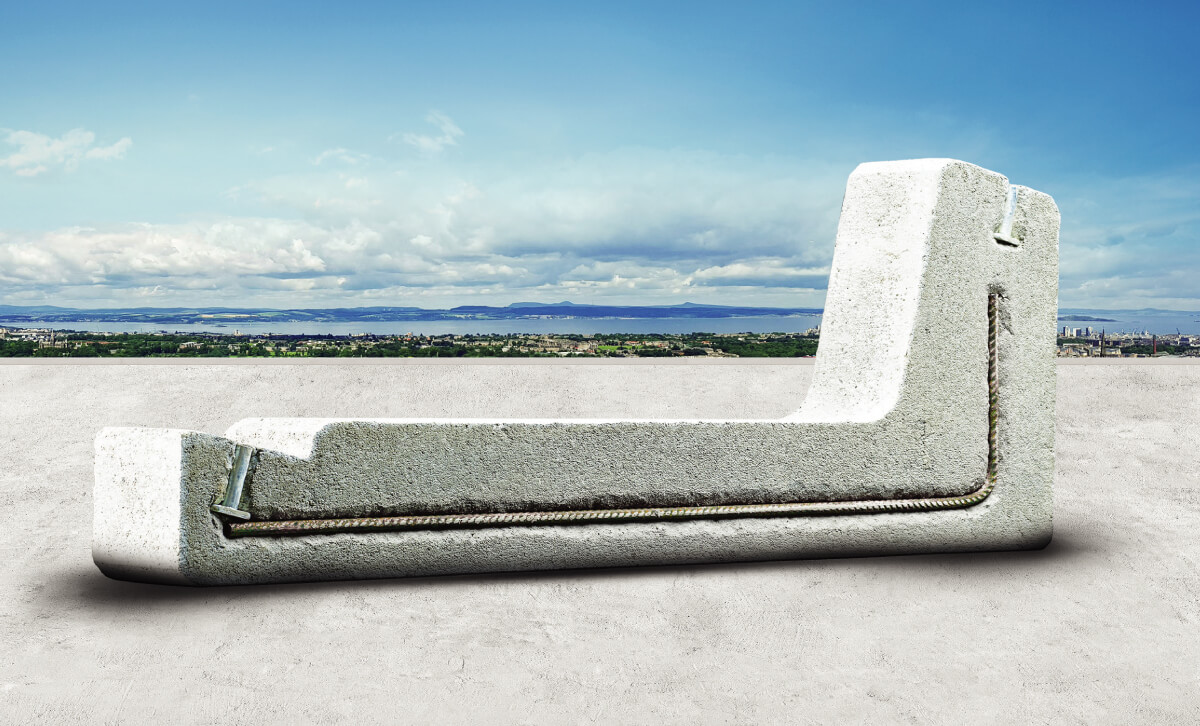
A practical way to cut flat-roof PV costs
without cutting corners
Choosing a low cost ballasted standard flat roof solar mounting
solution is one of the smartest ways to keep projects profitable on Italian commercial and
industrial rooftops. Flat roofs are ideal for PV, but traditional racking can quickly become
expensive—especially when you add waterproofing risks, extra labor, and complex hardware. A
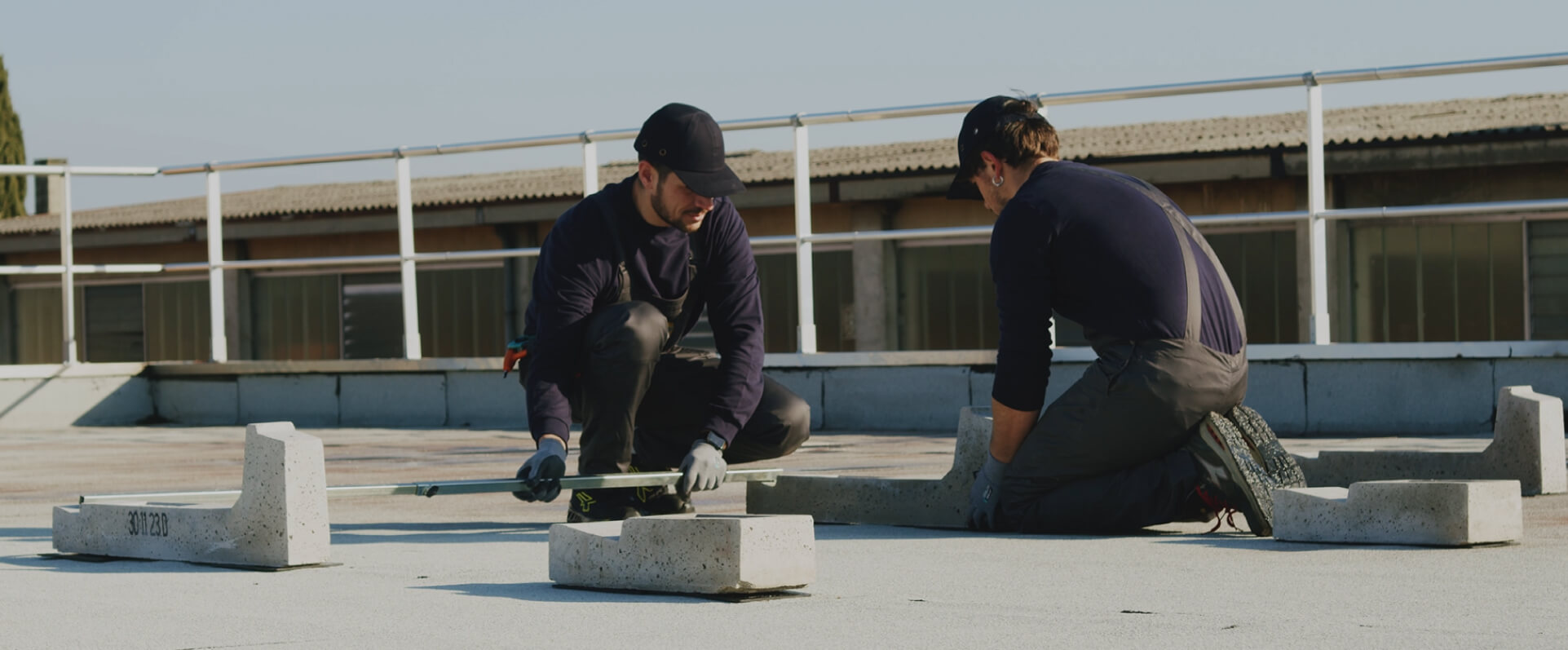
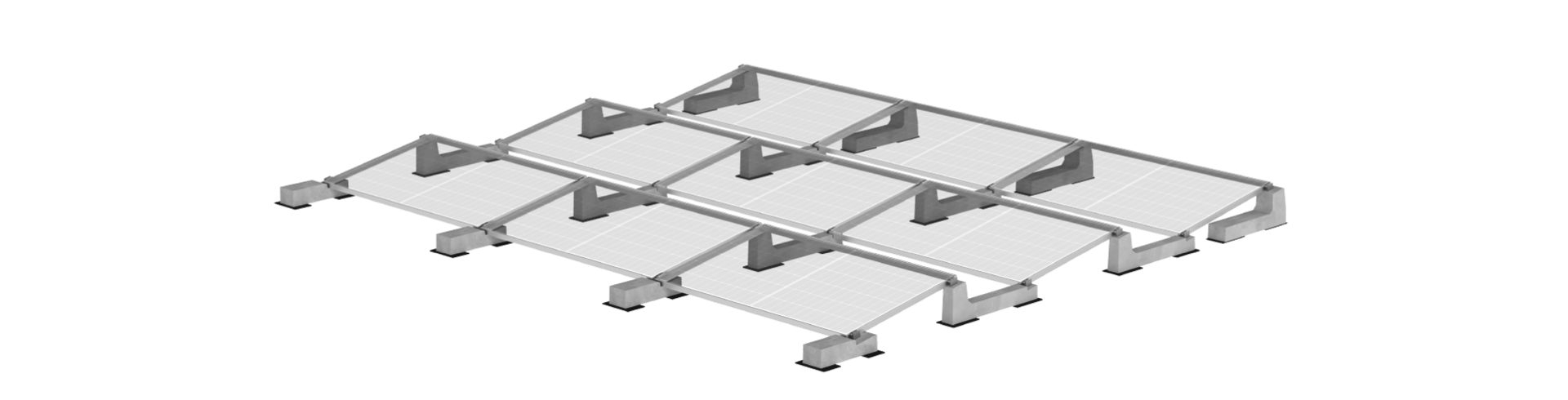
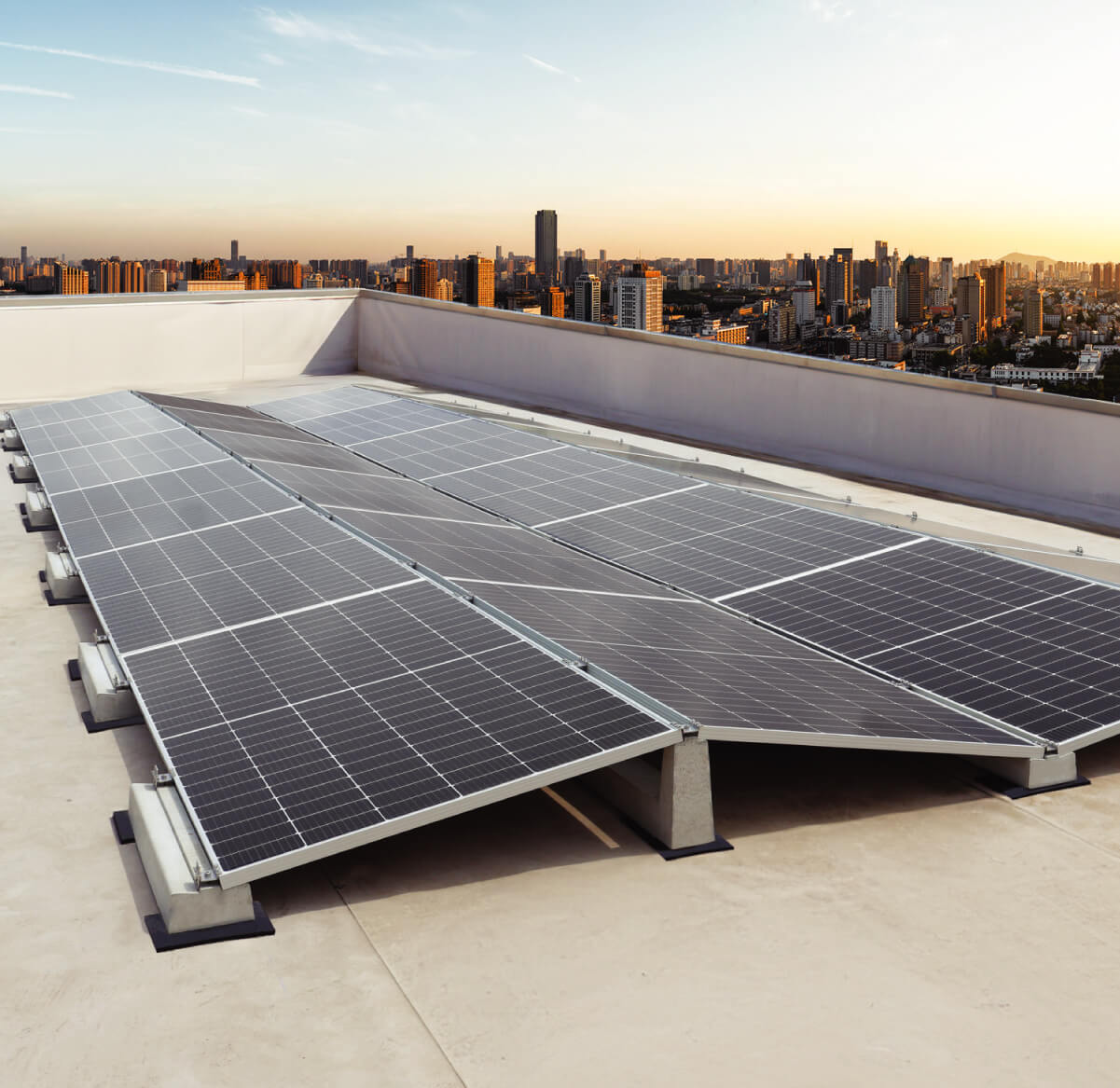
ballasted approach uses pre-engineered concrete weights to secure modules without roof
penetrations, helping protect the membrane and reduce on-site surprises. For installers, this
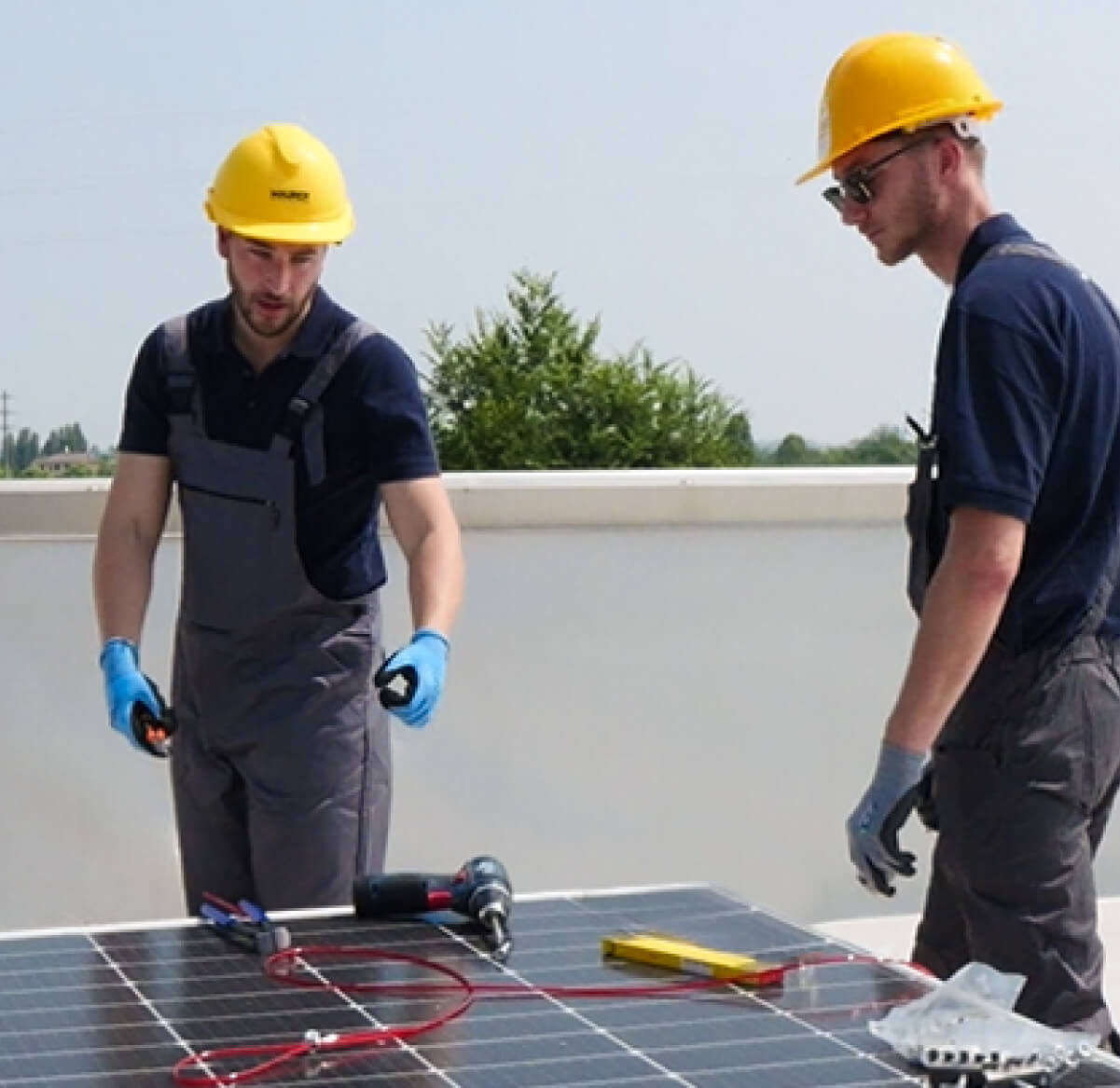
means fewer components to handle, simpler logistics, and quicker assembly with consistent
results across repeated jobs. For designers and engineers, it offers a clearer path to
compliance thanks to tested configurations, predictable loads, and support during the sizing
phase (wind exposure, roof zones, and structural checks). The result is a mounting strategy that
feels straightforward in the field while still meeting the expectations of demanding technical
stakeholders. In a market where timelines are tight and crews are stretched, saving hours per
site can matter as much as saving euros per kilowatt. If you want a solution that balances
speed, reliability, and budget, ballasted mounting on flat roofs is a proven direction that
keeps the focus on what really matters: safe installation, stable performance, and fewer
headaches from day one.
Why installers prefer ballasted systems on
flat roofs
Installers often choose ballasted flat roof structures because
they minimize the most common job-site pain points. No drilling means no time lost coordinating
waterproofing details and no anxiety about leaks after handover. Standardized components make
training easier and reduce installation errors, while pre-set tilt options help you optimize
energy yield and keep row spacing under control. A low cost ballasted standard flat roof solar
mounting setup also helps streamline procurement: fewer unique parts, faster picking, and
clearer stock management for distributors. On the roof, concrete ballast provides immediate
stability, and the installation workflow becomes more repeatable—position, align, clamp, and
move on. That repeatability is what turns a “good” system into a profitable one when you’re
managing multiple crews or tight deadlines. It also supports cleaner project handoffs, because
documentation, layout logic, and component lists stay consistent from one site to the next. When
speed, simplicity, and reliability drive your margins, ballasted mounting is an advantage you
can feel on every row.
Get technical confidence: sizing, wind loads,
and project support
Cost is important, but confidence is what keeps a project moving.
The best low cost ballasted standard flat roof solar mounting solutions are backed by technical
guidance that helps designers and installers make the right decisions early—before materials
arrive on site. That includes support for system sizing, verification of ballast requirements,
and layout optimization based on roof geometry, parapets, and wind zones common across Italy.
Reliable data for load distribution and tested configurations reduces design risk and simplifies
the approval process. For B2B stakeholders—installers, engineering studios, and
distributors—having a partner-style approach means fewer RFIs, faster revisions, and smoother
execution from design to commissioning. If your next flat-roof PV project needs a mounting
option that protects the roof, accelerates installation, and stays within budget, focus on a
ballasted standard solution engineered for real-world job sites—and supported with the technical
know-how that helps you deliver on time.